
Horse in Dreams: What Your Subconscious Is Really Telling You
You wake up and the horse is still with you. Not the plot, not the setting — the animal. Its weight, its speed, the fact that it either carried you somewhere or refused to. And the strange part is you don't own a horse. You may never have touched one. So why did your subconscious mind reach past every person in your life and hand you an animal instead?
Because it wasn't showing you an animal. In the Universal Language of Mind, a horse is your will power — the single faculty that decides whether a thought you had at 2pm ever becomes a thing you did by Friday. Your subconscious mind doesn't have a word for will power. It has an image for it. And the image it chose is the most powerful, most trainable, most easily spooked creature a human being has ever put a rope on.
Why does your subconscious mind choose a horse and not a person?
Every image in a dream is chosen for what it does, not what it looks like. Tarak Uday calls this form and function: the subconscious mind selects a form whose function in waking life matches the inner quality it's reporting on. So a house is your mind, because that's where you live. A car is your physical body, because that's what carries you through the world. And a horse is your will power, because a horse is raw power that only becomes useful when a will is applied to it.
Notice what a horse actually is. It's stronger than you. It's faster than you. It can go all day. On its own it goes wherever its own impulses take it — toward food, away from fear. Put a rider on it and that same power becomes direction. Nothing about the animal changed. What changed is that a will got involved.
That's exactly what your drive does. The energy is already there. It's been there your whole life. The question your subconscious mind is asking, night after night, is whether you're on it or beside it.
So when a person shows up in a dream, you're being shown an aspect of your own personality — usually one you recognize. When an animal shows up, you're being shown something more primal: a habit, an instinct, a force. The horse sits at the top of that group because it's the one force that can be trained without being broken.
What is the difference between willpower and force?
Here's the belief most people bring into this, and it's the one worth confronting: they think will power means pushing harder. Gritting teeth. Overriding themselves. So when they dream of a horse straining, foaming, exhausted, they read it as a good sign — proof that they're trying.
It isn't. That dream is a report of misused power.
Will power in the Universal Language of Mind isn't force. It's the capacity to direct your own energy toward a chosen outcome and keep it there. Force is what you resort to when direction has failed. A rider who has to whip a horse every stride has already lost the relationship — the animal isn't going with them, it's being driven. And a mind that has to bully itself into every action every morning is in exactly that condition.
This is why the state of the horse matters more than almost anything else in the dream. A calm, well-fed, responsive horse says your drive and your direction are working together. A wild one says the power is intact but unclaimed. A skeletal or sick one says something has been draining your capacity to act, and you probably already know what it is — you just haven't said it out loud yet.
What does it mean when the horse is running, wild, or out of control?
Running, in the Universal Language of Mind, is moving toward goals or away from problems. Which one it is depends entirely on where the horse is pointed and how you feel while it happens. So a horse galloping with you on its back, toward open ground, is your drive engaged and aimed — that's momentum you're actually generating in waking life right now.
A horse that bolts is different. A bolt is power that has taken over the decision. Something in your life has your energy and it's not the thing you consciously chose. It could be a deadline, a person, a fear, a habit of over-committing. Your subconscious mind is telling you your drive is running the show and your reasoning is a passenger.
A wild horse — one that has never been ridden, that won't let you near it — is one of the more hopeful images people misread as a warning. Untamed power is still your power. Nothing has been lost. It has simply never been asked to do anything specific. That dream tends to show up in people with enormous capacity who've spent years not deciding what to point it at.
And then there's the horse that won't move. You're on it, you're urging it, nothing happens. That's the honest one. Somewhere in waking life you've made a decision you don't believe in, and no amount of trying will produce drive for a goal your deeper mind hasn't accepted. The horse isn't broken. The direction is.
What does a dead, injured, or caged horse reveal about your will?
People panic at a dead horse. They shouldn't. Dead, in the Universal Language of Mind, is major transformation — the ending of one form so another can exist. It's not a prediction and it's not a loss. So a dead horse means the way you have been using your will power has ended. The old method — the forcing, the schedule, the identity you drove yourself with — is over. Your subconscious mind is confirming the change, not mourning it.
An injured horse is more immediate. Something specific is limiting your ability to act, and the location tells you what. A wounded leg speaks to movement — your ability to make progress. Riding, after all, is making progress toward reaching your goals. Wounded eyes speak to what you're refusing to look at. A wound you inflicted yourself in the dream is the clearest message of all, and the one people most want to skip past.
A caged, stabled, or roped horse says the power is contained by something external — or something you've decided is external. A job. A relationship. A financial arrangement. Ask yourself who built the fence, because in dream language you are every element of the dream. You built the stable. Which means you can open it.
So the diagnostic is simple. The horse's condition is your drive's condition. Your position relative to the horse is your relationship to your own power. And whatever is restraining the horse is what you've allowed to restrain you.
Why does the same horse dream keep coming back?
Repetition is not your subconscious mind being stubborn. It's your subconscious mind being accurate. A dream repeats when the condition it describes hasn't changed, and it stops the moment the condition does. So a horse that has shown up in six dreams over four months isn't six messages. It's one message, delivered six times, about a situation you've been carrying without resolving.
What usually hasn't changed is the relationship, not the circumstance. People change jobs, cities, and partners and still dream the same horse, because they brought the same posture toward their own power with them. If you were beside the horse before, you're beside it now. The scenery moved. The rider didn't.
Tarak Uday takes this further in Structure of the Mind, his map of the three divisions of mind and the powers of attention, memory and imagination.
Pay attention to what shifts in the repeat. Your subconscious mind is a precise reporter and it edits with intent. If the horse got closer, something in you got closer to owning your drive. If you were on foot last month and mounted this month, that's a genuine change in how you're directing your energy, even if your waking life doesn't look different yet — inner change always registers first. And if the animal grew thinner across the sequence, treat that as urgent. It's telling you the drain is winning.
Numbers matter here too. In the Universal Language of Mind, numbers are the evolution of a thought, so a dream with three horses, or a horse that appears on the third night, is marking a stage rather than a quantity. So don't count the animals. Track the sequence.
How do you take the reins back in waking life?
Dreams aren't decoration. They're feedback on a system you're running whether you read the feedback or not. So the whole point of decoding a horse dream is the waking-life change it points at, and that change is almost never "try harder."
Start with direction, not effort. A horse dream that repeats is usually reporting that your energy has no agreed destination. Write down the one outcome you actually want this month — not five, one. Vague intentions produce a wild horse every time, because there is nothing for the power to organize around.
Then look for the drain. If your dream horse is thin, sick, or exhausted, something in waking life is consuming your capacity to act before you get to what matters. Usually it's a commitment you said yes to while meaning no. Your subconscious mind knows the difference and it keeps score.
Then practice small, deliberate acts of will where the stakes are low. Concentration is the training ground for will power in the metaphysical mechanics of mind — the ability to hold your attention where you put it is the same muscle as the ability to hold your life where you put it. Five minutes of holding attention on a single point, daily, changes the horse in your dreams faster than any resolution you make about the big things.
And watch the follow-up dreams. When a person genuinely reclaims direction, the imagery shifts — the horse comes closer, accepts a rider, moves at a chosen pace. That's your subconscious mind confirming the correction. It's the most reliable progress report you will ever get, and it costs nothing but attention.
The horse was never a warning. It's an inventory. Your subconscious mind counted the power available to you, measured how much of it you're actually steering, and rendered the difference as an animal you'd never forget. So the only real question the dream leaves you with is the one you woke up with: are you riding, or are you watching it run?
Frequently Asked Questions

Books by Tarak Uday
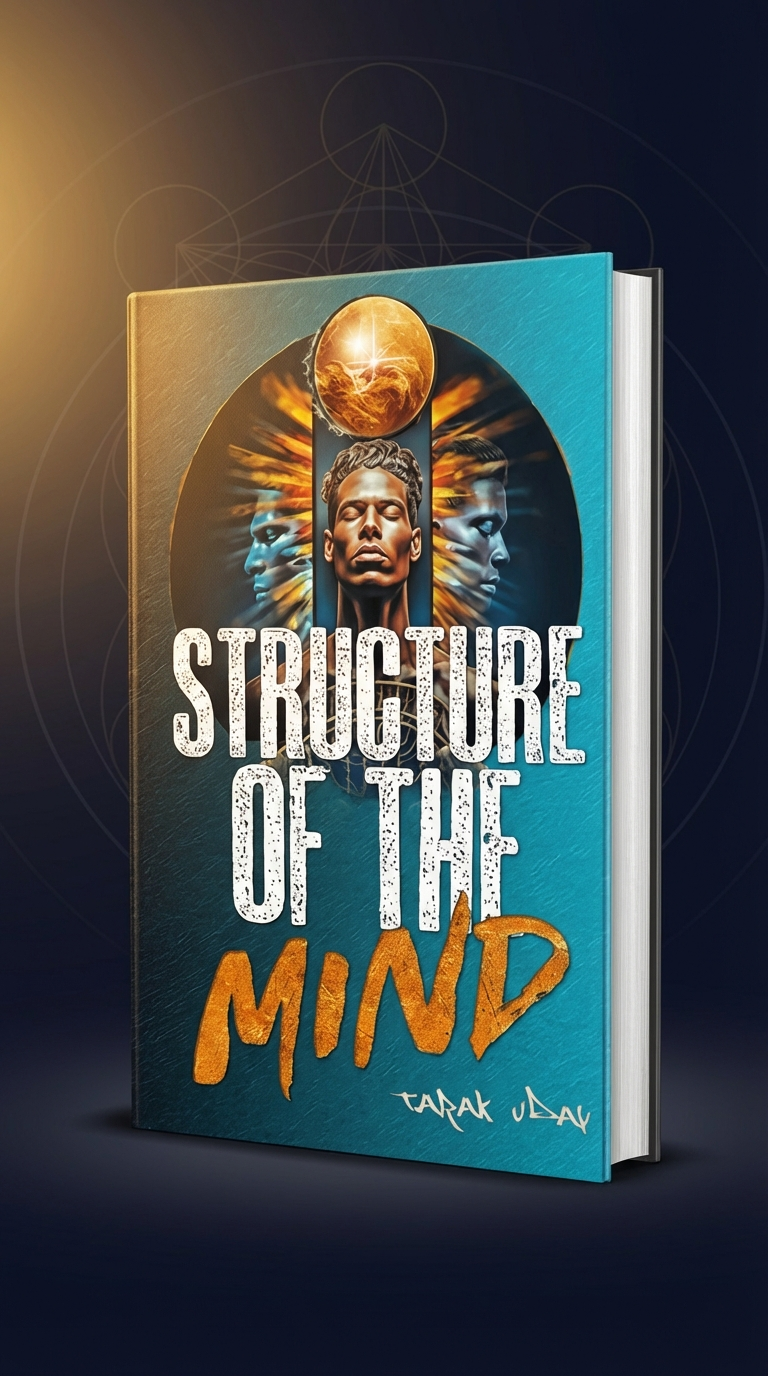
Understand Your Own Mind
"Structure of the Mind" reveals the three divisions of mind, seven levels of consciousness, and powers of mind that most people never learn to develop.
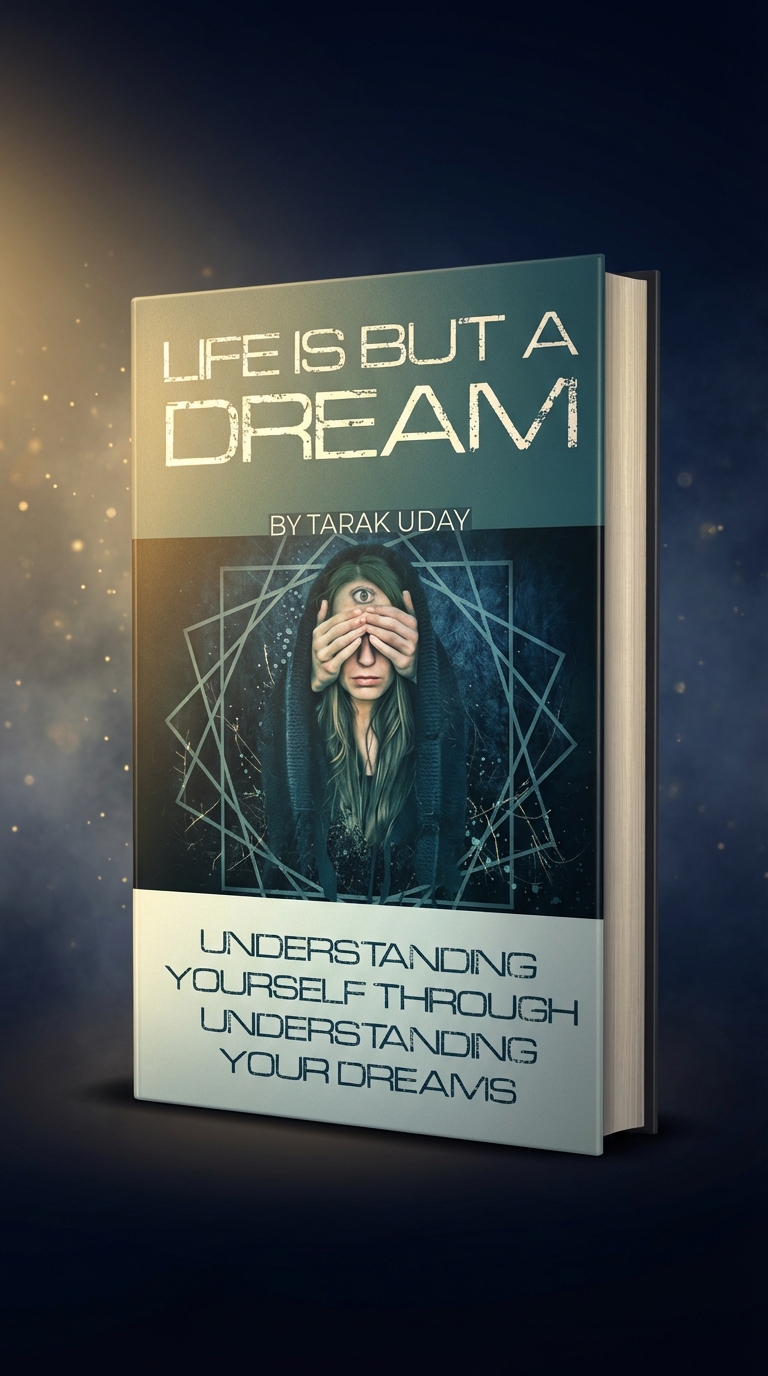
Learn The Language Your Dreams Speak
"Life Is But a Dream" teaches the Universal Language of Mind — how to read any dream symbol by what it is and what it does, so every dream becomes a message you can act on.
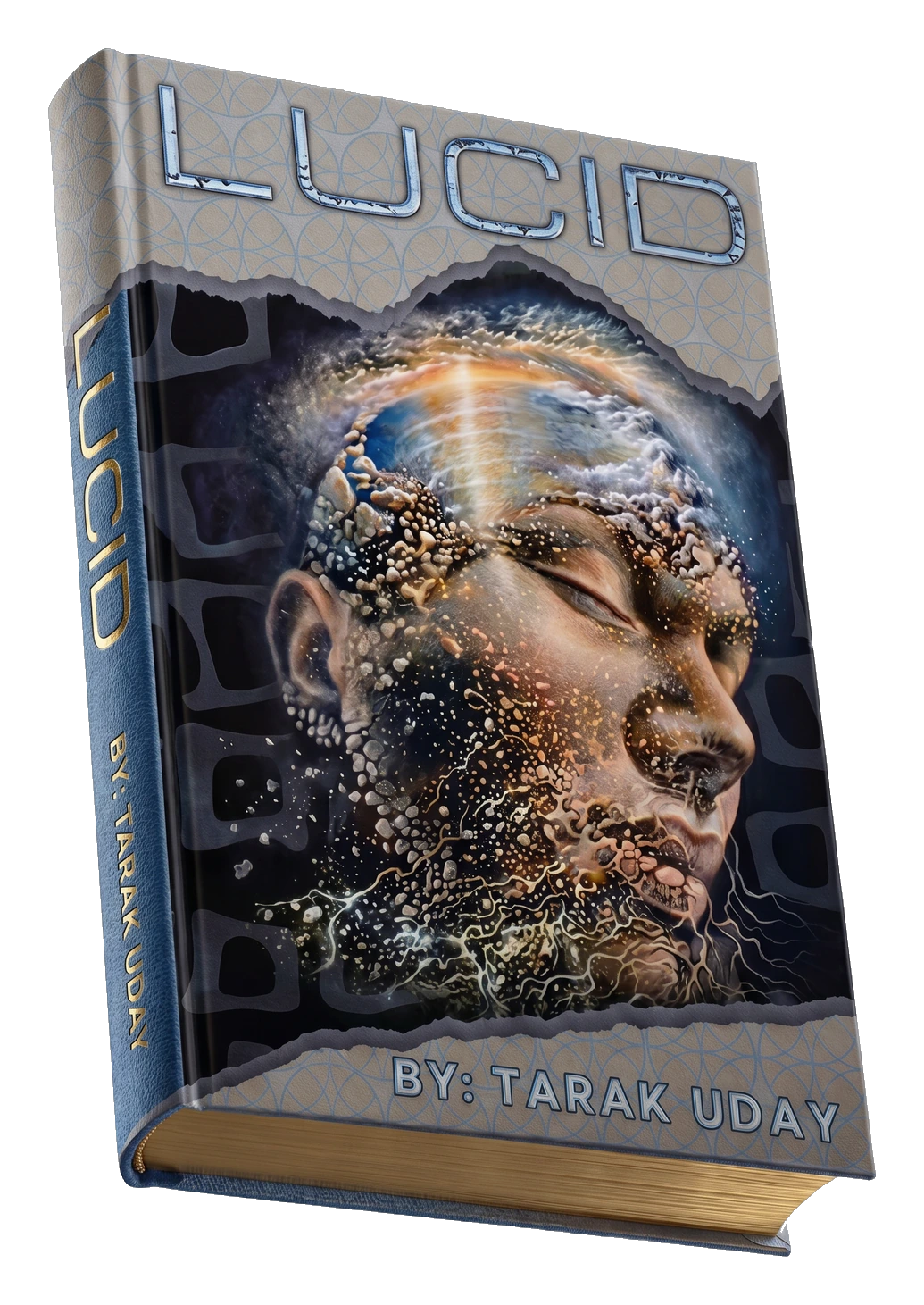
LUCID
You've tried every lucid dreaming technique. Most miss the root cause. LUCID reveals what they all skip.