
Injury in Dreams: Reading Where the Wound Landed
Where was it? That's the first thing you check when you wake, sometimes with your hand already moving toward the spot. The left forearm, laid open. A knee that buckled on the pavement and came up raw. A gash across the back of your skull that you never saw but knew was there. The dream might have been long and crowded, yet what survives into the morning is the location, as if someone had drawn a circle on your skin.
Trust that instinct. Most people hurry past it to a worse question: is something going to happen to me? The dream gets filed as a premonition, you drive a little more carefully for a day, and then it fades without having told you anything.
The Universal Language of Mind reads an injury as a wounded aspect of self. Be clear first about what the dream is not. It isn't a diagnosis, and it isn't a forecast of physical harm. If you have real pain, a real injury or a symptom you've been ignoring in waking life, get medical care for it — that attention belongs to your body. What the dream points at is a part of you that took damage and has been carrying on without anyone tending it. And the place where the wound landed is how you find out which part.
An injury in a dream represents a wounded aspect of yourself — a portion of your purpose, your foundation, your awareness or your perception that has been hurt and not yet tended. Where the injury sits on the body names which aspect it is. Who caused it, whether it bled, whether you hid it and whether you felt it all sharpen the reading. So the useful question on waking is never "will I get hurt?" It is "which part of me already has been, and what would it take to heal it?"
What is an injury actually reporting about you?
Begin with what an injury is and what it does. Tissue that was whole has been broken. The damaged part can no longer do its job at full strength, so you compensate, favouring the other leg, doing everything one-handed. And pain arrives to make certain you notice, dragging your attention to that single place until it's dealt with.
Every one of those functions carries straight over into the mind. An aspect of you that was once whole — your confidence in your own decisions, your willingness to reach for something, your trust in what you see — was broken by an experience. Since then it hasn't worked at full strength, and you've been compensating, routing around it so smoothly that you've stopped registering the detour. The dream supplies the pain your waking attention has refused to feel.
Tarak Uday teaches the body in dreams as the vehicle you use to move through life, with each of its parts carrying its own meaning. So an injury is never a vague statement that you're hurting somewhere. It's a precise report: this function, the one this part performs, is damaged. The dream hands you an address.
There's a second thing a wound is, and it matters as much as the first. A wound is a hurt that asks to be tended, and it's also the site where healing happens. Bodies don't heal in general. They heal at the place of damage, sending resources to that exact spot. Your mind works the same way. The location of the injury is where the problem lives and where the repair has to start.
Why does the part of the body change the meaning?
Because each part of the vehicle has its own job, and damage to a part disables that job specifically. Read the location first, and the rest of the dream arranges itself around it.
Hands and arms are how you reach, grasp and carry things through, so they represent purpose and intention. An injured hand reports that your ability to act on what you intend has been hurt. You still know what you want, but something damaged your capacity to take hold of it. A cut palm, a broken wrist, fingers crushed in a door: each describes a purpose you can no longer grip. Ask what you've quietly stopped reaching for, and when that began.
Legs bear your whole weight and let you stand and move, so they represent your spiritual foundation — the understanding of who you are and why you're here that everything else rests on. A leg injury says the ground you stand on inside yourself has been damaged. You'll often recognise it in waking life as a loss of direction, the sense of going through your days with nothing solid underneath.
The head is the seat of conscious awareness. A head wound reports that your capacity to think clearly and stay present has taken a hit, often after a stretch of stress that left your conscious mind dazed. An eye injury points at perception: something hurt your ability to see a situation, or a person, for what it is.
If the wound bled, add one beat. Blood is the internal source of lifeforce energy, so bleeding reports that energy draining out through the hurt place. A wound that won't stop bleeding says the damage isn't stable; it's costing you vitality every day it stays open.
So when you wake up asking where it was, you've already asked the most important question the dream can answer. Write the location down before you write anything else.
Did you hurt yourself, or did someone else do it?
Everyone in a dream is an aspect of you, and that changes what "someone else did this" can possibly mean.
When a stranger wounds you in a dream, no stranger is involved. One part of your own mind is doing damage to another, and the dream is letting you watch it happen.
If you injured yourself — slipped, cut your own hand, walked into something sharp — the damage came from your own carelessness with an aspect of you. The dream is showing you how you've been treating that part: pushing it past its limits, speaking to yourself with a harshness you'd never use on a friend. Self-inflicted injuries are the most common version and the most hopeful, because the one causing the harm is also the one who can stop.
If another person hurt you, identify them. A familiar person represents the aspect of you that carries the qualities you associate with them. A critical parent who strikes you in the dream is the critical voice you absorbed, now turned against yourself. An attacker you can't identify is an aspect you haven't recognised yet, which is exactly why it keeps doing harm without being stopped. Either way the principle holds: you're harming yourself through a way of thinking that looks as if it belongs to someone else.
If you saw someone else injured, the wound is still yours. An injured friend or stranger represents an aspect of you that's been hurt, shown at a distance because you aren't yet ready to feel it as your own. And if you were the one wounding another person, one aspect of you is attacking a different one. Ask what quality that person embodies for you, because that's the quality in yourself you've been cutting down.
So the question of who caused it isn't about assigning blame. It tells you where the harm is coming from, and that source has to be stopped before any healing can hold.
CHITTA reads your dreams in the Universal Language of Mind, so the location of the wound, the one who caused it and what you did afterward become a single specific reading instead of a lingering worry. Decode your injury dream free.
What if the wound reopens, stays hidden, or doesn't hurt?
An old wound opening again — a scar splitting, stitches coming loose — means the aspect was hurt long ago, you believed it had healed, and a present situation has torn it back open. The surface closed but the tissue beneath never knit. It tends to happen when something now resembles something then, like a new manager who speaks the way an old one did. The dream isn't accusing you of failing to move on. It's telling you the first healing was a cover rather than a repair.
Hiding an injury — pulling a sleeve over the bandage, limping only when nobody's looking, insisting to everyone in the dream that you're fine — reports that you're managing how a hurt looks instead of attending to the hurt. Energy that should be going to repair is going to concealment. Ask who you're hiding it from. Since those people are aspects of you too, the answer is usually the part of you that insists on always appearing strong.
An injury you can see but can't feel is one of the more serious variations. The damage is real, and the dream is clear about that, but you've gone numb to it. In waking life this looks like joking about something painful before anyone else can react. Numbness protects you in the moment and blocks healing over time, because a hurt nobody feels is a hurt nobody tends.
And if, inside the dream, someone cleaned the wound or bound it, the healing has already begun.
Where do the hospital and the operating table fit in?
Healing, in the Universal Language of Mind, is the transformation of negative thinking into positive thinking. That definition matters more than any other here, because it tells you what a wounded aspect actually needs. Thought is cause. The injury was created, and is kept open, by a way of thinking — the conclusion the experience left behind. "I can't trust what I see." "Reaching out gets me hurt." "There's nothing solid under me." The wound closes when that thought is replaced.
A hospital is a healing state of mind. If your injury dream carries you into one, you've entered the condition in which repair becomes possible: willing to admit the damage and willing to be tended. Waiting endlessly in a hospital corridor reports readiness without the work. Being admitted and cared for reports the work underway.
Surgery is the deliberate removal of unproductive attitudes, and it's the more active stage. Something has to come out — a grudge, a habit of self-criticism, a bitter conclusion drawn from the original hurt — before the aspect can heal cleanly. Dreaming of being operated on after an injury says the healing requires cutting something away, not only waiting. It feels frightening precisely because you're agreeing to lose something you've grown used to carrying.
So watch the sequence across several nights. Injury, then hospital, then surgery, then leaving on your own feet: your subconscious mind is charting your progress one image at a time.
How do you tend a wound you can only see in a dream?
You work backward from the location to the thought, and then you change the thought. Here's a practice for the week after the dream.
First, name the aspect. Take the injured body part and translate it: hand for purpose, leg for foundation, head for awareness, eye for perception. Then ask, in a single sentence, where in your life that function has felt weakened lately. Don't analyse yet. Write the first honest answer that comes.
Second, find the moment of injury. Go back to when the weakness started. Most wounded aspects trace to a specific event — a comment, a loss, a failure, a time you reached out and were refused. Naming the moment turns a vague condition into something with edges, and a thing with edges can be treated.
Third, find the thought the injury left behind. Every hurt leaves a conclusion. Put it in the plainest words you have: "My ideas get laughed at." "I can't count on anyone." That sentence is what keeps the wound open, far more than the original event, which ended long ago.
Fourth, write the replacement and practise it. Not a slogan that denies the hurt, but a truer thought you can genuinely believe: "One person laughed, and I'm still capable of good ideas." Hold it in your attention each morning, and whenever the old conclusion surfaces during the day, notice it and put the new one in its place. Each substitution is a stitch.
Then keep an eye on your dreams over the following weeks. The wound may come back smaller, bandaged, scarred over. You may dream of the same body part whole and strong, doing exactly what it couldn't do before. That's your subconscious mind reporting the repair in the same language it used to show you the damage, and the next time you wake asking where it was, you'll already know how to answer.

Frequently Asked Questions



LUCID
You've tried every lucid dreaming technique. Most miss the root cause. LUCID reveals what they all skip.
Understand Your Own Mind
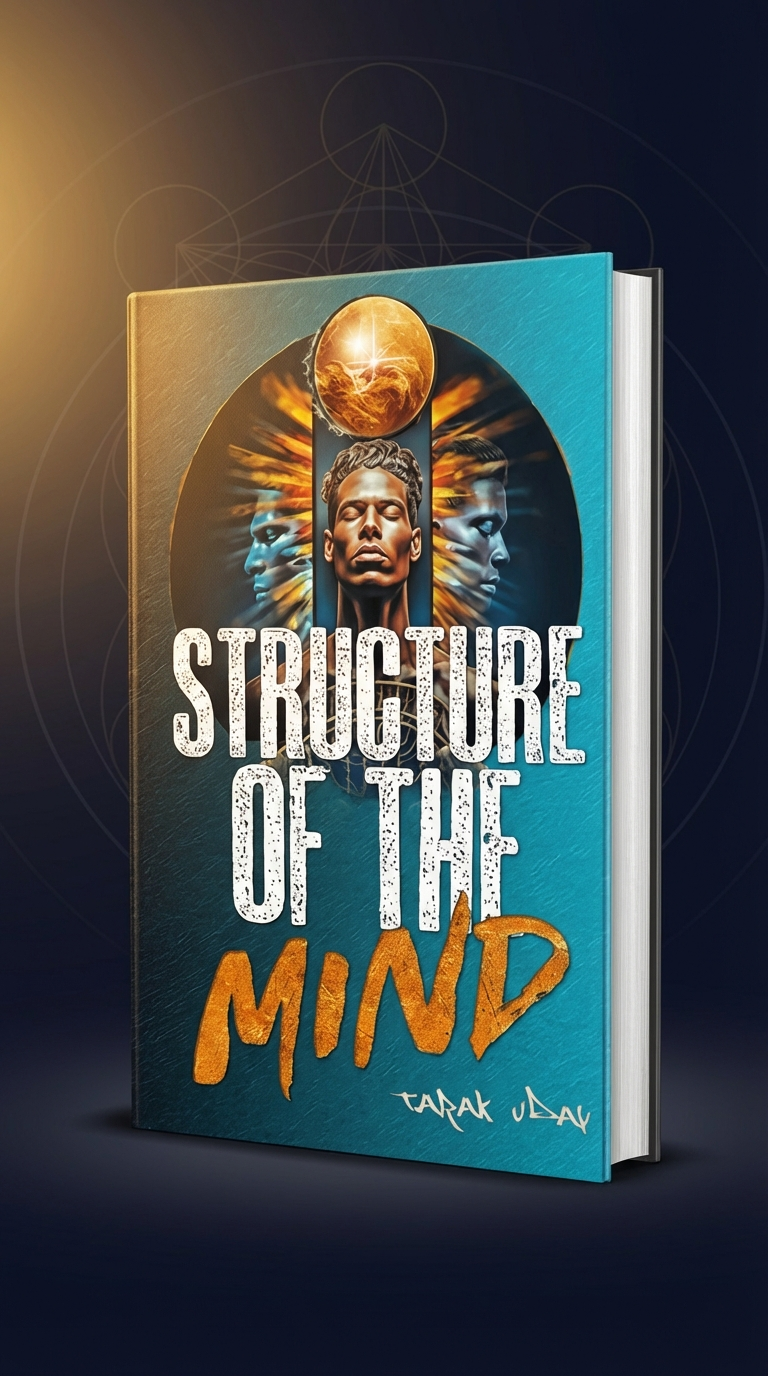
"Structure of the Mind" reveals the three divisions of mind, seven levels of consciousness, and powers of mind that most people never learn to develop.