
Killed in Dreams: What Your Subconscious Is Really Telling You
Why being killed in a dream is one of the most positive transformation symbols in the Universal Language of the Mind


So you woke up with your heart pounding. In the dream, someone killed you. Maybe a stranger, maybe someone you know, maybe a figure you never saw clearly. You felt the blow, you felt yourself going, and then you snapped awake in the dark, checking that you were still here. And now part of you is quietly afraid that the dream meant something is coming.
Here is the short answer first, because almost every dream site online is about to get this exactly backwards.
So let us slow down and go through this properly, because the fear you woke up with is pointed in the wrong direction, and the thing your dream is actually announcing is the opposite of bad news.
What does being killed in a dream actually mean in the Universal Language of the Mind?
Look, your subconscious mind does not speak English. It does not speak Spanish, Hindi, or French either. It speaks in images, and every image means exactly what it DOES, not what it looks like on the surface. This is the principle of form and function, the foundation of the Universal Language of the Mind that Tarak Uday teaches, and it is the rule that unlocks every dream you will ever have.
So apply it to death. What does death actually DO? It ends one form of existence so something new can take its place. The caterpillar has to die for the butterfly to exist. The seed has to break apart in the dark before the plant can rise. Death, in function, is not destruction. It is the mechanism of transformation. Nothing new is ever born until something old gets out of the way.
That is why, in the Universal Language of the Mind, death always represents inner transformation, never literal death. Your dream is not predicting your funeral. It is showing you, in the only language your subconscious has, that an old version of you is ending.
Now add the specific detail. You were not watching someone die. You were the one being killed. When you die in a dream, it points to a transformation of your whole identity, the person you have been is on the way out. And being killed by another figure, rather than dying quietly, means an aspect of yourself is actively forcing that change. Some part of you has decided the old self has to go, and it is not waiting for your permission.
Why would your subconscious show something so violent if the message is good?
This is the part that confuses people, so sit with it. The intensity of the dream is not measuring danger. It is measuring speed.
A gentle death in a dream, old age, drifting off, slipping under, points to a transformation that has been building slowly for a long time. A violent, sudden killing points to a rapid, forceful transformation, change that is happening fast and that some part of you may be resisting. The terror you felt was not a signal that the change is bad. It was the friction of holding on to a self that is already on its way out.
So the violence is information, not threat. Your subconscious dramatizes the death precisely because the part of you being killed off is putting up a fight. If the old pattern were easy to release, you would not need a dream this loud. The loudness is the measure of how tightly you have been clinging.
This is also why these dreams so often arrive right at the edge of a real-life shift, a breakup, a career pivot, leaving a belief system, moving cities, the end of a long chapter. Your waking self may still be negotiating with the past. Your subconscious has already signed the papers.
Who killed you, and why does the identity of the killer change the message?
In the Universal Language of the Mind, every character in your dream is an aspect of YOU. In a dream like this, there are no outsiders, only parts of your own consciousness wearing familiar faces. So the one who killed you is not really a separate person. It is a part of yourself, and which part it is tells you what is driving the transformation.
If a stranger killed you, an unfamiliar aspect of yourself is forcing the change, some capacity or quality you have not yet consciously met. If someone you know killed you, ask what single quality you most associate with that person, confidence, control, anger, discipline, freedom. That quality within YOU is the force ending the old self. If the killer had no face, your awareness of the part doing the work is still low, the change is happening below the level you can name yet.
And notice how you responded in the dream. Did you fight, run, beg, or finally go still? Resistance in the dream mirrors resistance in waking life. The moment you stop running from the death is usually the moment the transformation completes, both on the dream side and in your life.
What is the difference between being killed, killing, and being murdered in a dream?
These feel similar but they carry different mechanics, and the distinction is where most people get lost.
Being killed means an aspect of yourself is causing a transformation you are receiving rather than directing. Killing someone yourself is different, that is the conscious, deliberate choice to end a quality or pattern within you. When you are the one doing the killing, you are not a victim of change at all, you are the author of it, intentionally letting go of what no longer serves you. Being murdered carries the added flavor of feeling that the change is being forced on you against your will, that something outside your control is driving it. But in the Universal Language of the Mind even the murderer is you, the so-called outside force is a part of your own mind that has grown tired of waiting for you to choose, so it chooses for you.
So whether you were killed, killing, or murdered, the same engine is running underneath, transformation. The only thing that changes is how much of you is cooperating with it and how much is still holding on.
Tarak Uday takes this further in Life Is But a Dream, his guide to reading every dream in the Universal Language of the Mind.
What do the different ways you were killed reveal about the change?
The method matters, because the form of the killing describes the texture of the transformation. Being shot points to a specific, aimed change, one precise quality targeted from a distance, often a transformation you have been considering for a long time before anything actually moved. A stabbing is close and personal, the change cuts into something near the core of who you think you are, and because the attacker has to be right next to you, it almost always represents an aspect of yourself rather than outside circumstance. Strangling or suffocation points to a way of being whose air is being cut off, frequently a voice, a desire, or an expression you have been silencing in waking life, now being forced to either speak or die. Poison points to a slow internal transformation that was already working through you long before you consciously noticed it.
And then there is repetition. If you are killed in dream after dream, that recurrence is itself the message. In the Universal Language of the Mind a recurring dream is an unlearned lesson your subconscious keeps replaying until you finally receive it. Being killed again and again means you keep resisting the same transformation, refusing to release the same outgrown self. The dream will keep returning, and it will usually keep escalating, growing more vivid and more violent, not because something is wrong with you but because your subconscious is turning up the volume on a message you keep declining to hear.
Notice, too, whether you survived or stayed dead. Waking just as you die, or finding yourself somehow alive on the other side of it, points to a transformation that is already nearly complete, the new self is essentially online and the old one has finished its exit. Fighting the death all the way to the end and waking in panic points to a change you are still actively resisting. Either way the instruction underneath is identical, stop defending the version of you that is already scheduled to end, because the dream is not asking whether the transformation will happen. It is only asking how hard you intend to make it.
What should you actually do after a dream where you were killed?
First, drop the fear. Nothing in this dream is about physical death, and reading it that way only keeps you clinging to the very thing your mind is trying to release. The dream is an announcement, not a threat.
Second, name what is ending. Sit quietly and ask, what version of me is on the way out right now? What belief, what role, what way of carrying myself have I outgrown? The honest answer is usually already obvious, you have just been avoiding it. Write it down. Naming the old self is how you stop fighting the figure with the knife.
Third, cooperate. Death in a dream asks for surrender, not struggle. The faster you let the old identity go, the cleaner and gentler the transformation becomes, and the next dream in the series will usually soften, because the part of you that was forcing the issue no longer has to shout. What emerges on the other side is a more aware, more capable, more honest version of you. That is the whole point. Your subconscious is not trying to end you. It is trying to upgrade you.
According to the Universal Language of the Mind that Tarak Uday teaches, the dreams that frighten us most are often the ones carrying the best news, because real growth always looks like a death before it looks like a birth. The figure who killed you in the dark was not your enemy. It was the part of you brave enough to end what you could not.
Frequently Asked Questions


Books by Tarak Uday

Learn The Language Your Dreams Speak
"Life Is But a Dream" teaches the Universal Language of the Mind — how to read any dream symbol by what it is and what it does, so every dream becomes a message you can act on.
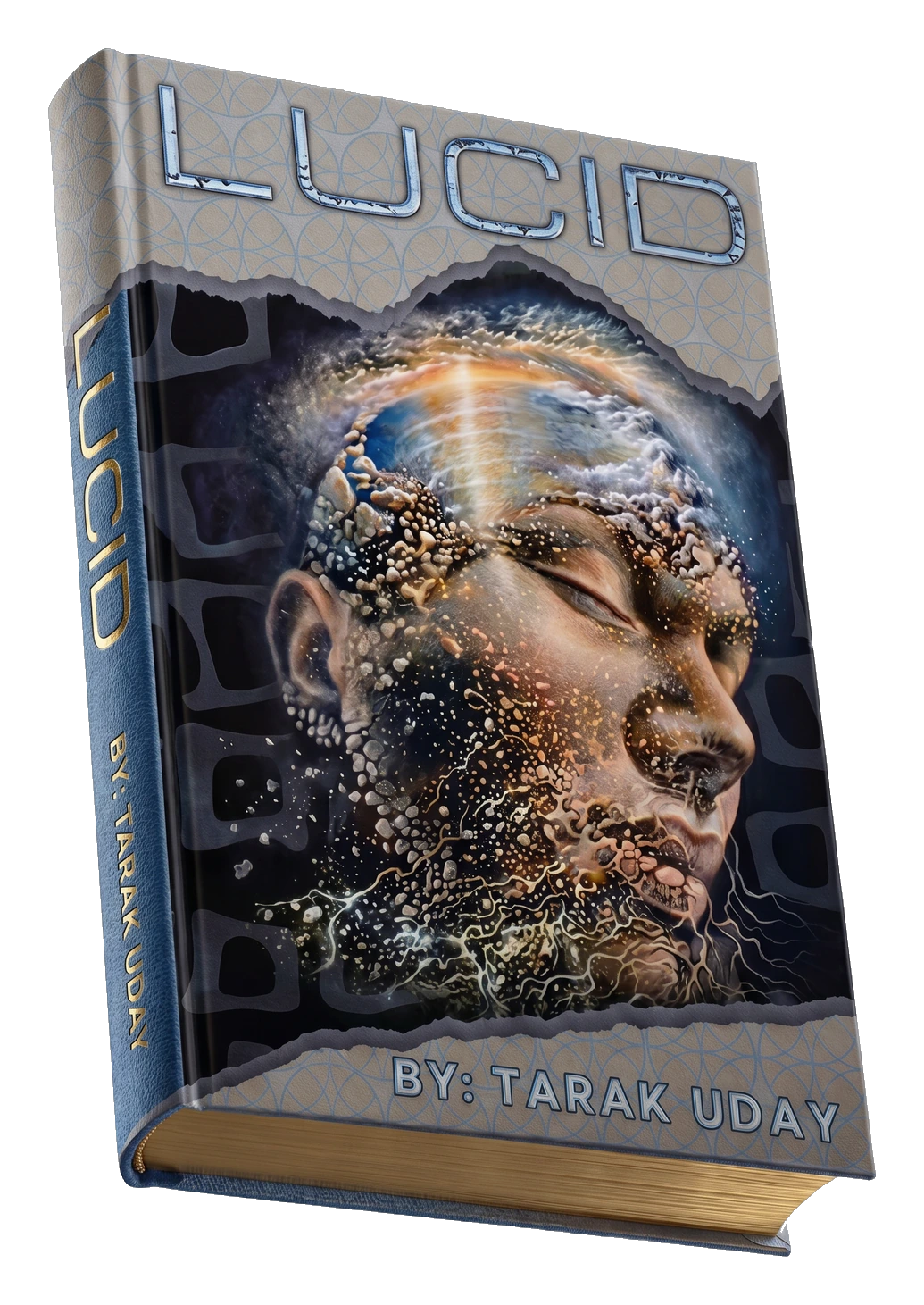
LUCID
You've tried every lucid dreaming technique. Most miss the root cause. LUCID reveals what they all skip.
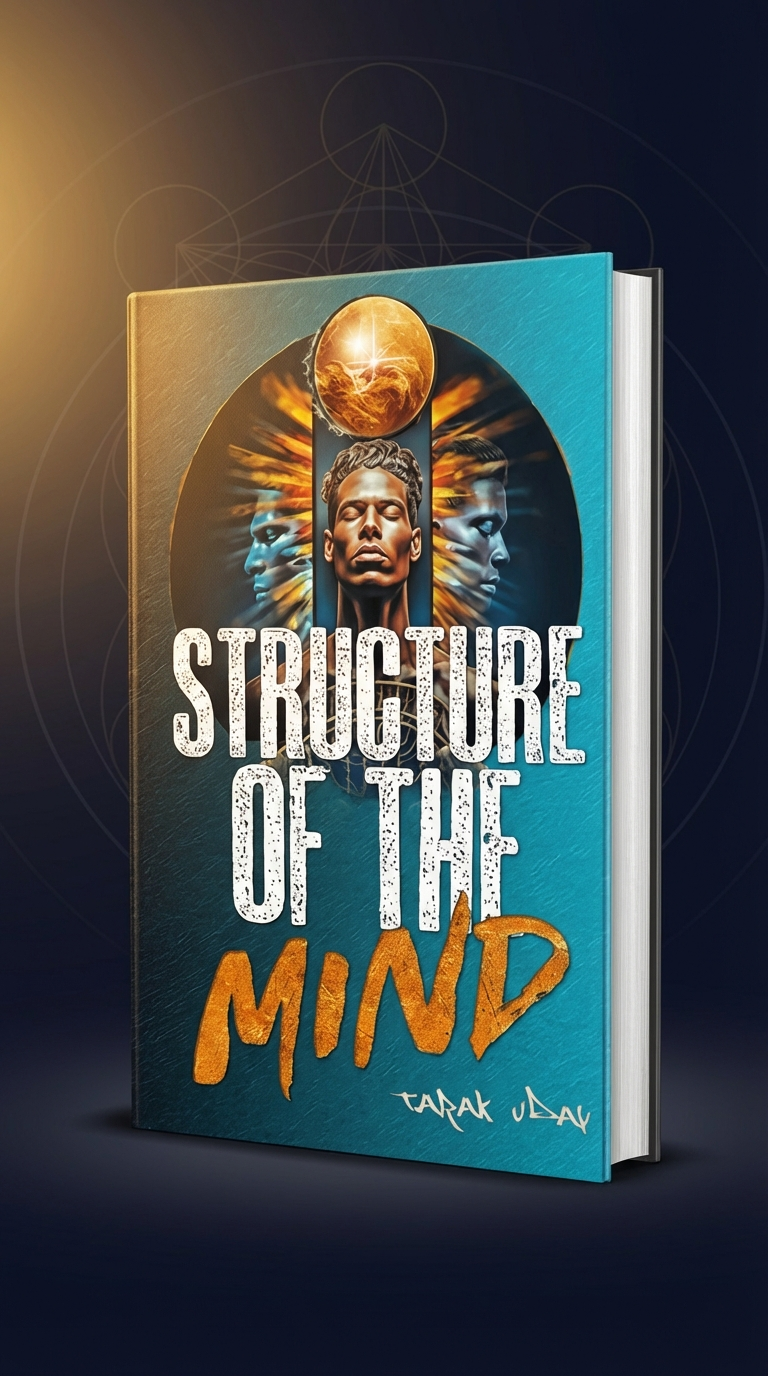
Understand Your Own Mind
"Structure of the Mind" reveals the three divisions of mind, seven levels of consciousness, and powers of mind that most people never learn to develop.