
Nightmares: What Your Subconscious Is Really Telling You
Reading the nightmare as a message, not a malfunction


You jolt awake with your heart pounding, the sheets damp, the dream already dissolving but the dread still gripping your chest. Your first instinct is to push it away — to tell yourself it was just a nightmare, nothing real, nothing that means anything. So here's the question worth holding before you reach for that comfort: what if the nightmare wasn't your mind breaking down, but your mind finally raising its voice loud enough that you couldn't sleep through the message?
Most people treat nightmares as noise — a glitch, a side effect of stress or a late meal, something to endure and forget. That belief feels safe, and it's exactly what keeps the nightmares coming. A nightmare isn't proof that something's wrong with your sleep. In the Universal Language of the Mind, it's proof that something inside you has been asking for your attention, gently at first, and is now done being polite.
Because your subconscious doesn't generate terror for no reason. So the moment a dream turns into a nightmare, it's telling you something precise: a message you've been sleeping through during the day has been escalated to the one volume you can't ignore. The nightmare isn't the enemy of your peace. It's the messenger you stopped answering.
What Is Your Subconscious Actually Saying When You Have a Nightmare?
Your sleeping mind communicates through emotion and image, and it has a built-in dial for urgency. A calm dream is a quiet memo. A vivid dream is a raised voice. A nightmare is the alarm — the loudest setting your psyche has, reserved for the things you most need to face and have most thoroughly avoided. The fear isn't the message. The fear is the volume.
So look past the terror to what it's pointing at. Underneath almost every nightmare is a single, ordinary truth you've been declining to feel: a fear you won't name, a situation you keep tolerating, a part of yourself you've exiled, a grief you've postponed. The horror imagery is just your subconscious dramatizing how serious it has become, because the calmer versions of the message didn't land.
So the real meaning under the dread is almost reassuring: nothing is broken in you. Your inner mind is working exactly as designed, escalating a signal until it finally reaches you. A nightmare is what caring about yourself sounds like when you've stopped listening to the quiet version.
So distinguish a nightmare from an ordinary unpleasant dream by the intensity of the wake-up. A mildly bad dream lets you roll over and drift back to sleep. A true nightmare ejects you — heart racing, body flooded with adrenaline, sleep impossible for a while afterward. That physical jolt isn't incidental; it's the entire design. Your subconscious deliberately recruits your body to guarantee the message lands, because a fear powerful enough to move your heartbeat is a fear too important to let you sleep through. So the more violently a dream wakes you, the more urgently some part of you is asking to be heard, and the more it's worth pausing to ask what, exactly, it needed you to finally notice.
Why Does the Universal Language of the Mind Treat a Nightmare as a Message, Not a Malfunction?
Here's where the ordinary view fails you. It treats the nightmare as a random misfire — bad sleep, bad cheese, bad luck — something with no meaning to decode. That reading is comfortable precisely because it asks nothing of you. And it leaves you bracing for the next one instead of doing the single thing that ends them.
The Universal Language of the Mind reads by function instead. It asks: what does a nightmare do? It floods you with fear and forces you awake. So its function is to interrupt — to make a message impossible to sleep through. That means the content is never random; it's a dramatized account of something your waking self has been refusing to look at. This is the principle Tarak Uday built CHITTA on: every dream, even the terrifying ones, is a precise communication from you to you, told in the only language the subconscious speaks.
So the better question is never "how do I make the nightmares stop?" It's "what is this nightmare working so hard to show me?" That question turns a night of terror into a piece of self-knowledge, because a nightmare you decode loses its reason to return. The terror was only ever the envelope. The message inside is what you're meant to open.
What Have You Been Ignoring That Your Mind Had to Shout?
There's a belief running quietly under most nightmares, and it's worth confronting head-on: that if you just don't look at the hard thing, it will eventually go away on its own. It won't. The subconscious doesn't forget what the conscious mind avoids — it files it, and it keeps raising the priority until you respond. The nightmare is what the unaddressed becomes when it's waited too long.
So the dream is correcting that belief. It's showing you that the strategy of not-feeling has a cost, and the cost is collected at night, with interest. The boundary you won't set, the truth you won't admit, the relationship you won't examine, the part of yourself you keep shoving down — one of these is the quiet message that finally had to become a scream to reach you.
So ask yourself plainly: what have I been refusing to look at long enough that my own mind had to terrify me to get my attention? The honest answer is usually waiting right there, just under the fear. And naming it is the moment the nightmare's job is half done — because the message has finally been received.
And meet that answer without shame, because shame is exactly what made the message wait this long. People hide from their own truths not because the truth is monstrous, but because they're afraid of what feeling it would say about them. So they look away, the subconscious raises the volume, and the nightmare arrives right on schedule. The way out was never to be stronger or braver about the fear. It's to be gentler with the part of you that's been afraid to look — because the moment you stop punishing yourself for having the feeling, you can finally afford to feel it, and a feeling that's finally felt has no reason to keep screaming.
Why Do Nightmares Repeat — and Why Do They Escalate?
A recurring nightmare is not your mind stuck on a loop. It's a message that keeps getting returned unopened. So your subconscious sends it again, and if you keep declining, it sends it louder — more vivid, more frightening, harder to wake from. Repetition is persistence, and escalation is emphasis. The dream is not trying to torture you. It's trying to be heard.
So watch the pattern across nightmares, because the trajectory itself is information. If they're intensifying, it usually means the waking situation they point to is also intensifying, or that your avoidance has hardened. If a recurring nightmare suddenly changes or softens, it often means something in you has finally begun to respond — the message is getting through, so the volume can come down.
So treat the repetition as a countdown rather than a curse. Each return is another chance to do consciously, in daylight, what the nightmare keeps begging for: to turn toward the thing instead of away. The recurring nightmare ends not when you finally sleep deeply enough to escape it, but when you finally answer what it's been asking.
Tarak Uday takes this further in Life Is But a Dream, his guide to reading every dream in the Universal Language of the Mind.
How Does a Nightmare Mirror Your Waking Life Right Now?
Every element of a dream is a mirror of the dreamer, so a nightmare reflects your waking state with unsettling accuracy. The mirror question is direct: where in my life is the pressure or fear I keep managing instead of facing?
Look at the days and weeks before the nightmare. A decision you keep deferring. A relationship that quietly drains you. A fear about money, health, or worth that you talk yourself out of feeling each morning. A part of your life that's misaligned with who you actually are. The nightmare gathers that suppressed charge and stages it as horror, because a fear you won't feel by day will feel you by night.
And notice the emotion more than the plot. The specific monster, chase, or catastrophe matters less than the feeling it produced — helplessness, shame, panic, abandonment. That feeling is the precise emotional truth your subconscious is mirroring back, the one you've been carrying under the surface and calling "fine." So the nightmare isn't inventing your fear. It's showing you the size of one you've been pretending not to have.
What Should You Do the Moment You Wake from a Nightmare?
Don't reach for the dismissal — it was just a nightmare. Reach for the function first. So the moment you wake, before the images dissolve, ask the question that actually matters: what feeling did this leave me with, and where in my waking life have I been carrying that same feeling unspoken? Name it now, because naming the message is how you stop forcing your mind to shout it.
Then answer the message in daylight. If the nightmare mirrored a fear, let yourself feel it fully instead of numbing it. If it mirrored a situation, take one real step toward changing it — the conversation, the boundary, the decision you've been deferring. If it mirrored a part of yourself you've exiled, turn toward it with curiosity instead of dread. The nightmare came because gentle signals went unanswered; your conscious response is what finally lets it rest.
So treat the nightmare as an ally with a loud voice, not an attacker in the dark. It frightened you because you stopped listening to it whisper, and it will quiet the moment you start listening again. Turn toward what it's been showing you, and you'll discover the terror was never the point — it was just how urgently a part of you wanted to be heard. This is the work CHITTA exists for: turning the language of your dreams, even the frightening ones, back into the self-knowledge they were always carrying. The alarm has already sounded. The only question left is whether you'll answer it.
Frequently Asked Questions


Books by Tarak Uday

Learn The Language Your Dreams Speak
"Life Is But a Dream" teaches the Universal Language of the Mind — how to read any dream symbol by what it is and what it does, so every dream becomes a message you can act on.

LUCID
You've tried every lucid dreaming technique. Most miss the root cause. LUCID reveals what they all skip.
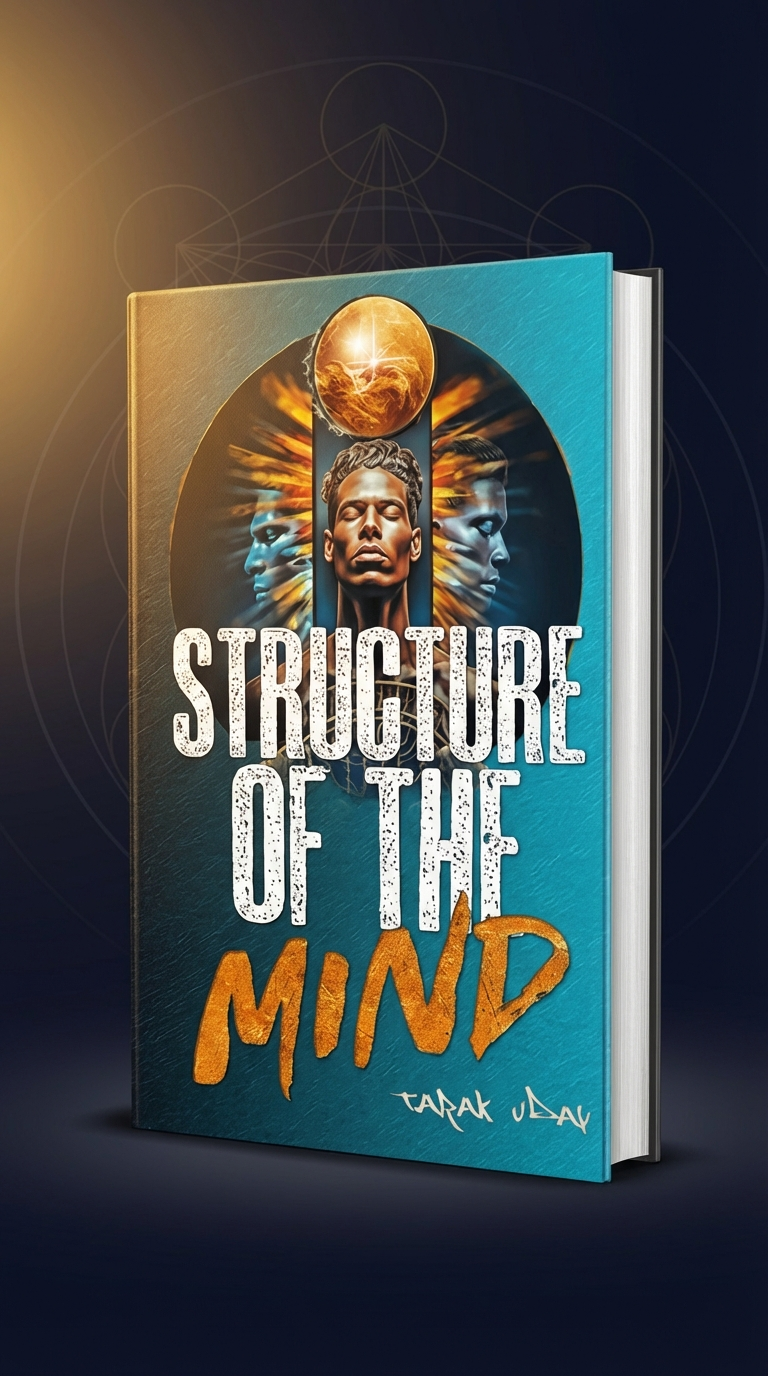
Understand Your Own Mind
"Structure of the Mind" reveals the three divisions of mind, seven levels of consciousness, and powers of mind that most people never learn to develop.