
Monster in Dreams: What Your Subconscious Is Really Telling You
Reading the monster as a part of you, not a threat
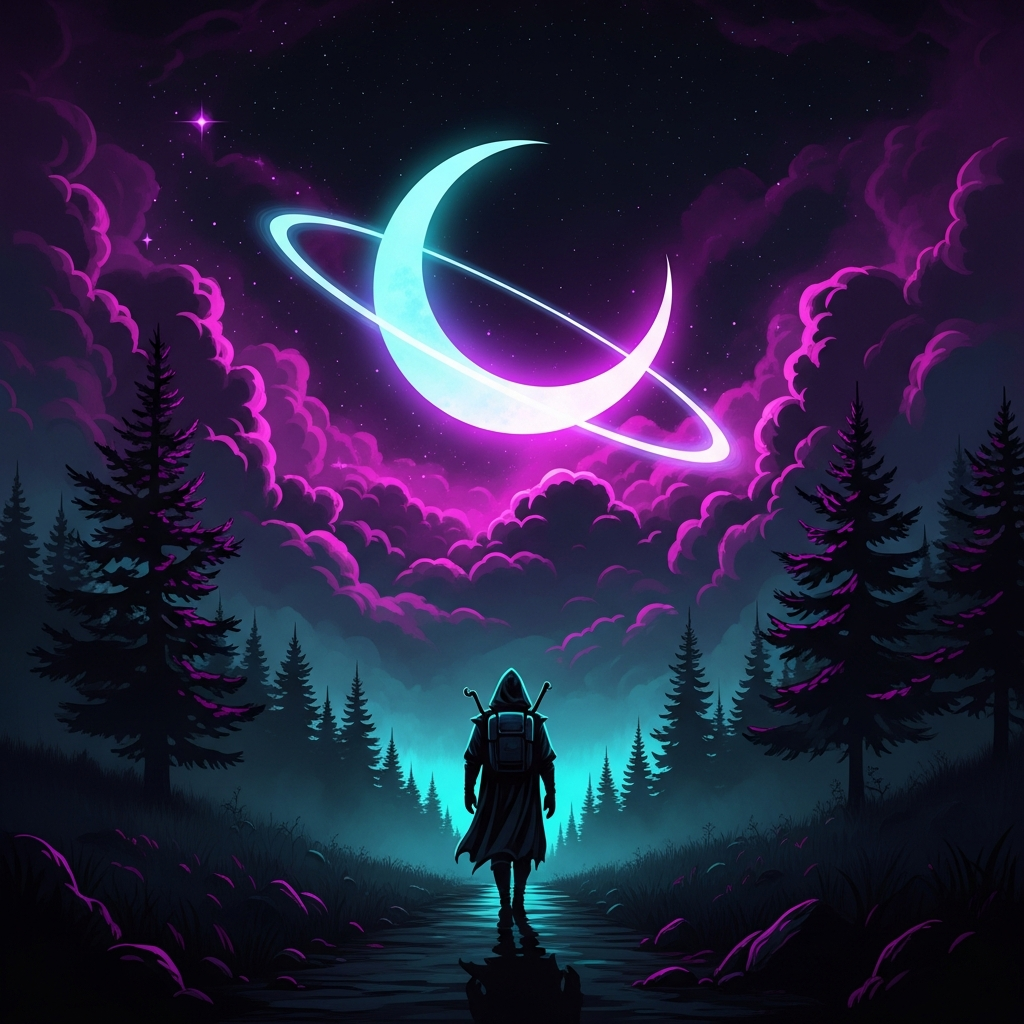

It's behind you in the dark, and you're running — legs heavy, breath ragged, certain that if it catches you, something terrible happens. You never quite see its whole shape. You just know it's a monster, and you know you can't stop. So here's the question worth holding before the fear convinces you it was just a nightmare: what if the thing chasing you wasn't trying to destroy you at all? What if it was trying to be seen?
Most people wake from a monster dream and file it under random fear — too much stress, a scary movie, a bad day. That explanation is comfortable, and it quietly robs you of the message. A monster isn't proof that something out there is coming for you. In the Universal Language of the Mind, it's proof that something inside you has been waiting a long time to be faced.
Because a monster is never born a monster. It's made. So the moment that shape appears in your sleep, your subconscious is telling you something precise and a little uncomfortable: there's a part of you that you've feared, rejected, or refused to look at for so long that it has grown distorted in the dark. The dream isn't asking you to escape it. It's asking you to turn around.
What Is Your Subconscious Actually Saying When You Dream of a Monster?
Your sleeping mind speaks in images, not definitions, and it always picks the one that fits the feeling exactly. A monster fits one feeling better than anything else: dread aimed at something you won't look at directly. The monster is the form your psyche gives to a part of yourself you've decided is too dangerous, too shameful, or too painful to meet face to face.
So consider what actually makes something monstrous in a dream. It's never the thing itself — it's the not-looking. Anger you've decided makes you a bad person. Ambition you've called arrogance and shoved down. A need for love you've judged as weakness. Grief that feels bottomless. Each of these is a perfectly human part of you, but the longer you refuse to face it, the larger and stranger it grows, until your subconscious can only draw it as a beast.
So the real message underneath the terror is almost compassionate: this part of you isn't your enemy. It became frightening because you abandoned it, not because it's evil. The dream is your own mind insisting that you stop treating a wounded part of yourself like a predator.
Why Does the Universal Language of the Mind Read a Monster as a Part of You?
Here's where the ordinary reading fails you. It treats the monster as a threat from outside — an enemy, an omen, a sign of danger coming. That's reading by form, by the costume the fear chose to wear. And it keeps you running from your own dream instead of doing the single thing that ends the chase.
The Universal Language of the Mind reads by function instead. It asks: what does a monster do? It frightens, it pursues, and it makes you flee. So whatever in you frightens you, follows you, and makes you run — that is the monster. In dreams, every figure is an aspect of the dreamer, which means the creature in the dark and the one fleeing it are the same person. You are both. This is the principle Tarak Uday built CHITTA on: the dream is always a portrait of you, painted in the only language the subconscious speaks.
So the better question is never "what's coming to get me?" It's "what part of me have I made into a monster by refusing to face it?" That question changes everything, because you cannot negotiate with an external threat, but you can absolutely turn toward a frightened, exiled part of yourself. The monster was never the problem. The running was.
What Are You So Afraid to Face That You've Made It a Monster?
There's a belief running quietly under most monster dreams, and it deserves to be confronted directly: that some parts of you are too dangerous to let out, so the safest thing is to keep them locked away. It feels responsible. It's actually what creates the monster. A feeling denied doesn't disappear — it ferments in the dark and comes back wearing fangs.
So the dream is correcting that belief. It's showing you that the very strategy you thought kept you safe — don't feel that, don't want that, don't be that — is exactly what turned an ordinary human part of you into something that hunts you at night. The anger you swallowed became rage. The need you shamed became desperation. The grief you postponed became a weight that follows you down every corridor.
So ask yourself plainly, without flinching: what have I decided I'm not allowed to be? What hunger, what hurt, what truth have I exiled so thoroughly that it can only reach me in the shape of a beast? The answer is almost never as terrible as the avoidance made it. That's the cruel joke of the monster — it's only ever as big as your refusal to look.
And here's a clue to find it faster: the part you've made monstrous in yourself is usually the exact thing you can't stand in other people. We don't rage at strangers for traits we've made peace with in ourselves — we rage at the ones we've exiled. So if a certain kind of person reliably disgusts you, enrages you, or fills you with contempt, look closely, because the intensity is the tell. That reaction is often your own banished part knocking from the outside, because you won't let it knock from within. The monster wears a neighbor's face by day and your own by night.
Why Are You Always Running — and What Happens If You Turn Around?
The running is the most important part of the dream, and the most overlooked. You flee the monster in your sleep the same way you flee the feeling while awake: instinctively, automatically, certain that facing it means being destroyed. So the chase isn't really about the creature's speed. It's a portrait of how much energy you spend, every single day, not looking at the thing.
And here's what almost no one tries until they understand the dream: turning around changes it. Dreamers who stop and face the monster — even once, even shaking — report again and again that it shrinks, speaks, transforms, or simply dissolves. That isn't a trick. It's the literal mechanics of the psyche. The threat was generated entirely by your avoidance, so the moment you stop avoiding, its power has nowhere to come from.
So the question the dream keeps asking, night after night, is gentle underneath its terror: how long will you keep running from a part of yourself that only wants to come home? You don't have to defeat the monster. You only have to stop treating your own exiled self as something to escape.
So pay attention if the same monster keeps returning. A recurring monster dream isn't your mind glitching — it's the exiled part raising its voice because the earlier, quieter signals went unanswered. Each return is a measure of how long you've kept running, and often the creature grows more vivid or more relentless the longer you refuse to turn. That escalation can feel like things getting worse. It's actually the opposite: it's the clearest evidence that this part of you hasn't given up on being reclaimed. The dream repeats for one reason only — because the meeting it keeps offering hasn't happened yet.
Tarak Uday takes this further in Life Is But a Dream, his guide to reading every dream in the Universal Language of the Mind.
How Does the Monster in Your Dream Mirror Your Waking Life Right Now?
Every figure in a dream is a mirror of the dreamer, so the monster reflects your waking life with uncomfortable precision. The mirror question is direct: what am I spending my days avoiding, managing, or running from instead of facing?
Look at the weeks before the dream. A confrontation you keep rescheduling in your head. An emotion you numb the second it rises. A part of your own nature you perform the opposite of, hoping no one notices. The monster is your subconscious gathering all that avoided energy into one shape, because a part of you that you keep outrunning by day will come for you by night.
And notice the setting and the feeling. Being chased through your own home points to something you can't get away from because it lives where you live — inside you. The sheer exhaustion of the chase mirrors how tired you actually are of holding the thing at bay. So the dream isn't inventing a fear; it's showing you the true cost of a fear you've been carrying with the lights off.
What Should You Do the Moment You Wake from a Monster Dream?
Don't reach for the easy dismissal — it was just a nightmare. Reach for the function first. So the moment you wake, ask the question that actually ends the chase: what part of myself have I been treating as a threat? Name it before the fear fades, because naming the monster is the first step in turning around.
Then meet the exiled part in waking life, gently and on purpose. Let yourself feel the anger you've been calling ugly, and notice it doesn't destroy anyone. Admit the want you've been ashamed of. Sit with the grief instead of sprinting past it. You can even return to the dream in your imagination, stop, and ask the monster what it wants — the answer is almost always some version of don't leave me in the dark anymore. The point isn't to fight it. It's to reclaim it.
So treat the monster as a lost part of yourself, not a verdict against you. It grew fangs because you looked away, and it will lose them the moment you look back. Turn around in the dream of your own life and face what you've been fleeing, and you'll find the beast was only ever a frightened part of you wearing the mask your avoidance handed it. This is the work CHITTA exists for: turning the language of your dreams back into the self-knowledge it was always carrying. The monster is already behind you in the dark. The only question left is whether you'll finally stop and turn.
Frequently Asked Questions


Books by Tarak Uday
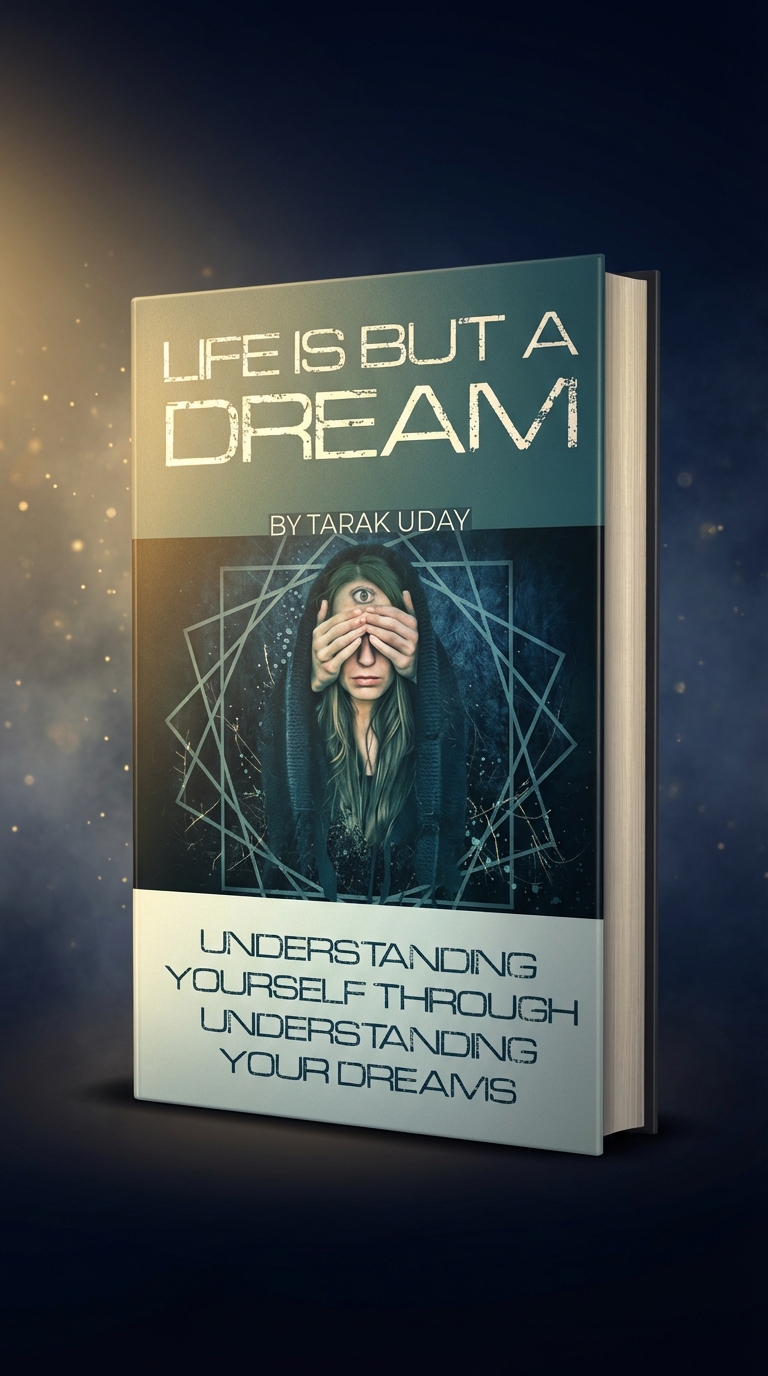
Learn The Language Your Dreams Speak
"Life Is But a Dream" teaches the Universal Language of the Mind — how to read any dream symbol by what it is and what it does, so every dream becomes a message you can act on.
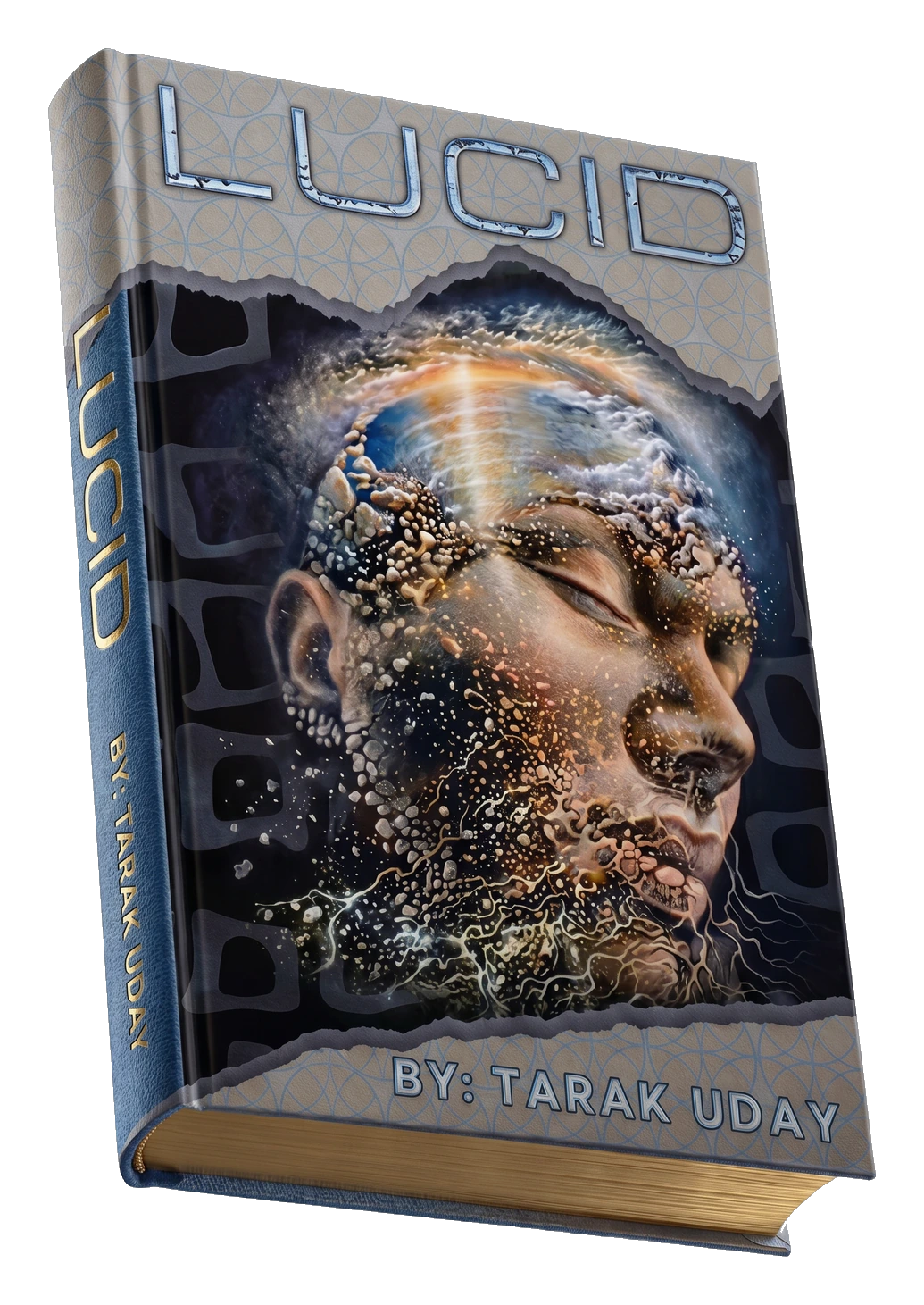
LUCID
You've tried every lucid dreaming technique. Most miss the root cause. LUCID reveals what they all skip.
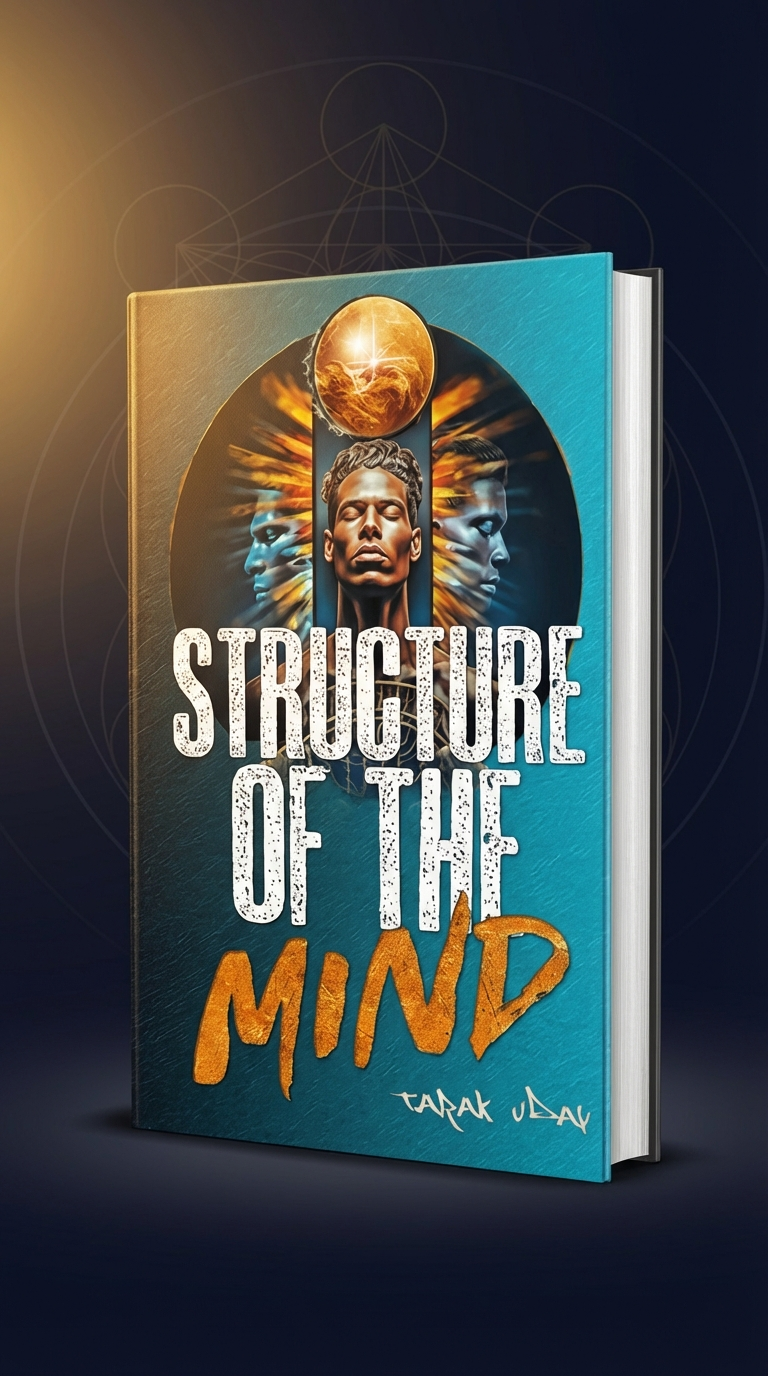
Understand Your Own Mind
"Structure of the Mind" reveals the three divisions of mind, seven levels of consciousness, and powers of mind that most people never learn to develop.