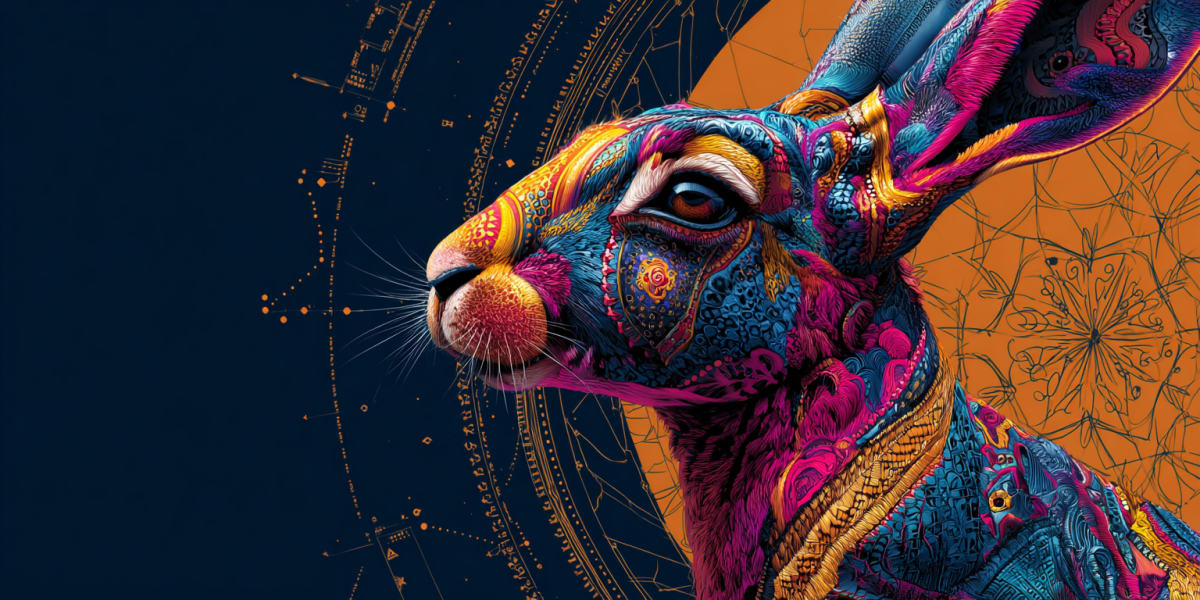
Rabbit in Dreams: What Your Subconscious Is Really Telling You


A rabbit in a dream is easy to dismiss. It's small, it's soft, it doesn't threaten anything, and it tends to appear at the edge of a dream rather than the middle of it. Most people wake up, register that there was a rabbit, and file the whole night under nothing much.
That's the mistake, and it's a specific one. Of all the animals your subconscious mind could hand you, the rabbit is the one that describes a mechanism rather than a mood — and the mechanism it describes is the reason certain patterns in your life keep coming back no matter how many times you deal with them individually.
Because here's what a rabbit is actually famous for. Not softness. Multiplication.
In the Universal Language of Mind, an animal is a mental habit — a habitual thought. A rabbit is the particular kind of habit that reproduces: one automatic thought that generates more of itself faster than you can address them one at a time.
What Does a Rabbit Mean in a Dream?
All the animals in this language share one meaning at the root. An animal is a habitual thought — a piece of mental behaviour running on its own, without your conscious involvement, the way a creature moves without being told to.
That's the category. Then the species specifies which kind of habit, and it does it through behaviour rather than symbolism. The way to read any dream image is to ask what the thing characteristically does, because the mind encodes an inner process by finding an outer creature that behaves the same way.
So what does a rabbit characteristically do? It breeds at an extraordinary rate. It's quick and reactive rather than deliberate. It freezes when startled. And it lives underground, in a network of tunnels, mostly out of sight, coming to the surface only to feed.
Every one of those is a description of a certain class of mental habit. The kind that spreads. The kind that reacts before you've decided anything. The kind that stops you dead when something surprises you. And above all, the kind that lives below your awareness and only surfaces briefly, which is why you've had such trouble catching it in the act.
Why Does Your Subconscious Mind Choose a Rabbit and Not Another Animal?
Here's a belief worth confronting before it costs you anything else: the idea that habits of thought are individual items you can deal with one by one.
Almost everyone operates this way. You notice yourself doing something unhelpful — the reflexive apology, the assumption that a silence means disapproval, the immediate discounting of a compliment — and you resolve to stop doing that one thing. And you might even succeed. And nothing changes, because two more appeared while you were working on the first.
That's precisely why your mind reached for a rabbit rather than a dog or a horse. A dog is a habit that has become loyal and familiar, one that follows you and answers to you. A horse is your will power, something powerful you either direct or get carried by. Those are singular. A rabbit is not a singular image, even when there's only one on the screen, because the whole meaning of a rabbit is what a rabbit does over time.
So a single rabbit in a dream is not reporting a small problem. It's reporting a source. Your subconscious mind is showing you the one habitual thought from which a family of others is descending — and telling you, in the only way it can, that the arithmetic is against you if you keep addressing the offspring.
There's a second reason the choice matters. Rabbits are prey, and prey animals have a particular relationship to attention: they survive by reacting faster than they think. So a rabbit also encodes the speed of the habit. These aren't considered patterns you could talk yourself out of in the moment. They fire before deliberation arrives, which is exactly why willpower keeps failing against them and why people conclude, wrongly, that they lack discipline. You don't lack discipline. You're bringing a slow instrument to a fast process.
And rabbits are quiet. They don't bark, they don't charge, they make almost no sound at all. So the mind is also telling you these habits are undramatic. Nothing about them announces itself. The loud problems in your life are rarely the ones a rabbit is describing — this is the pattern nobody would flag, including you, because it never once caused a scene.
You have been dealing with your habits one at a time. That is why there are more of them than when you started.
What Does It Mean to Dream of Many Rabbits, or Rabbits Breeding?
When the dream gives you several, it has stopped hinting.
A field of rabbits, a hutch full of them, rabbits appearing faster than you can count — this is habitual thinking that has already multiplied past the point of individual management. The feeling in these dreams is usually not fear. It's a kind of overwhelmed comedy, an awareness that there are simply too many, and that's an accurate emotional report on the waking situation.
Look for where in your life a single assumption has generated a whole population of secondary ones. It's often something quite plain at the root. I can't ask for help is one root that produces dozens: taking on work you shouldn't, resenting people who didn't offer, rehearsing conversations you'll never have, exhaustion you interpret as a personal failing. None of those look related when you meet them separately. They're all the same rabbit.
Rabbits actively breeding, or a nest of young ones, is more pointed still. That's a habit currently in the act of reproducing — meaning something you're doing right now, this month, is generating new automatic patterns rather than merely maintaining old ones. Those dreams are worth acting on quickly, because the population curve is the whole warning.
And catching or holding a rabbit is a genuinely good sign. You've got hold of the source. The dream is confirming that a habitual thought you'd only ever experienced as a vague tendency has become something you can actually take in your hands and look at.
What Does a Frightened, Fleeing, or Burrowing Rabbit Tell You?
The rabbit's other behaviours each carry their own reading, and they're distinct enough to be worth separating.
A rabbit that bolts the moment you notice it is the exact experience of trying to observe your own automatic thinking. The habit operates freely until attention arrives, and then it's gone — which is why people so often say they can't catch themselves doing the thing. Your subconscious mind isn't being poetic here. It's describing the actual dynamics of self-observation, and the encouraging part is that a fleeing rabbit means you did see it.
A rabbit that freezes rather than fleeing is the habit of stopping under pressure. Prey animals freeze because stillness is a survival strategy, and there's a mental version of it: when something startling happens, some people don't fight and don't run, they simply stop thinking and wait for it to pass. If that's the image you were given, that's the pattern being named.
A rabbit disappearing into a burrow is habitual thinking withdrawing below the level of your awareness. Not gone — housed. It went back into the subconscious mind where it lives, and it will surface again on its own schedule. And an extensive warren, a whole tunnel network under the ground, is the honest picture of how these habits are actually organized: connected underneath, sharing passages, far more structured than they appear from the surface where you only ever see one rabbit at a time.
Tarak Uday takes this further in Life Is But a Dream, his guide to reading every dream in the Universal Language of Mind.
Colour is worth one line, since dreamers often lead with it. A white rabbit carries the sense of a habit operating at a more refined level than the ordinary run — frequently one you'd describe as a virtue, which is what makes it hard to examine. A black rabbit points at habitual thinking you haven't brought into the light yet. Neither is good or bad. Both are still rabbits, and the multiplication mechanic applies to virtues just as reliably as it does to faults.
A dead rabbit is not a bad omen. Death in this language is inner transformation. A habitual thought has genuinely ended — and the fact that it registered as a loss tells you the habit had been doing something for you, which is worth understanding before the replacement arrives.
The rabbit at the root is easier to find across many dreams than in any single one. CHITTA records each dream and decodes it through the Universal Language of Mind, so the repeated image — the one habit generating all the others — surfaces as a pattern instead of staying a series of unconnected mornings.
How Do You Work With a Rabbit Dream Instead of Just Noting It?
Start with the count. Write down how many rabbits there were, because one, several and uncountable are three different diagnoses and the number is the first thing you'll lose.
Then hunt for the root rather than the instances. Take the three or four things you've been trying to change about your own conduct and ask what single assumption would produce all of them if it were true. Don't stop at the first plausible answer. Keep asking until you reach a statement flat enough that it sounds like a fact about the world rather than a belief about yourself. Tarak Uday's work on the Universal Language of Mind is insistent on this point — the productive move is always upstream, at the thought doing the generating.
Then watch for it once, without intervening. For one full day, don't try to stop the habit. Only count it. Most people are genuinely shocked by the number, and that shock does more than a month of resolutions, because you can't change something whose frequency you've been underestimating by an order of magnitude.
Then bridge it to the day. Rabbit dreams arrive during periods when the multiplying is active — usually a stretch where you've been under enough pressure that your automatic responses are doing more of the work than your deliberate ones. Find that stretch in your calendar. That's what the dream is about.
Then replace rather than remove. A habit that has been reproducing is occupying territory, and territory doesn't stay empty. If you only subtract, the same root grows the population back within weeks. Decide what deliberate thought is going to run in that slot instead, and practise it on purpose until it stops requiring you.
So the small soft thing at the edge of the dream turns out to be the most structurally useful image your mind has for this problem. It wasn't a minor detail. It was your subconscious mind pointing at the burrow and telling you the tunnels connect.
Frequently Asked Questions


Books by Tarak Uday
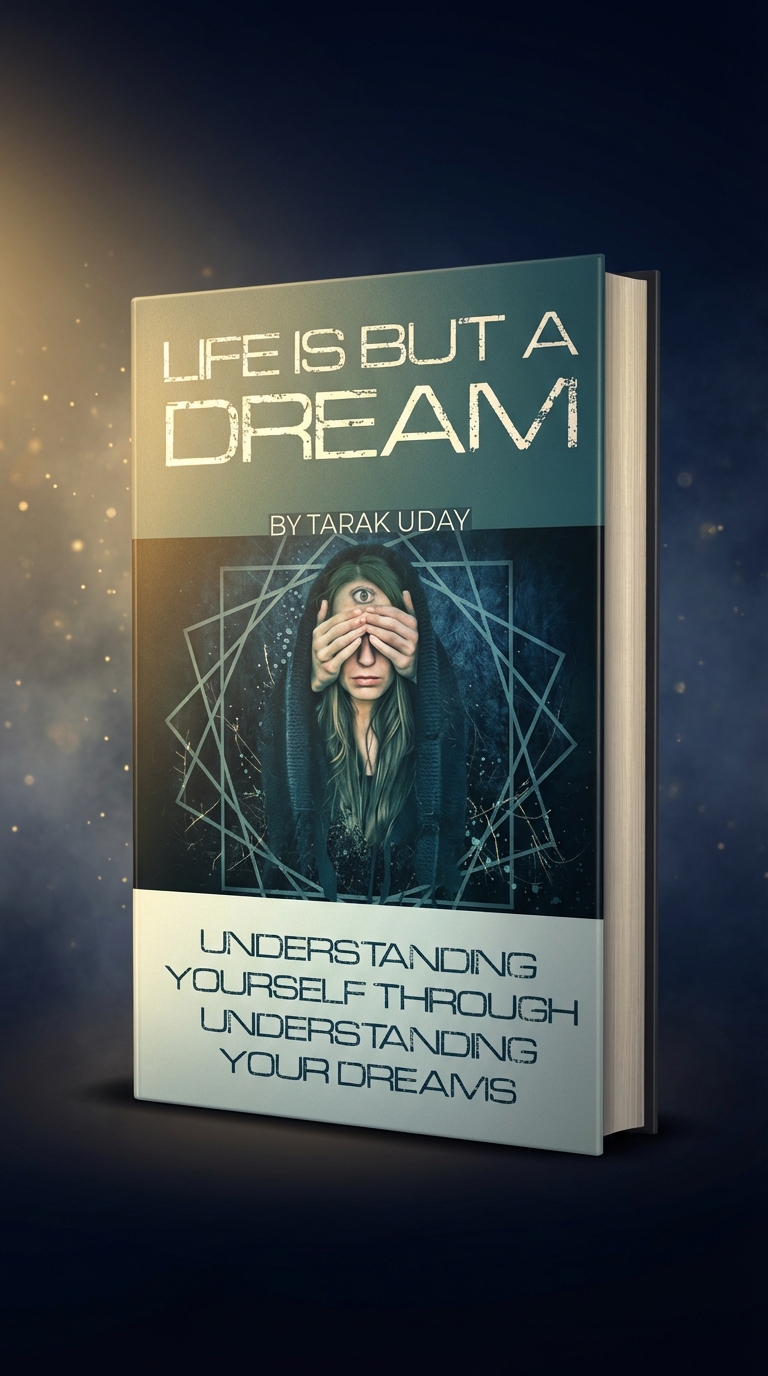
Learn The Language Your Dreams Speak
"Life Is But a Dream" teaches the Universal Language of Mind — how to read any dream symbol by what it is and what it does, so every dream becomes a message you can act on.
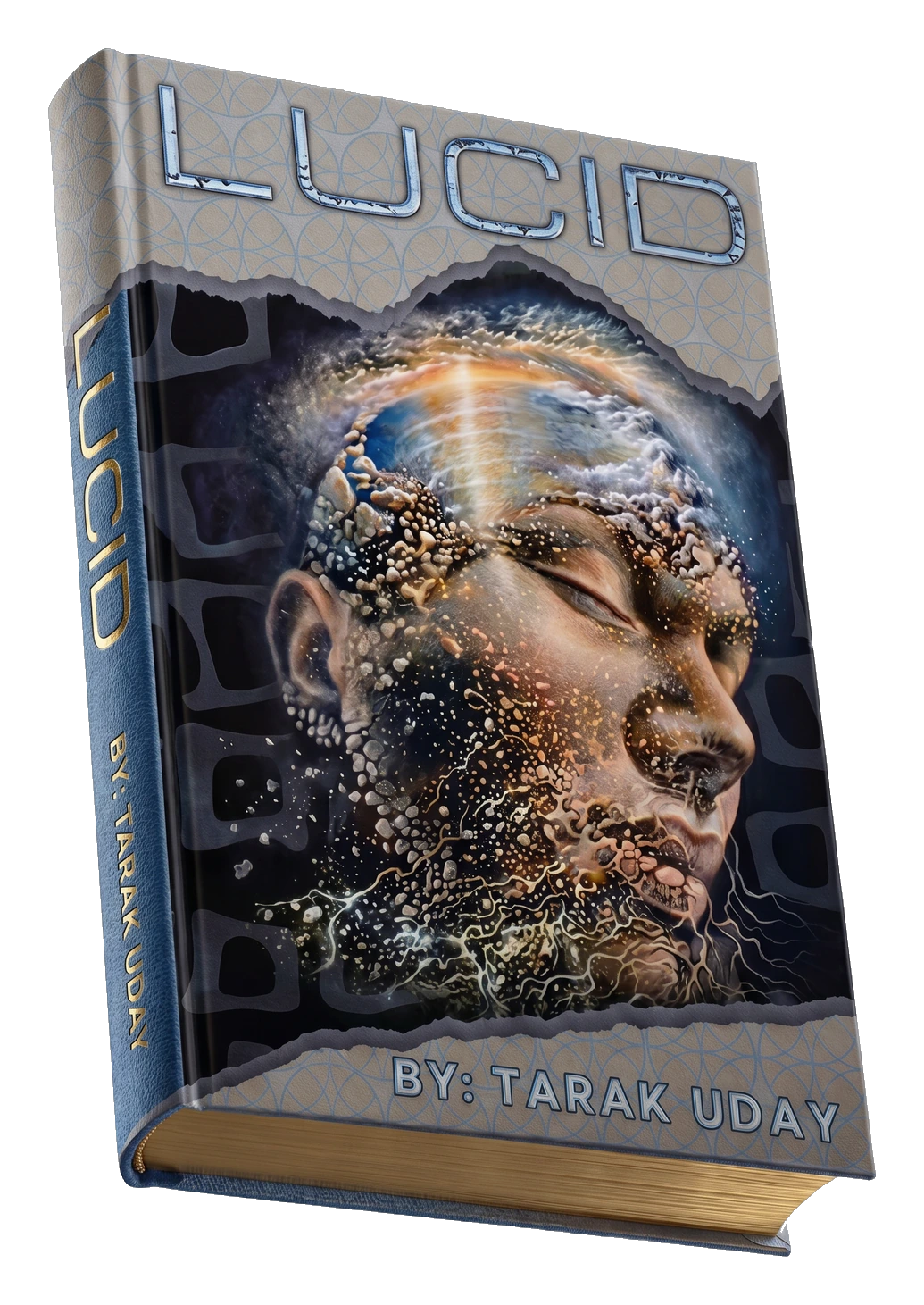
LUCID
You've tried every lucid dreaming technique. Most miss the root cause. LUCID reveals what they all skip.
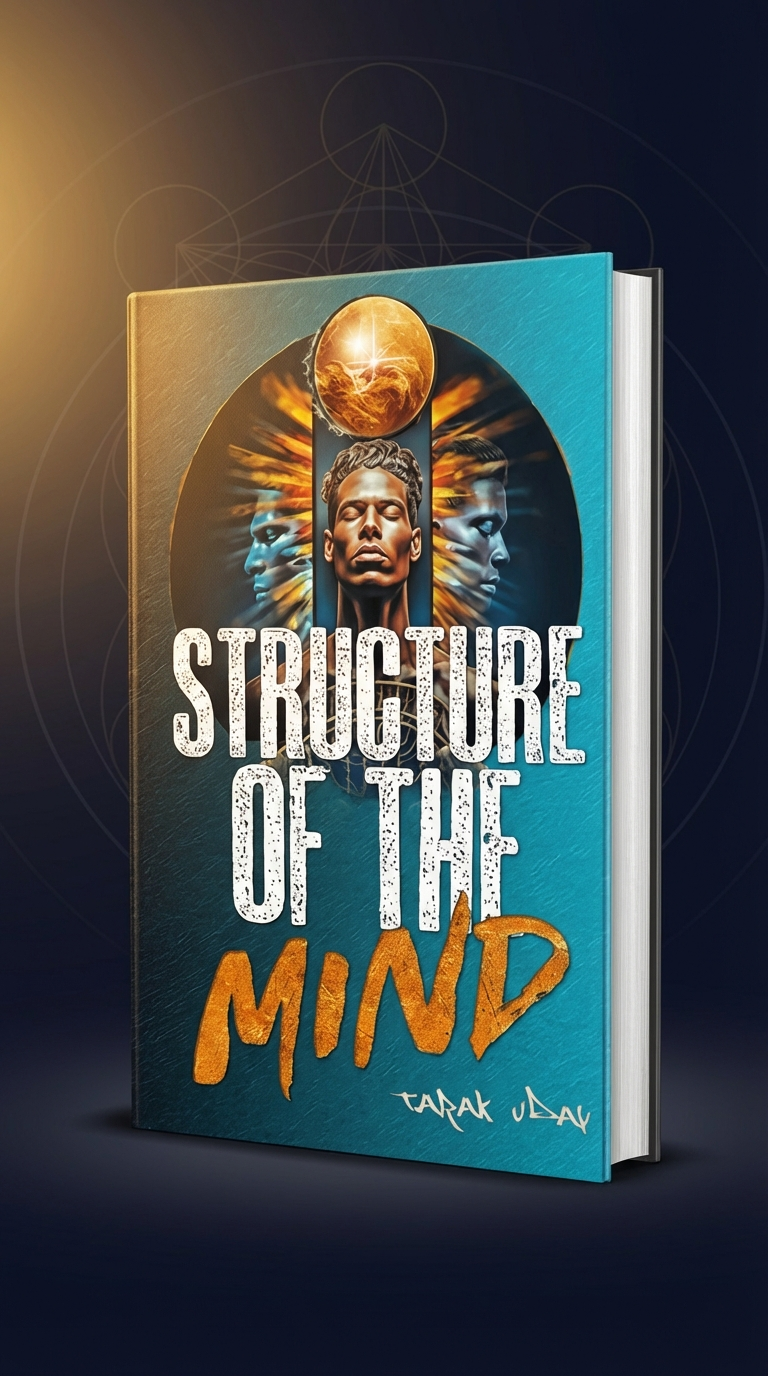
Understand Your Own Mind
"Structure of the Mind" reveals the three divisions of mind, seven levels of consciousness, and powers of mind that most people never learn to develop.