
Robot in Dreams: What Your Subconscious Is Really Telling You
There was a robot in it. Maybe a machine walking around doing a job with nobody operating it, maybe a room full of them all moving in the same way at the same time. Or maybe the robot was you — you watched yourself go through an entire sequence of actions and never once decided to do any of them, and you woke up unsettled in a way that a nightmare would not have managed.
So you went looking for the modern explanation. Anxiety about artificial intelligence, too much screen time, or that thing everyone says about feeling like a robot at work. Those readings all treat the image as borrowed from the news, and they miss what a machine is doing in a dream, which is something your subconscious mind has been able to say this way since long before anyone built one.
The Universal Language of Mind reads a robot as mental programming. The machine is never the subject. What it points at is the portion of your own mind currently executing code you did not choose in the moment and have not reviewed in years.
A robot in a dream represents mental programming — beliefs and behaviours you execute automatically, without conscious thought or choice. A robot does not deliberate. It runs what it was given, exactly as given, every time. So the dream is not a comment on machines or on your job. It is your subconscious mind showing you how much of your life is currently being run by programs you did not write and have never reviewed.
What does a robot mean in the Universal Language of Mind?
Form and function is how every symbol here is read: what a thing is, and what a thing does. And a robot does one thing with total reliability. It executes instructions it did not choose.
That is the whole of it. A robot does not think for itself. It does not question what it has been told. It does not deviate from its code, it does not improve on it, and it does not notice when the code has become wrong for the situation. It simply runs, correctly, forever, whether or not running is the right thing to do.
Tarak Uday teaches this image as the aspects of your mind operating on autopilot — programmed beliefs and behaviours executing without you present at the moment of execution. And the honest observation underneath the symbol is uncomfortable: a great deal of your day is like this. You wake, move through a routine, react to situations, and respond to particular people in ways established years ago by your upbringing, your past experiences and your own repeated thoughts. None of that is being chosen in the moment. It is running.
So when a robot appears with emphasis, your subconscious mind is not warning you about machines. It is pointing at the automation already installed in you.
Why does your subconscious mind picture a habit as a machine?
Because a habit is invisible from the inside, and a machine is the only honest way to show you one.
The problem with automatic behaviour is that it does not feel automatic while it is happening. It feels like you, deciding. The reaction arrives so fast that the gap where a choice would have gone never opens, and afterwards your mind supplies a reason so smoothly that you would swear the reason came first. There is nothing to notice, which is exactly the difficulty.
A program does not feel like a program from the inside. It feels like your personality, which is why your subconscious mind has to show it to you as a machine before you will believe it.
So your subconscious mind takes the behaviour out of you and puts it in a body you can watch from the outside. Seen at that distance the mechanical quality becomes obvious — the same movement, the same response, no hesitation, no adjustment. You recognise it immediately as automatic when it is happening to a machine, and that recognition is the entire purpose of the image.
It also explains the particular unease these dreams produce. A robot dream rarely frightens you the way a nightmare does, but it lingers longer, because what has been shown to you is not a threat. It is a description, and some part of you knows it is accurate.
And it explains the timing. These dreams cluster around periods when your life has changed but your responses have not — a new job, a new relationship, a new city, met with the same reactions the old one trained into you. The programming was appropriate once. What the dream is flagging is that the situation moved and the code did not.
Were you the robot, or were you watching one?
The position tells you how far the programming has spread, and it changes what there is to do about it.
If you were the robot, the programming has reached the level of identity. This is the more serious version and the more useful one, because the dream has put you inside the experience of acting without choosing, and that is a thing you can now remember the feel of. Notice whether you were aware inside the dream. A robot that realises it is a robot is your own awareness beginning to separate from the program, and that separation is the whole of the work.
If you watched a robot, an aspect of you is running automatically while the rest of you observes. That is a healthier arrangement than it sounds, because the observer is present. The question then is what the machine was doing, and whether you tried to stop it.
Many robots, or a production line of them, reports programming that has spread across areas — the same automatic response showing up in your work, your relationships and your habits alike, which usually means one underlying belief is driving all of them.
And a robot with someone else's face is worth reading carefully. Everyone in a dream is some portion of you, so a familiar person moving mechanically reports a program you absorbed from them. That is frequently the most precise information in the dream, because it names where the code came from.
CHITTA reads your dreams in the Universal Language of Mind — the same symbol system used here — so a machine you cannot stop thinking about becomes a specific reading about what is running you. Decode your dream free.
What was the robot doing, and what does that name?
The task the machine performs names the program, and this is where a broad symbol turns into something you can act on this week.
A robot doing repetitive work reports routine that has outlived its purpose — a way of spending your days established for reasons that no longer apply. A robot serving someone reports a program of accommodation, a pattern of automatic yielding you have stopped noticing you perform.
A robot that malfunctions is good news. A machine breaking down, sparking, repeating one movement or freezing reports a program that has started to fail, and programs fail when they meet a situation they were never written for. That is the moment awareness gets in, which is why these dreams often arrive during periods of change rather than during stable ones.
A robot being switched off or dismantled reports a program you are actively ending. If you were the one switching it off, you already know which one, and the dream is confirming the work rather than assigning it.
And a robot pretending to be human, or a person revealed to be a machine, reports a program you have been defending as though it were your personality. That is the hardest version to accept and the most valuable to have named, because you cannot rewrite something you are still calling yourself.
And notice whether anyone was operating it. A robot taking orders from a visible controller reports programming you can still trace to its source, which is the easier case, because the source can be addressed. A robot running with nobody at the controls reports programming that has outlived whoever installed it — the instruction still executing long after the person who gave it stopped being part of your life.
Is a robot the same as a computer or a machine in a dream?
They are close relatives and the differences are worth holding, because your subconscious mind picks between them deliberately.
A computer also represents mental programming, but a computer sits still and processes. It reports on the programming itself — what is installed, what is stored, what has become corrupted. A computer dream tends to be about content: the beliefs and information your mind is running on.
A robot is programming that walks. It reports the same code expressed as behaviour out in the world, which is why the robot appears when the issue is what you keep doing rather than what you keep believing.
A machine more broadly represents the metaphysical mechanics of manifestation — the process by which what goes in becomes what comes out. That is a wider symbol about how your creation works at all.
So the distinction is practical. A computer asks what is installed. A machine asks how your creation is processing. A robot asks who is driving, and answers before you can.
So the symbol your subconscious mind selects tells you where the work is. If robots keep appearing, do not start by interrogating your beliefs. Start by watching what you do, because behaviour is the layer the dream has chosen to put in front of you, and it is also the layer where change is easiest to verify.
How do you rewrite a program you did not write?
Through conscious repetition, because that is the only way anything got installed in the first place.
Start by catching one program in the act. Pick the behaviour the dream pointed at and watch for it for a week, with no attempt to change it. The aim is only to notice it while it is running, and the first time you catch it mid-execution the automation is already broken, because a program observed is no longer entirely automatic.
Then find the instruction underneath it. Every automatic behaviour rests on a belief stated as a rule — about what you must be, what people expect, what happens if you do not. Write the rule down in the plainest words you can. Most of them sound absurd once they are out of your head and on paper, and they have been running your afternoons for twenty years unexamined.
Then write the replacement and repeat it deliberately. New programming installs the same way the old did: through repetition, through visualisation, through disciplined attention held on the thing you have chosen. This is slower than deciding once and far more durable, because you are not fighting the program, you are overwriting it.
Then watch the machines in your dreams. When the robot starts malfunctioning, or you notice inside the dream that you are one, or you switch it off yourself, that is your own mind reporting that awareness has got in behind the code. You were never the machine. You were the one who stopped writing, and you can pick it up again whenever you decide to.

Frequently Asked Questions


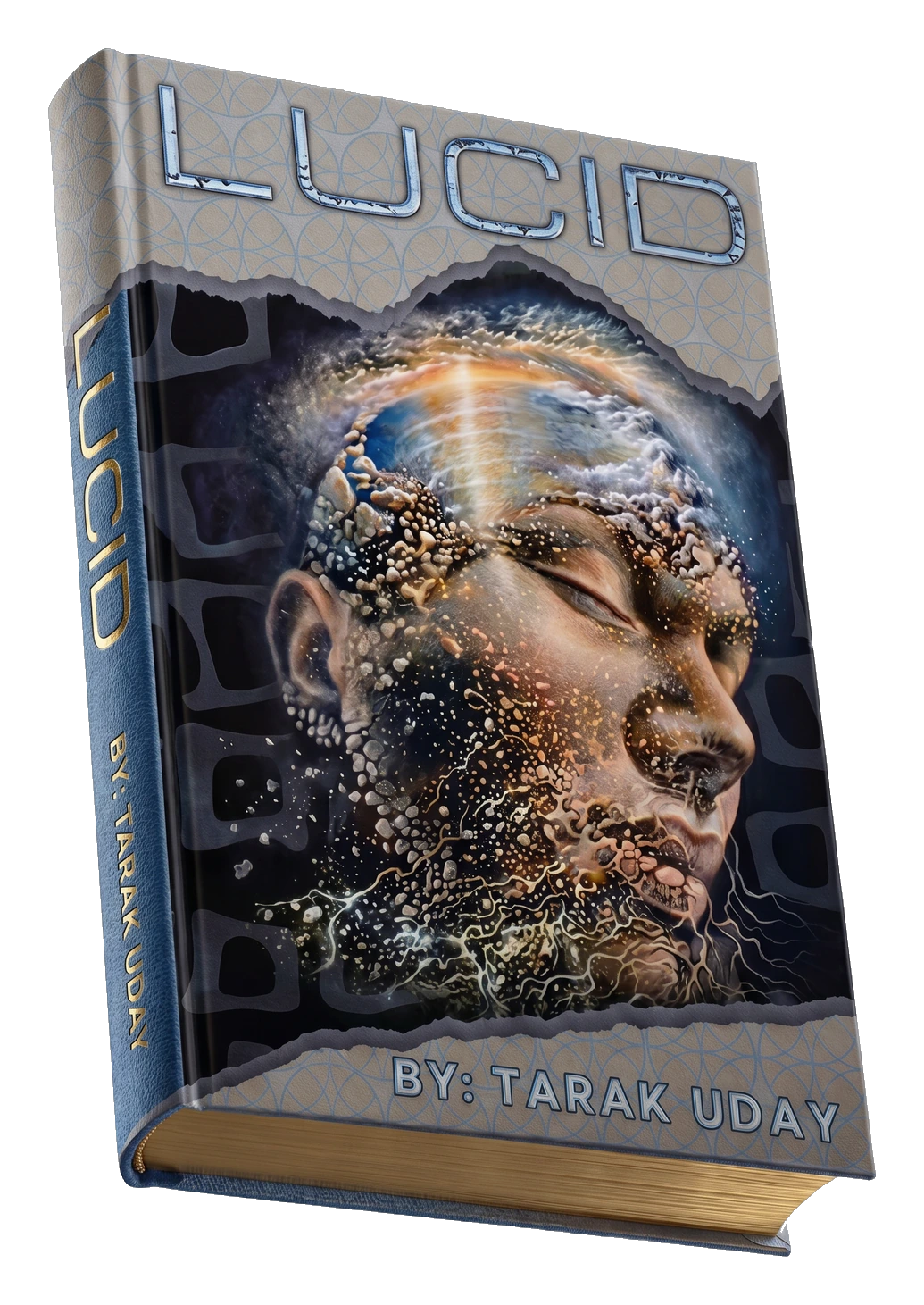
LUCID
You've tried every lucid dreaming technique. Most miss the root cause. LUCID reveals what they all skip.
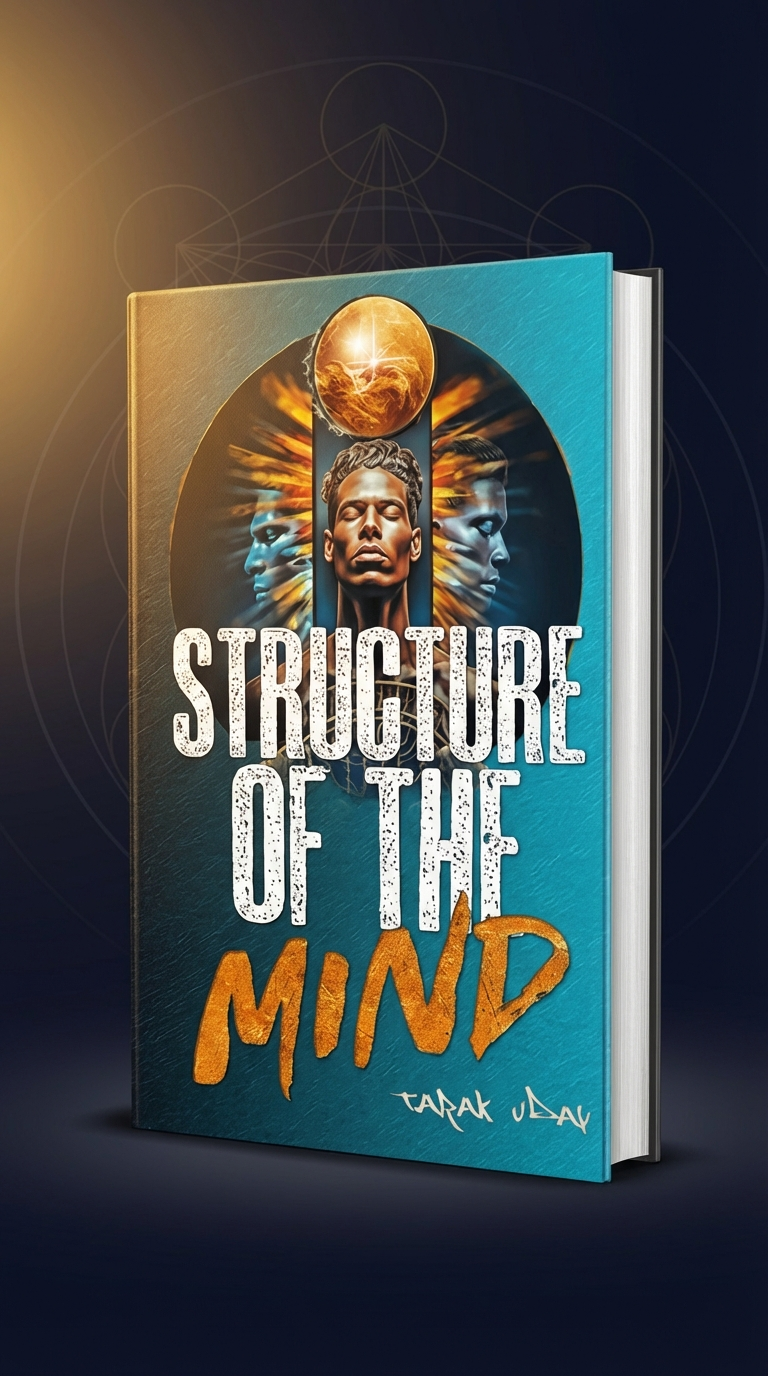
Understand Your Own Mind
"Structure of the Mind" reveals the three divisions of mind, seven levels of consciousness, and powers of mind that most people never learn to develop.