
Temple in Dreams: Visiting the Sacred or Living in It
Walk into an empty library, a small chapel on a weekday afternoon, or a clearing where the trees close overhead, and something happens to your voice before you've decided anything about it. It drops. Nobody posted a sign. The place asked, and some part of you answered.
Notice who answered. It wasn't the part of you that plans your week or argues with the traffic. It was older than that, and it knew the rule without being taught. That same part of you shapes your dreams, and when it sets you down in front of a temple, it's showing you how much of your life is spent at that hushed volume, and how much of it never gets there at all.
Tarak Uday teaches the Universal Language of Mind, the ancient picture language your subconscious mind uses to speak to you every night. In that language, a place is a state of mind. A temple is a very particular one, and once you see which, the dream stops looking like a mystery and starts looking like an honest account of your devotion.
A temple in your dream reflects a spiritual state of mind: devoted, reverent, intentional engagement with your highest purpose and your Real Self. The dream shows either that you are connected to that state or that you need it. The difference that matters is whether you visit the sacred now and then, or live in it on a rhythm.
What do you leave at the door before a temple lets you in?
Every temple on earth asks for something at the threshold. In some it's your shoes. In others it's your hat, your phone, your conversation, the dust of the road. The object changes from culture to culture, but the function doesn't. You set something down so that you arrive lighter than you came.
Look at what a temple is and what it does, because that's how the Universal Language of Mind reads any image. A temple is quieter inside than outside, and that's deliberate. It's oriented, set facing a chosen direction rather than whichever way was handy. Nothing inside it exists for convenience. People return to it on a rhythm, weekly or daily or at dawn, rather than dropping in once and calling it done. It's looked after by attendants whose real work is keeping attention alive in the room. And it's older than anyone standing in it.
Carry each of those into the mind. The threshold is the moment you choose to put down the running commentary of the day. The quiet is a mind that has stopped broadcasting to itself. The orientation is a life pointed at one aim instead of scattered across fifty. The rhythm is return, the willingness to come back again and again. The attendants are your own habits of attention. The age is the reminder that none of this was invented last week.
So when a temple shows up in your dream, the first question isn't which god lives there. It's what you were carrying when you arrived, and whether you were willing to set it down.
Does a temple dream mean you're being called to a religion?
This is the belief most people wake up with. They dreamed of golden roofs or carved stone and incense, and by breakfast they've decided they're meant to convert, join a group, go on a pilgrimage, or seek out a teacher in robes. Others decide it was a past-life memory from ancient Egypt or India, or a message from a deity outside them.
None of that holds up once you understand how dreams are made. Your dream is not a postcard from another century, and it isn't a recruitment letter. It's a picture your own subconscious mind drew for you, out of images you already carry, to describe something happening inside you right now. The temple is the clearest image it has for one specific condition of consciousness, so it uses that image, the same way it would use a road for your direction in life or a car for the way you move your body through the world.
A religious setting isn't even required to carry that condition. A church would say nearly the same thing; the temple adds a flavour of its own, and that flavour is antiquity. Temples have stood across every culture for thousands of years as places people go to meet the deepest truths of existence. So when your dream picks a temple specifically, it's pointing at wisdom that is timeless, at practice that outlasts any single tradition, and at a relationship with your Real Self that nobody outside you can hand you or take away.
There's no deity whispering from beyond. The one who drew the image is you, and the one it's addressed to is also you. That's good news, because it means the invitation can't be withdrawn and doesn't depend on anyone's approval.
The temple in your dream was never somewhere you had to travel. It's a state you enter, and the door is on the inside.
What separates visiting the sacred from living in it?
Most people have had a moment of genuine reverence. A sunrise, a piece of music, a night sky far from any city. For a few minutes the chatter went silent and something larger came into view. Then they got back in the car, and the feeling was gone by the first traffic light.
That's visiting. It's real, and it matters, but it's casual. It happens to you. The temple image describes something different: devoted, reverent, intentional engagement with your highest purpose, chosen deliberately and returned to on a rhythm. A tourist walks through a temple once and takes a photograph. An attendant walks through it every morning before anyone arrives and knows where each lamp stands in the dark.
Your subconscious mind is precise about that difference. It shows you a temple for one of two reasons. Either you've been living in that state, returning to your practice and your purpose until it has become a place you actually inhabit, or you haven't, and something in you is asking for it. The dream reflects your connection to a deeply spiritual state of mind, or your need for one. The details tell you which.
So the useful question after the dream isn't whether you're spiritual. Almost everyone would answer yes. The useful question is how often you go in, and how long you stay once you're there.
Say you spent the whole dream on the steps, watching other people go in. Write down whether you entered or stayed outside, and CHITTA reads which of those two states your mind is living in right now. Interpret your temple dream
What is your temple dream showing you about where you stand?
Position is everything in this symbol, because the temple is about entering. Before you settle on what the dream means, place yourself: outside, at the threshold, or within.
If you walked around and around a temple and couldn't find the door, you want that state of mind and haven't yet found your way into it. The desire is present; the practice isn't.
If someone turned you away at the threshold, look at what you were holding. A guard in your dream is one of your own qualities wearing a face, a part of your mind that knows the terms of entry. Being refused usually means you tried to carry the whole noisy day inside with you. The door didn't reject you. You declined to set something down.
If the temple was so crowded you couldn't hear anything, the crowd is your own thoughts. You go to the sacred place and bring every worry, plan and conversation along, so the quiet the place was designed for never arrives. The place is right; the company you brought is wrong.
If the temple was ancient and swallowed by jungle, with vines through the doorways and trees rising out of the courtyard, the image is about return. A temple stays alive because people keep coming back. This one reflects a devotion you once kept and then stopped visiting. The stones are still standing.
If the temple was empty and a single lamp was still burning, pay attention. No crowd, no ceremony, and yet someone has kept that flame going. That lamp is your own awareness, still lit and still waiting, even through the stretches when you weren't coming in.
And if you walked into a temple you'd never seen and recognised it completely, that isn't a past life. It's recognition of your own interior. You know the place because it's yours, and it has been the whole time.
Where does this state of mind show up in your waking life?
A temple dream is a mirror held up to your days, so check it there. Think about the last week. How many times did your voice drop, inwardly, the way it drops in a quiet library? How many minutes did you spend facing one direction on purpose, rather than being pulled around by every notification? Did you return to anything that matters to you on a rhythm, or did your highest purpose get a visit only when life slowed down enough to allow it?
Most people find that their reverence is real but occasional. They're tourists in their own depths. The dream offers that description without scolding. When your dream shows you standing outside, it's matching a waking life where the sacred is something you think about more than something you enter.
Look also at what you bring through the door. If you sit down to pray, study or be still and immediately start rehearsing the afternoon's meeting, you've walked into the temple with your shoes on. The crowded hall is the same picture. And if you notice that certain hours of your day already feel hushed, that you've been keeping a practice even when it felt small, the empty temple with its lamp is your subconscious mind confirming that the flame is being tended.
So hold the dream up against your calendar. It'll show you plainly whether you are dwelling in that state of mind or only passing by.
How do you keep an appointment with the temple within?
The dictionary entry for this symbol is direct about it: the temple has always been there, and it's waiting for you to go in. You don't need to go looking for it in another country. You need a threshold, a direction and a rhythm.
Choose the threshold first. Pick one small act that marks the crossing, the way shoes come off at a temple door. Closing a particular door. Leaving your phone in another room. Washing your hands and face. The act itself isn't magic; what matters is that you do the same one every time, so your mind learns that on the far side of it, the street noise stays behind.
Then choose the direction. Before you sit, name what you're facing. Your Real Self. A question you've been carrying. A temple faces somewhere on purpose, and a few minutes without a direction drift into daydreaming.
Then choose the rhythm, which is the part most people skip. Five minutes, at the same hour, in the same seat. An outer temple lasts because people keep returning, and your inner one lasts for the same reason. Breathwork, stillness and the study of ancient wisdom are the ways people have always gone in; the practice itself belongs to its own lesson, and here all you need is the appointment.
Keep a dream journal beside it. Temple dreams tend to change once the appointment is real. The hidden door turns up. The crowd thins. The lamp you found burning alone is joined by others. Record those shifts, because they're how your subconscious mind shows you that the metaphysical mechanics are working and the state you once only visited is becoming the place you live.
And the appointment is already under way. You've closed the door of the spare room behind you, your phone is face down on the kitchen counter, and your shoes are in the hall. You're sitting on the same cushion by the window, facing the light. Your voice has dropped though nobody else is here, and for these five minutes the whole day waits outside the door while you stay in.

Frequently Asked Questions




LUCID
You've tried every lucid dreaming technique. Most miss the root cause. LUCID reveals what they all skip.
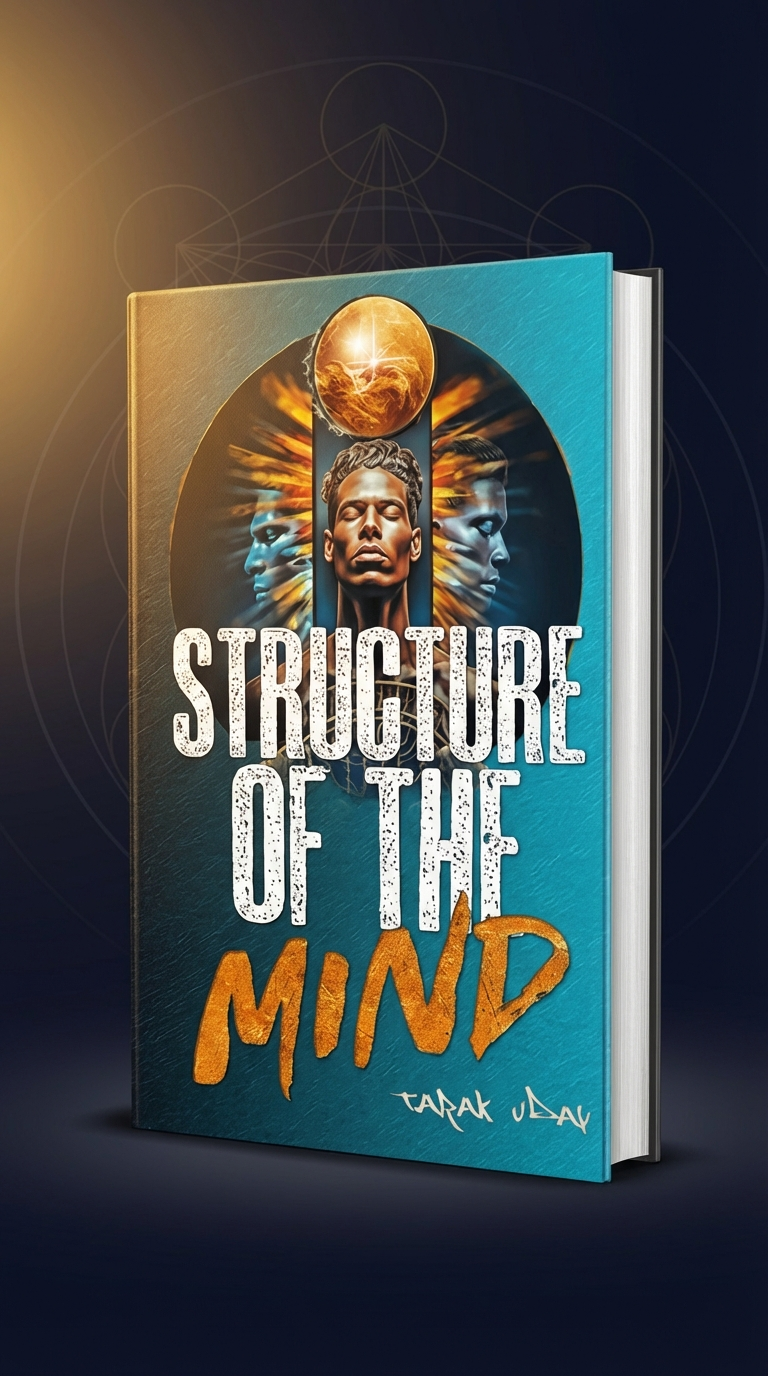
Understand Your Own Mind
"Structure of the Mind" reveals the three divisions of mind, seven levels of consciousness, and powers of mind that most people never learn to develop.