
War in Dreams: What Your Subconscious Is Really Telling You
There was a war on. Not an argument and not a fight — a war. Sirens, or a sky that was wrong, or a city you half recognised with its buildings opened up. Soldiers moving somewhere with purpose. Perhaps a blast on the horizon that you watched instead of running from. You woke with your heart going and the feeling that it had been happening for a long time before the dream started.
So you looked outward for the cause. The news before bed. Something ancestral. A premonition about the state of the world. Every one of those readings sends you looking for the war outside your window, and that is the one place it is guaranteed not to be.
In the Universal Language of Mind war represents inner conflict on a massive scale. Not prophecy. Not politics. A conflict inside you that has stopped being a disagreement and become a campaign.
War in a dream represents inner conflict at its largest scale. Everyone who appears in a dream is a part of you, so a war is many parts of you at odds with one another, sustained over time, doing damage across your whole inner landscape. The dream is not forecasting world events. It is reporting that a division inside you has been running long enough to cost you something in every area of your life.
What does war mean in the Universal Language of Mind?
Read this symbol the way the language reads every symbol: by what a war is and what a war does. And what a war does is different in kind, not merely in size, from any other conflict.
A war involves many parties rather than two. It is sustained across time rather than settled in a moment. It has sides that have organised themselves, committed resources and dug in. And it produces widespread destruction — not damage at the point of contact, but damage across everything in range, including things nobody was fighting over.
Tarak Uday teaches that each figure in a dream is a portion of the dreamer. Run that through the definition above and the reading assembles itself. Many aspects of you, organised into opposing camps, committed for the long term, and destroying capacity across areas of your life that have nothing to do with the original disagreement.
So a war dream is a report on scale. Something in you has divided, the division has been allowed to stand, and it has now been standing long enough to have a front line.
How is a war different from a fight in a dream?
Both represent inner conflict, and the difference between them is the entire diagnostic value of the symbol.
A fight is two aspects of you at odds over one thing. It is contained, it is usually recent, and it is generally about a specific decision — the part of you that wants to leave against the part that wants to stay. Fights are loud and they resolve, and a dream of one is a manageable piece of information.
A war is what a fight becomes when nobody resolves it. The two aspects recruit. Positions harden into identity, other parts of you are drafted onto one side or the other, and what began as a question about one decision becomes a standing condition of your mind. That is why the dream feels like it started before you arrived in it. It had.
So the escalation itself is the message. If you have dreamt of arguing or fighting in recent months and are now dreaming of war, your subconscious mind is not repeating itself. It is reporting that an unresolved conflict has grown, and it has chosen the one image in the language that carries duration and scale together.
A fight asks which side you are on. A war has already conscripted the rest of you, and it is spending your energy whether or not you are paying attention to it.
And the difference matters practically, because the two states need different work. A fight needs a decision. A war needs a negotiated peace, and those are not the same job.
There is one more distinction worth holding. A fight can be productive, since two aspects arguing openly is how a decision gets made. A war never is. Once the division has organised itself into sides, the conflict stops being about resolving anything and starts being about not losing, and that is the point at which it begins consuming more than it could ever settle.
What were the sides, and what were they fighting over?
This is the reading, and the dream almost always supplies the answer somewhere in its detail.
Look first at who was fighting whom. If one side was recognisably yours and the other was foreign, the conflict is between the part of you that you identify with and a part you have disowned. If both sides looked like your own people, the war is between two things you value equally, which is why it has not resolved — neither side can be surrendered without real loss.
Look next at what was being defended. Territory in a dream is not land. It reports an area of your life that has been claimed — a role, a self-image, a way of being that one part of you will not give up. A city under attack reports your organised life itself under strain, since a city is many aspects living under one system.
Notice where you were standing. Fighting in it means you are actively engaged in the conflict and know it. Watching from a distance means the war is running below your awareness while you observe the cost. Hiding reports avoidance, and a dream in which you are a civilian rather than a combatant reports a part of you being damaged by a conflict it did not choose.
And notice whether anything was still functioning. A war dream that includes something intact — a house standing, a person unharmed, a light on — is telling you what the conflict has not reached yet, and that is generally where you should start.
CHITTA reads your dreams in the Universal Language of Mind — the same symbol system used here — so a war you woke up shaking from becomes a specific reading about the division that is actually costing you. Decode your dream free.
What do the soldiers, weapons and bombs represent?
Each element carries its own reading, and together they tell you how the conflict is being fought.
A soldier represents an aspect of yourself that understands discipline. A soldier follows orders, holds composure under pressure, executes precisely and persists without complaint. So soldiers in a war dream report your disciplined capacities being spent on the conflict — and that is the real cost of an inner war, because those are the same capacities you would otherwise be spending on what you actually want.
An army carries this further into self-discipline as an organised whole. A large force reports a great deal of your disciplined energy committed to one side of a division inside you.
A weapon represents a mental tool for change and transformation. Anything made to alter or destroy through force reports your capacity to direct concentrated force at a target. So weapons turned inward in a war dream report your own power to change being used against parts of yourself rather than on your circumstances.
And a bomb or a blast reports change delivered all at once, indiscriminately, across a wide area. That image arrives when a conflict has reached the point of doing damage well beyond whatever it was originally about — which is the precise definition of the destruction the symbol warns of.
And a war that is already over reads differently again. Ruins, empty streets, a landscape after the fighting rather than during it — these report a conflict that has stopped without being resolved, which is not the same as peace. Something in you gave up rather than agreed, and what you are being shown is the cost that remains once the noise ends. That dream asks for rebuilding, not for a ceasefire.
Why does a war dream leave you so exhausted?
Because it is reporting an expenditure that is genuinely happening, and it has been happening while you sleep and while you work.
An unresolved inner division does not sit quietly. Holding two opposed positions inside one mind takes continuous energy — energy spent on managing the contradiction, justifying both sides, and keeping the whole arrangement out of direct view. None of that produces anything. It is entirely consumed by the maintenance of the conflict itself.
So the tiredness after a war dream is not the dream's doing. The dream simply made visible a cost you were already paying, and the exhaustion you woke with is a fair reading of your energy budget rather than an effect of a bad night.
This is also why these dreams tend to arrive alongside a flatness in waking life that has no obvious cause. Nothing is going wrong that you can name. You are just running at a fraction of your capacity, and the rest is deployed.
And it explains why sleep itself stops restoring you during these periods. Rest requires that the mind stop defending something, and a mind at war does not stop when the body does. So the dream is not the cause of the tiredness, and neither is a poor night. The war is, and it will keep taking the same amount until the division that started it is settled.
How does an inner war actually end?
The same way any war ends, which is not with one side winning.
Start by naming both sides in writing, and give each one its best argument. Not the argument you agree with — the strongest case each part of you can make. A war persists because both sides are defending something real, and any resolution that treats one as simply wrong will not hold, because the aspect it belongs to is still in you and still committed.
Then find what they are both trying to protect. Underneath almost every long-running inner division is one thing both sides want and disagree about how to secure. Safety, usually, or worth, or freedom. Once you can state that single object, the conflict stops looking like a war and starts looking like a strategy disagreement, which is a far more tractable thing.
Then declare the purpose. A war ends when a single vision is stated clearly enough that both sides can serve it — not a compromise, but something above the fight that outranks it. That declaration is your work, and nobody inside you can make it for you.
Then watch what your dreams do with the front line. When the fighting moves further away, when the city stops burning, when a soldier turns up doing something other than fighting, that is your own mind reporting that the energy has been recalled. The war was never about the world. It was about the fact that every part of you was still waiting to be told what you had actually decided.

Frequently Asked Questions



LUCID
You've tried every lucid dreaming technique. Most miss the root cause. LUCID reveals what they all skip.
Understand Your Own Mind
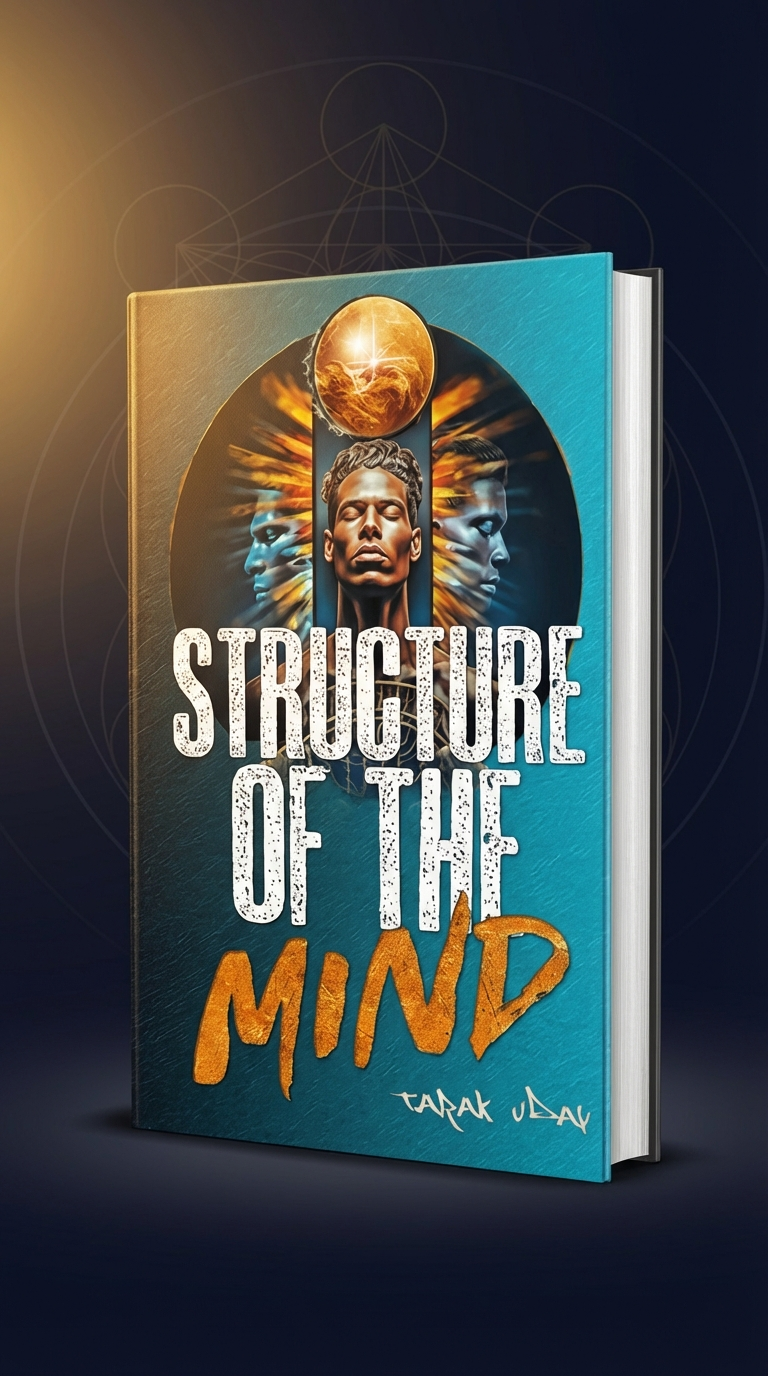
"Structure of the Mind" reveals the three divisions of mind, seven levels of consciousness, and powers of mind that most people never learn to develop.