
What Does It Mean When You Dream About Falling?
It's not failure. It's not death. It's your consciousness moving — and once you see the mechanics, the jolt stops scaring you.
So you keep dreaming about falling and you want to know what it means. Maybe you're stepping off a ledge, maybe the floor just vanishes, maybe you're plummeting through open sky — and then you jolt awake with your heart pounding. This is one of the most universally experienced dreams there is, and almost nobody understands what's actually happening.
Let's get the wrong answer out of the way first, because you've probably already heard it.
Why isn't falling a dream about failure or losing control?
So you've been told that falling means you feel out of control. That your life is collapsing. That something bad is coming. Think about that for a second. You had a vivid, full-body experience inside your own mind — you actually felt yourself fall through space — and the best explanation anyone could offer you was a vague metaphor about "feeling out of control"?
That doesn't even begin to touch what's happening. Falling is not a symbol at all in the way teeth or water are symbols. It's something more direct. It's the actual experience of your consciousness in motion.
According to Tarak Uday's Universal Language of Mind, when you're deeply asleep your consciousness is operating within the inner levels of the subconscious mind — the emotional, the lower astral, the upper astral, the mental levels. You're not "in your body" in the way you are right now. You're operating inward. And when something triggers a shift back toward waking — a noise, a change in your sleep cycle, a spike in conscious-mind activity — your awareness has to travel back out through those levels toward the physical. That descent, from a higher vibrational level to a lower one, is experienced as falling.
What is actually happening when you fall in a dream?
Here's the mechanism. Picture the mind as having levels, like floors in a building, with the physical waking level at the bottom and the deeper inner levels stacked above it. When you sleep deeply, you ascend inward. When you wake, you descend back out.
Falling is that descent made conscious enough to feel. You're literally moving from a higher level to a lower one, and your awareness registers that drop in vibration as the sensation of plummeting. There's no actual height. There's no ground. There's only the movement of consciousness through the structure of your own mind.
And this is why falling dreams so often jolt you awake. The fall ends the exact moment your consciousness re-enters the physical body and the physical level of mind. That jolt — that violent snap that yanks you upright — is the reconnection. It's your awareness reattaching to the body after operating outside of it. It isn't fear. It isn't impact. It's the mechanics of coming back.
Stop guessing what your dreams mean
CHITTA decodes your falling dreams through the Universal Language of Mind — the same form-and-function framework you just read — so you understand the mechanics, not a horoscope.
Decode Your Dream Now →Why do you wake up the instant before you hit the ground?
You've noticed it. You fall, you fall, you fall — and you always wake before you land. People love to repeat that old line about how "you die if you hit the ground." That's not it.
You wake before impact because there is no impact to reach. The falling is the journey of your consciousness back toward the physical. The moment that journey completes — the moment your awareness fully re-enters the body — there's nowhere left to fall. The waking IS the landing. You don't hit the ground because the ground was never the destination. The body was.
Pay attention to the quality of the fall, because it tells you something useful. A slow, gentle descent reflects a gradual, controlled return to conscious awareness. A rapid, terrifying fall suggests an abrupt, uncontrolled shift back to the physical — usually caused by an external disruption or a sudden spike in conscious-mind activity while you were still deep inside. Were you falling from a great height, or just a short drop? Great height means you were operating in the deeper inner levels. A short fall means you were already close to the surface.
Where in your waking life is this same descent showing up?
So here's where it turns into a mirror. The Universal Language of Mind teaches that the way you move between levels of mind in sleep reflects the way you move through your own awareness while awake.
If your falls are abrupt and terrifying, ask yourself: are you the kind of person whose conscious mind is always firing — racing thoughts, constant stimulation, no stillness? That same restlessness is what yanks you out of the inner levels so violently at night. The jolt at 3am and the inability to sit quietly at 3pm are the same pattern, showing up on two different stages. You're not being haunted. You're being shown your own relationship with your attention.
And that's the part you can actually do something about.
How do you turn the fall into flight?
This is the real teaching, and it's the part the internet dream dictionaries will never tell you, because they think falling is a problem to be reassured about. It isn't a problem. It's an ability waiting to be developed.
As your concentration strengthens, your power to move between levels of mind with awareness and intention grows. The descent that used to jolt you awake becomes something you can navigate consciously. The fall becomes a flight. You stop being thrown back into your body against your will and start moving through the levels on purpose — which, by the way, is the doorway to lucid dreaming.
The practice is simple to name and worth a lifetime to master: build your concentration. Sit with your attention on a single point and hold it. Every minute you can keep your awareness steady while awake is a minute of control you carry into sleep. Tarak Uday's Universal Language of Mind frames it plainly — the more you develop your concentration, the more your involuntary fall becomes a deliberate descent. Eventually you learn to ride consciousness between levels the way a diver moves through water: smoothly, awake, and entirely on purpose.
So the next time you fall, don't brace for the crash. Notice what's actually happening. You're not failing. You're not in danger. You're moving — and you're closer than you think to learning how to steer.

Frequently Asked Questions




LUCID
You've tried every lucid dreaming technique. Most miss the root cause. LUCID reveals what they all skip.
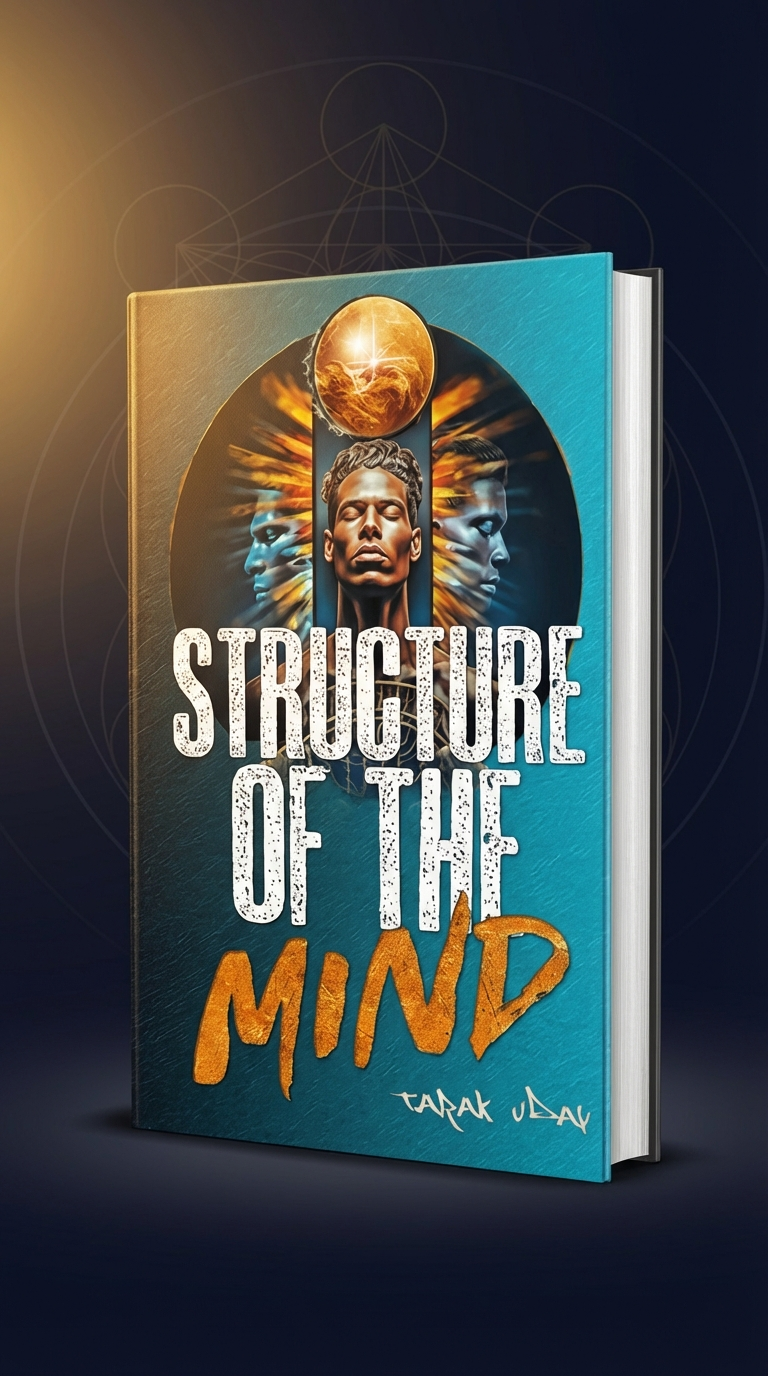
Understand Your Own Mind
"Structure of the Mind" reveals the three divisions of mind, seven levels of consciousness, and powers of mind that most people never learn to develop.