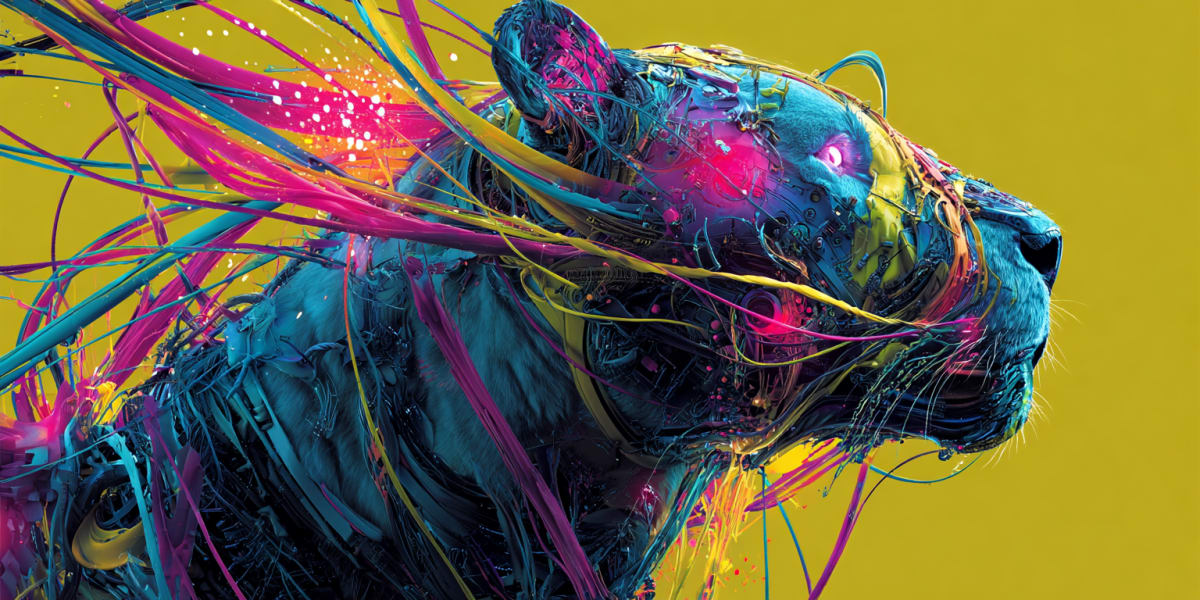
Wolf Dream Meaning: The Thought That's Hunting You
So a wolf showed up in your dream and you woke up rattled. It's not a threat — it's a thought you stopped choosing.
So you're standing at the edge of a treeline in your dream and there it is — a wolf, watching you. Maybe it's circling. Maybe it's running you down through the dark. Maybe there's a whole pack of them. And you wake up with your heart going and you want to know what it means.
Here's the answer, straight. In the Universal Language of Mind, a wolf isn't a threat, an omen, or your "shadow self." A wolf is a habitual thought pattern — a wild, instinctive way of thinking you never consciously chose, that's gotten so ingrained it now hunts on its own. The dream is showing you a thought that's running you instead of the other way around.
So what does a wolf actually mean in a dream?
look, this is one of the most misread symbols there is. you Google it and you're told a wolf means danger, betrayal, a hidden enemy, or some "lone wolf" personality reading. think about that for a second. You had a vivid experience inside your own mind and the best anyone offered was that something bad is coming? that doesn't even begin to touch what's actually happening.
here's what's actually going on at the level of mind. According to the Universal Language of Mind that Tarak Uday teaches and the Dream Symbol Dictionary, animals represent your habitual thoughts — thoughts you didn't consciously decide to think, that became so repeated they hardened into habits. Things like "I'm not safe," "everyone's going to leave," "I have to fight for everything." The kind of animal tells you the nature of the thought. A dog is a tamer, loyal mental habit. A wolf is the wild version of that — the same loyalty and instinct, but undomesticated, survival-driven, off the leash. That's why a wolf shows up: a thought has gone feral on you.
Why your mind shows a habitual thought as a wolf
so once you see the mechanism, every wolf dream gets readable. Look at what a wolf actually is and the metaphysical mechanics fall right out. A wolf is wild — that's a thought you never tamed, never questioned, just let run. A wolf is instinctive — it fires automatically, the way a fear-thought fires before you've even decided to be afraid. A wolf hunts — the thought pursues you, comes back around, tracks you down even when you try to outrun it. And a wolf travels in a pack — one fear-thought is almost never alone; it runs with the others that reinforce it.
this is the same family as a bear, which is a strong, heavy mental habit you feel you can't move. The wolf is faster, sharper, more relentless — the anxious, predatory loop that chases you at 3am. The dream isn't warning you about the world. It's showing you the thought, in a form you can finally see, precisely so you can decide whether to keep feeding it or finally tame it.
Your dreams are already speaking this language
CHITTA decodes recurring symbols like a wolf in the Universal Language of Mind — so a dream you'd normally shake off becomes a clear read on the exact thought pattern that's been running you.
Decode Your Dream Now →Common wolf dreams and what each one is telling you
so let's get specific, because the exact scene changes the read. Same symbol, different message depending on what the wolf is doing.
Being chased by a wolf — you're running from a thought pattern instead of facing it; this is the same mechanism as being chased, where you're fleeing an aspect of yourself. A lone wolf watching you — a single dominant thought has your attention; it's not attacking yet, it's waiting, which means you still have the chance to turn and look at it. A pack of wolves — a cluster of reinforcing thoughts that travel together, a whole belief system feeding itself, surrounding you.
A wolf attacking or biting you — a habitual thought is actively wounding you, taking a piece out of your peace; it's gone past background noise into real damage. A black wolf — a thought operating below your awareness, in the dark, one you haven't consciously named yet. A white wolf — a habitual thought closer to the light of awareness, one you're beginning to see clearly. And taming, walking with, or becoming the wolf — that's the goal: you've stopped running from the instinctive thought and started directing it; the wild energy is now yours to use instead of yours to flee.

Bindu says: "The wolf isn't chasing you to hurt you. It's chasing you because it's a thought you keep running from — and it will keep running until you turn around and meet it."
So what is your wolf dream pointing to in your waking life?
here's where it stops being theory. A wolf dream almost always shows up while some instinctive thought has the wheel — a fear, a defensiveness, a survival reflex that's been thinking for you. The dream is asking a simple question: which thought have you let go wild, and is it serving you or hunting you?
Tarak Uday takes this further in Life Is But a Dream, his guide to reading every dream in the Universal Language of Mind.
so ask yourself plainly. what thought have you been thinking on automatic lately — the one that fires before you decide anything, the "I have to protect myself," the "they can't be trusted," the "I'll handle it alone"? that's your wolf. I've decoded thousands of these and the pattern holds every time: the animal in the dream is the habit in the mind. The wolf showed up because that thought stopped being a choice and became an instinct — and your deeper mind wants you to choose again.
What to do when you keep dreaming about wolves
don't let it evaporate by morning. Write the dream down the second you wake, and note exactly what the wolf was doing — watching, chasing, attacking, running with a pack, walking beside you. That detail is the whole message. Then ask the one question that matters: what thought have I been thinking on instinct that I never actually chose?
and if the wolf keeps coming back, take that seriously. In Lucid, Tarak teaches that the symbols which repeat are the ones your deeper mind is most insistent you understand. A recurring wolf is a habitual thought that hasn't been faced yet — so it keeps hunting. Sit down, name the thought, and choose a new one in its place. That's how you tame the wolf. That's how the dream stops.
Turn the wolf into a thought you can actually direct
CHITTA reads your dreams in the Universal Language of Mind, so a symbol like a wolf becomes a tool for self-mastery instead of a nightmare you keep waking from.
Start Decoding with CHITTA →Tarak Uday teaches the Universal Language of Mind and is the author of Life is But a Dream and Lucid, where he maps how the three divisions of mind — conscious, subconscious, and superconscious — speak to you every night. GO WITHIN - OR GO WITHOUT.

Frequently Asked Questions


Books by Tarak Uday

Learn The Language Your Dreams Speak
"Life Is But a Dream" teaches the Universal Language of Mind — how to read any dream symbol by what it is and what it does, so every dream becomes a message you can act on.
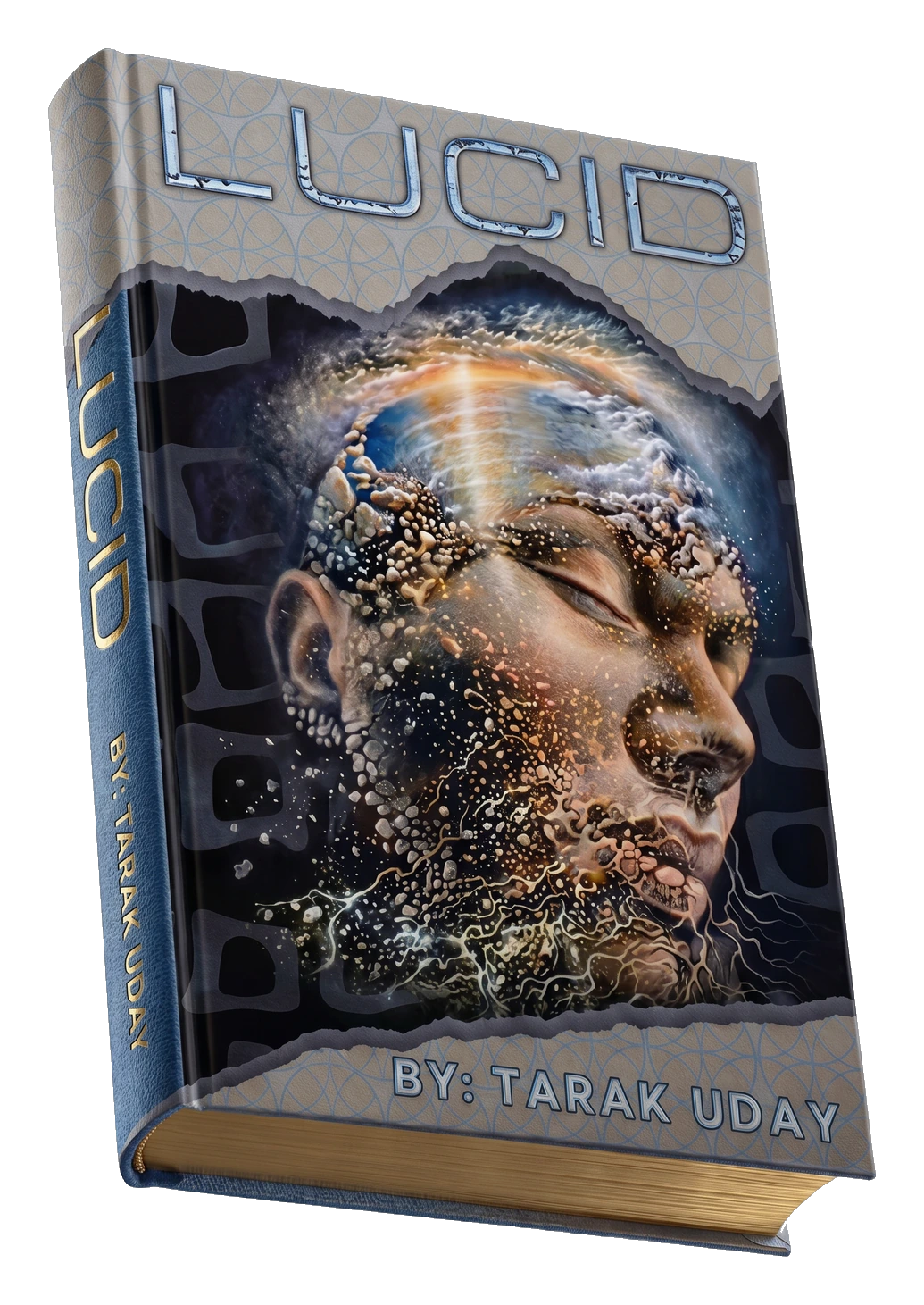
LUCID
You've tried every lucid dreaming technique. Most miss the root cause. LUCID reveals what they all skip.
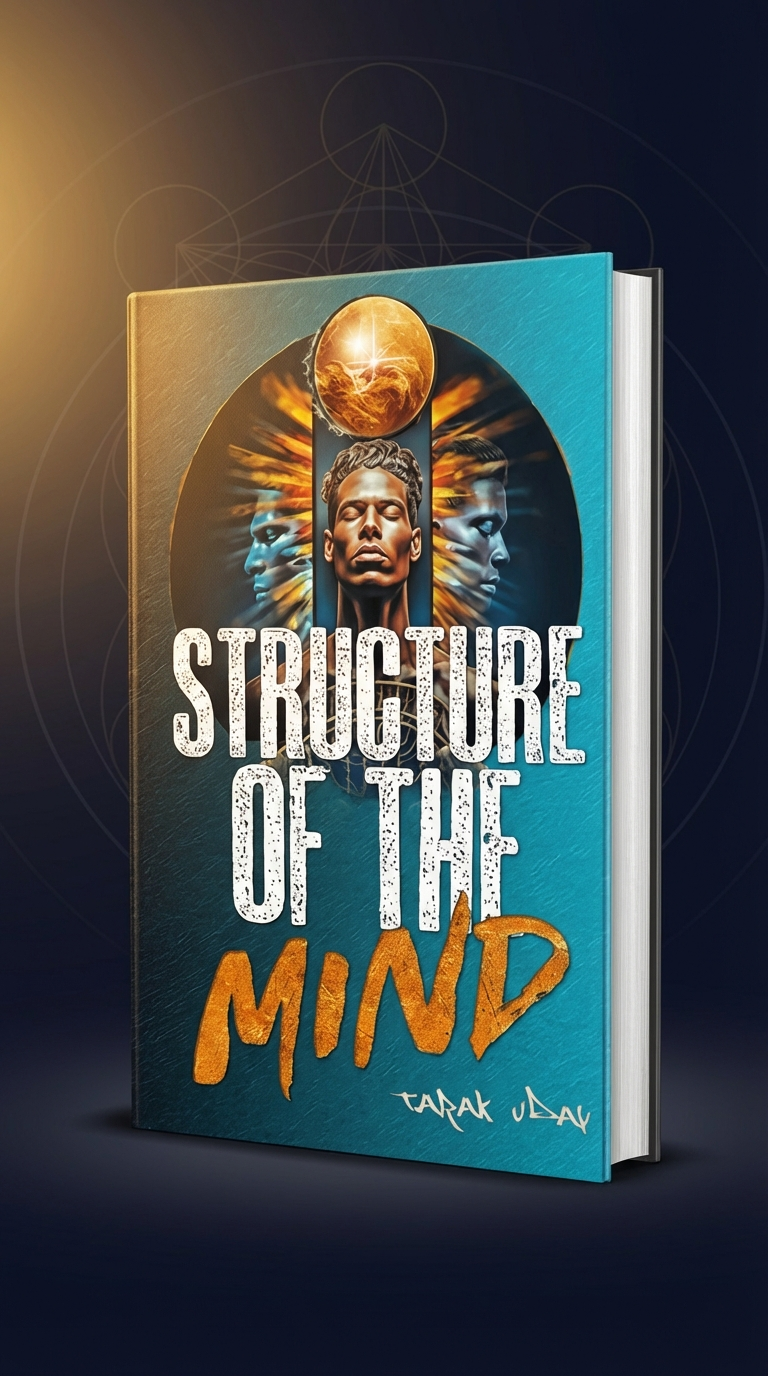
Understand Your Own Mind
"Structure of the Mind" reveals the three divisions of mind, seven levels of consciousness, and powers of mind that most people never learn to develop.