Zombies in Dreams: The Old Self You Buried Is Walking Again
There is a version of you that you retired. You know which one. Maybe it was the temper that used to go off before the other person had finished their sentence. Maybe it was the putting-off that ate whole afternoons, or the three days of silence you used to serve somebody after they criticised you, or the second drink you stopped pouring. Ending it cost you something real, and you remember what it cost.
Then last week it stood up. You heard your own voice doing the old thing, in the old cadence, with the old justification already loaded behind it. What unsettles you afterwards isn't the slip. It's the recognition. Part of you watched from about two feet to the left and said: that's finished. I finished that. Why is it upright? Why is it moving? Something that should be lying still is walking around the house, and it's using your hands and your mouth to do it.
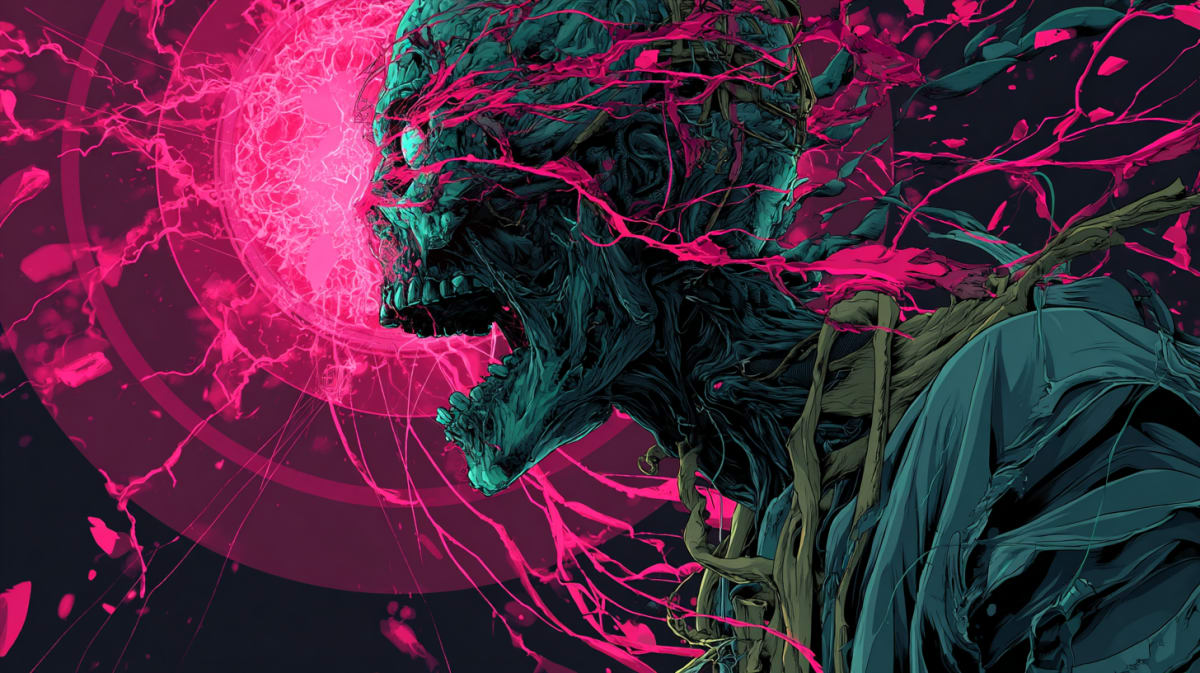
Hold that picture, because your subconscious mind is already holding it. In the dream you keep half-remembering — the figure that wouldn't stay down, the shape coming across the parking lot at a slow and patient pace — your own mind drew that exact sentence as an image and handed it back to you. A body that died, walking anyway. Zombies.
In the Universal Language of Mind, a zombie is an old quality of yours — one you genuinely changed, one that was dead and gone — that is walking again because you have started feeding it energy. It isn't a warning about the world ending and it isn't a diagnosis of exhaustion. It's a finished way of being, standing upright on power you are currently supplying.
Why does the dream cast a dead person walking instead of a stranger you have never met?
Dreams cast with precision. Every person who appears in one is an aspect of you — a quality, a habit of response, one of the CHARACTER-istics inside your PERSON-ality. Your subconscious has the entire population of your inner life to choose from, and it never picks at random. If it wanted to show you something in you that you haven't met yet, it would have sent a stranger. If it wanted to show you something you've made grotesque by refusing to look at it, a monster was available. It sent neither.
It sent a corpse that moves. That casting choice carries two pieces of information stacked on top of each other, and you need both. Death in a dream is not a prophecy and not a threat. Death means change — a transformation that already happened inside the mind of the dreamer. So a dead character is a quality of yours that genuinely ended. You changed it. Past tense, completed, and the dream is agreeing with you about that.
The second piece is the walking. The transformation happened and the thing is in motion anyway. That's not a contradiction, it's a precise report. Something with no remaining life of its own is moving, which means the motion is coming from somewhere outside it. So the question your dream is actually putting to you isn't what is wrong with me. It's narrower than that, and far more useful: what have you brought back?
What does a zombie actually do, and what will it never do?
Read the thing by what it is and by what it does, and the meaning stops being a guess. A zombie is a body that is already dead and still in motion. It has no new intention of its own. It doesn't plan, it doesn't improvise, and it doesn't want anything it didn't want before it died — it repeats the one motion it knew. It doesn't grow. It doesn't learn. Nothing you say to it lands, because there is nothing behind the eyes to receive it.
Now hold that against a quality that has come back, and watch how exactly the picture fits. The old temper has no new arguments; it has the same three. The old procrastination doesn't invent a fresh excuse; it reaches for the one it always used. The pattern that showed up last week showed up unimproved, untouched by every year since you ended it, saying the same line in the same tone. That's what makes a reversion so humiliating. You didn't return to it as the person you are now. It returned as the person you were then.
Two more facts finish the mechanism. A zombie is recognisably somebody you knew, which is the entire source of the horror — nobody is frightened of a body, people are frightened because they know the face. And it runs on energy taken from the living, because it has no supply of its own. Cut that supply and it goes back to being what it already is, which is over. That last fact isn't decoration. It's the mechanism itself, and the metaphysical mechanics run on it: a dead quality only walks while something living keeps feeding it.
A zombie has no power of its own. Whatever is walking in that dream is walking on energy you are currently paying for.
Does a zombie dream mean you are burned out and going through the motions?
That's the reading you'll find everywhere, and it's the one that keeps people stuck. Zombies, the popular version says, mean you feel dead inside. You're exhausted. You're on autopilot at work. You're surrounded by hollow people repeating scripts, or you're quietly anxious about the collapse of everything. Every one of those does the same damage: it turns the dream into a mood report, and a mood report can't be acted on. You can only sit inside it and agree with it.
So test it against the image. Exhaustion wouldn't need a corpse; it has its own symbols and your mind uses them freely — sleep, weight, illness, a machine that won't start. Being surrounded by hollow people wouldn't need the dead specifically, since strangers and faceless figures already carry that load. Your mind reached for none of those. It reached for something that died and then got up, and it did that because the message has a before and an after inside it. There was a life. There was an end. And now there is movement after the end.
Here's the distinction that makes the symbol precise, and it's worth one sentence of your attention: dreaming of what is old points at something you've believed for as long as you can remember and never questioned, whereas a zombie points the opposite way — you did question it, you did change it, and the thing you buried is the thing on its feet. That difference is good news. A quality you killed once is a quality you already know how to kill.
Put the one you recognised into CHITTA's dream journal — who it was, and what it was doing in the second you saw it: standing still, following, reaching, already inside the house. That detail is what separates an old habit of your own resurfacing from a quality you've handed back to somebody else, and CHITTA weighs it against every other symbol in the same dream. Interpret your zombie dream.
Which quality did you already kill off, and when did you start feeding it again?
This is the part only you can do, and it takes about four minutes. Go back over the last three or four weeks and look for a behaviour that doesn't belong to the current you. Not a flaw you've always had — a specific thing you fixed, and then caught yourself doing again. You became self-motivated years ago and have spent the last fortnight finding reasons not to start. You learned, at real cost, to generate peace instead of heat, and lately the smallest thing gets a reaction out of you that you thought you'd retired. You stopped explaining yourself to people who weren't asking, and you did it twice on Thursday.
Once you have it, the second question matters more than the first, because the second one has the lever in it. What changed around you just before the old quality stood up? Reversions are almost never spontaneous. A new pressure arrives, or an old environment does — a house you grew up in, a person you used to be a particular way around, a job with the same shape as the one you left — and for a while the exact conditions that grew the quality in the first place are back in place.
Tarak Uday built CHITTA on the Universal Language of Mind for this precise moment: the point where a dream stops being an experience you had overnight and becomes information you can use before lunch. Naming the quality and naming the trigger takes the dream out of the night and puts it into the week, which is where you actually live.
What separates the horde at the door from the one whose face you know?
The variations aren't decoration. Each one names a different stage of the same problem. A single zombie, recognisable, is the cleanest version of the message: one specific quality, one specific return, and you already know its name even if you haven't said it out loud. If the face belongs to somebody real, read that person the way you'd read any character in a dream — not as the human being, but as the quality you most associate with them. Your short-fused uncle isn't in your dream. His short fuse is, and it's yours now.
A horde is a different report. Several old ways of being came back at once, which usually points to one shared condition underneath all of them rather than five separate failures. Boarding up a house says something sharper still, because a house is you: barricading it means you're spending the whole day keeping the old pattern out rather than cutting what feeds it. Defence is expensive, and defence never finishes.
Being bitten is the moment of adoption — the instant you stopped observing the old quality and started running it. Becoming one is a stage further along, where the quality isn't visiting anymore, it's driving. And killing one that gets back up is the most honest scene in the whole set, because it shows you doing the obvious thing and getting the obvious result. You're attacking the body, and the body was never the problem. So is the answer to swing harder, or to stop paying for the motion?
How do you cut the supply instead of fighting the same corpse again?
Energy reaches an old quality through attention, and attention is more specific than it sounds. You feed a dead temper by rehearsing the argument in the shower. You feed dead procrastination by narrating it — telling a friend you've always been like this, which quietly reinstates something you'd already proven untrue. You feed a retired version of yourself every time you retell a story in which that version is the main character. None of this is dramatic, which is exactly why it goes unnoticed.
So the practice isn't to fight. It's to find the one place the energy enters and close it once, deliberately, in a way you can point to afterwards. Not a resolution about how you'll be from now on — resolutions are broad, and a dead quality can't be refused in general. One refusal, with a time and a place attached to it, small enough that it will actually happen.
Choose the moment you already know is coming. Most people find it within ten seconds of asking: the message that will arrive, the meeting that ends the same way every time, the hour in the afternoon when the old pattern takes the wheel. Write it down with the time on it. That specificity is the entire practice, because a pattern can only be refused at a particular minute, in a particular room, at the moment it reaches for what it needs to stay standing.
So here is tomorrow. Four in the afternoon, kitchen counter, the email lands and your chest does the familiar thing. The old quality stands up right there — the reply you draft and won't send, the eleven-minute rehearsal, the scroll that eats the rest of the day. You put the phone face down on the counter, you don't narrate any of it to anyone, and you go do the one piece of work you had planned for that hour. Nothing dramatic happens. The pattern reaches for the energy, finds the counter empty, and stays where you put it.

Frequently Asked Questions


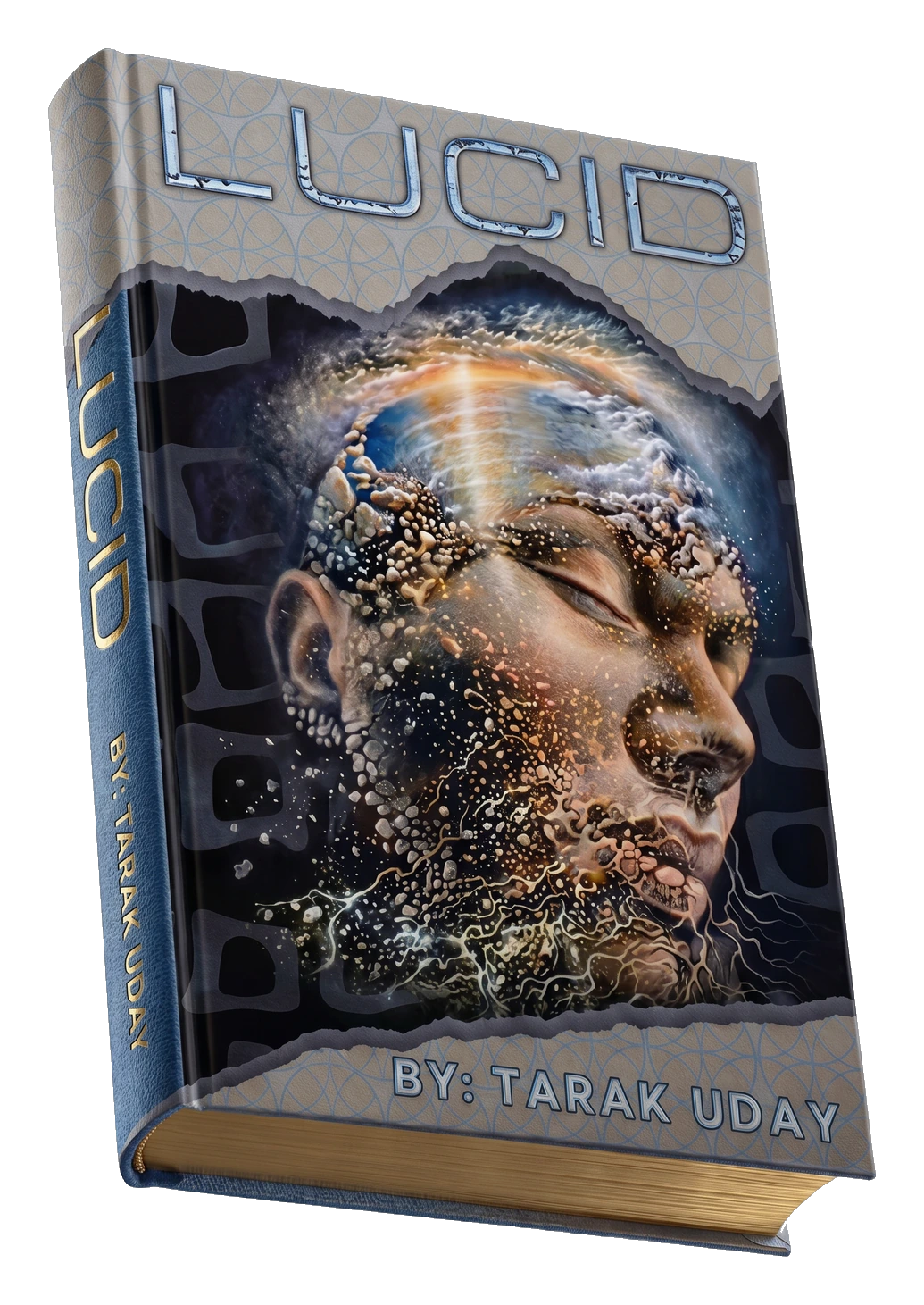
LUCID
You've tried every lucid dreaming technique. Most miss the root cause. LUCID reveals what they all skip.
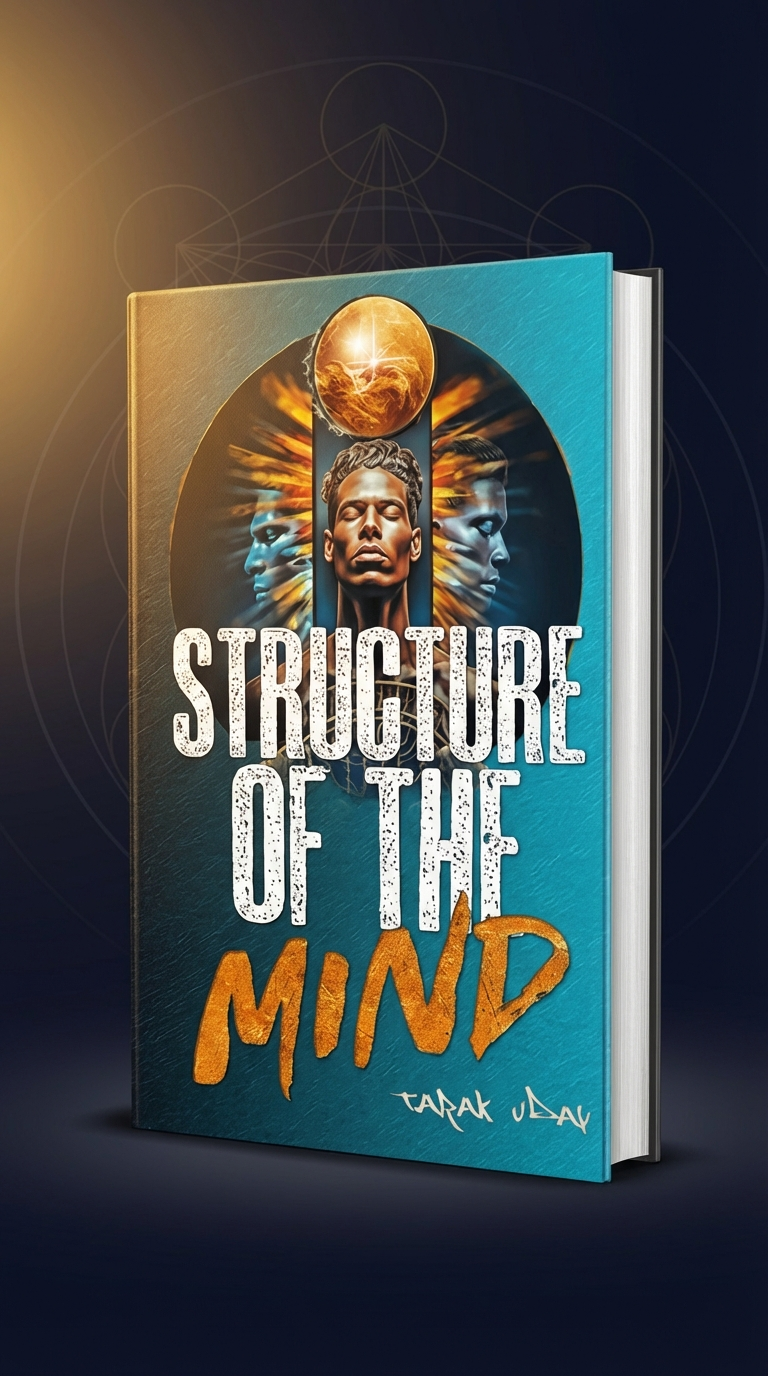
Understand Your Own Mind
"Structure of the Mind" reveals the three divisions of mind, seven levels of consciousness, and powers of mind that most people never learn to develop.