
Are Angel Numbers Real? What Repeating Numbers Mean
The numbers are real and they carry precise information. The part everyone gets wrong is who's sending them.
Angel numbers are real in the sense that matters: the numbers carry precise information and repeating ones are worth reading. What's wrong is the return address. In the Universal Language of Mind, numbers represent the evolution of a thought — each one marking a stage in the journey of a thought, a project or a relationship — and the mind flagging them is yours.
So the honest answer is more useful than either of the two you usually get. Not a message from an angel, and not a coincidence you should be embarrassed about noticing.
What Are People Actually Seeing When They See 11:11?
Two competing explanations, and both of them are incomplete.
The first says the number is a message from outside — a guide, an angel, a system of correspondences someone published, where 444 means protection and 222 means alignment. It feels good because it means you're being watched over. It also quietly relocates the authorship of your life to somebody else, which is a bigger cost than it looks.
The second says you're just noticing more of what was always there. The clock has hit 11:11 twice a day your whole life, and once you start looking, your brain obliges. That's true as far as it goes, and it goes about half the distance, because it explains the frequency and explains nothing about the selection.
The question worth asking isn't why the number appears. It's why your awareness picks that one out of thousands of numbers you looked straight through today. Attention is not neutral, and it doesn't select at random.
What Do Numbers Mean in the Universal Language of Mind?
Each one names a stage in the evolution of a thought. That's the whole system, and it's consistent everywhere numbers appear.
Tarak Uday teaches through the Dream Symbol Dictionary that one is individuality — the singular point of origin, the first spark, the beginning. Two is duality: the division into complementary opposites, conscious and subconscious, the recognition that reality holds two forces. Three is creation, what's born when those two forces meet. Four is inner stability, the four-sided foundation everything else gets built on. Eight is self-value, understanding cycling upward. And nine is completion — the final stage before a phase resets and something genuinely new begins.
Eleven is worth its own line, because it's the one people see most. Eleven is a higher level of duality: the same fundamental split, met again on a level above where you last dealt with it. Not a repeat. A return at altitude.
So when a number keeps showing up, the question is never what does this number want from me. It's which thought of mine is at that stage. Something new being started reads as one. Something being pulled in two directions reads as two. Something finishing, whether or not you've admitted it's finishing, reads as nine.
Why Does the Clock Keep Being the Place You See Them?
Because where the number appears is half the meaning, and a clock is the most specific location it could pick.
A number on a house relates to the evolutionary stage of a particular state of mind. A number of people relates to the stage of the aspects those people represent. And a number on a clock relates to the evolution of your consciousness in relation to time.
That reading lands hard on 11:11, which is why the clock version has taken over the whole conversation. A higher level of duality, arriving at the exact place your mind measures time. Read it plainly: you're being shown that something you thought you'd settled has come back, and this time it concerns whether you're moving in step with your own life or out of step with it. Not a promise, and not a warning. A position report.
The same logic applies to whichever number is currently chasing you. Note it, and note the surface it appeared on. A four on a door is not the same message as a four on a receipt, because the door and the receipt are already saying different things about which part of your mind is being discussed.
The clearest version arrives at night
Numbers in waking life are a glance. Numbers in a dream come with the full scene around them. Log tonight's dream and decode what stage it's reporting.
Decode Your Dream Now →Are the Numbers a Message From Outside You?
No — and letting go of that idea is what makes them useful.
Consider what the external framing actually asks you to do. It hands you a fixed dictionary someone else wrote, tells you the number means encouragement, and leaves you with a pleasant feeling and no instruction. Nothing about your life has to change, because nothing about your life was named. That's the tell. A real signal points at something specific in you and is uncomfortable often enough to be credible.
The mechanism underneath is less mystical and considerably more interesting. The power of the subconscious mind is intuition — direct perception, without a rational basis for knowing. It already knows which thought of yours is at a threshold, and it doesn't communicate in sentences. It communicates in images, and it can steer your attention. Pulling your eyes to a clock at the moment it reads 11:11 is exactly the kind of thing that faculty does, and it's the same faculty that builds your dreams every night out of the same picture language.
This is also why the numbers cluster in periods of change and go quiet when life is settled. Nothing switched off. There was simply no threshold worth flagging.
So the practical difference is authorship. One version says something out there noticed you and left a note. The other says a part of you that has never once stopped working found a threshold and pulled your eyes to it. Only one of those hands you back something you can act on this week.
How Does CHITTA Help You Read Your Own Numbers?
By giving the glances somewhere to accumulate, and by working the channel where the same language shows up in full sentences.
A number caught in traffic is a fragment. On its own it's unreadable, and by evening you've reconstructed it into whatever you were already hoping. What makes it legible is context: which number, on what surface, on what day, and what you were turning over in your mind that week. That's a record, not a memory.
So the CHITTA dream journal is where both halves belong. Dreams are real experiences occurring within the subconscious mind, delivered in the Universal Language of Mind, and numbers appear there constantly — on a door, a jersey, a page, a clock — with the entire scene around them supplying the context a roadside glance never can. The interpretation engine reads that scene as mechanism rather than omen, and the symbol dictionary carries the ULM meaning of each number so you're not guessing from a list you found online. Log the number and the dream in the same place and the pattern names itself within a few weeks.
Start tonight with whatever number has been following you. Write it down, write what you were deciding about that day, and then log the dream in the morning.
What Should You Do the Next Time It Happens?
Three things, and none of them involve looking up a meaning someone else assigned.
First, note the number and where it appeared. The surface is half the message, so a screen, a door, a receipt and a plate are four different sentences.
Second, ask which thought of yours is at that stage rather than what the number wants. A one is a beginning — what did you start, or what are you refusing to start? A nine is completion — what's finished that you're still standing in? An eleven is duality at a higher level — which old split has come back with better lighting?
Third, check the same night's dream. That's where the subconscious mind speaks in full sentences instead of flashes, and where the number arrives inside a scene that explains it. If you dream about angels as well, read those the same way — as your own mind's imagery for a higher aspect of yourself, not as visitors delivering post.
Do that a few times and the whole phenomenon changes character. It stops being a comforting thing that happens to you and becomes an instrument you can read — which is a straight trade of reassurance for accuracy, and worth making.
Let the pattern name itself
One number is a fragment. Six weeks of dated numbers and dreams is a map of exactly which thoughts are moving and which have stalled.
Start Your Dream Journal →
Frequently Asked Questions




LUCID
You've tried every lucid dreaming technique. Most miss the root cause. LUCID reveals what they all skip.
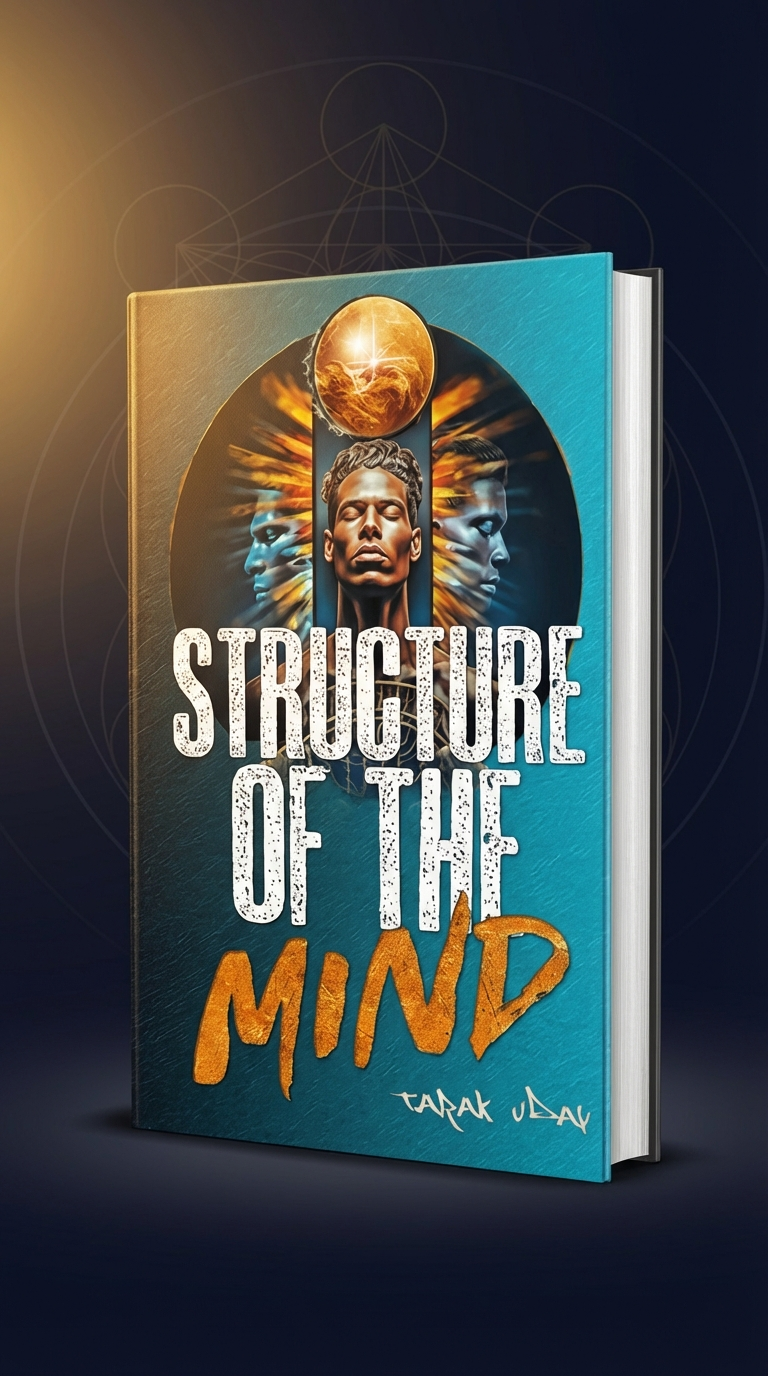
Understand Your Own Mind
"Structure of the Mind" reveals the three divisions of mind, seven levels of consciousness, and powers of mind that most people never learn to develop.