
Are Spider Dreams Related to Fear or Creativity?
In the Universal Language of Mind, a spider is neither your fear nor your creativity. It is a small, habitual thought quietly spinning a web in the corner of your mind.
You wake up with the image still clinging to you: a spider in the corner, patient, spinning. Your first instinct is to file it under one of two folders. Either this was a fear dream, or it was a creativity dream. The internet will happily sort you into one of those bins. But here is the thing nobody tells you, and it is the one thing that changes everything: the spider is not your fear, and it is not your creativity. Those are your reactions to the spider. They are not what the spider is.
So let me show you what your sleeping mind was actually pointing at, because once you see it, you will never read a spider dream the same way again.
Why do we rush to call it fear or creativity?
When we cannot read a symbol, we reach for a mood instead. A spider feels creepy, so we say the dream was about fear. Or a spider builds something intricate and beautiful, so we say the dream was about creativity. Notice what just happened. We described how the image made us feel, and then we called that feeling the meaning. That is the mood-ring trap, and almost every popular dream interpretation falls into it.
But your dreams are not written in the language of moods. They are written in the Universal Language of Mind, the inner picture-language that every human shares beneath their spoken tongue. And in that language, a symbol never means a feeling. It means a movement of mind. So the question is never "did this scare me or inspire me?" The question is always "what is this thing actually doing?"
Fear and creativity are your reactions to the spider. They are the mood-ring trap. The spider itself is a movement of mind, and to read it you must look at what it does, not how it makes you feel.
What does a spider actually do?
This is the whole key, and it is beautifully simple. To read any symbol in the Universal Language of Mind, you look at its form and its function. The form is what it looks like. The function is what it does. A spider function is unmistakable: it sits quietly in a corner and spins a web, and that web is a trap. It does not chase. It does not roar. It simply builds, thread by patient thread, a structure that catches whatever wanders in.
So in your inner world, a spider is a small habitual thought that sits in the corner of your mind and slowly spins a trap. Not a big dramatic belief. A small one. The kind of repeating thought you barely notice because it has been running for so long. "I always mess this up." "They probably do not like me." "I should not even try." Each of those is a thread. Spin enough of them and you have a web, and the web catches your energy every time you walk past.
A spider does not chase you. It waits in the corner and lets the web do the work. That is exactly how a small habitual thought operates inside your mind.
Is the spider a warning or a gift, then?
Now we can finally answer the fear-or-creativity question honestly, because both folders were pointing at the same truth from opposite sides. The fear reaction was your mind sensing that something is being trapped. The creativity reaction was your mind sensing that something is being built. Both are correct, and both are incomplete, because the spider is doing both at once. It is creatively building a structure, and that structure is a trap.
That is what a habitual thought is. It is creative. It builds. It is genuinely productive, which is exactly why it is so hard to notice. Your mind is using real creative power to construct the very thing that catches you. So the spider dream is not warning you away from creativity, and it is not celebrating it either. It is showing you that your creative power is currently being spent spinning a small trap in a corner you have stopped looking at.
Want to know exactly which thought your spider was spinning? Bring your dream to CHITTA and read it in the Universal Language of Mind, the way your own mind meant it.
What loop is running when your guard is down?
Here is your mirror moment, and I want you to actually sit with it. A spider works best in the corners, in the quiet, in the places you do not watch. So the real question your dream is asking is this: what loop runs in the background of your mind when your guard is down? When you are tired, or alone, or between tasks, what small sentence starts spinning itself without your permission?
That sentence is your spider. It is not a monster and it is not a muse. It is a tiny, repeating thought that has been quietly given your creative power to build a web. The reason this matters in your waking life is that the web is not abstract. It catches your real choices. It is the reason you hesitate before sending the message, the reason you talk yourself out of the room, the reason a small fear keeps eating energy that belongs to your actual life.
How do you clear the web?
You do not clear a web by swinging at the spider. You clear it by bringing awareness to the corner. The moment you consciously notice the small repeating thought, you have taken back the creative power you were unknowingly handing it. The web only holds in the dark. The instant you turn your attention on it and name the actual sentence, the threads lose their grip, because awareness is the one thing a habitual thought cannot survive.
So the next time a spider walks across your dreams, do not ask whether you should feel afraid or inspired. Ask the better question: what small thought have I been quietly feeding in the corner? Find that sentence, say it out loud, and watch it. That is how the Universal Language of Mind turns a creepy little dream into the most practical gift your sleeping mind can give. This is the work that Tarak Uday teaches throughout CHITTA, that every symbol, even a spider, is your own mind showing you exactly where your power has gone, so you can take it back.

Frequently Asked Questions




LUCID
You've tried every lucid dreaming technique. Most miss the root cause. LUCID reveals what they all skip.
Understand Your Own Mind
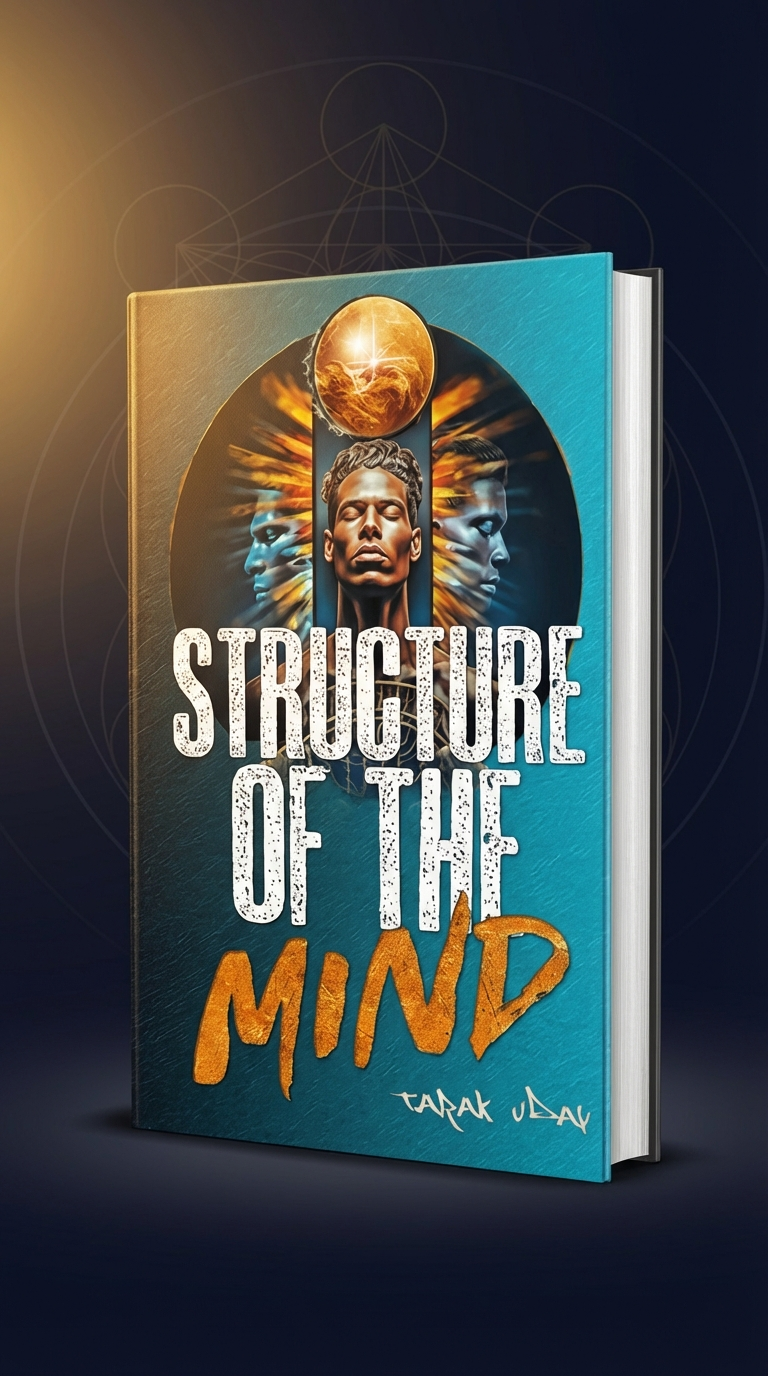
"Structure of the Mind" reveals the three divisions of mind, seven levels of consciousness, and powers of mind that most people never learn to develop.