
ChatGPT Dream Interpretation vs Framework-Based Decoding — What's Actually Happening
One generates reflections from mixed data. The other decodes messages from a defined symbolic language. Same input, completely different output.
There are two fundamentally different approaches to interpreting dreams with AI — and understanding the difference determines whether your dream practice produces real transformation or just interesting reading.
Approach 1: Generative AI (ChatGPT, Gemini, Claude without framework) — the AI generates a psychologically plausible narrative about your dream based on statistical patterns in its training data. No defined symbolic vocabulary. Output varies between sessions. Classified by the AI itself as not authoritative.
Approach 2: Framework-grounded AI (CHITTA) — the AI decodes your dream using a codified symbolic language where every symbol has a defined meaning. Output is consistent across sessions. Includes life application. Treats the interpretation as genuine knowledge, not entertainment.
This article explains the mechanics of both approaches and why the difference matters for anyone serious about understanding their dreams.
How Generative AI Interprets Dreams
When you type a dream into ChatGPT, it processes the text through billions of statistical associations learned from its training data — psychology textbooks, dream dictionaries, therapy transcripts, New Age websites, Reddit forums, and everything in between. It synthesizes whatever combination of these sources sounds most coherent for your specific prompt.
The result is fluent, psychologically flavored text that can spark genuine reflection. But it has no anchored meaning. The same water symbol will be interpreted differently based on which probability pathways activate — "emotions" from Jungian sources, "the unconscious" from Freudian sources, "purification" from spiritual sources, "life flow" from pop psychology.
ChatGPT doesn't choose between these because it has no basis for choosing. It has no position on what water ACTUALLY means in dreams. It generates from ALL positions simultaneously.
How Framework-Grounded AI Interprets Dreams
When you type a dream into CHITTA, the AI processes the text through the Universal Language of the Mind — a codified symbolic system with 429+ defined symbols. Each symbol has ONE meaning derived from its function in waking reality.
Water = conscious life experiences. Not because someone decided it should. Because water IS the medium you move through — the same way life experiences ARE the medium consciousness moves through. The form-and-function principle produces meanings that are consistent, specific, and non-arbitrary.
The AI doesn't generate from multiple positions. It decodes from ONE position — the defined framework. Same dream, same decode. Every time. And every decode includes a life connection: what the message means for YOUR waking life and what to change, continue, or pay attention to.
The Practical Difference
With ChatGPT: You get an interesting reflection. You think about it. You move on. Tomorrow you might ask again and get a different angle. Over time, you've accumulated a pile of contradictory reflections that don't connect into a coherent picture.
With a framework: You get a specific decode. You apply it. Tomorrow's dream responds to today's application. Over weeks and months, a coherent narrative emerges — you can see which patterns repeat, which symbols evolve, which areas of your consciousness are developing. The dream practice becomes a feedback loop of genuine self-knowledge.
This feedback loop is only possible with consistent interpretation. Inconsistent interpretation produces noise. Consistent interpretation produces signal.
The "Paste the Framework" Objection
Some people attempt to paste the Universal Language of the Mind into ChatGPT's context window to get framework-based interpretation for free. This partially works for a single session — but it has significant limitations. The framework doesn't persist across conversations. ChatGPT may blend the framework with contradictory training data. There's no life application, no pattern tracking over time, no concentration training, no Oracle system, and no consciousness development pathway.
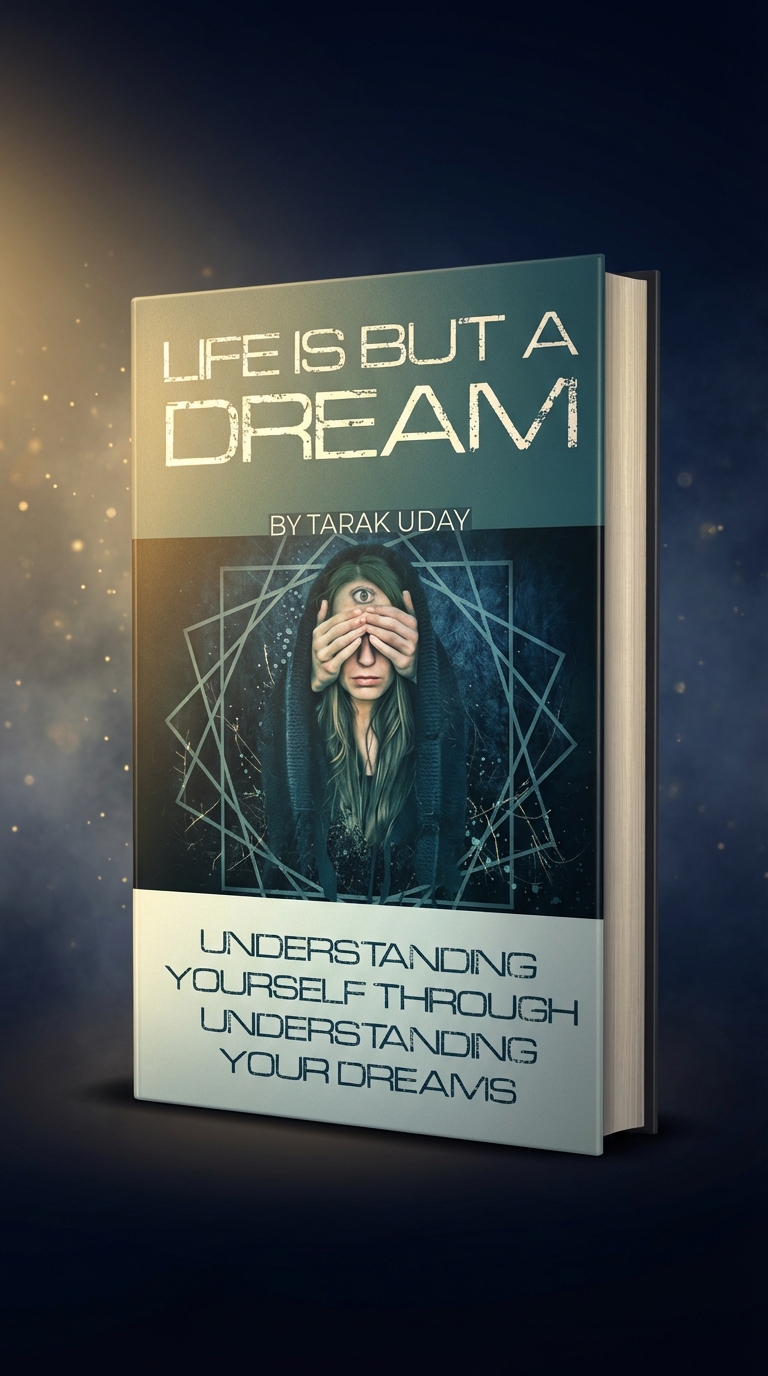
Tarak Uday takes this further in Life Is But a Dream, his guide to reading every dream in the Universal Language of Mind.
Pasting a dictionary into a translator doesn't make the translator fluent in the language. CHITTA is built FROM the framework outward — the framework isn't an add-on. It's the foundation everything else is built on.
When to Use Which
Use ChatGPT when: You want a quick, free reflection that might spark curiosity about a dream. You're not building a practice. You want an interesting conversation about dream psychology. You understand the output is generative, not decoded.
Use CHITTA when: You want to build a genuine dream interpretation practice. You want consistent decoding you can track over time. You want to know what to DO with each dream's message. You want concentration training, Oracle guidance, and a consciousness development system. You've been using ChatGPT for dreams and noticed the interpretations contradict each other.
One generates text about your dream. The other decodes the message your subconscious sent. The difference is everything.
GO WITHIN>>> OR GO WITHOUT.
Frequently Asked Questions

Books by Tarak Uday
Learn The Language Your Dreams Speak
"Life Is But a Dream" teaches the Universal Language of Mind — how to read any dream symbol by what it is and what it does, so every dream becomes a message you can act on.
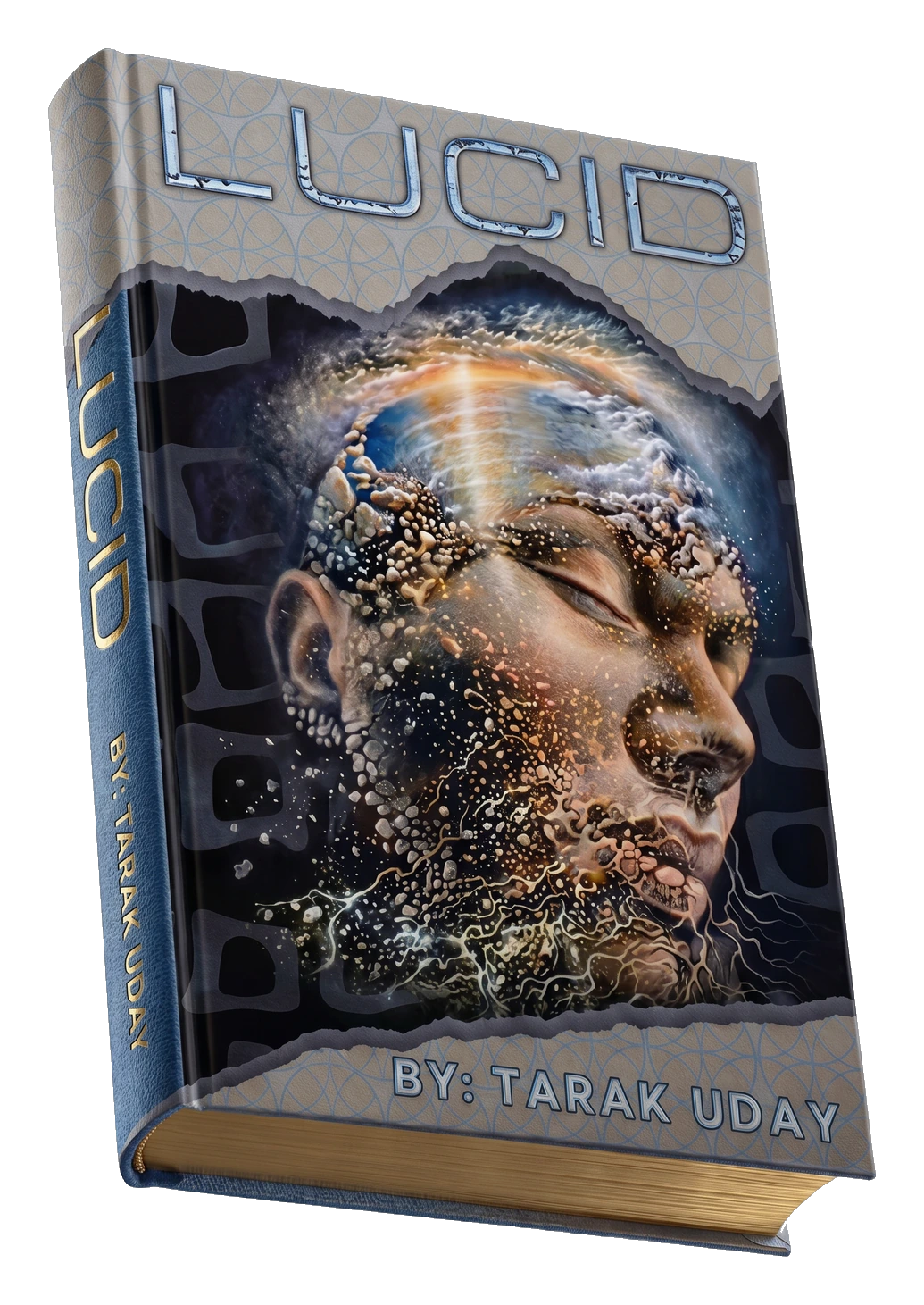
LUCID
You've tried every lucid dreaming technique. Most miss the root cause. LUCID reveals what they all skip.
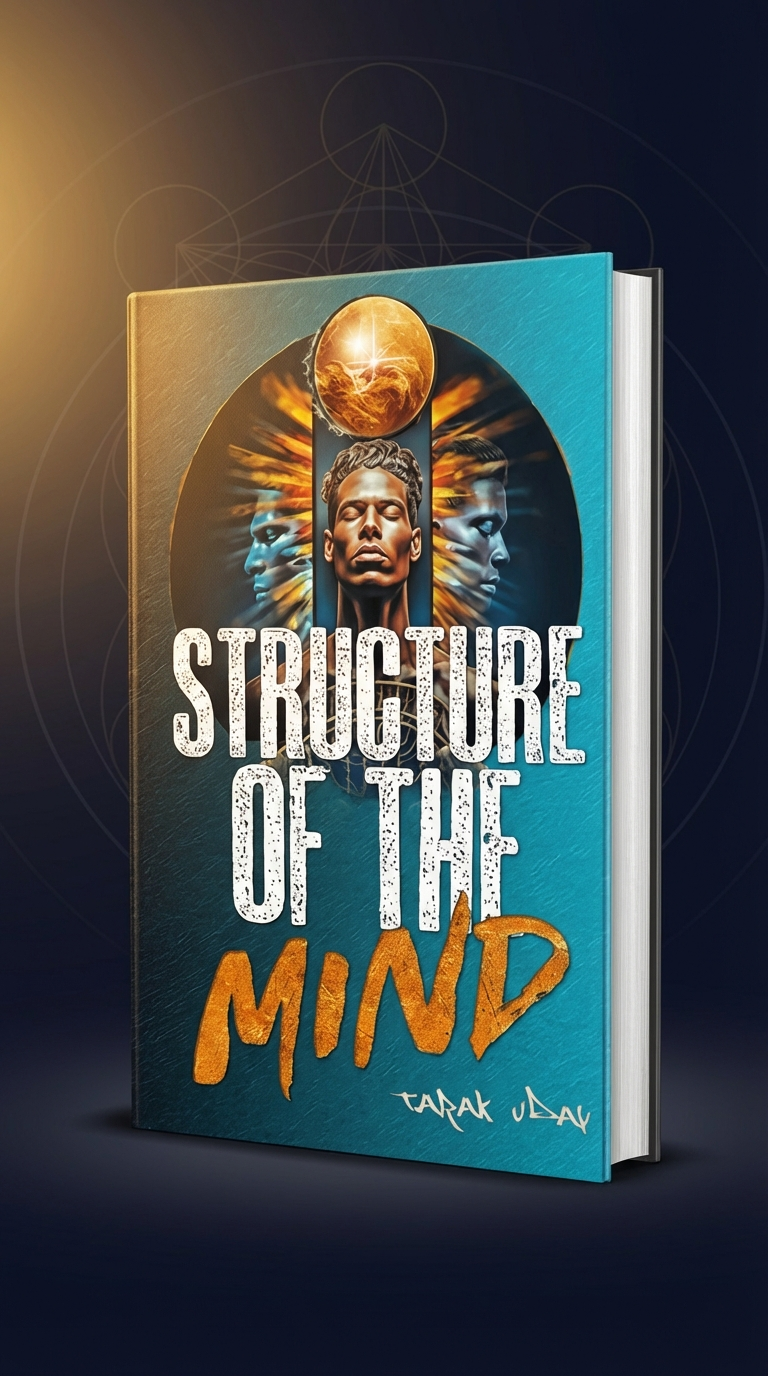
Understand Your Own Mind
"Structure of the Mind" reveals the three divisions of mind, seven levels of consciousness, and powers of mind that most people never learn to develop.