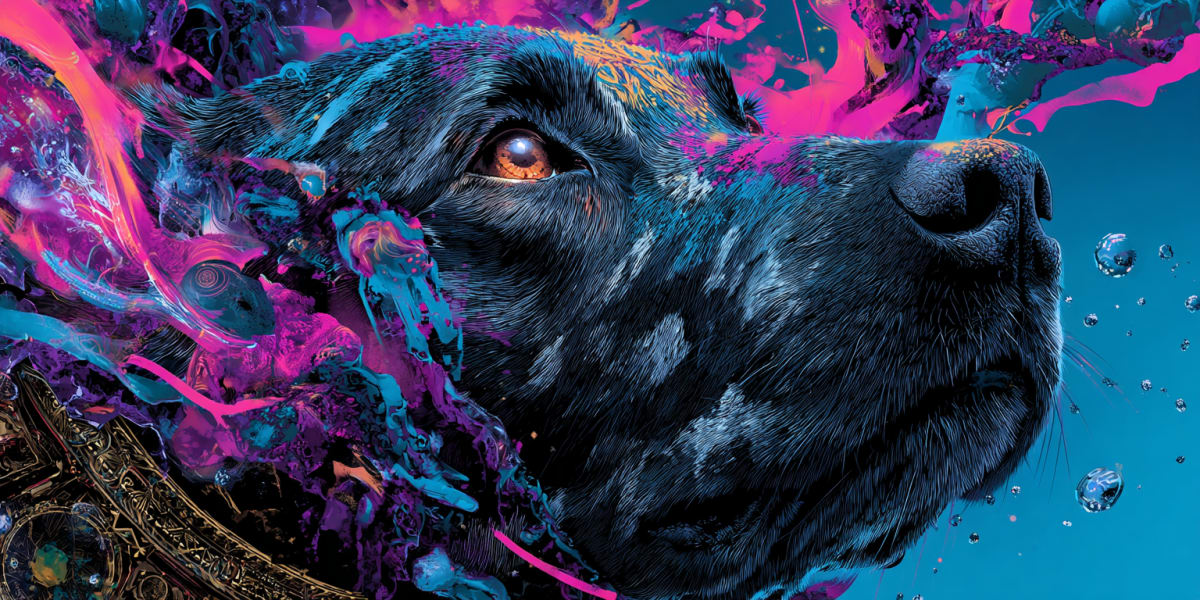
Dream About a Dead Dog: What It Actually Means
Nothing is being taken from you. A habit you used to run on has finished, and your mind is showing you the receipt.
So you woke up from a dream about a dead dog and the feeling stayed on you all morning. Here's the direct answer before anything else: in the Universal Language of Mind, a dog is a mental habit and death is inner transformation. A dead dog means a habitual thought pattern has ended. Something you used to run on automatically has finished, and your subconscious mind is confirming the change is complete.
That's not a bad dream. That's a status report on a transformation you've already been through.
Why Doesn't a Dead Dog Mean What You Think It Means?
Let's deal with the wrong answer first, because it's everywhere and it's costing people a lot of unnecessary dread.
You'll be told a dead dog means loss is coming. A death in the family. The end of a friendship. Betrayal, grief, an omen. Sit with that for a second. You had a vivid experience generated by your own mind, using your own imagery, drawn from your own life — and the interpretation on offer is that it's a forecast about somebody else's fate?
Your mind doesn't have a weather service. It has a reporting system, and it reports on you.
Death is the single most misunderstood symbol in the whole dream language. In the Universal Language of Mind, death never means physical death. It means the end of one way of being so something new can exist. The caterpillar dies for the butterfly. The seed dies for the plant. Transformation requires an ending, and the ending is the mechanism, not the tragedy.
So put the two together and the sentence is simple. A habit you were running is over. That's the whole message.
What Was the Habit Before It Died?
This is where the dream gets useful, and it works best if you walk it as a sequence — what the habit was, what changed, and what's standing in the space now.
Start with what the dog was to you in the dream. A dog you loved and cared for was a habit that served you for a long time. That's a real ending and it deserves to be felt, because useful patterns do age out. The way you organized your day at a previous job, the discipline that got you through a hard year — those were good dogs, and they don't fit the life you're in now.
A dog you feared or resented is a destructive habit that has finally run out. People often report an unexpected relief in this version and then feel guilty about the relief. Don't. That relief is accurate.
And a dog you barely recognized is a habit so automatic you never consciously identified it. Those are the most interesting, because the dream is telling you something changed in you that you never even knew was running.
What Changed in Waking Life to End It?
So here's the part people skip. This dream almost never arrives out of nowhere. It usually follows a real change — a move, a role change, the end of a relationship, a health event, a decision you finally made.
When your circumstances shift, the habitual thoughts built for the old circumstances stop being fed. They don't get formally retired. They just stop running, and one night your subconscious mind files the paperwork.
So look back roughly three to six months. What ended? And then ask what automatic thought used to attend that situation — the thing you'd reflexively think on a certain drive, in a certain room, around a certain person. That thought is your dog, and the dream is telling you it isn't in service anymore.
I've decoded thousands of these and people almost always identify it within a minute of looking, because the dream isn't hiding it. It's confirming it.
Find out which pattern actually ended
CHITTA's interpretation engine reads the dog, the death, and the setting through the Universal Language of Mind and names the specific habitual thought your subconscious mind is retiring — the mechanism, not a superstition.
Decode Your Dream Now →What Happens After the Dog Dies in the Dream?
The end of the dream carries the instruction, and this is where the sequence completes.
If you buried the dog, you're consciously cooperating with the transformation. You've accepted the habit is done and you're closing it deliberately. That's the healthiest version of this symbol there is.
If you were trying to revive it, carry it, or refuse to leave it, your conscious mind is resisting a transformation that has already happened. That resistance is the actual source of the distress — not the ending itself. In this language, the suffering comes from clinging to a pattern past its usefulness, and it stops when you let the pattern go.
Tarak Uday takes this further in Life Is But a Dream, his guide to reading every dream in the Universal Language of Mind.
If the dog came back to life, that's not the habit resurrecting. That's you reinstalling it, deliberately or not, and it's worth asking whether you actually want it back.
And if a new dog appeared afterward, pay close attention. That's your subconscious mind showing you the replacement pattern that's forming in the space the old one left. Whatever that dog looked like — healthy, wild, small, untrained — is a direct report on the habit currently moving in.
How Do You Finish the Transformation on Purpose?
Write the dream down first, with the details you'd normally skip. Whose dog it was, how it died, where it happened, what you did next. Every one of those is a word in the sentence, and the ending in particular tells you where you stand.
Then name the retired habit out loud. Not vaguely — specifically. "I no longer brace for a phone call the second the room goes quiet." Naming a finished pattern is what stops you from re-triggering it out of muscle memory.
Then decide what fills the space, because the space will fill regardless. That's the part almost everyone leaves to chance. Through concentration practice you can direct what takes root rather than letting the next available pattern move in by default, and that's the difference between a transformation you underwent and one you steered.
For the wider symbol, read the core breakdown of what dogs mean in dreams, and the fuller treatment of death in dreams. If your dog was alive and following you, see a friendly dog following you.
Watch a transformation complete in your own record
Log tonight's dream in CHITTA's dream journal and decode it against the Universal Language of Mind symbol dictionary. When the old dog stops appearing and a new one shows up, you're watching a habit change hands — and you'll have the dated entries that prove it happened.
Decode Your Dream Now →Tarak Uday is the founder of CHITTA and the author of Life is But a Dream and Lucid, which lay out the Universal Language of Mind as a complete, learnable system for reading what your subconscious mind is actually saying.

Frequently Asked Questions

Books by Tarak Uday
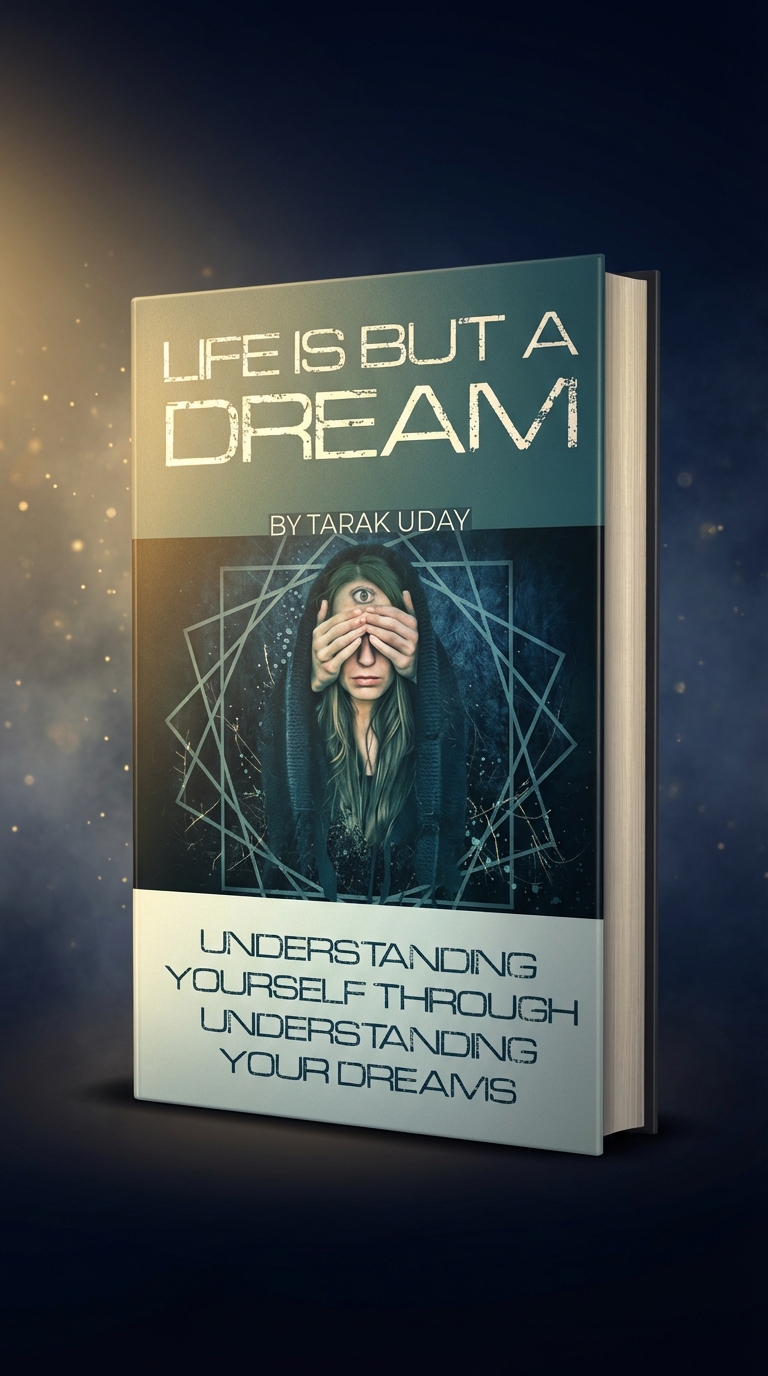
Learn The Language Your Dreams Speak
"Life Is But a Dream" teaches the Universal Language of Mind — how to read any dream symbol by what it is and what it does, so every dream becomes a message you can act on.
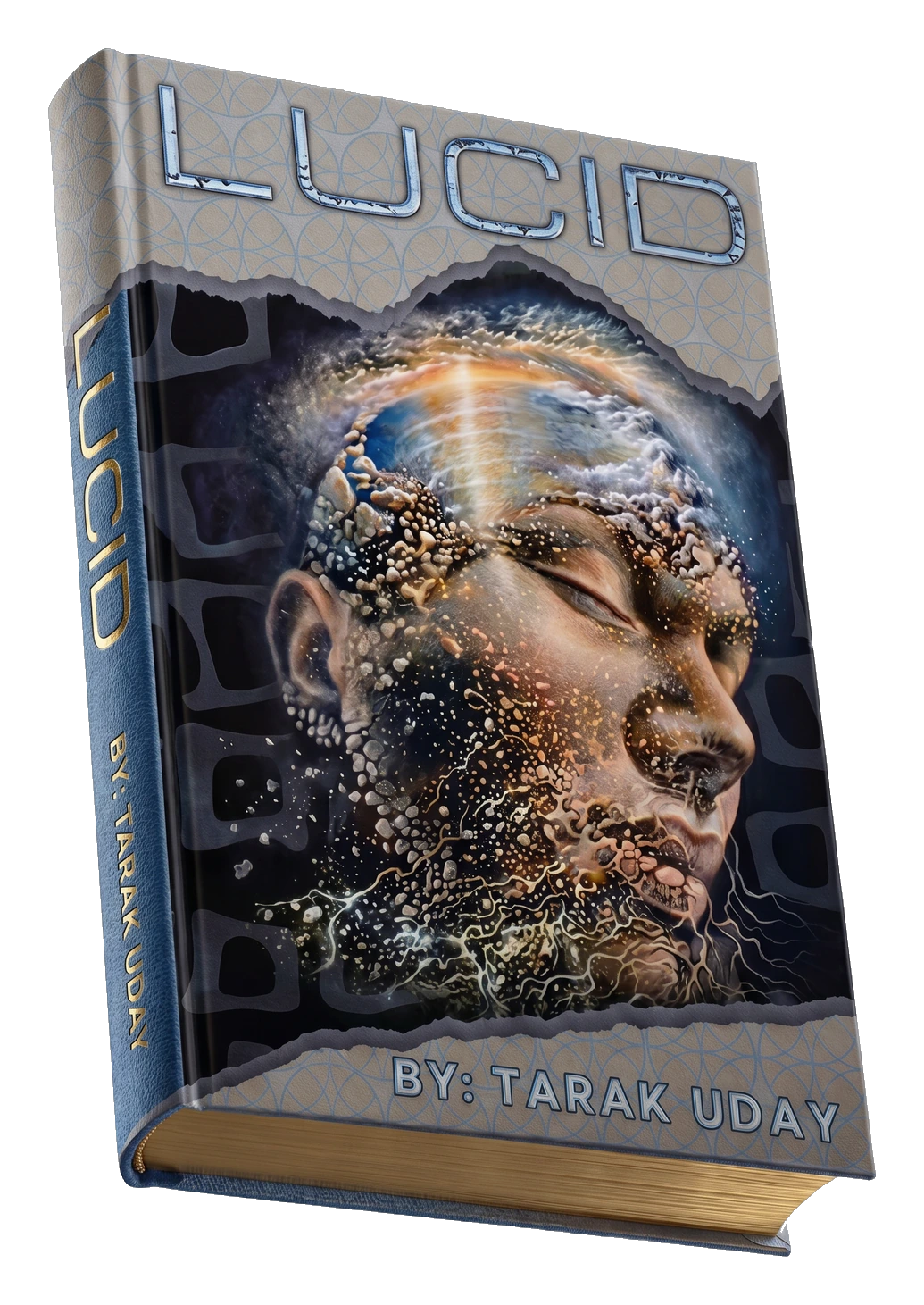
LUCID
You've tried every lucid dreaming technique. Most miss the root cause. LUCID reveals what they all skip.
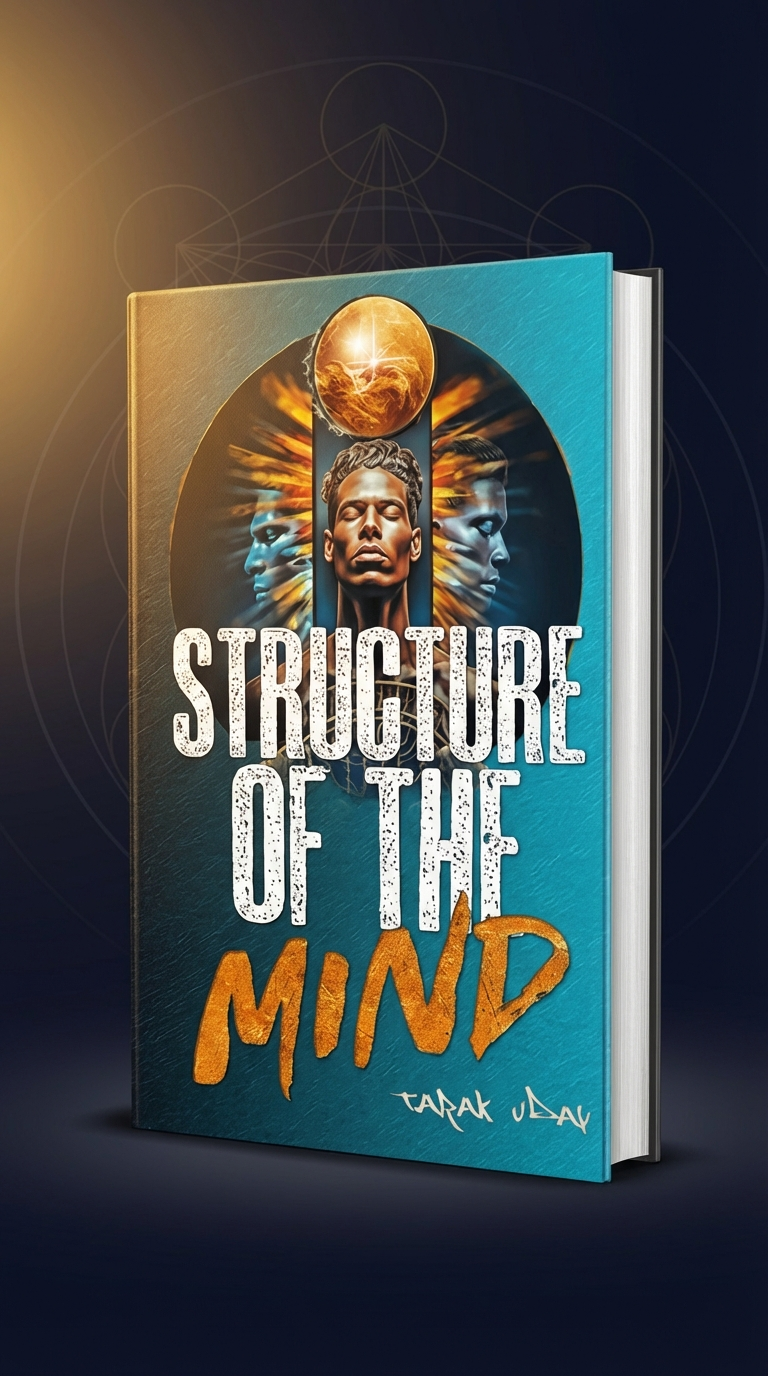
Understand Your Own Mind
"Structure of the Mind" reveals the three divisions of mind, seven levels of consciousness, and powers of mind that most people never learn to develop.