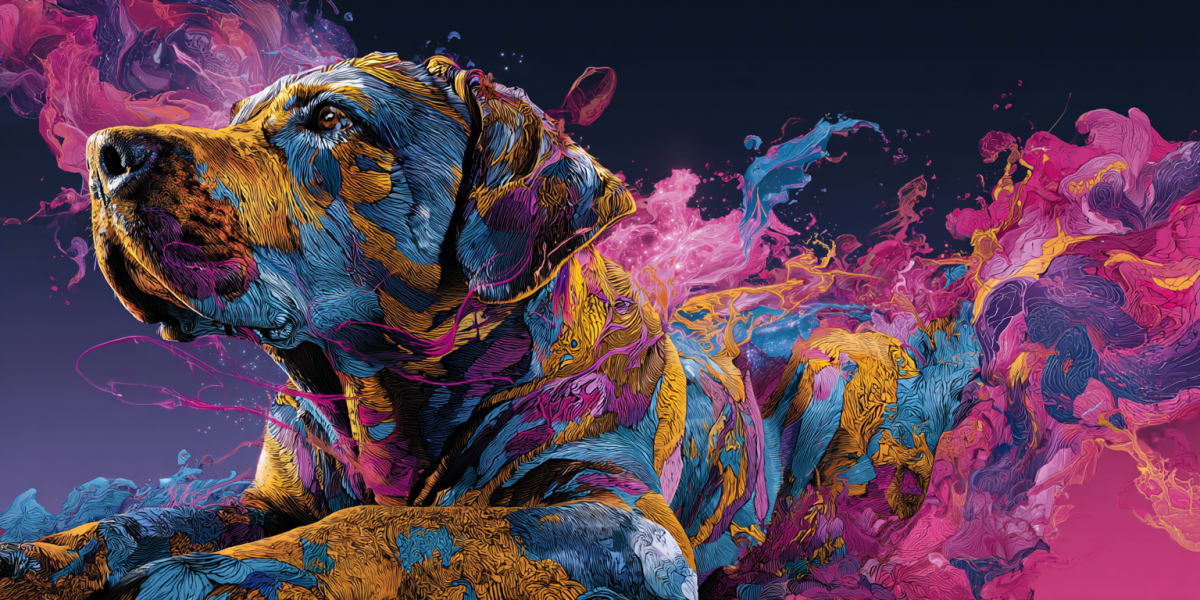
Dream About a Friendly Dog Following You: Meaning
Something good is trying to become automatic in you. The dream is asking whether you'll claim it.
You're walking somewhere in the dream — a street, a path, somewhere ordinary — and there's a dog behind you. Not chasing. Just following. Tail moving, calm eyes, keeping pace. You turn around and it stops. You keep walking and it comes along. Here's what that is: in the Universal Language of Mind, a dog is a mental habit, and a friendly one following you is a productive habitual thought that has become loyal to you and is waiting to be claimed.
That's a good dream. It's also a question, and most people miss the question entirely because they're too busy being relieved it wasn't a nightmare.
What Does a Friendly Dog Following You Actually Represent?
So the whole dream language runs on form and function. You don't look a symbol up in a mystical index. You ask what the thing DOES in waking life, because mind thinks in pictures of function, and it always has.
What does a dog do? It follows. It obeys. It's loyal, trainable, and it shows up whether or not you called it that morning. That's a precise picture of a habitual thought — something that enters your mind automatically, without you choosing it in the moment, because at some point you trained it in.
According to the Universal Language of Mind that Tarak Uday teaches, all animals in dreams are habitual thought patterns, and the dog is the one that's specifically loyal and persistent. So when the dog is friendly, healthy, and following you willingly, your subconscious mind is reporting on a habit that's working. Something you've been practicing has taken. It's yours now, and it's coming with you.
And notice how different that is from the aggressive version. When a habit turns costly, the dream escalates and you get teeth. If you've had that one, read what a dog biting you means, because it's the same symbol reporting the opposite condition.
Why Is the Dog Behind You Instead of Beside You?
This detail is doing more work than people realize. Position tells you the stage of the habit.
A dog that follows behind you is loyal but still led. The habit exists, it's reliable, and it responds to you — but it's not running on its own yet. It needs your direction. You're still the one deciding where the walk goes, which means if you stop deciding, the habit stalls with you.
A dog walking beside you, matching your stride without being managed, is a habit that's fully integrated. That one has stopped costing you attention. It just runs.
A dog running ahead and looking back is a habit that's actually pulling you forward — the thought pattern is now generating momentum instead of consuming it. That's the most developed version, and it's rare, and if you got it, pay attention to what area of life the dream was set in.
What If the Dog Was a Stray or Didn't Belong to Anyone?
So this is the most common version of this dream and it's the one carrying the actual assignment.
A friendly stray is a productive habit that nobody has claimed. You've started the behavior. Maybe you've done it a handful of times, enough that your subconscious mind registered the pattern and rendered it as a dog — but you haven't committed. There's no collar. No name. No routine holding it in place.
That's why it's following you and not living with you. It's auditioning.
And here's the mechanic that matters: a habit that isn't fed doesn't stay. It wanders off, and then months later you say you "used to" do that thing. The stray in the dream is your subconscious mind flagging a good pattern that's about to be lost through neglect rather than through failure. Nothing dramatic is going to kill it. Indifference will.
So the question the dream is asking isn't "what does this mean?" It's "are you going to take this one home or not?"
Find out which habit your dream just handed you
CHITTA's interpretation engine reads the dog, its condition, and its position through the Universal Language of Mind and names the specific mental habit your subconscious mind is pointing at — mechanism, not a fortune.
Decode Your Dream Now →How Do You Turn the Dream Into Something That Sticks?
Claiming a habit works exactly like claiming a dog. You name it, you feed it on a schedule, and you give it a place to live.
Naming it means saying what the behavior actually is, in plain words, out loud or on paper. Not "I'm going to be better about mornings." That's not a name, that's a mood. "I write for twenty minutes before I open anything with a notification" is a name. Vague habits stay strays.
Feeding it on a schedule means the same time, the same trigger, every day, until the repetition does what repetition does. That's not motivation. That's training, and it's the only mechanism that has ever converted a deliberate act into an automatic one.
Tarak Uday takes this further in Life Is But a Dream, his guide to reading every dream in the Universal Language of Mind.
Giving it a place to live means attaching it to something already permanent in your day — an existing routine it can sit next to, so it isn't relying on you remembering.
Then watch your dreams. I've decoded thousands of these and the pattern holds: as the habit gets established in waking life, the dog in your dreams changes. It gets healthier. It comes closer. It stops needing to be called. The imagery follows the pattern, always, because the picture is a report on the pattern.
What Does It Mean If You Send the Dog Away?
Sometimes the friendly dog follows you and you shoo it. You lock a gate. You walk faster. And you wake up feeling strange about it, because you didn't do anything wrong in the dream — it was just a dog.
That's your subconscious mind showing you that you're refusing a good habit, and it's usually not laziness. It's that the habit doesn't fit the story you tell about yourself. People turn away useful patterns constantly because adopting them would mean admitting the old way wasn't working.
So if you pushed the dog away, ask what beneficial thing you've been declining lately, and then ask what you'd have to stop believing about yourself in order to accept it. That's the real content of the dream. Everything else is set dressing.
For the full symbol underneath every version of this, read the core breakdown of what dogs mean in dreams, and for the wider family see animals in dreams.
Track the dog and you track the habit
Log tonight's dream in CHITTA's dream journal and decode it against the Universal Language of Mind symbol dictionary. When the same dog shows up healthier week over week, you're watching a habit take hold — and you'll have the dated record to prove it.
Decode Your Dream Now →Tarak Uday is the founder of CHITTA and the author of Life is But a Dream and Lucid, which lay out the Universal Language of Mind as a complete, learnable system for reading what your subconscious mind is actually saying.

Frequently Asked Questions


Books by Tarak Uday

Learn The Language Your Dreams Speak
"Life Is But a Dream" teaches the Universal Language of Mind — how to read any dream symbol by what it is and what it does, so every dream becomes a message you can act on.
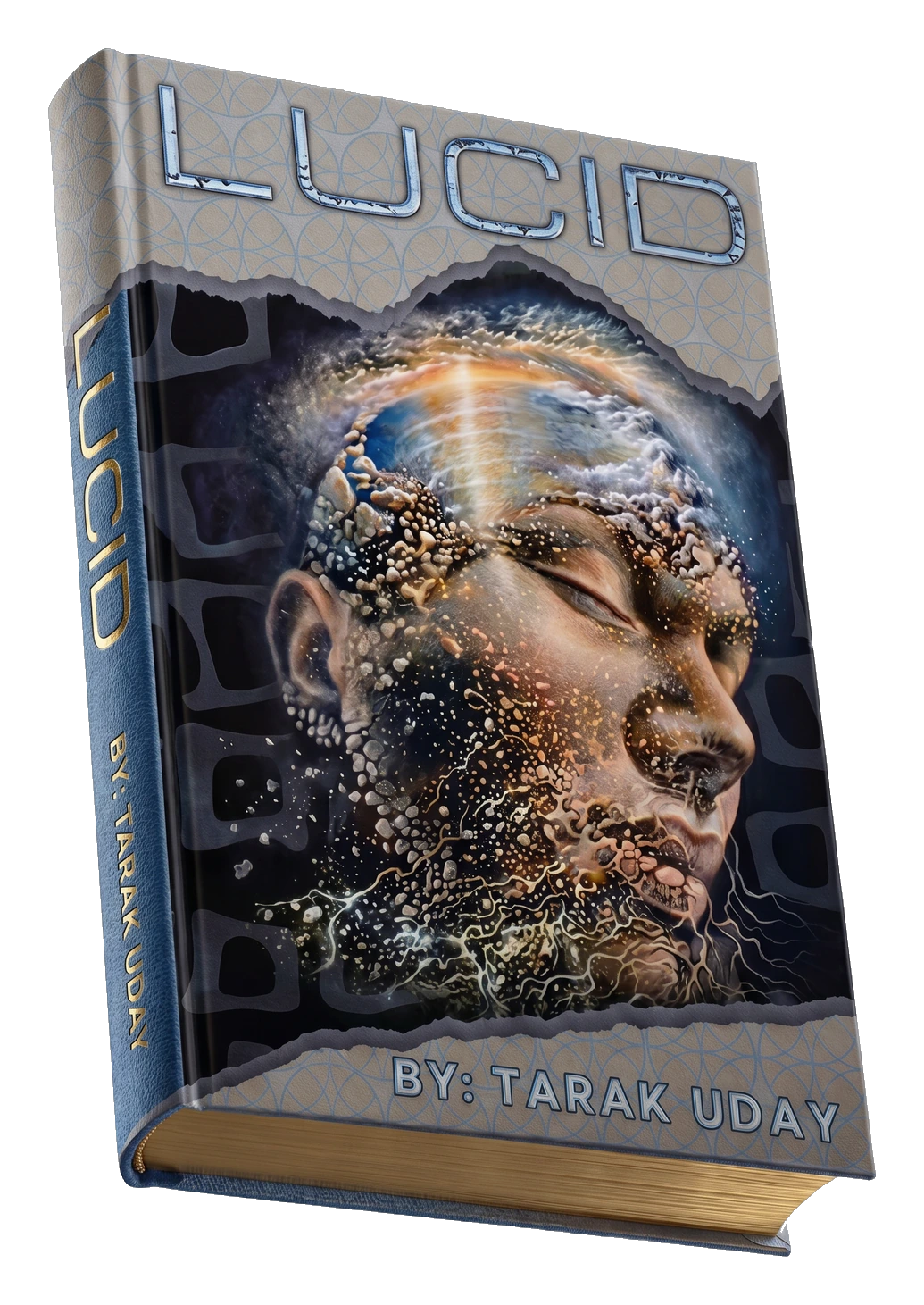
LUCID
You've tried every lucid dreaming technique. Most miss the root cause. LUCID reveals what they all skip.
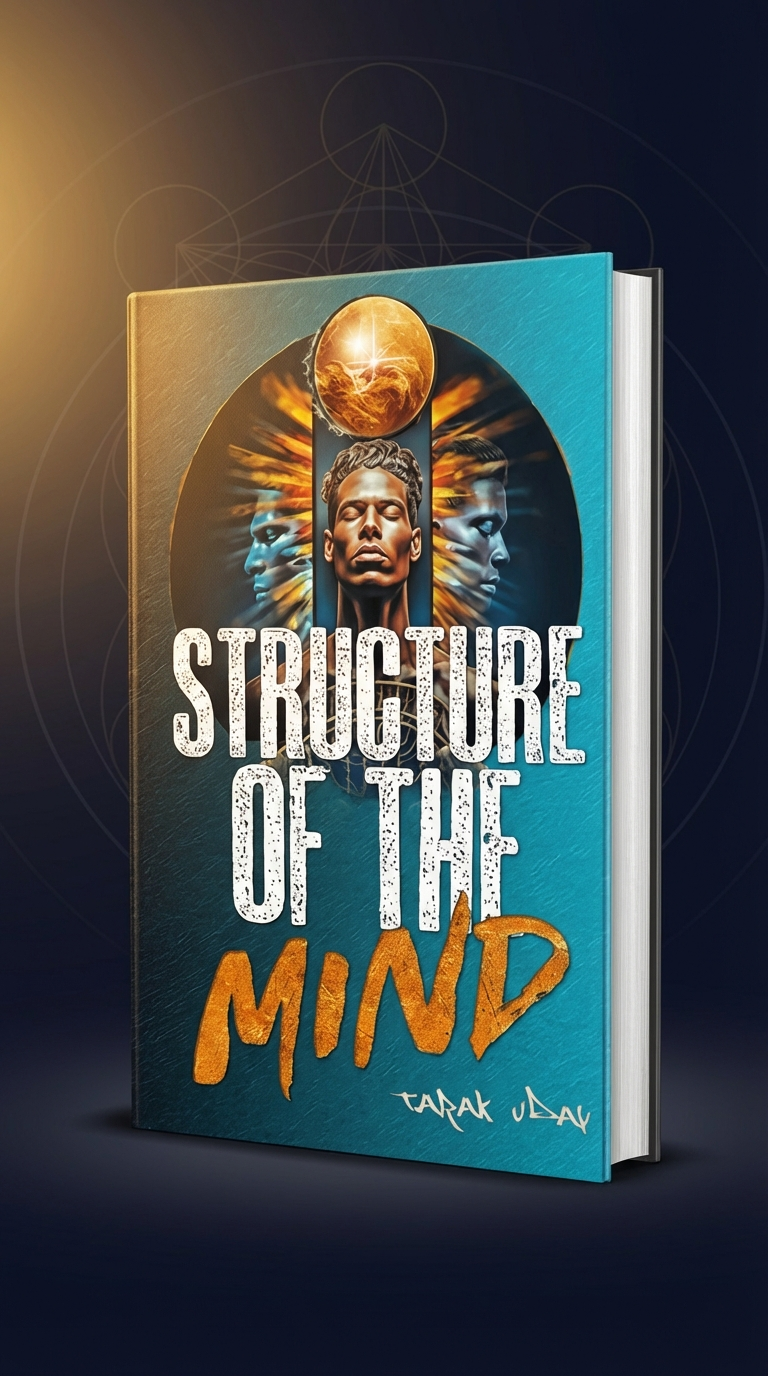
Understand Your Own Mind
"Structure of the Mind" reveals the three divisions of mind, seven levels of consciousness, and powers of mind that most people never learn to develop.