
Dream About a House With Hidden Rooms


There's a door you don't remember. Maybe it's behind a wardrobe, or at the end of a hallway that shouldn't be that long, or it's a door you've walked past a thousand times in this house and never once opened. You open it, and there's a room. Then sometimes another one behind that.
The feeling is unmistakable and it's usually double. Wonder, first — this whole wing was here the entire time. Then something colder underneath it: how did I not know? What else is in here?
People wake from this dream and start looking for hidden meanings about their home, their family, or a secret someone's keeping from them. That's the wrong building. In the Universal Language of the Mind, a house is your state of mind, and the rooms are areas of your own consciousness. So a house with rooms you didn't know about is reporting capacity in yourself you haven't been using.
The house is you. Every house, building, and structure in a dream represents the condition of your own mind, and the rooms are specific areas within it. A hidden room isn't a secret being kept from you — it's a part of your own mind that exists, works, and has been sitting unused behind a door you never opened.
What does a house with hidden rooms mean in the Universal Language of the Mind?
Start with what a house does. It contains. It's the built space you live inside, it has a structure that decides where you can go, and its condition tells you plainly how well it's been looked after. Turn that inward and you have the mind: the mental space your thoughts exist and operate in, with its own architecture and its own state of repair.
This is one of the most foundational symbols in the entire dream language, and Tarak Uday teaches it as a direct mirror rather than a metaphor. The size of the house reflects how expansive your state of mind is. Its condition reflects the health of your thinking. What happens inside it is what's happening inside you.
So a room follows the same rule. A room is defined by what's in it — put a bed in it and it's a bedroom, put a stove in it and it's a kitchen. Your state of mind works identically: the thoughts in your mind determine which state of mind you're in. Each room is one area of your consciousness, defined by the thinking that lives there.
Which makes the discovery straightforward to read. You found a functioning area of your own mind that you had no idea you had. Not a new one. It was already built. You just hadn't been in it.
Which floor was the room on, and why does that decide the reading?
Because the house is layered exactly the way your mind is, and the floor is the single most important detail in this dream.
The ground floor represents the conscious mind — where you live day to day. A hidden room down there points at something available to you right now, in waking life, that you've simply never walked into. An ability you have and don't use. A choice you didn't know was yours to make.
The second floor represents the subconscious mind. A hidden room up there is a stored capacity: something learned, felt, or decided long ago and filed away. These dreams often come when you're about to need that thing again, which is why the timing so rarely feels random.
The attic or the roof represents the superconscious mind. Finding a room up there is an entirely different order of dream. That's the level of mind that supplies your lifeforce energy and holds the blueprint of who you actually are, and a door opening there reports awareness reaching a part of yourself far above your daily thinking.
And the basement represents what is unconscious to you — what you're completely unaware of. A hidden room in the basement is the one people wake up uneasy from. It isn't a threat. It's the beginning of awareness reaching material that had been operating on you with no light on it at all.
The room was never hidden from you. It was hidden by you — behind a door your attention stopped using, in a house you've been living in your whole life.
What was inside the room, and what was the room for?
The contents name the capacity, so this is the detail worth recovering before it fades.
An empty room reports pure potential — an area of mind with nothing in it yet, which is an invitation rather than a lack. A room full of furniture under dust sheets reports something you built and then covered: a talent, a discipline, a way of being that you shelved deliberately at some point. A room set up for work — a study, a workshop, a studio — points at productive capability going unused.
A room that's beautiful reports a part of your consciousness in good condition. A room that's damaged, flooded, or falling apart reports the opposite, and names precisely which area of your thinking needs attention. And a room with a window is worth noting, because a window is your ability to see beyond your current state of mind — that area of you has a view out.
So the question to ask isn't what does the room mean. It's what was that room for, and what would my life look like if I actually used it.
CHITTA reads your dreams in the Universal Language of the Mind — the same symbol system used here — so you can see what your subconscious reported instead of guessing at it. Decode your dream free.
Why does this dream keep coming back?
Because a report gets repeated until it's acted on. Your subconscious mind isn't dramatic about it; it simply keeps filing the same message while the situation stands.
Tarak Uday takes this further in Life Is But a Dream, his guide to reading every dream in the Universal Language of the Mind.
Recurring hidden-room dreams usually mean the capacity is still sitting there. You saw it, you woke up moved by it, you told someone about the strange dream with all the extra rooms, and then nothing in your waking life changed. So the door opens again next month.
They also intensify at thresholds — a job ending, a relationship changing, a decade turning. Those are the moments your existing rooms stop being sufficient, and the mind goes looking through its own floor plan for what else it has. That's not anxiety producing the dream. That's inventory.
What should you do the morning after this dream?
Draw the house. Badly is fine. Sketch the layout, mark where the hidden room was, and label the floor — ground, upstairs, attic, basement. That single mark converts a strange feeling into a readable diagnosis of which level of your mind just opened.
Then write what was in it, in plain words, before the detail goes. Contents, condition, light, windows, whether you went in or only looked. Five lines. These specifics are the whole message and they're gone within the hour.
Then answer the real question: what can I do that I'm not doing? The dream states that the capacity exists and is unused. So name one concrete thing — something you're able to do and haven't for years — and do a small version of it this week. The subconscious mind responds to action, not to insight, and an unused room stays unused no matter how well you understand the dream.
Then go looking on purpose. Sit quietly for a few minutes a day and give your attention to one thing, returning it each time it drifts. Concentration is how you get more light into your own house, and more light is how the doors stop being hidden in the first place.
Frequently Asked Questions



Books by Tarak Uday

Learn The Language Your Dreams Speak
"Life Is But a Dream" teaches the Universal Language of the Mind — how to read any dream symbol by what it is and what it does, so every dream becomes a message you can act on.

LUCID
You've tried every lucid dreaming technique. Most miss the root cause. LUCID reveals what they all skip.
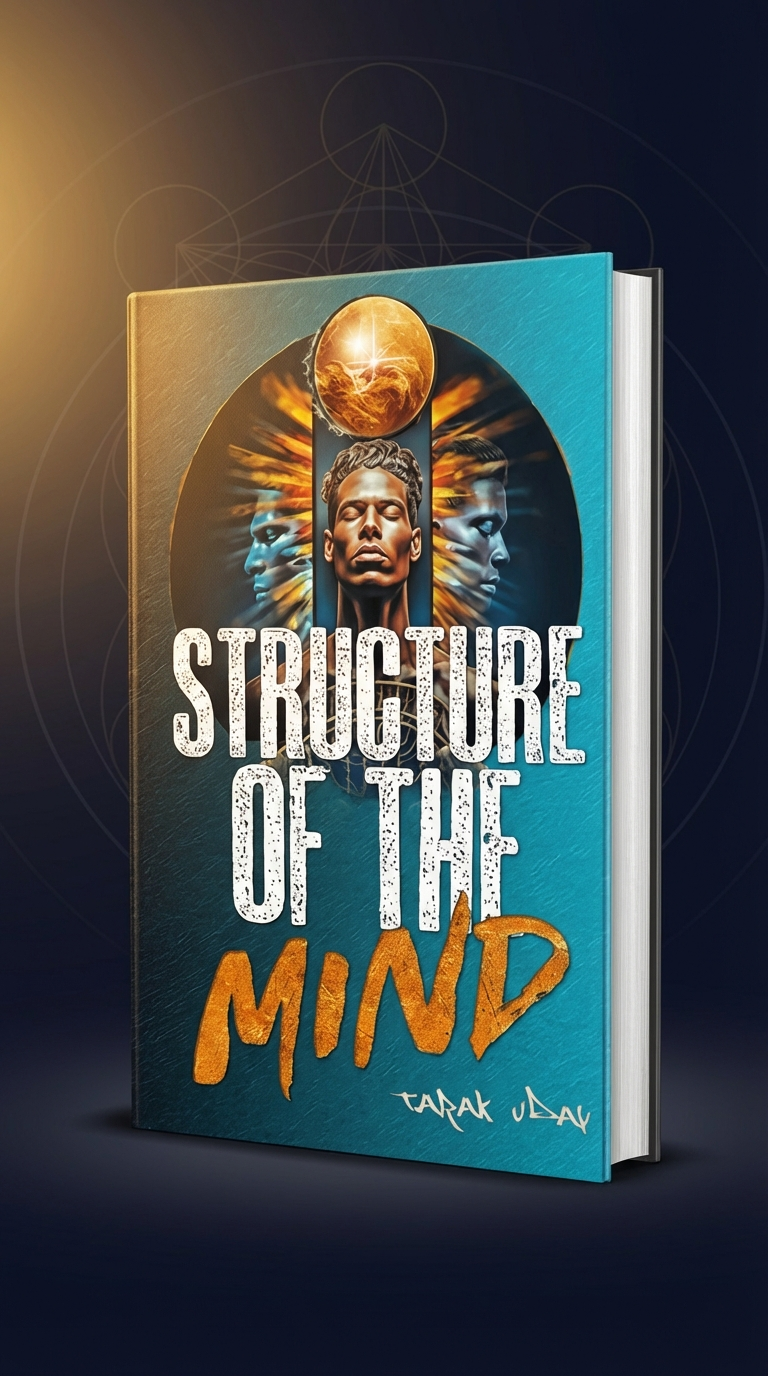
Understand Your Own Mind
"Structure of the Mind" reveals the three divisions of mind, seven levels of consciousness, and powers of mind that most people never learn to develop.