
Dream About Being Left at the Altar
Nobody can leave you at an altar in your own dream. The absent partner is a capacity you have not built.
A dream about being left at the altar means you made a commitment that one part of you never showed up for. In the Universal Language of the Mind a wedding is a union of two aspects of yourself, so an empty altar isn't abandonment by another person. It's a report that the capacity you were counting on hasn't arrived yet.
So the question isn't who left. It's which part of you failed to turn up.
What does it mean to dream about being left at the altar?
It means the decision is made and the follow-through is missing.
According to the Universal Language of the Mind that Tarak Uday teaches, every figure in a dream like this one is assembled from your own mental material. Nobody else walked into it. So the partner who didn't arrive is a quality inside you - the capacity that would have to exist for this commitment to actually work. You stood at the altar, which means the conscious decision is real. Nobody met you there, which means the subconscious capacity to carry it out is still undeveloped.
That's an unusually precise piece of information. Most people find out they lacked a capacity months into a commitment, when the effort stalls and they call it a motivation problem. This dream tells you at the start, while the gap is still cheap to close.
It also explains why the dream tends to arrive at the beginning of things rather than the end. New role, new discipline, a promise you finally made out loud - the commitment registers, your mind checks whether the machinery exists to honour it, and stages the result as a ceremony with a hole in it. The altar is the commitment. The empty space beside you is the honest part of the audit.
Is the dream predicting that someone will abandon you?
No, and reading it that way costs people real relationships.
Precognitive dreams and visitations are real, but they carry their own unmistakable feel, and most dreams, this one included, are about you. A dream like this can't tell you what your partner intends, whether they're loyal, or what's coming. Every element of it was built from material already inside you, which means its entire subject is your own inner state.
What makes this reading so tempting is the feeling. Being left is one of the most vivid emotions the mind can produce, and vivid emotion feels like evidence. It isn't. The feeling is the volume of the message, not its content. Turn the volume down and read the actual sentence: something you committed to has no support behind it yet.
Which part of you failed to show up?
Identify the partner and you have your answer.
If you knew who you were supposed to marry, name the single quality that person represents to you - the first trait that comes to mind, not their life story. That trait is the missing capacity. If they were a stranger or faceless, the missing quality is one you haven't consciously recognised in yourself, which is why your mind couldn't give it a face. If you were supposed to marry your actual partner, the reading is still internal: the quality you associate with them is the one you need to develop yourself, not the one you need from them.
Then read the room. A house or building in a dream is a state of mind, so an empty church tells you the state of mind built to hold this commitment is unoccupied. Guests who leave are aspects of you withdrawing attention. Waiting alone as the light changes points to time already spent. Take each detail literally, then translate its function, and the dream stops being an ordeal and becomes a diagnostic.
Find out which capacity never arrived.
Log the dream in CHITTA and the interpretation engine reads the altar, the absent figure and every guest through the Universal Language of the Mind - so the missing part gets a name instead of staying a wound.
Decode Your Dream Now →How do you get the missing part to arrive?
You build the capacity in waking life, in small visible increments, and the dream updates itself.
Start by writing the commitment in one plain sentence: what did you actually decide? Then write what would have to be true about you for that to hold. Not about circumstances, about you. If the answer is "I'd have to be able to finish things," the missing partner is completion. If it's "I'd have to be able to be seen," the missing partner is visibility. If it's "I'd have to trust myself," the missing partner is self-trust, and that one gets built by keeping small promises to yourself where nobody is watching.
Then do one thing this week that exercises exactly that capacity. One is enough to change the report. If the dream returns unchanged, it's operating as a recurring dream - an unlearned lesson repeating - which means the gap was identified but never worked. Information doesn't transform anything. Experience does. Read what a wedding means in a dream alongside a wedding going wrong, and the same mechanism runs through all three: the ceremony tracks agreement, and the missing pieces track what you still have to become.
Tarak Uday takes this further in Life Is But a Dream, his guide to reading every dream in the Universal Language of the Mind.
What do people ask most about being left at the altar in a dream?
I'm engaged and I had this dream. Should I call it off?
No. The dream is reporting on your internal readiness, not auditing your partner or the relationship. Large real commitments reliably produce dreams about commitment being tested. Treat it as a list of what you still need to develop in yourself.
What if the person who left was my ex?
Then the quality you associate with that person is the one that didn't show. An ex in a dream is a part of yourself you related to during that period, not the person. Ask what you were like with them, and the missing capacity usually names itself.
Why was I so calm in the dream?
Because some part of you already knew. Calm at an abandoned altar usually means the conscious mind is still committed to something the rest of you quietly withdrew from a while ago. That's worth examining honestly.
Does this dream ever mean something good?
Often. Finding out that a commitment has no support behind it is far better news at the start than at the end. In the Universal Language of the Mind an accurate report is always useful, no matter how painful the imagery feels.
Turn the empty altar into a build list.
CHITTA decodes dreams through the Universal Language of the Mind - form and function, mechanism over mood. Log tonight's dream and get the missing capacity read as the useful data it is.
Decode Your Dream Now →Tarak Uday is the author of Life is But a Dream and LUCID, and the developer of CHITTA's dream interpretation engine. He has spent years decoding dreams through the Universal Language of the Mind.
Frequently Asked Questions


Books by Tarak Uday

Learn The Language Your Dreams Speak
"Life Is But a Dream" teaches the Universal Language of the Mind — how to read any dream symbol by what it is and what it does, so every dream becomes a message you can act on.
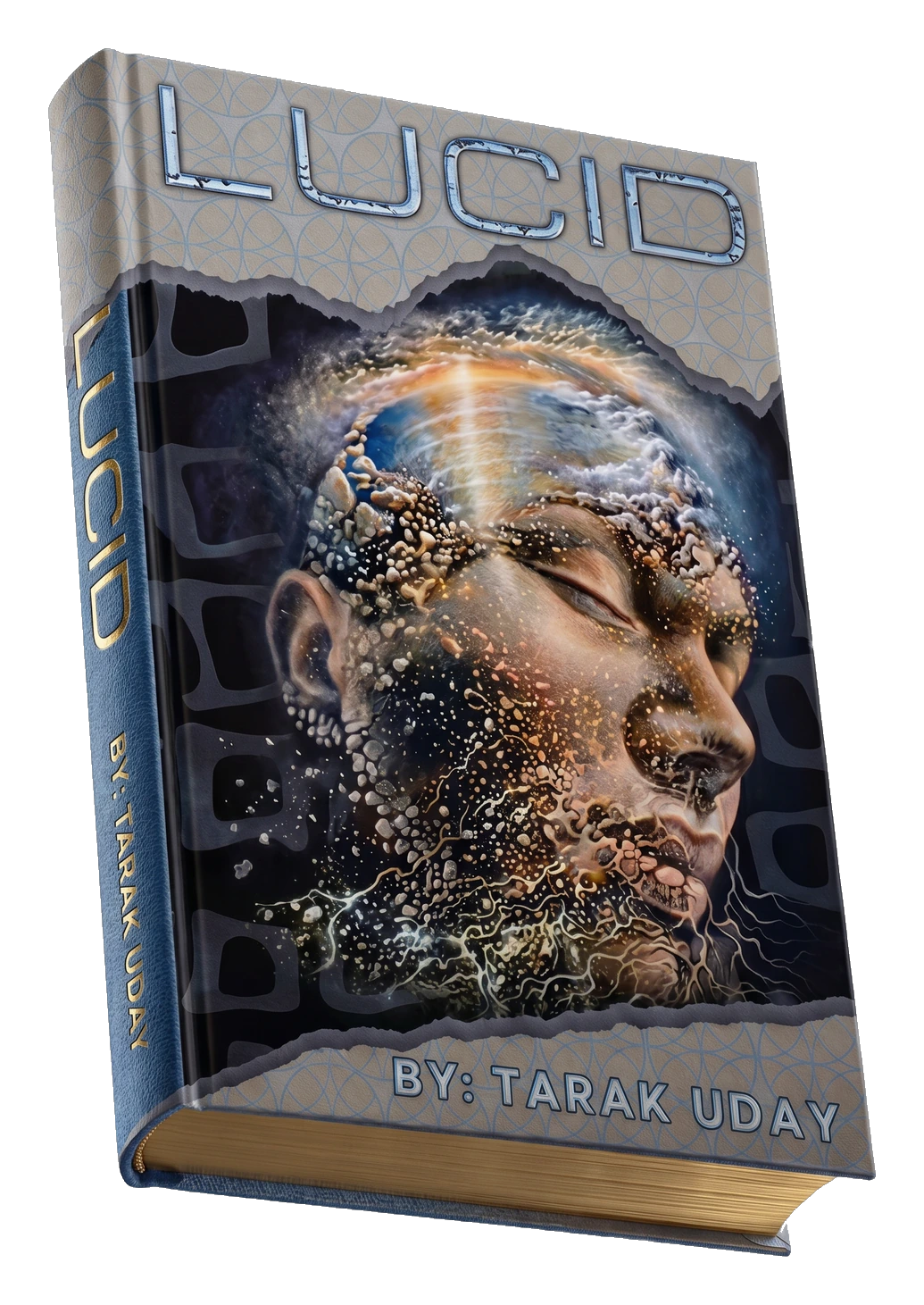
LUCID
You've tried every lucid dreaming technique. Most miss the root cause. LUCID reveals what they all skip.
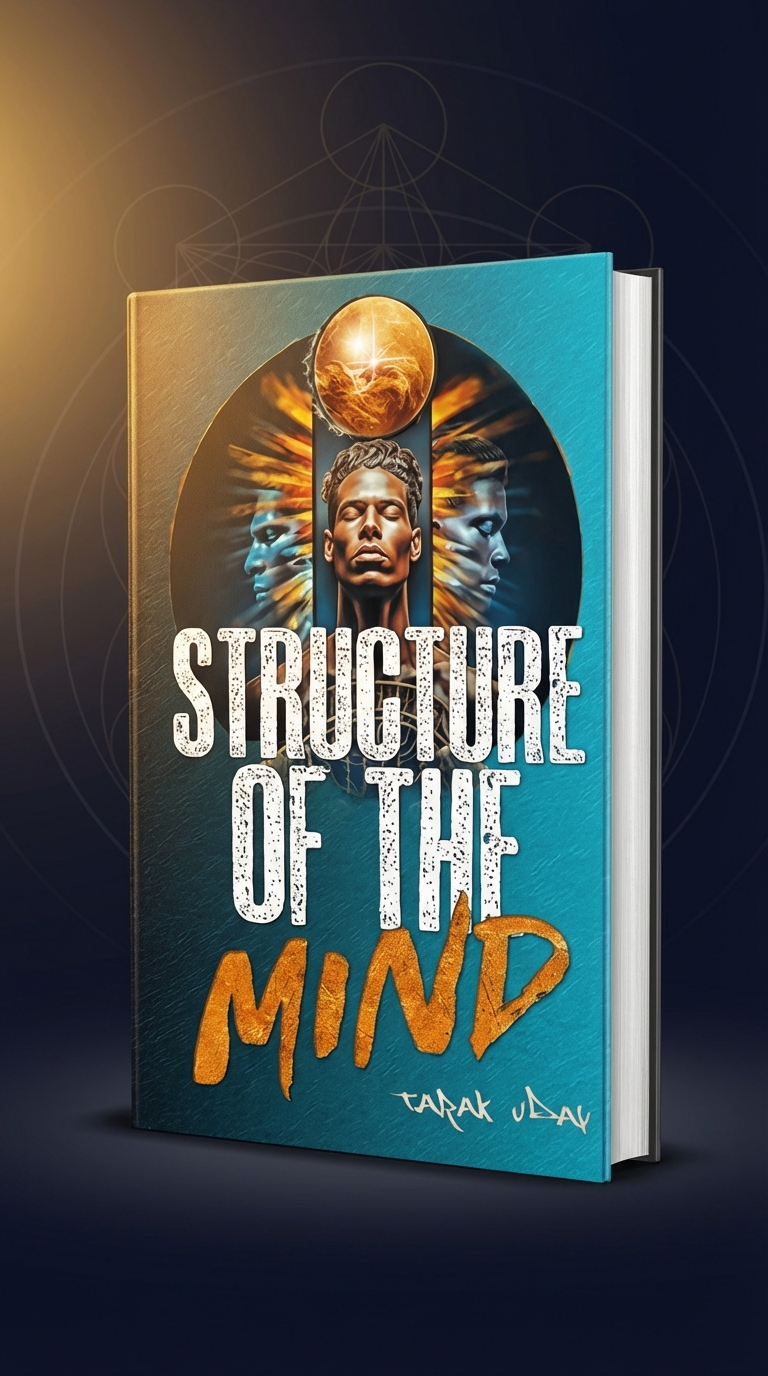
Understand Your Own Mind
"Structure of the Mind" reveals the three divisions of mind, seven levels of consciousness, and powers of mind that most people never learn to develop.