
Dreaming of Your Deceased Mother or Father: Visitation or Symbol?
Some of these dreams are a real visit. Most are your own mind speaking in its own language. Here is how to tell which one you had.
You were standing in the kitchen you grew up in, or sitting on the edge of a bed, and there she was, or there he was. Your mother. Your father. Alive, close, and so ordinary that for a few seconds you forgot the funeral. Then you woke up, and the room was quiet, and your chest was full of something you couldn't name: part comfort, part ache, part the question you're now asking. Was that really them?
A dream of a deceased parent is one of two real things. It is either a visitation, a shared experience with the soul of someone who no longer has a physical body, or it is a symbolic dream, where the parent is an aspect of you. In the Universal Language of the Mind, mother and father are the superconscious mind, and dead is a major transformation. Telling the two kinds apart is possible, and it starts with how the dream felt, not what happened in it.
Is it really your mother or father visiting you?
Sometimes, yes. Tarak Uday teaches in Life Is But a Dream that after we pass we no longer exist in the physical body but continue in the inner levels of the subconscious mind, using the soul. While you dream, you exist in those same planes. So a visitation dream is a shared experience with another being, and it is as real as a conversation in your kitchen. Nothing in the teaching asks you to doubt it.
But not every dream of a parent who has died is a visit, and treating them all as visits leaves you unable to read the rest. The same teaching says that in a symbolic dream every person, place and thing is an aspect of the dreamer, and that only the dreamer can interpret the dream. A parent appearing in that kind of dream is not the parent's soul. It's a part of you wearing their face.
So the honest answer is that it could be either, and you are the only one who can tell. Here is how.
How do you tell a visitation dream from a symbolic one?
By the marks, and the book LUCID names them. A genuine visitation dream has a different feel from the rest of your dreaming. Not much else is going on. The loved one is the main focus, not a figure in a crowded scene. Their mouth does not move, and the communication is telepathic: you simply know what they mean. It is often a message of love and appreciation. And they appear as the happy, healthy self they envision, younger and well, even if they passed from an illness.
Read those against your own dream. If your father was ill in the dream the way he was in his last months, and the scene was crowded with other people and events, that is not the visitation pattern. If your mother stood quietly in the light, looked well, and you knew without words that she loved you, it fits.
These marks are the reader's tool, not a verdict. One mark alone proves nothing, and you may find a dream carries some of them and not others. Hold what you found and keep reading, because even a dream that fails the visitation test is not wasted. It is simply speaking a different language.
What does it mean if the dream was symbolic?
It means a part of you is changing, and your parent is how the dream shows it to you. In the Dream Symbol Dictionary, mother means the superconscious mind and father means the superconscious mind: the higher, wiser levels of you that guide from above. Dead means a major transformation, something that has ended so that something else can begin.
Put them together and the picture is exact. A deceased mother or father in a symbolic dream is your own superconscious guidance, in a form you cannot ignore, speaking about something in you that is ending or transforming. It isn't about their death. It is about yours, in the only sense that matters while you are alive: the death of an old way of being.
Look at what the parent did. A mother handing you something is the superconscious offering you a quality. A father turning away is guidance you've stopped listening to. A parent who says nothing and only looks at you is asking you to look at yourself. The scene is a sentence written in your own symbols, and you can read it because you know what that parent has meant in your life.
That last part is why no list of fixed meanings can close your dream. This article gives the method. What your mother stood for, what your father stood for, and what is ending in you now, only you can supply.
Why do you keep dreaming about dead parents or relatives?
Because the subconscious mind repeats what hasn't been resolved. A dream that returns is not a haunting. It is the same message knocking again because the first knock was missed.
If the parent appears again and again, ask what has stayed unfinished: a conversation, a decision, an old pattern you inherited and have not yet set down. The recurring visitor is often a recurring question. For a wider look at why departed family keeps appearing, grandparents included, the article on why you keep dreaming about dead relatives goes through it.
There is one more possibility, and it's the gentlest. Visitation dreams can be incubated. If you want to meet your parent, you can set that as the last intention before sleep, and some people find the dream comes. That is not an obsession. It is a practice, and it is quiet and unforced.
Tarak Uday takes this further in Life Is But a Dream, his guide to reading every dream in the Universal Language of the Mind.
What should you do after you dream about a deceased mother or father?
First, write it down before the room wakes you fully. The feeling fades faster than the images, so note the feeling first: did it feel like a visit or like a plot? Then write what they looked like, what they did, whether their mouth moved, and what you knew when you woke.
Second, hold both readings open for a day. If it was a visit, let it be a visit. Take the message of love in without arguing yourself out of it. If it was symbolic, ask the one honest question: what in me is ending, and what does this parent stand for that I'm being asked to carry forward or put down?
Third, read your dream against the symbols themselves. The glossary pages for mother and father show each as the Dictionary reads it, and the article on a deceased person talking to you in a dream goes further into what was said.
This is where CHITTA earns its place. One dream is a sentence. A dream journal shows whether the same parent keeps coming, whether the feel is always the same, and whether it changes as you do. Over weeks, you will see whether you are being visited or being shown yourself, and no single reading can see that. The symbol dictionary lays out what each symbol is made of in the Universal Language of the Mind, so you are not guessing.
Write down how it felt while the feeling is still fresh, then let the symbol dictionary show you what your mother or father stood for in your own dream. Start your dream journal.
That is the method. It can't tell you what they said, or what they meant, and only the dream you had holds that.
Frequently Asked Questions



Books by Tarak Uday

Learn The Language Your Dreams Speak
"Life Is But a Dream" teaches the Universal Language of the Mind — how to read any dream symbol by what it is and what it does, so every dream becomes a message you can act on.
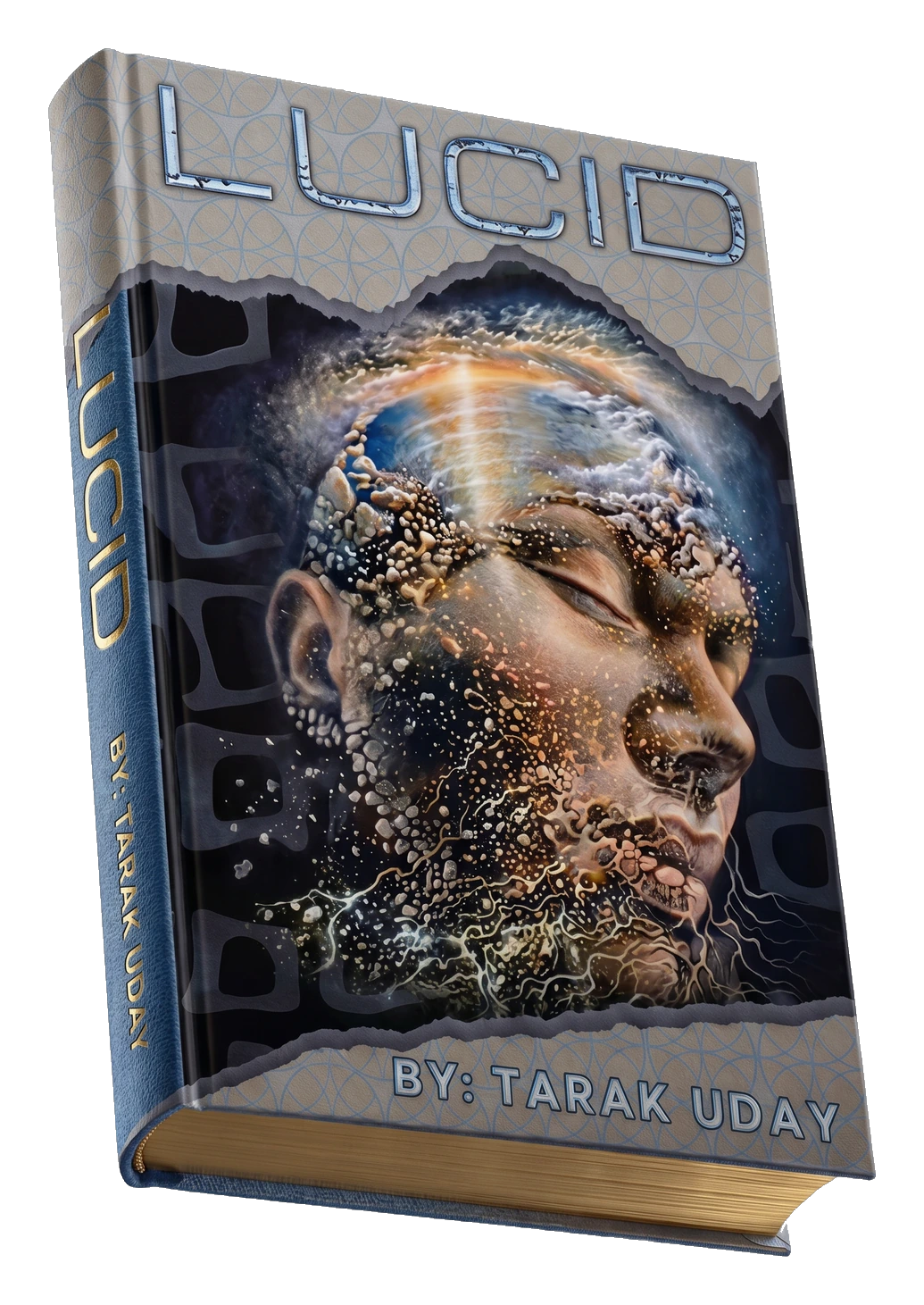
LUCID
You've tried every lucid dreaming technique. Most miss the root cause. LUCID reveals what they all skip.
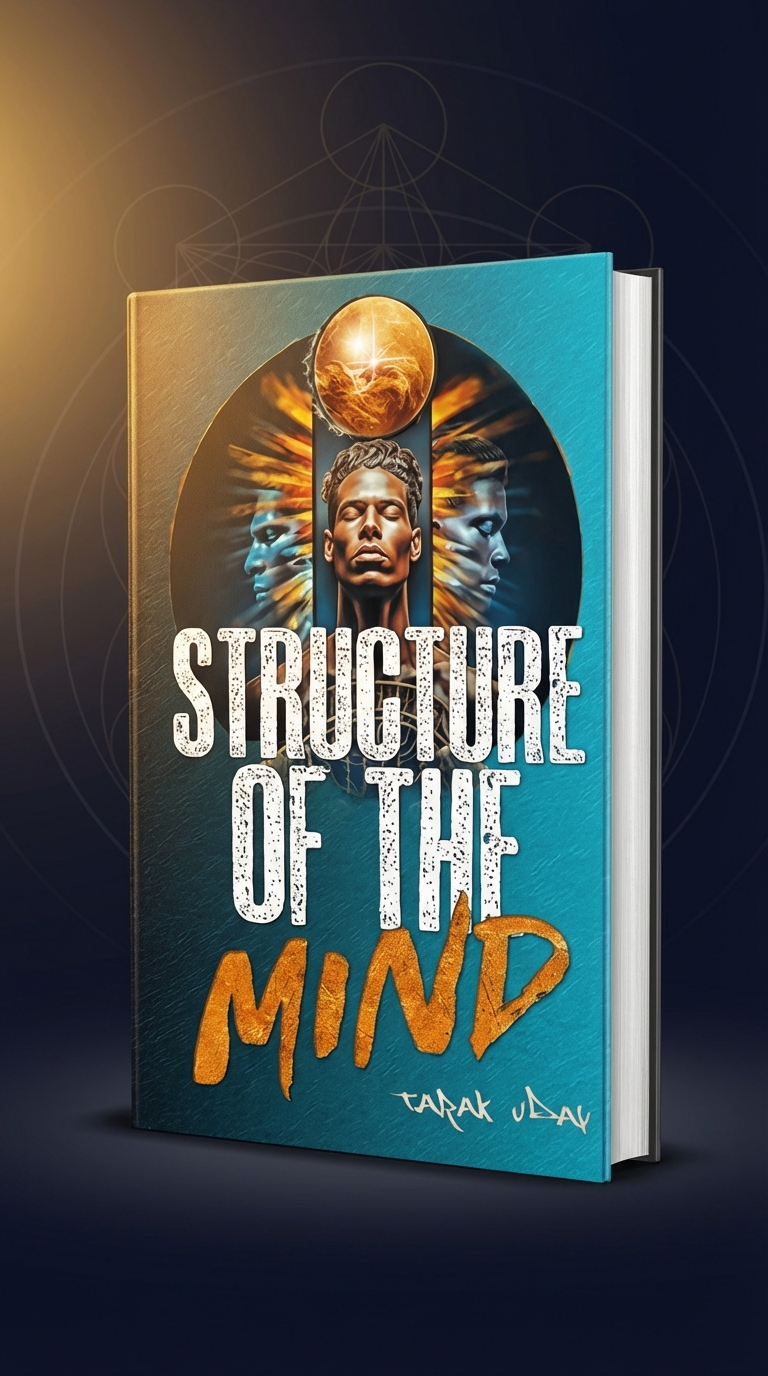
Understand Your Own Mind
"Structure of the Mind" reveals the three divisions of mind, seven levels of consciousness, and powers of mind that most people never learn to develop.