
Dream Interpretation App vs Therapist - What Each One Is Actually For
They were never competitors. Treating them like one is exactly why people feel let down by both.
Dream interpretation app versus therapist: which do you need? Usually not the one you're framing it as. They aren't competitors doing the same job worse or better. A therapist works on your waking life - your patterns, relationships, and mental health, with a trained human and clinical accountability. A dream interpretation app decodes the specific messages your subconscious sends at night. According to the Universal Language of Mind, those are two different layers of the same self, and using one tool for the other's job is exactly why people walk away disappointed in both.
So you're lying awake weighing it. Therapy is a real commitment - time, money, the vulnerability of sitting across from someone. The app is right there, instant, private, cheap. Part of you wonders if the app could just... do the thing therapy does. And another part wonders if that's a cop-out.
Here's what nobody frames correctly: this was never an either-or, and treating it like one is how you end up let down. Let's define what each is genuinely for - because when you use each for its real strength, they don't compete. They stack.
What Is a Therapist Actually For?
A therapist is for your waking life and your mental health - full stop, and it's a serious full stop. A trained clinician helps you work through trauma, relationships, anxiety, depression, and the long patterns that shape how you live. There's a human relationship, professional training, ethical accountability, and the capacity to respond to crisis. Nothing here replaces that, and nothing should try to.
What a therapist typically is not is a specialist in the symbolic language of your dreams. Most therapeutic modalities today spend little time decoding dream symbols, and when they do, it's often through a Freudian or Jungian lens that treats meaning as interpretive and personal rather than fixed. That's not a knock. It's just not what most therapy is built to do. If you bring a vivid dream to a session, you'll often get a thoughtful conversation about your feelings - which is valuable - but not a precise decoding of what the dream was actually saying.
A therapist works on your waking life with clinical care. A dream decoder reads the messages your subconscious sends at night. Different layers, different jobs. The disappointment comes from asking one to do the other's work.
What Is a Dream Interpretation App Actually For?
A dream interpretation app is for decoding the specific communications your subconscious sends while you sleep. In the Universal Language of Mind, dreams are the subconscious talking to the conscious mind in symbols, and each symbol has a fixed meaning based on what it does. A good app reads that language - it tells you that being chased means avoiding something, that water is conscious life experience, that teeth are how you break down new understanding. That's a job software can do instantly, privately, and at 3 a.m. when no therapist is awake.
What it's not for is crisis, diagnosis, or the human relationship of therapy. An app can't hold you through a breakdown or catch a warning sign a trained clinician would. So the honest positioning is narrow and real: a dream app is the best tool for decoding a dream, and the wrong tool for treating a mind in distress. Keep those straight and it becomes genuinely useful instead of quietly disappointing.
"Ask a therapist to decode a symbol, or an app to hold a crisis, and both will let you down - not because they're bad, but because you asked the wrong one."
How Do a Therapist and a Dream Decoder Work Together?
They work together because dreams are data your waking-life work can use. Your subconscious processes everything you're living through, and it reports back in symbols every night. Decode those symbols and you get a running, honest read on what's actually happening beneath your conscious awareness - which is exactly the raw material that makes therapeutic work sharper. The dream shows the belief; the therapy room is where you do something about it.
So the stack looks like this. The app decodes tonight's dream and hands you a clear message - say, that a recurring dream is pointing at a belief you keep avoiding, which we cover in the best dream interpretation app for recurring dreams. You carry that specific, decoded insight into your waking life and, if you're in therapy, into the room. One tool reads the message. The other helps you act on it. That's not competition. That's a pipeline.
Why Does the Dream Layer Get Ignored Entirely?
The dream layer gets ignored because modern culture quietly decided dreams were meaningless - random neural static, nothing to read. So people either dismiss their dreams or hand them to whatever generates a paragraph fastest, and never suspect there's a precise language underneath. That's the wrong belief doing the damage: not that therapy is better than an app, but that dreams don't carry real, decodable information in the first place.
They do. As Tarak Uday lays out across Life is But a Dream and LUCID, dreams are a structured communication from the subconscious, not noise - a 5,000-year-old tradition rooted in the Vigyana Bhairava Tantra treated them as one of the mind's most reliable instruments. Once you stop believing dreams are random, the whole question reorganizes. It's not app versus therapist. It's a night channel and a day channel, and most people were only ever using one.
"The dream diagnoses. It shows you exactly where you are. What you do with that diagnosis - that is the work of waking life."
- Tarak Uday, Life is But a DreamWhich One Should You Choose Right Now?
Choose by the problem in front of you, not by which feels more serious. If you're struggling with your mental health, in distress, or working through trauma, that's therapy, and no app is a substitute - please treat that as the clear line it is. If you keep having a dream you can't shake and you want to know what it means, that's a dream decoder, and a good one will tell you faster and more precisely than a therapy session would. Most people, honestly, benefit from both, aimed at their right targets.
And when you do reach for the dream tool, the same rule applies that separates any working app from a talkative one: does it decode against a fixed system, or generate a different answer each time you ask? A dream app that improvises is as misaimed as asking a therapist to read tea leaves. We ranked the field on exactly that in the best dream interpretation apps and the top 5 dream interpretation apps for 2026.
A therapist and a dream interpretation app aren't rivals - they operate on different layers of you. Therapy works your waking life with clinical care; a dream decoder reads the subconscious messages underneath it through the Universal Language of Mind. Use each for its real job and they stack: the dream shows the truth, the waking work changes it. The disappointment only comes from confusing the two.
Get the dream half of the picture, precisely. Bring your dream to CHITTA for a Universal Language of Mind decoding - the clear, consistent read you can carry into your waking life, and into the therapy room if you're in one.
So stop framing it as a contest you have to settle. The night self and the day self were never enemies. Decode what your dreams are saying, do the waking work of living it out, and let each tool do the one thing it's actually for. That's not choosing between them. That's using both correctly.

Frequently Asked Questions


Books by Tarak Uday
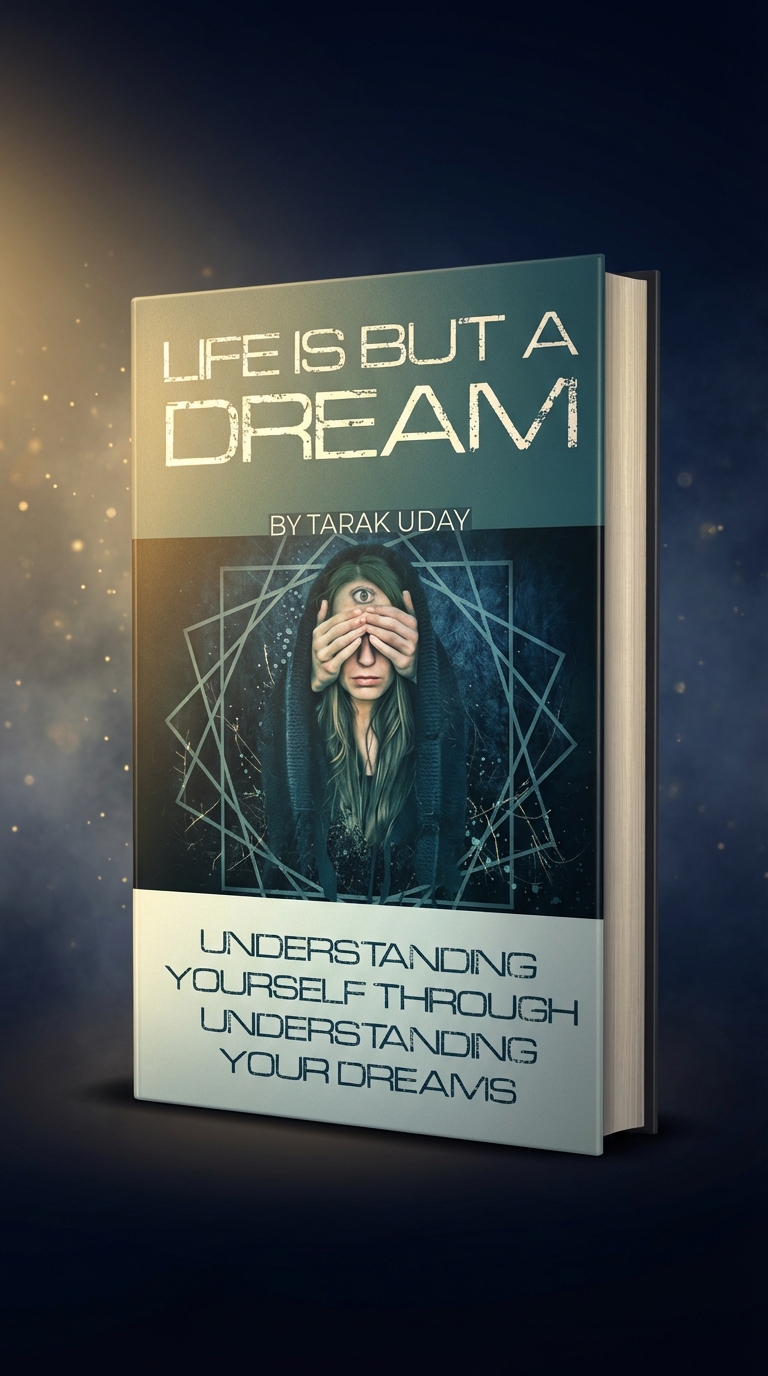
Learn The Language Your Dreams Speak
"Life Is But a Dream" teaches the Universal Language of Mind — how to read any dream symbol by what it is and what it does, so every dream becomes a message you can act on.
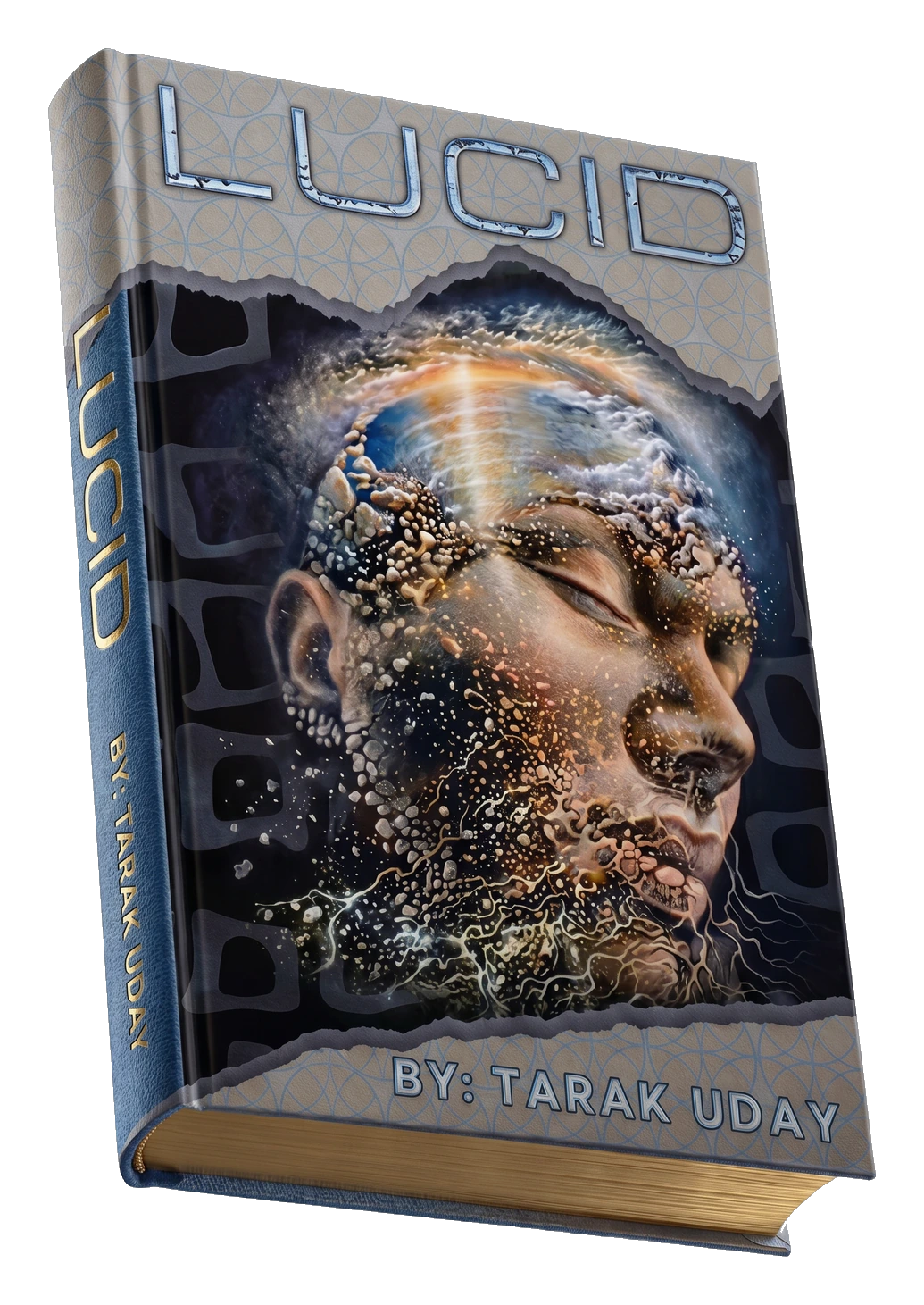
LUCID
You've tried every lucid dreaming technique. Most miss the root cause. LUCID reveals what they all skip.
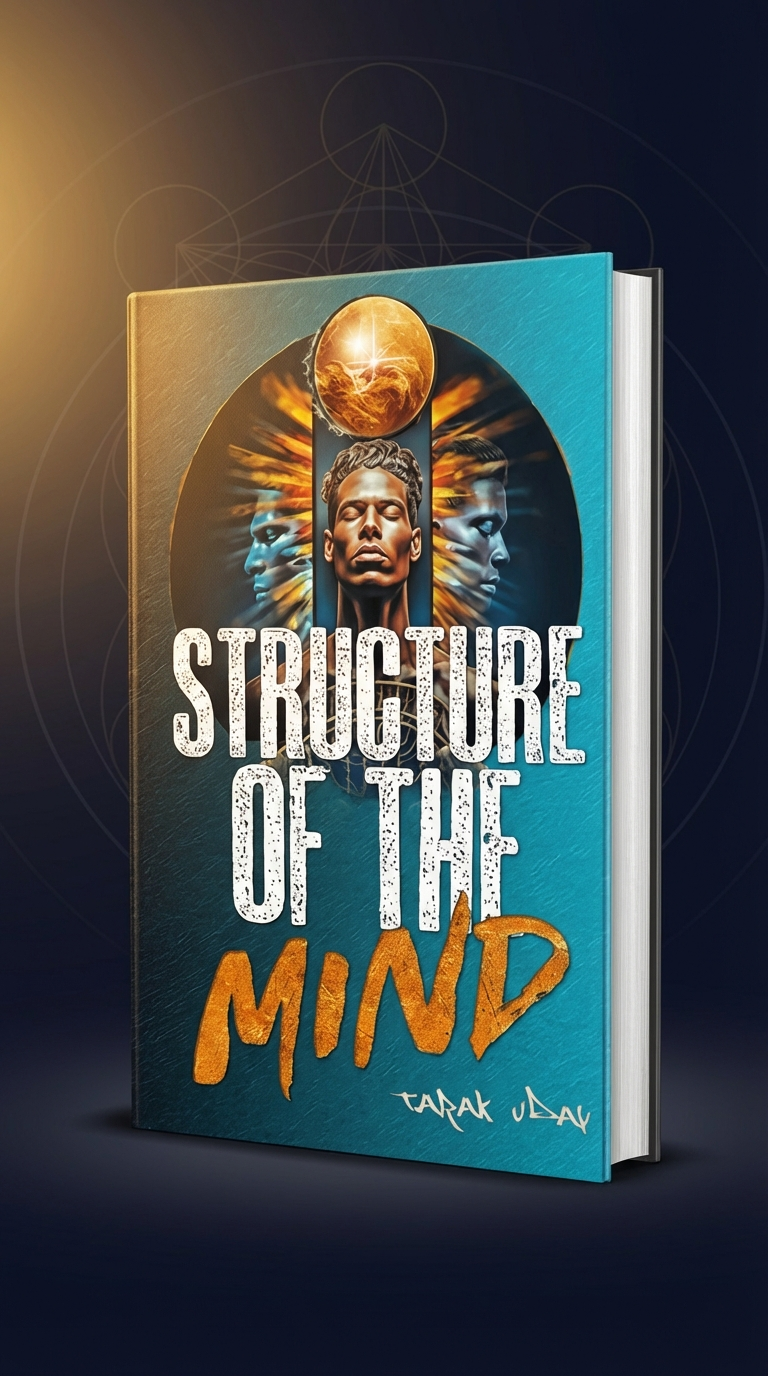
Understand Your Own Mind
"Structure of the Mind" reveals the three divisions of mind, seven levels of consciousness, and powers of mind that most people never learn to develop.