
Why "If This Were My Dream" Dream Groups Get It Backwards
A dream sharing group is only as useful as the language it reads in. When every listener projects their own mind onto your dream, you walk away with a portrait of them. When the group reads universal meaning and you supply the application, you walk away with your message.
A dream sharing group works when everyone in the circle reads your dream in the same universal language of symbols, and you, the dreamer, supply the one thing nobody else can: where the message lands in your waking life. The popular "if this were my dream" format does the reverse. You know the moment. You tell the dream you've carried around all morning, the house with a room you'd never seen, the car you couldn't steer, and one by one people tell you what it would mean if it were theirs. You leave with six interesting readings and no idea what your own dream was saying. That dream you brought is still waiting for its answer.
So here's what you've probably been told. Only the dreamer knows what a dream means, so the respectful thing is for each listener to own their projection, speak only for themselves and let the dreamer keep whatever resonates. It sounds humble. It sounds kind. And it quietly guarantees that nobody in the room ever reads your dream at all.
What Actually Happens in an "If This Were My Dream" Group?
Look at the mechanics for a second. Someone tells a dream. Each listener imagines the dream as if it were their own and says what it would mean for them. "If this were my dream, the dark hallway would be my fear of my father." "If this were my dream, the car would be my career." The dreamer collects the pieces and keeps what feels right.
Now ask yourself what you actually received. Every one of those readings was built out of the listener's history and fears. The woman who saw her father in the hallway told you something true, and it was true about her. The man who saw his career in the car told you something real, and it was real about him. You didn't get your dream read six times. You got six people's minds described to you, using your dream as the screen they projected onto.
That's not a flaw in the people. It's the method working as designed: two faces looking at each other, each seeing only herself.
And there's a second problem hiding inside the word "resonate." It's the part that keeps a group circling the same dreams for years.
Why Does Projection Get Dream Interpretation Backwards?
Here's the correction. The mind communicates in images, in a consistent language that has been the same for every human being for thousands of years. That's the Universal Language of Mind. It isn't anyone's invention and nobody owns it. Tarak Uday teaches it, and in LUCID he writes: "Every symbol in this language means the same thing for every person."
A house represents a state of mind. Water represents life experience. A vehicle represents the physical body. Food represents knowledge. These meanings come from form and function, what a thing is and what it does, and they hold for everybody in the room.
There are exactly two categories with a personal element: people and animals. A person in your dream represents the quality you most associate with that person, as an aspect of you. An animal represents a habit, the habit you personally see in that animal. Notice whose association it is. The dreamer's. Never the listener's.
So now look at what the projective method does. It takes the symbols that are universal and makes them personal, and it takes the symbols that are personal and hands them to the wrong person. Your sister in your dream gets read through somebody else's sister. Your house gets read through somebody else's childhood home. The universal half is thrown away and the personal half is given away. That's backwards on both counts.
Tarak Uday, LUCID
Now the word "resonate." In a projective group, a reading that doesn't resonate is politely set aside. Tarak describes giving a dreamer an interpretation, hearing that they don't see any of that going on in their life, and asking one question: was it light out or dark out? The answer he reports: dark. As he puts it in LUCID: "The message contained within the dream is difficult for these people to identify because it is pointing out something that they are unaware of."
So the readings that don't resonate are very often the ones pointing at what you can't yet see. A group that lets resonance be the filter keeps the comfortable readings and discards the useful ones. That's how the same dream comes back for months. One dream is a sentence. The same symbol returning across a season is a paragraph, and it's saying something that no single evening in a circle can hear.
What Changes When a Group Reads Universal Meaning and the Dreamer Supplies the Application?
The work splits cleanly in two. The group's job is the language. The dreamer's job is the life.
Picture a circle where everyone is actually practicing the language. Someone shares that they were driving and lost control of the car on a wet road. Nobody says what it would mean if it were theirs. They ask what the symbols do. A vehicle is the physical body. Water is life experience. Somebody notices the detail the dreamer rushed past, that it was night. Somebody else asks who was in the passenger seat, because that person is an aspect of the dreamer, and only the dreamer can say which quality they associate with them.
Then the question turns to the one person who can answer it: where did you do that yesterday? That's application, and it belongs to the dreamer alone. In LUCID, Tarak calls application the most important step of the whole practice: "Without application, the rest is a waste."
That division of labor is what makes practicing among people doing the same work so different from talking about dreams with people who find them interesting. In a projective circle, a dream is a prompt for conversation. In a circle that reads the same language, it's a message. The symbol you skipped gets caught. Nobody's opinion is the authority. The language is.
And here's why that accelerates growth. When the meaning of a house is settled, nobody spends the evening debating it. The group's energy goes into the step that transforms you.
There's a catch. A group can't read a dream you didn't write down. Every night the subconscious mind communicates with you, and most of it is gone before breakfast, because recall is a trained skill rather than a gift.
How CHITTA Accelerates This: What Does a Group Need Before It Can Read a Dream Together?
So now you know what a useful dream group needs: a shared language, a dream that was actually recorded, and a dreamer willing to apply it. And you can see the gap. Most people walk into a circle with a half-remembered fragment and no way to check whether a reading is the language or someone's opinion. Without a shared reference, projection is all anyone has.
Tarak Uday takes this further in Life Is But a Dream, his guide to reading every dream in the Universal Language of Mind.
That's the gap CHITTA closes. The dream journal turns this morning's dream into a dated entry before it fades, so you bring the dream itself. The symbol dictionary holds the universal meaning of each symbol, by form and function, so a disagreement gets settled by the language, not by the loudest voice. The interpretation engine decodes the dream in the Universal Language of Mind symbol by symbol and in sequence, so you arrive with the universal half already read and the personal half clearly marked as yours.
Here's why that compresses the time. What was a debate becomes a reference. What was a fragment becomes a record. And when you bring that record to the Sanctum, a community of people actively doing the work, the people beside you read your dream in a language you share instead of projecting onto it. The conversation starts at application.
The Structure of the Mind lessons and the masterclasses are being turned on shortly. But none of it starts with a lesson. It starts with one dream, written down.
What Do You Ask Tonight When You Share a Dream?
Tonight, do one thing. Share one dream tonight and ask what its symbols do, not what they mean to the listener. Tell it plainly to someone doing the same work. Then ask two questions, in this order. First: what does each symbol do? The house, the water, the vehicle, the stranger. Second, and this one you ask yourself: where did I do that yesterday?
If someone starts with "if this were my dream," thank them and gently bring it back. You're asking what it says, in a language you both share.
Bring one dream to people doing the work
Write tonight's dream down, read its symbols by what they do, and share it where the language is shared.
Visit the SanctumThat's what a dream sharing group is for, and that's why "if this were my dream" gets it backwards. What no group can tell you is which moment of your waking day the dream was pointing at. That answer is sitting in your own yesterday, waiting for you to look.

Frequently Asked Questions



Books by Tarak Uday

Learn The Language Your Dreams Speak
"Life Is But a Dream" teaches the Universal Language of Mind — how to read any dream symbol by what it is and what it does, so every dream becomes a message you can act on.
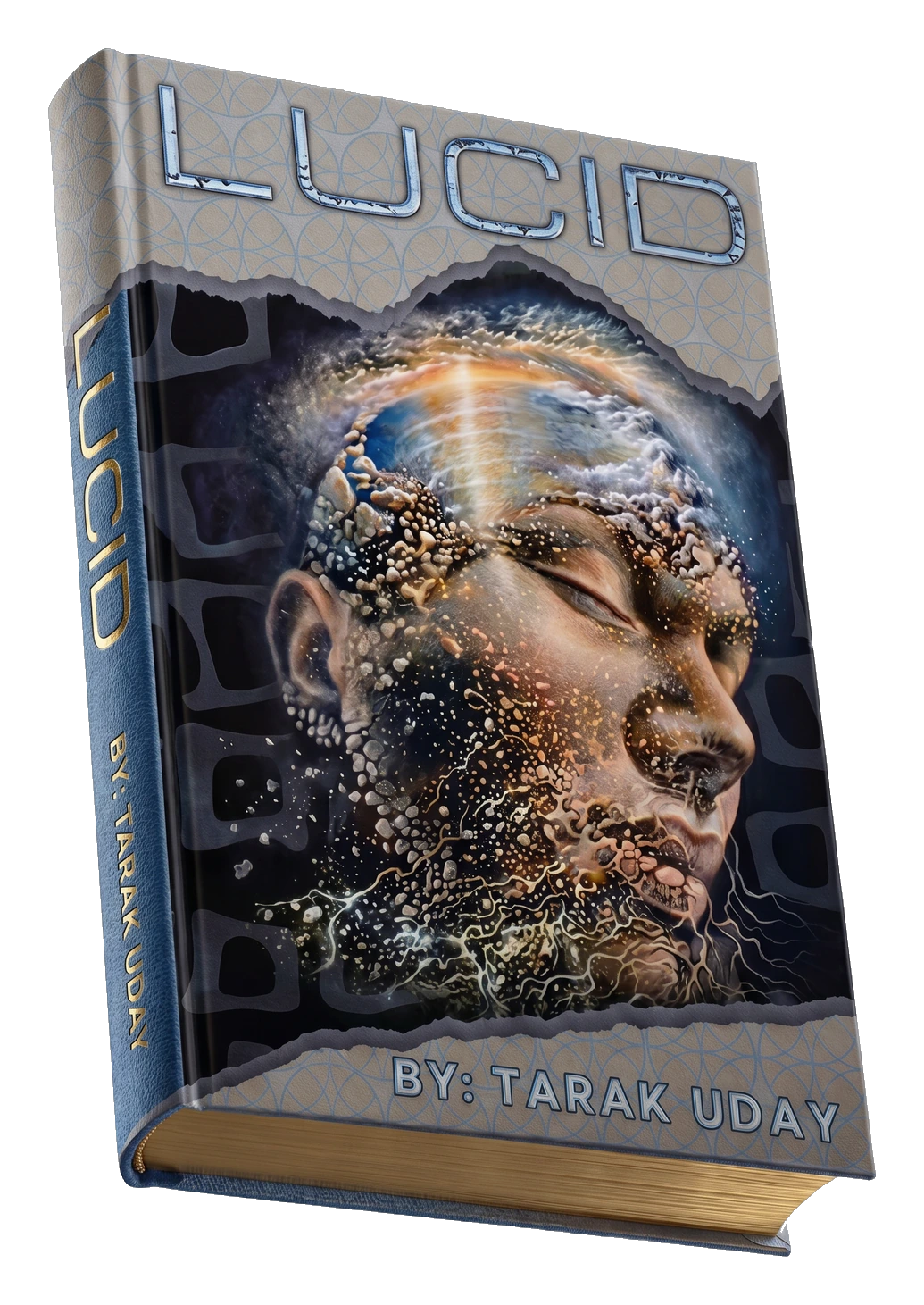
LUCID
You've tried every lucid dreaming technique. Most miss the root cause. LUCID reveals what they all skip.
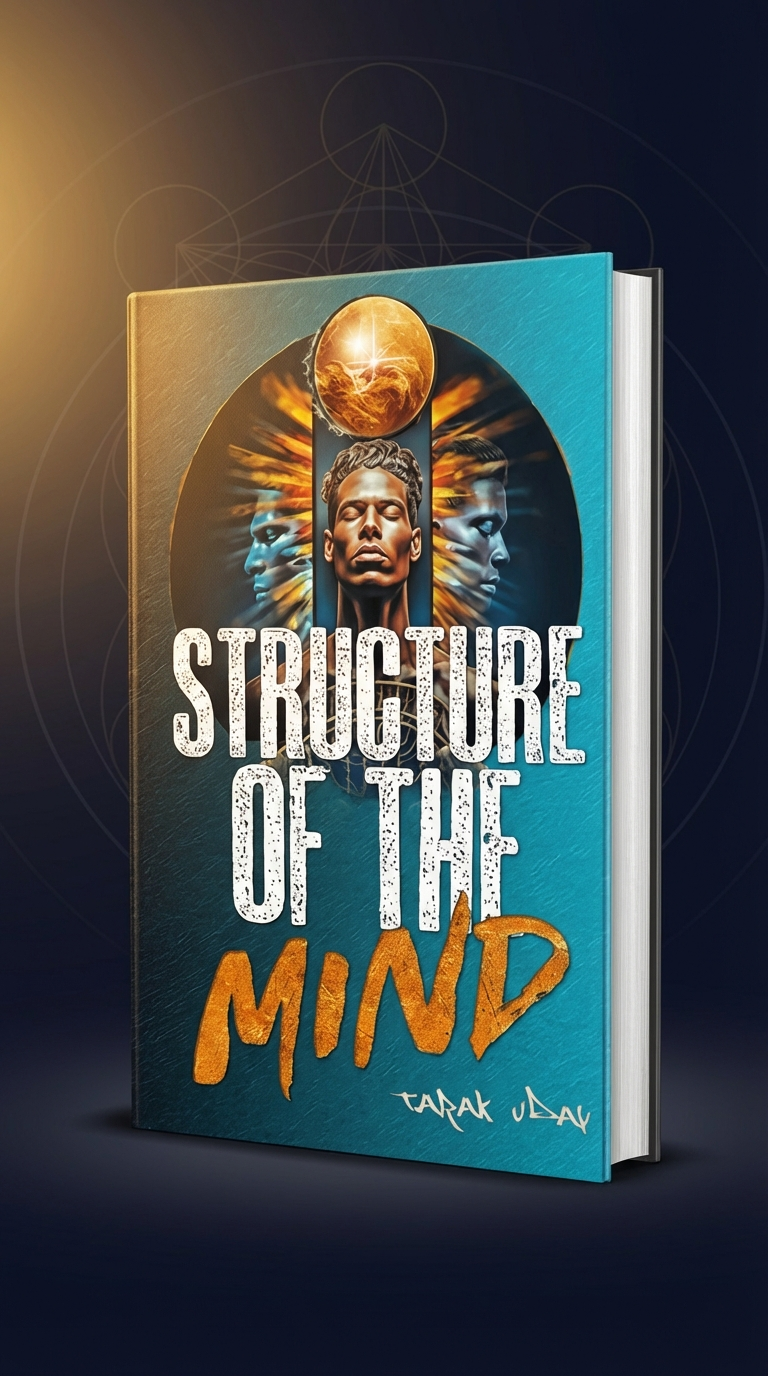
Understand Your Own Mind
"Structure of the Mind" reveals the three divisions of mind, seven levels of consciousness, and powers of mind that most people never learn to develop.