
How to Join a Spiritual Community Online: 7 Things to Look For
You've joined groups before and left lonelier than you came. The missing piece wasn't the people. It was what you brought with you.


To join a spiritual community online, decide first which practice you want to be held to, then look for seven things: a shared language, practice over belief, a written record, a teacher who points you back to yourself, members who are actually progressing, no pressure tactics, and a mirror instead of an audience. You've probably joined a few already. You scrolled, you liked a quote, you typed one honest comment about a dream that shook you, and three strangers told you three different things it meant. Then you closed the app lonelier than when you opened it. Hold on to that dream for a moment, the one you tried to describe and nobody in the room could read.
What Are You Actually Looking For When You Search for a Spiritual Community?
Most people think they're looking for people. Their people. A room, even a digital one, where nobody raises an eyebrow when you say you've been writing down your dreams. That wish is real, and so is the loneliness behind it. I went into where that loneliness comes from in why the spiritual path feels so lonely.
So here's the belief I want to flip. Belonging isn't what changes you. You can belong to a group for three years, agree with every post, and still be exactly the person who joined. Agreement is comfortable. It's also motionless.
What changes you is practice. And practice done alone has one weak point: nobody sees whether you did it. So the question isn't "where are my people?" The question is "where will my practice be seen?"
Joining itself takes a minute. An email, a button, a welcome message. That's exactly why it's worth so little as a decision. The decision that counts is what you carry in with you.
In the Structure of the Mind, as Tarak Uday teaches it, information doesn't transform anyone. Only experience does. In the book he puts the whole idea in one line:
Hold every community up against that sentence. Does this place produce experience, or does it only trade information? That's the test sitting underneath all seven.
What Are the First Four Things to Look For in an Online Spiritual Community?
1. A shared language
Remember the three strangers and the three meanings. That wasn't bad luck. That's what happens when nobody in the room uses the same words for the same things. One person says "energy" and means mood. Another means breath. A third means something they read last week. You can talk like that for a year and never actually meet.
A community that works has a language. In CHITTA that language is the Universal Language of the Mind, the ancient picture language your subconscious mind speaks in every night. It reads a symbol by its form and its function. A house is the mind. An animal is a habit. So when two people look at the same dream, they're reading the same sentence. They aren't guessing at each other. That's also why most dream-sharing groups get it backwards: they collect opinions where a language should be.
2. Practice over belief
Look at what the members do, not at what they say they believe. Is there something to do today, alone, in ten minutes, that you could do badly and then do slightly better tomorrow? A candle to hold your attention on. A dream to write down. A breath to follow. If the only activity is discussing, you've found a conversation. It may be a good one. It still isn't a practice.
3. A record, not a feeling
Here's the one almost nobody checks. Ask what people bring to the group. If they bring feelings, "this week felt expansive," nobody can help them, because nobody can tell what happened. If they bring a record, everything changes. In LUCID, Tarak gives the instruction in five words: "Be a scientist. Document everything." He means your tic-mark count from the candle exercise, how many dreams you recalled, how long you practiced the Long Breath. Numbers. And a number is the one thing another person can actually hold you to.
Which number moves first is different for every mind, and you can't know yours until you've counted for a few weeks.
4. A teacher who hands you back to yourself
There's nothing wrong with having a teacher. Somebody has to know the language before you do. What you watch is which direction they point. A guru points at himself. A teacher points at your own experience and tells you to go check.
Tarak opens Structure of the Mind with a request that sounds strange coming from an author: "Please do not believe a single word that you read within this book." He asks you to run the experiment and gather your own data instead. That's the standard. If questioning the person at the front gets you treated like a problem, you have your answer. Leave.
Which Three Things Tell You a Community Will Actually Change You?
5. People who are progressing, not just talking
Concepts are cheap. Anyone can repeat that thoughts create reality. Look for people a few steps ahead of you who can say what they did this morning and what it showed them. You don't need them to be impressive. You need them to be moving. Being around movement does something no article can do: it makes your own excuses sound thin. I wrote more about recognizing those people in how to find like-minded spiritual people.
6. No dark patterns
You know these from everywhere else on your phone. A countdown. "Only a few spots left." A guilt message when you go quiet. A door that's easy to walk in and hard to walk out. None of that belongs anywhere near the mind. Real practice doesn't expire on Friday. If a community needs pressure to keep you, it isn't keeping you with results. Look for plain terms, a clear way to leave, and nobody making you feel smaller for taking your time.
7. A mirror, not an audience
This is the one the other six exist for. Most online spaces are built as stages. You post, people react, you check who reacted. That trains you to perform your growth. A stage gives you an audience. What you need is a mirror.
In his writing on MetaMarketing, Tarak teaches that the mirror holds attention through self-recognition. The mind can't look away from something it recognizes as itself. That's the mechanic that makes a good community work. Someone describes the exact way their attention slid off the candle at minute four, and you realize that's you. In that second you've seen a pattern you couldn't see alone. Nobody gave you advice. You got recognition.
Your dreams work the same way. In the Universal Language of the Mind, every person in a symbolic dream is an aspect of you, shown to you so that you'll recognize it. A real community does in the daytime what the dream does at night.
So a community that passes all seven is rare. And you'll notice you can't even run the test without one thing: knowing what you would bring to it.
How Does CHITTA Accelerate Your Growth Inside a Spiritual Community?
Here's the gap this leaves you with. You now know a community should hold you to a practice and a record. But most people arrive with neither. They've got an intention and a feeling, and there's nothing in either one for anybody else to see.
CHITTA is the instrument that produces the record. The dream journal dates every dream you log, and the interpretation engine decodes it symbol beside symbol, so you and anyone you share it with are reading the same language. The candle exercise keeps your tic-mark count, one mark for each time your attention left the flame. If you want the drill itself, it's in the candle concentration exercise. The Long Breath log holds your minutes.
Tarak Uday takes this further in Life Is But a Dream, his guide to reading every dream in the Universal Language of the Mind.
Why does that compress the time? Because what was invisible becomes a dated line. "I think I'm getting better" turns into this week's count sitting next to last week's, and a line like that is something another person can see, question and hold you to. One dream is a sentence. The same symbol returning across months is a paragraph, and you only catch it when there's a record to read back.
And then there's where you take it. CHITTA's community is the Sanctum, a community of people actively doing the work. In LUCID, Tarak describes the app as something that "connects you with a community of people walking this same path." Reading your own dream alone is one perspective. Reading it next to people doing the same work is a different order of information.
What Will You Write Down Before You Join Anything?
Not tonight's signup. Tonight's sentence.
Before you join anything, this community or any other, take a piece of paper and write down what practice you want to be accountable for. One practice. Make it specific enough that a stranger could tell whether you did it. "Meditate more" won't work. "Ten minutes with the candle each morning, and I count the marks" will. "Write down my dream before I touch my phone" will.
Then write one more line under it: the number you'd be willing to show someone. Marks. Minutes. Dreams recalled.
Now you can walk up to any community with a real question. Not "do I belong here?" but "will this place see my practice?" Run the seven against it. Most will fail by the second or third, and that's worth finding out in an afternoon instead of a year.
Put the paper where you'll see it when you wake, because the first entry is already waiting. That dream you tried to describe, the one three strangers read three different ways: write it down exactly as it was, with tomorrow's date beside whatever comes next.
This article can tell you what to look for in a community. It can't tell you what your own record will show once somebody else is looking at it. Only the page you start tonight can.
Frequently Asked Questions



Books by Tarak Uday

Learn The Language Your Dreams Speak
"Life Is But a Dream" teaches the Universal Language of the Mind — how to read any dream symbol by what it is and what it does, so every dream becomes a message you can act on.
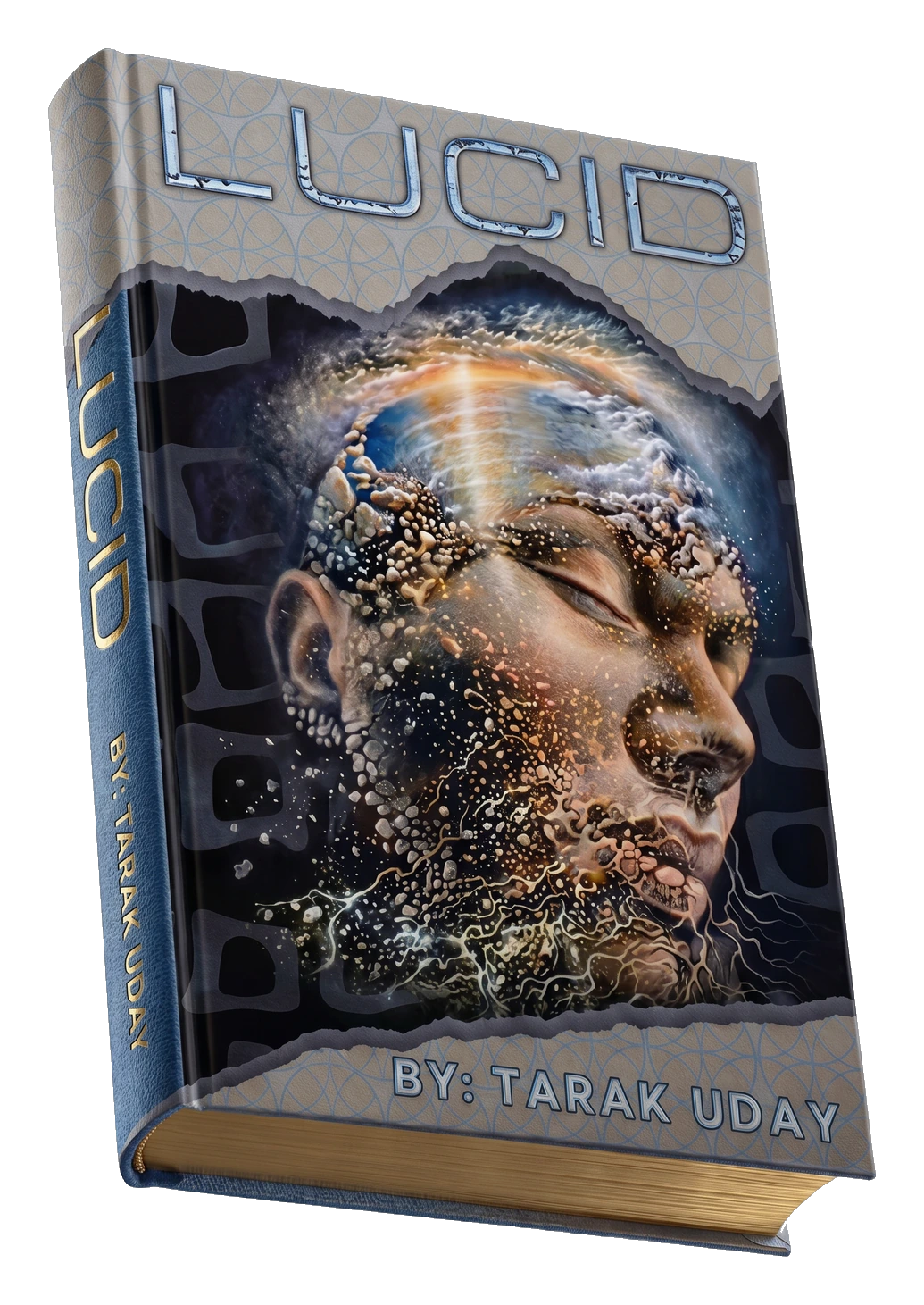
LUCID
You've tried every lucid dreaming technique. Most miss the root cause. LUCID reveals what they all skip.
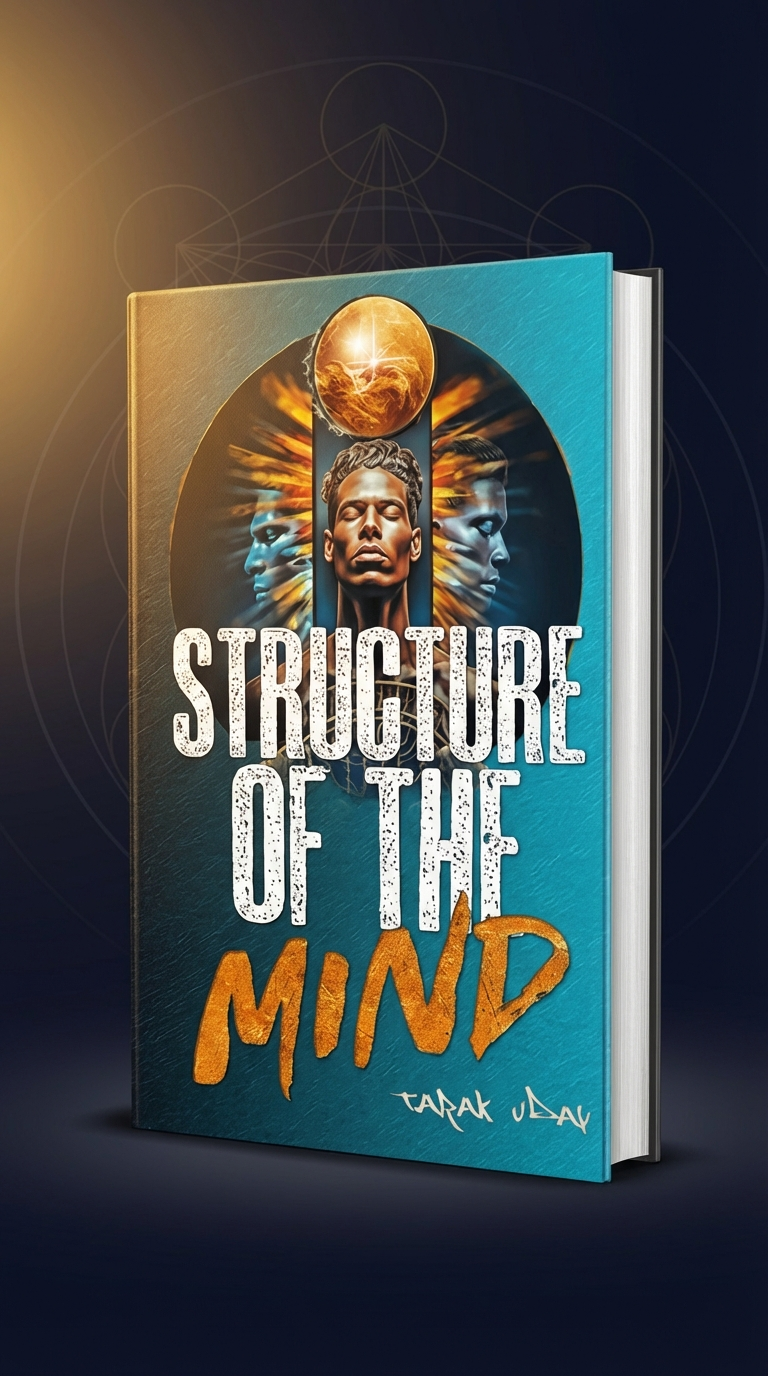
Understand Your Own Mind
"Structure of the Mind" reveals the three divisions of mind, seven levels of consciousness, and powers of mind that most people never learn to develop.