
Spiritual Accountability Partner: Why Practice Sticks When Someone Sees the Log
You don't need someone to ask how your practice feels. You need one person who sees the count, and has a count of their own.


A spiritual accountability partner is one person who sees the record of your daily practice, and the partnership works when what you share is a number, not a feeling: your tic-mark count, your Long Breath minutes, your dreams recalled. You already know the pattern this fixes. You start strong. A candle, a notebook, a promise made to yourself. On day four you wake up late and skip it. On day five you tell yourself you'll double up. By day nine the practice is something you used to do. Nobody saw you start, so nobody saw you stop. So here's a first number, and it costs nothing to find: how many dreams do you remember from last night? Hold that count, and hold the dream that came with it.
What Is a Spiritual Accountability Partner, Really?
Most people picture a kind friend who checks in. "How's your practice going?" "Good. Really good, actually. I feel more centered." You both smile, you both feel supported, and nothing at all was exchanged. A feeling can't be checked. It can't be compared to last week. And it bends, every time, toward whatever you'd like to be true.
So let's flip the picture. A spiritual accountability partner isn't there to ask how you feel. They're there to see the log.
In the Universal Language of the Mind, as Tarak Uday teaches it, the practices that build the mind are measured ones. Concentration, memory, breath and dream recall each leave a figure behind when you do them, and in LUCID the instruction for what to do with those figures is blunt:
A scientist keeps a lab notebook. A partner is the second pair of eyes on that notebook. Not a guru, not a counselor, not a cheerleader. A witness to the data, who has data of their own.
That last part matters more than it looks. Somebody who only talks about concepts can't hold you to anything, because they have nothing on the table themselves. The partnership runs on two logs, not one.
Why Does Practice Stick When Someone Sees the Log?
Here are the mechanics, and none of them are mysterious.
First, saying it makes it specific. "I'm going to get back into my practice" is fog. "Tomorrow morning: the candle, ten minutes" is a picture, and your subconscious mind doesn't process words. It processes images. The moment you tell another person exactly which practice you'll do, you've handed your own mind a clear image of tomorrow instead of a mood about it.
Second, a number can't be dressed up. "It went okay" hides everything. "Twenty-three tic marks" hides nothing. You don't get to round it into a story, and oddly, that's a relief. A count isn't a verdict on you. It's a reading, the way a thermometer gives a reading.
Third, a number seen twice becomes a trend. One session tells you almost nothing. In LUCID, Tarak Uday tells the student to "Look at your tic marks from week one versus week six," and then he says what that comparison is:
Alone, you'll skip the comparison. You'll forget week one, or quietly revise it. A partner who received your week-one number remembers it for you.
And there's a fourth reason, quieter than the rest. Willpower isn't a feeling you wait for. It's continuous action toward a desire, and continuity is exactly what breaks when no one is looking. A gap in a private notebook is invisible. A gap in a shared log is a blank where a number should be, and you'll both see it.
I won't hand you a study to prove any of this. This is the teaching, and it comes with its own test: run it for fourteen days and read your own log. You're the scientist here. Your data outranks my word.
One more thing before the numbers themselves. You already have a record-keeper you never appointed. As the daily practices settle in, LUCID describes how you begin to notice what your dreams are reflecting back to you about how you used your mind the day before. Your subconscious mind has been keeping a log all along. An accountability partner just makes sure a second one exists in daylight.
Which Numbers Do You Share With an Accountability Partner?
Four of them, straight from the record LUCID tells you to keep.
Your tic-mark count. In the candle concentration exercise you place your attention on the flame and hold it there. Each time you catch your attention somewhere else, you make a tic mark, take a breath and return. The count at the end is the number. A high count isn't failure. It's the measurement, and it's the only thing that lets a lower one mean anything later. The full setup is in the candle concentration exercise.
Your Long Breath minutes. How long you practiced. Not how deep it felt, not whether it was a good one. Minutes.
Your memory exercise time. The 5-Day 5-Step memory exercise is timed for a reason. How long it took on day three against how long it takes on day thirty is one of the cleanest trend lines you'll ever own.
Your dreams recalled. This is the number almost nobody thinks to share, and it's the one that shows whether the other three are working. The first three you produce by sitting down and doing the session. This one you can't force. It's the reply. You dream every night, whether or not anything survives the alarm, and remembering is a skill you train, the same as attention. So the morning count is a reading on how open the line is between your conscious mind and your subconscious mind.
Zero counts. Send the zero.
Notice what isn't on that list. The dream itself. You can share how many dreams you recalled without handing anyone the content, and that keeps the partnership clean. Your partner sees your count. What the dream is saying is still yours to decode, symbol by symbol, in the Universal Language of the Mind. The record LUCID asks for ends on exactly that point: whether you interpreted your dreams and applied them.
That's a yes or a no. It goes in the log too.
How Do You Choose a Spiritual Accountability Partner?
By one test. Are they practising something they count?
They don't need to be further along than you. They don't need to be doing the same exercise. They need a number of their own and the willingness to send it. Someone actively doing the work will take your nineteen tic marks as information. Someone who only collects ideas will take it as a cue to give a talk.
There are two kinds of people to pass on, kindly. The first wants to be your teacher. Every number you send becomes a lesson, and within a month you're practising for their approval instead of your own evidence. The second wants to comfort you. "Don't be so hard on yourself" feels generous, and it quietly erases the skipped day. You don't need to be forgiven for a blank. You need the blank to stay a blank, so you can see it.
Then keep the exchange almost boringly short. The night before: "Tomorrow: candle, ten minutes." Afterwards: "Done. Nineteen." The reply: "Seen. Mine was the Long Breath, five minutes." That's the whole conversation. No advice unless it's asked for. No praise required. Praise attaches to the person. The number attaches to the practice, and the practice is what you're both here for.
If nobody comes to mind, that says nothing bad about you. Most of the people around you aren't running these experiments, and you can't trade numbers with someone who isn't counting. How to find like-minded spiritual people covers where to look, and what to look for when you get there.
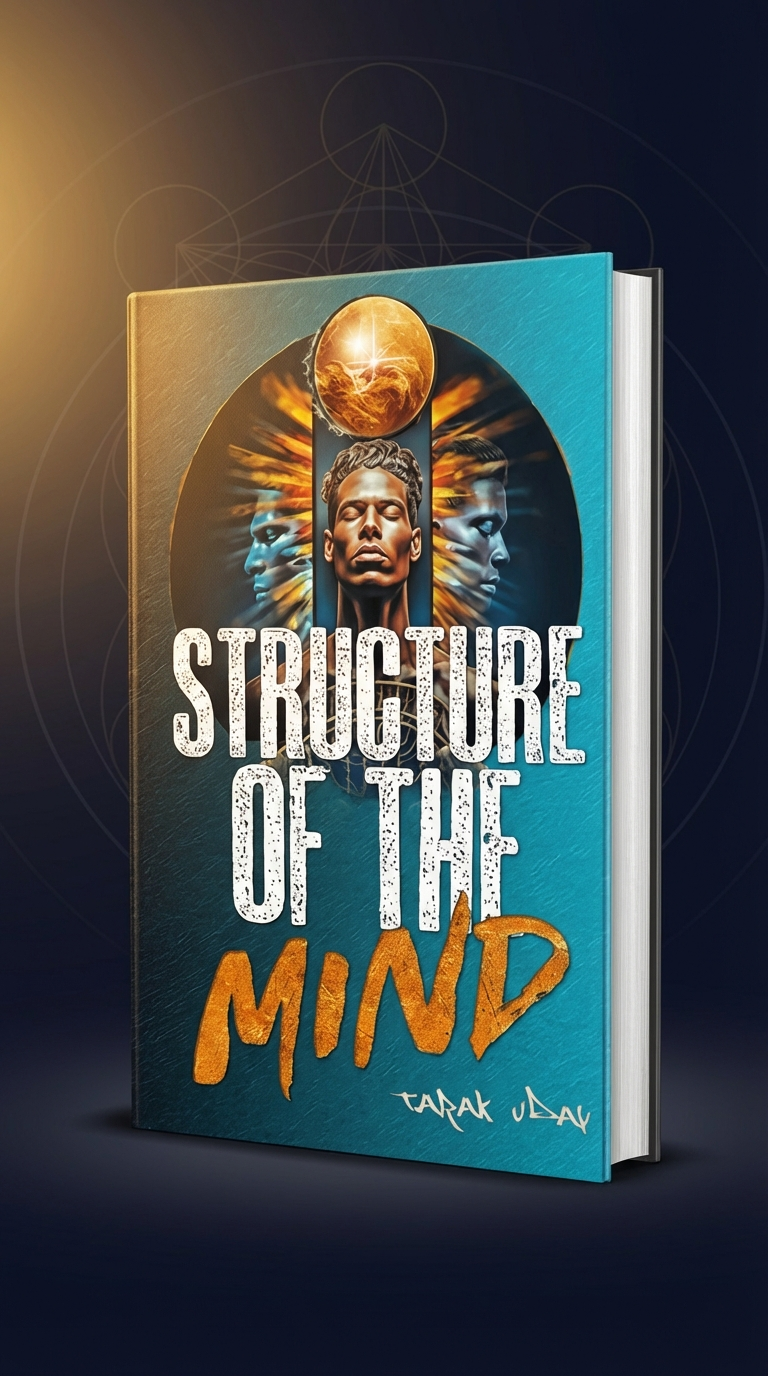
Tarak Uday takes this further in Structure of the Mind, his map of the three divisions of mind and the powers of attention, memory and imagination.
Something else happens after a few weeks of trading numbers. You start to see what moves yours. The mornings your count drops, the days it climbs, what you did the evening before. I can't tell you in advance what your pattern will be. Nobody can. It only exists in a log that's been kept, and it only gets noticed when two people are looking at it.
How Does CHITTA Accelerate an Accountability Partnership?
So the teaching leaves you needing two things: a number you can trust, and a person to send it to. Pencil and paper will give you the first, and they've always been enough. But paper scatters. A week-one page is hard to find in week six, and a number you can't find is a number you can't share.
CHITTA is built around these same figures. The candle exercise keeps your tic-mark count for each session, so week one and week six sit on one line. The Long Breath log holds your minutes. The dream journal dates every entry, which turns "I think I'm remembering more" into a count per morning, and the interpretation engine decodes each dream so the last item on the record, interpreted and applied, has somewhere to happen.
That handles the number. The person is the other half, and it's the half no instrument can fake. The Sanctum is a community of people actively doing the work. Not people discussing practice. People practising, who know what a tic mark is without being told. That's where "nineteen" means something to whoever reads it.
Here's why that compresses the time. What was a private impression becomes a dated record. What was a dated record becomes a record someone else has seen. Each step removes one more place where a skipped day could hide.
Who Will You Tell Before Tomorrow's Practice?
The whole experiment fits in two messages, and the first one goes out tonight.
Choose one practice for tomorrow. Only one. The candle for ten minutes, the Long Breath for five, the memory exercise, or simply writing down whatever dream you wake up with. Then tell one person, out loud or in a single line of text: which practice, and when.
Tomorrow, do it, and share the number afterwards. Not "it went well." The count. Nineteen tic marks. Five minutes. Two dreams. No dreams.
If the person you told asks what on earth a tic mark is, good. Explain it. You may have just found your partner.
Then do the same thing the next day, and the day after, and don't judge any of it until you have fourteen numbers in a row to look at. One number is a dot. Fourteen is a line, and a line points somewhere.
This article can tell you why the number works and which numbers to send. It can't tell you what your count will be tomorrow, or what it'll be in week six, or which dream will be waiting the morning your tic marks finally drop. Only the log can. And only once someone has seen it.
Frequently Asked Questions



Books by Tarak Uday
Understand Your Own Mind
"Structure of the Mind" reveals the three divisions of mind, seven levels of consciousness, and powers of mind that most people never learn to develop.

Learn The Language Your Dreams Speak
"Life Is But a Dream" teaches the Universal Language of the Mind — how to read any dream symbol by what it is and what it does, so every dream becomes a message you can act on.
LUCID
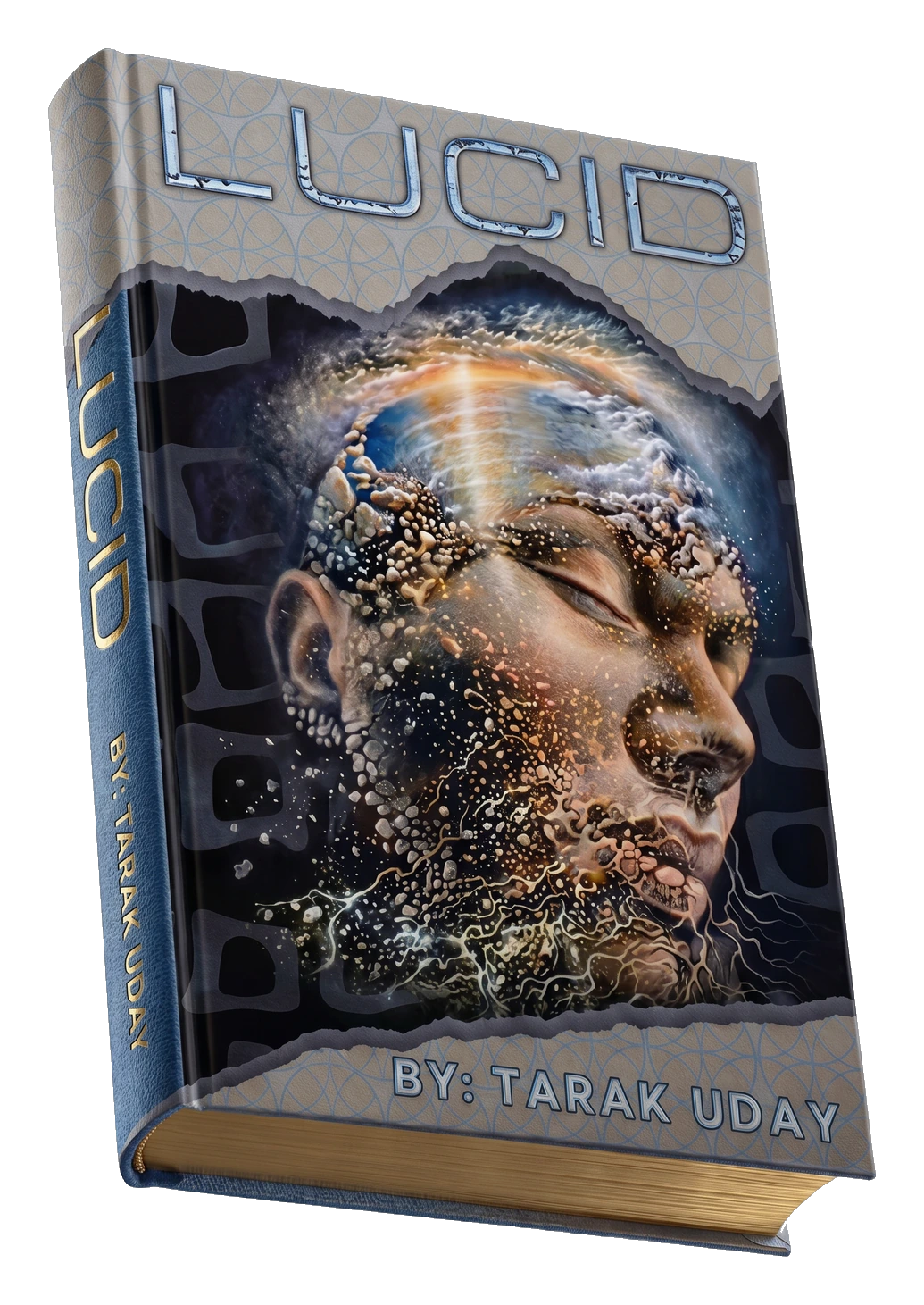
You've tried every lucid dreaming technique. Most miss the root cause. LUCID reveals what they all skip.