
How to Find Like-Minded Spiritual People (Without Joining a Cult)
Like-minded doesn't mean people who believe what you believe. It means people who practice what you practice, and the right ones hold up a mirror instead of a window.
To find like-minded spiritual people, stop looking for people who believe what you believe and start looking for people who practice what you practice. On this path, like-minded means like-practicing. You've probably felt the difference already. You leave a meetup, a retreat or a long comment thread full of beautiful ideas, and you still feel like the only person there who actually wrote a dream down this morning. Keep that dream close while you read. It will tell you more about the people you belong with than any group's description ever could.
So here's the advice you've probably been given. Join a meditation class. Go on a retreat. Search for a group online. Find a teacher and follow them. None of that is wrong, exactly. But every one of those roads sorts people by topic, not by practice. And at its worst, it walks you into a room where somebody else holds the keys to your growth and charges you a little more each time you ask for the next one.
Why Does Searching for Like-Minded Spiritual People Keep Leading Back to Talk?
Look, talk is abundant. There's no shortage of people who'll discuss energy, awakening, the soul and the meaning of a dream with you for hours. Concepts are easy to share because sharing them costs nothing. You don't have to have done anything to have an opinion about it.
Practice is quiet. The person who sat with a candle last night and marked every time their attention wandered doesn't usually announce it. The person who has written down a dream every morning for three weeks isn't the loudest voice in the room. They're often the one listening, because they've learned that their own record says more than their opinions do.
That's why the search keeps circling back to conversation. You're filtering by vocabulary. Someone uses the right words, references the right books, and you assume they're on the same road. Then you mention that your dream recall finally came back, or that your concentration count dropped by half, and you get a blank look. They were never on the road. They were reading the map.
This matters because information doesn't transform anyone. Only experience does. In LUCID, Tarak Uday puts it plainly: "we do not want to just receive information and choose to believe it or not believe it." A community built around information keeps you believing. A community built around practice keeps you experiencing, and experience is the only thing that changes you.
If you've been carrying this gap for a while, you already know how it feels. I wrote about it in why the spiritual path feels so lonely: the loneliness isn't the price of awakening. It's the distance between talking and doing.
And here's something no group description will tell you. The way you see the people in that group is already showing up in your dreams, and once you know how to read it, your dreams become the most honest reference you'll ever get.
How Do You Tell a Practice Community From a Cult?
This is a really important one, because the longing for belonging is exactly what predatory groups feed on. Public reporting on spiritual groups that harmed their members keeps describing the same shape: teachings locked behind payments that climb with every level, a leader nobody is allowed to question, a growing distance from family and old friends, and a promise that the real secret is always one more step away.
Here's the simplest test I know. Is the group a window or a mirror?
A window shows you someone else. You look through it at a leader, a teacher, a person who supposedly has what you lack, and the whole arrangement trains your attention outward, onto them. The longer you stay, the less you trust what you see in yourself.
A mirror shows you yourself. You bring your dream, your practice, your actual record, and the people around you reflect it back so you can see it more clearly. The attention keeps returning to your own mind, which is the only place transformation can happen.
The Universal Language of Mind explains why the window is so dangerous. In LUCID, Tarak writes: "The superconscious mind is our inner authority." Every authority figure who appears in your dreams, the parent, the teacher, the boss, the judge, is a reflection of how you're perceiving that inner authority. So a group that asks you to hand your authority to a person outside you has the mechanics exactly backwards. A real teacher points you inward. A predatory one points you at themselves.
There's a second giveaway. The language of mind belongs to no one. LUCID says it directly: "The Universal Language of the Mind is not something invented for this book or by any single teacher. It is ancient knowledge passed down for thousands of years." Knowledge can be sequenced, because it means nothing without the experience beneath it. It should never be hidden to keep you paying. When anyone claims to own the language, or to sell its secrets one locked level at a time, they've told you what you need to know.
What Should You Look For in People Doing the Same Work?
So now let's make it practical. You're not looking for a perfect group. You're looking for a few clear signals, and you'll recognize them faster than you think.
First, they practice. Ask someone what they actually did this week, not what they believe. A practitioner can answer with something specific: the dream they recorded, the number of tic marks they made at the candle, the minutes they sat with the breath. A talker answers with a concept.
Second, they hold up a mirror. When you share a dream, a good practice partner doesn't tell you what your life means. They help you read your own symbols and hand the meaning back to you. Your inner authority stays yours.
Third, they're open. You can see what's being taught and why. Nobody pressures you to cut off the people you love. You can walk away at any time, and nobody treats leaving as betrayal.
Then there's the test the group can't fake, and it's the one I mentioned earlier. Watch your dreams after you spend time with any community. In the Universal Language of Mind, "Every person you see in a dream is an aspect of you." Strangers in those dreams are unfamiliar aspects of yourself coming into view, which is exactly what a healthy practice should bring. And pay close attention to the authority figures. Is the teacher in your dream guiding you, or is the boss telling you what to do? LUCID describes the type of authority figure that shows up as a direct read on your current relationship with your own inner spirit. If the group keeps showing up in your dreams as someone ordering you around, your subconscious mind is telling you how you've started to see your own authority in that room.
Practice among people doing the same work
The Sanctum is CHITTA's free community for people actively doing the work, not just discussing it. Bring a real dream and a real practice record.
See the SanctumNotice what this does. It turns the question "are these my people?" from a feeling into something you can actually observe, night after night.
Tarak Uday takes this further in Life Is But a Dream, his guide to reading every dream in the Universal Language of Mind.
How Does CHITTA Accelerate Practicing Among Like-Minded People?
So here's the gap. The whole test depends on records. You can't recognize a practitioner if you have nothing of your own to compare with, and they can't recognize you either. "I've been working on myself" is talk. "I recorded five dreams this week and my tic marks dropped from 28 to 17" is practice. Without a record, even the right people slide straight back into conversation.
That's the gap CHITTA closes. The dream journal turns every morning's dream into a dated entry instead of a fading impression. The interpretation engine decodes it in the Universal Language of Mind, symbol by symbol and in sequence, so the meaning comes from the language itself rather than from anyone's personal authority over you. The symbol dictionary lets you check any image yourself. The candle exercise keeps your tic-mark count, the Long Breath log shows whether you've really been sitting with the breath, and your Top 10 Most Wanted list keeps your desires in front of you morning and night.
Here's why that accelerates everything. What was a feeling becomes a trend line. What was a story becomes a record with a date on it. You can see the authority figures in your dreams change as your relationship with your inner authority changes. And when you bring those records into the Sanctum, a community of people actively doing the work, the people beside you respond to your practice rather than your opinions. That's the mirror, working the way a mirror should.
The Structure of the Mind lessons and the masterclasses are being turned on shortly, and they're what comes next once the daily practice is steady. But you don't need any of that to start. You need one record.
What Should You Write Down Tonight?
Tonight, before you go looking for anyone, write down the three qualities a practice community must have for you. Not the ones I listed. Yours. Maybe it's people who keep a dream record. Maybe it's people who'll tell you the truth about your practice. Maybe it's a place where nobody stands between you and your own inner authority. Write them in plain words, then look for them, and notice how quickly the groups that don't have them stop being tempting.
Then write down whatever you dream tonight, as soon as you wake, before you reach for your phone. Over the next few weeks, the people in your dreams will show you how you're seeing the people in your life, and which of them are mirrors.
That's how to find like-minded spiritual people without handing your growth to anyone. What it can't tell you is which unfamiliar part of you walks into the right room first. Your dream will.

Frequently Asked Questions



Books by Tarak Uday

Learn The Language Your Dreams Speak
"Life Is But a Dream" teaches the Universal Language of Mind — how to read any dream symbol by what it is and what it does, so every dream becomes a message you can act on.
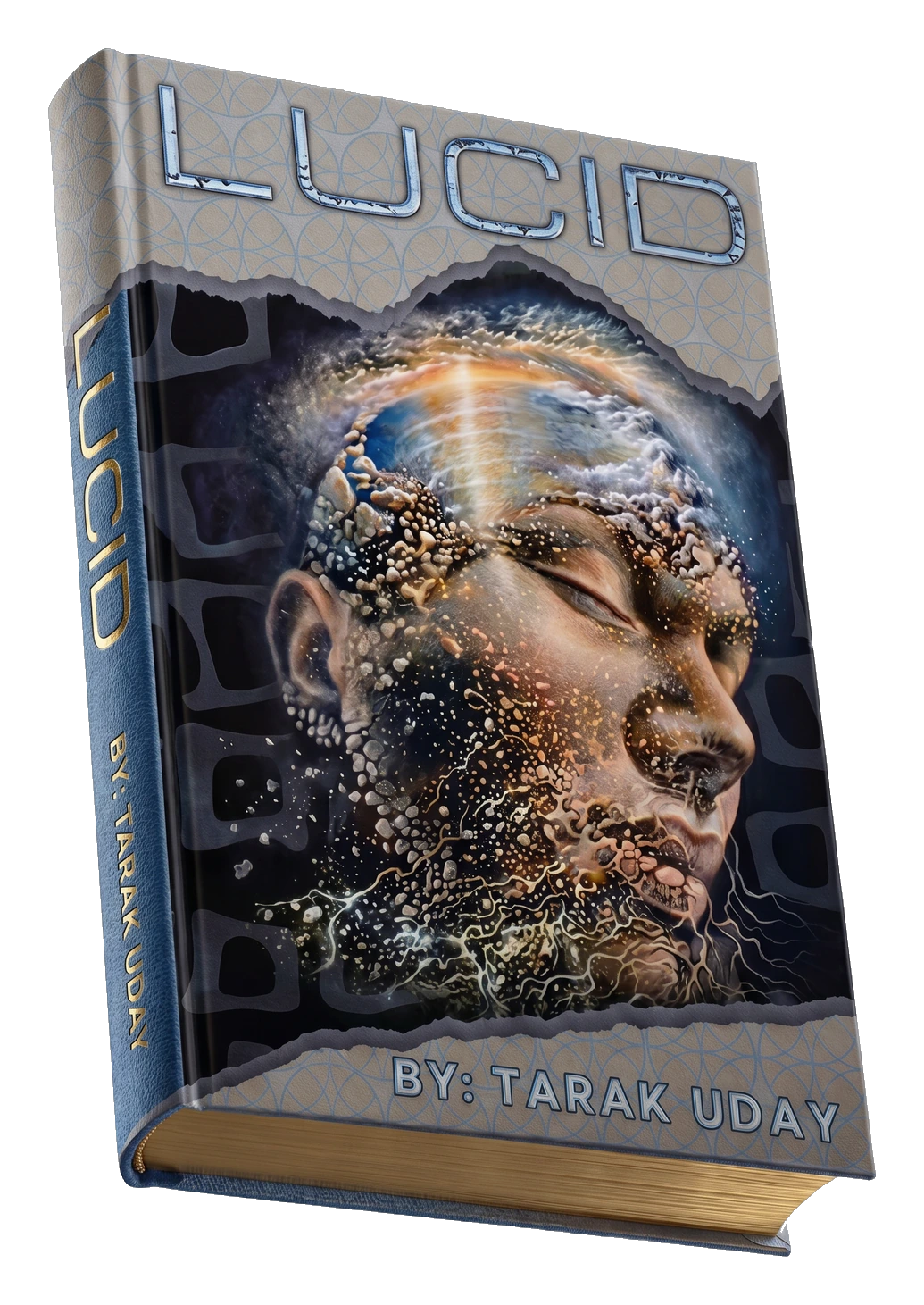
LUCID
You've tried every lucid dreaming technique. Most miss the root cause. LUCID reveals what they all skip.
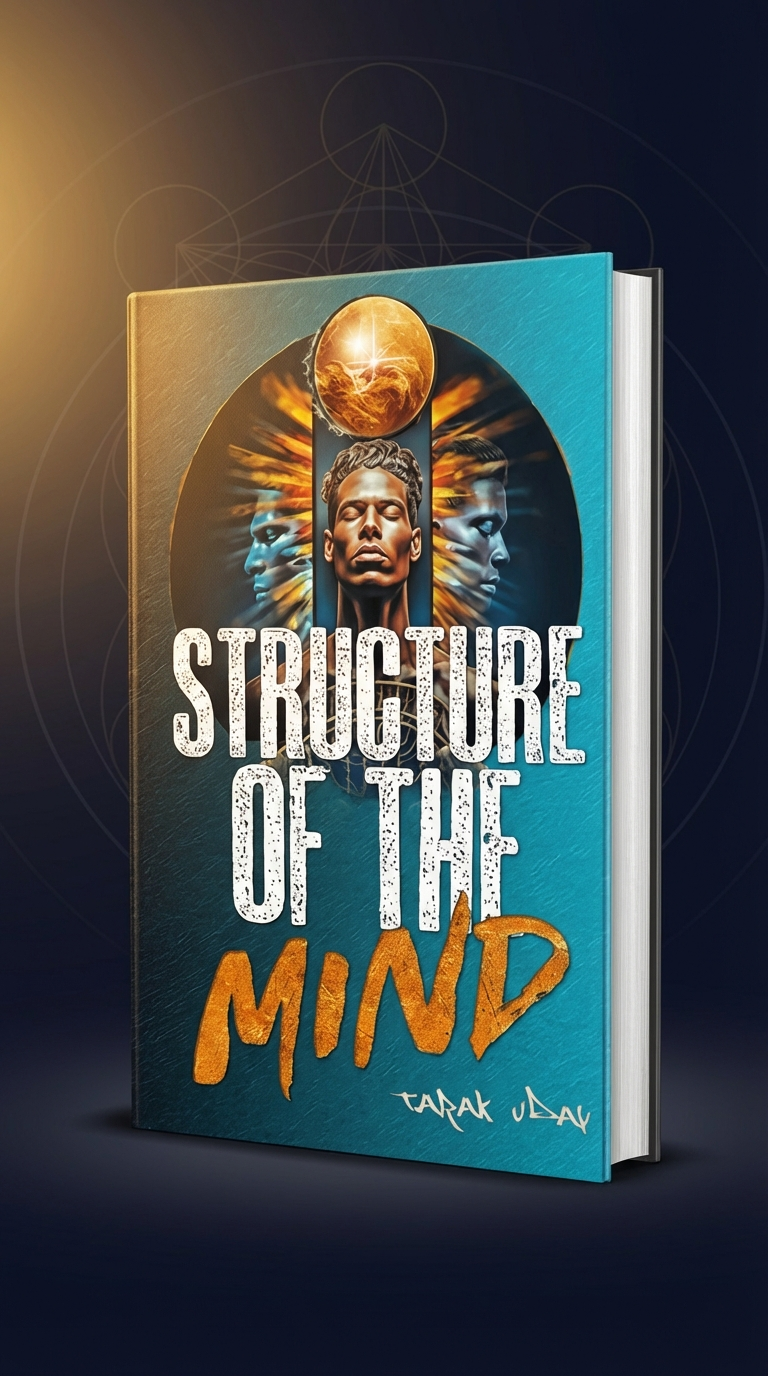
Understand Your Own Mind
"Structure of the Mind" reveals the three divisions of mind, seven levels of consciousness, and powers of mind that most people never learn to develop.