
Ghost in Dreams: What Your Subconscious Is Really Telling You
Reading the ghost as a part of you, and how a real visitation differs


You wake with the strangest residue: not quite fear, not quite wonder, just the sense that something was in the room with you that had no body at all. A figure that drifted at the edge of the dream. A shape you could see straight through. A presence you somehow knew, even though you could never have touched it. So here's the question worth sitting with before you call it a haunting: what if the ghost wasn't a stranger from beyond, but your first clear glimpse of a part of you that has never needed a physical body?
Most people wake from a ghost dream and reach for the supernatural. Something was in my room. Something followed me home. That reading feels powerful, and it almost always sends you looking in exactly the wrong direction — outward, when the dream was pointing in. In the Universal Language of the Mind, a ghost means increasing awareness of the astral body. It isn't proof that something is haunting you. It's proof that your awareness is growing past the edges of your skin.
Because think about what a ghost is. It exists without a physical form. It can be seen but not touched. It passes through walls. It operates outside the rules that govern a body. So the moment that image appears in your sleep, your subconscious is showing you something precise: you are starting to register the body you live in beyond the physical one. The dream isn't asking you to fear it. It's asking you to finally recognize it.
What Is Your Subconscious Actually Saying When a Ghost Appears in Your Dream?
Your sleeping mind doesn't deal in the literal. It reaches for the single image whose form and function match what it needs to show you, and a ghost matches one thing better than anything else in the physical world: a being that exists without a physical body. You have one of those. It's your astral body, the body of your soul, and it exists within the inner levels of the subconscious mind.
You use it every night. When you fall asleep, your physical body rests and your consciousness shifts from primarily being in the physical body to primarily being in the astral body. That body has its own senses. You aren't seeing your dreams with your physical eyes or hearing them with your physical ears; you're using the inner senses of your astral body. Most people go their whole lives without noticing that shift. A ghost dream is the moment you start to.
So notice the tone of the encounter. A ghost that frightens you usually means your conscious mind is meeting this awareness and doesn't know what to do with it yet — it was trained to believe you are only a body, so anything without one reads as a threat. A ghost that feels calm, curious or even kind is your awareness settling into what it's seeing. Either way, the message underneath is the same: you are becoming aware that you exist beyond your physical form.
And that's not a curse. It's information. The dream took something you've always had and rarely noticed, and gave it a shape you couldn't ignore.
Why Does the Universal Language of the Mind Read a Ghost as a Part of You, Not a Visitor?
Here's where the popular reading fails you. It treats the ghost as someone else — an external spirit, a lost soul wandering your hallway, an entity that attached itself to you. That's reading by form alone, by the costume the dream happened to wear. And it leaves you bracing against the dark instead of noticing what the dream is actually showing you.
The Universal Language of the Mind reads by form and function together. It asks: what is a ghost, and what does it do? It is a body without physical form. It moves through solid walls. It is seen and never touched. So what in you fits that exact description? Your astral body. In a symbolic dream, every person, place and thing is an aspect of the dreamer, and the ghost is one of them: it's the dream's picture of the part of you that was never made of flesh. The one exception to that rule is a true visitation, and a true visitation doesn't look like a ghost at all: the loved one arrives whole, happy, healthy and at peace. This is the principle Tarak Uday built CHITTA on: the dream is always about you, told in the only language the subconscious speaks.
So the better question is never "whose spirit was that?" It's "what am I starting to notice about myself that goes beyond my body?" That question turns a frightening night into a piece of self-knowledge you can actually use. And the relief is immediate — because a ghost you can run from forever, but your own astral body you can finally turn around and meet.
If You Are More Than a Physical Body, Which Body Is the Ghost Showing You?
There's a belief running quietly under most ghost dreams, and it's worth confronting directly: that you are your physical body, and when the body stops, you stop. The subconscious knows better, even when your conscious mind insists otherwise. You are not just a physical body.
Your consciousness operates through more than one vehicle. Your physical body lives in the 3rd dimension — length, width and height, locked into the present moment. Your soul, your astral body, lives in the 4th dimension, where time becomes the added dimension you can move through freely, which is why a dream can carry you into the past or show you something before it happens. And your spirit lives in the 5th dimension, the realm of the superconscious mind. The ghost belongs to the middle of that picture. It's the dream's image of your 4th-dimensional self.
That's also why the ghost tends to show up when it does. Maybe you've started meditating, or your breathwork has been going deeper. Maybe you've had a dream so vivid it felt more real than waking life, or you woke with the sense that you'd been somewhere. Maybe grief has had you wondering where someone you love went when their body stopped. Each of those turns your attention toward the body you live in beyond the physical, and the ghost is your subconscious confirming it: that body is real, and you are starting to see it.
How Does the Ghost in Your Dream Mirror Your Waking Life Right Now?
Every figure in a dream is a mirror of the dreamer, so the ghost is reflecting your waking state back to you with uncanny accuracy. The mirror question is gentle but exact: where in my life have I recently brushed against the part of me that isn't physical?
Look at the day or two before the dream. A moment in meditation when your body went quiet and you were still there. A breath that seemed to carry you somewhere. A conversation about what happens after we die. A minute at the edge of sleep when you felt yourself drifting out of your body before you snapped back. The ghost is your subconscious collecting those moments and giving them a shape, because an awareness you keep brushing past will eventually find a form vivid enough to make you notice.
And notice where you were in the dream — your childhood home, an old apartment, a house you haven't thought of in years. Setting is never random in the Universal Language of the Mind. A house represents your state of mind, and its floors are the levels of your mind: the first floor is the conscious mind, the second floor the subconscious mind, the attic the superconscious mind. So the place the ghost appeared tells you where in your mind this new awareness is arriving. The dream isn't just naming the awareness; it's handing you the address.
What Does It Mean When the Ghost Is Someone You Recognize?
Sometimes the ghost wears a familiar face — a parent who passed, an ex, a friend you lost touch with, even someone still alive. This is where people get most convinced the dream is literal, and it's exactly where reading the symbol matters most. The people in your dreams are the CHARACTER-istics within your PERSON-ality. So a recognizable ghost carries two messages at once: the quality you associate with that person, and the astral-body awareness the ghost form brings with it.
Tarak Uday takes this further in Life Is But a Dream, his guide to reading every dream in the Universal Language of the Mind.
Start with the person. A parent or a grandparent, like every authority figure in a dream, represents your superconscious mind. A friend might stand for your humor, your loyalty or your nerve. An ex might stand for the version of yourself you were back then — softer, or freer, or more open than you let yourself be now. Whatever that quality is, it's yours; the dream is about you. Then add the ghost form: your subconscious is showing you that quality in the same image it uses for your awareness of your astral body, so you are meeting that part of yourself at a deeper level than your everyday personality.
This doesn't erase real grief, and it isn't a denial that you loved someone who's gone. Visitation dreams are very real. When you dream, your consciousness is in your astral body, moving through the same inner levels of the subconscious mind where loved ones who have passed still exist through their soul — so a true visit can happen, and it has its own marks: little else is going on, the loved one is the whole focus, they speak without moving their mouth, and they look happy and healthy, often younger than when they passed, never ghostly. When they come as a ghost, the dream is speaking in symbol. The most useful question isn't "are they trying to reach me?" It's "what quality of theirs am I recognizing in myself, and what is this showing me about the body I live in beyond the physical?"
There's one more layer worth naming here. Sometimes the recognizable ghost is a living person you haven't lost at all. The dream isn't predicting their death, and it isn't a report on them or on your relationship. It's the same reading: the quality you associate with that person, showing up in the form of your astral awareness. If a calm, grounded friend drifts through your dream as a ghost, the calm and the groundedness are yours, and you are starting to feel them at a level deeper than your body.
What Should You Do the Moment You Wake from a Ghost Dream?
Don't rush to the haunted-house explanation, however dramatic it feels. Reach for the symbol first. So the moment you wake, write the dream down and ask the question that actually moves things: what have I been noticing lately about the part of me that isn't my body? Name it before the feeling fades, because naming the awareness is how you keep it.
Then give that awareness room to grow. Deepen your meditation and breathwork practices, because they strengthen your conscious connection to your astral body. Sit in stillness until your body goes quiet, and notice that you are still there. Keep a dream journal, because the shift into your astral body happens every single night whether you remember it or not, and the journal is how you start remembering. Dreaming, lucid dreaming and astral projection are the same shift seen with different levels of awareness, and the more aware you become of your inner level bodies, the more expansive your experience of reality becomes.
So treat the ghost as a messenger, not a menace. It came because your awareness has started reaching past the physical. Turn around in the dream of your own life and look at it directly, and you'll find it was never trying to haunt you — it was showing you who you are while your body sleeps. This is the work CHITTA exists for: turning the language of your dreams back into the self-knowledge it was always carrying. The ghost is already in the room. The only question left is whether you'll recognize it as you.
Frequently Asked Questions


Books by Tarak Uday
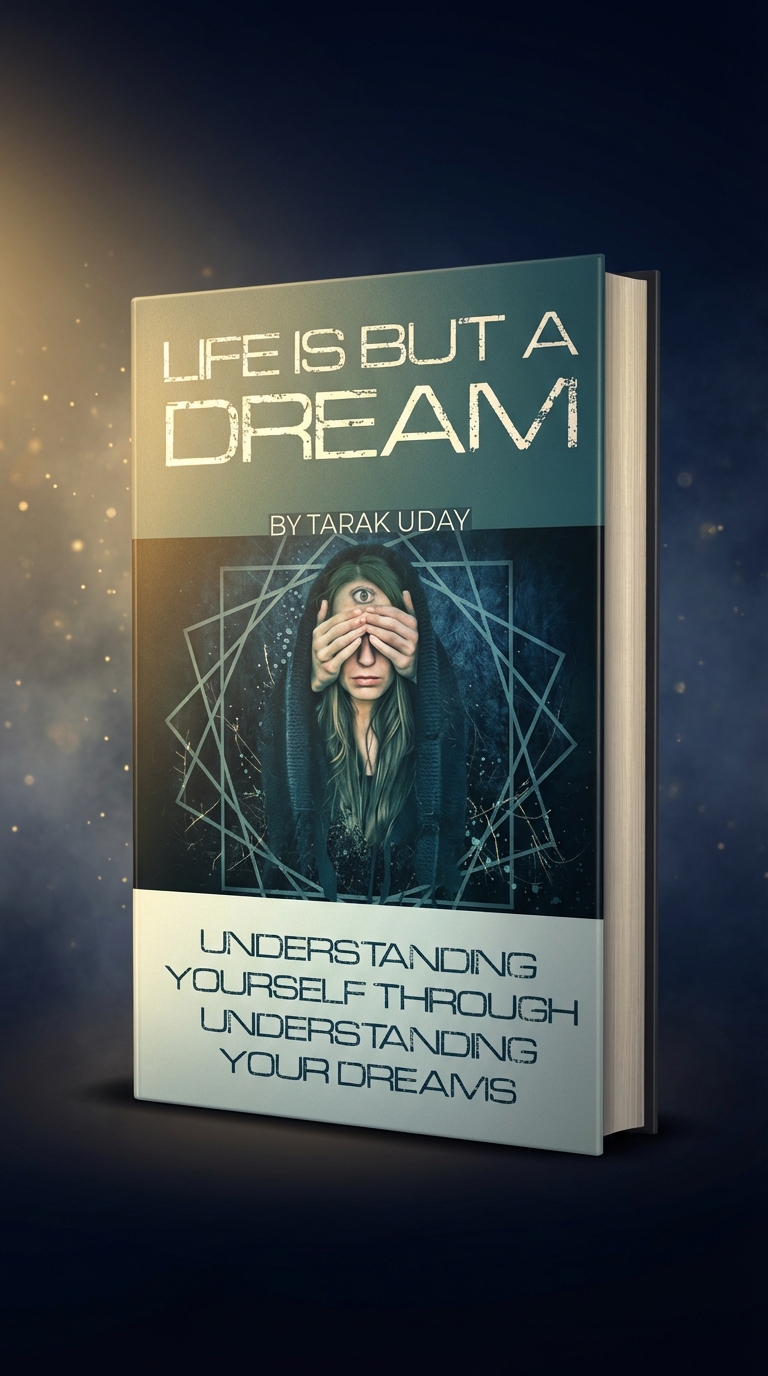
Learn The Language Your Dreams Speak
"Life Is But a Dream" teaches the Universal Language of the Mind — how to read any dream symbol by what it is and what it does, so every dream becomes a message you can act on.
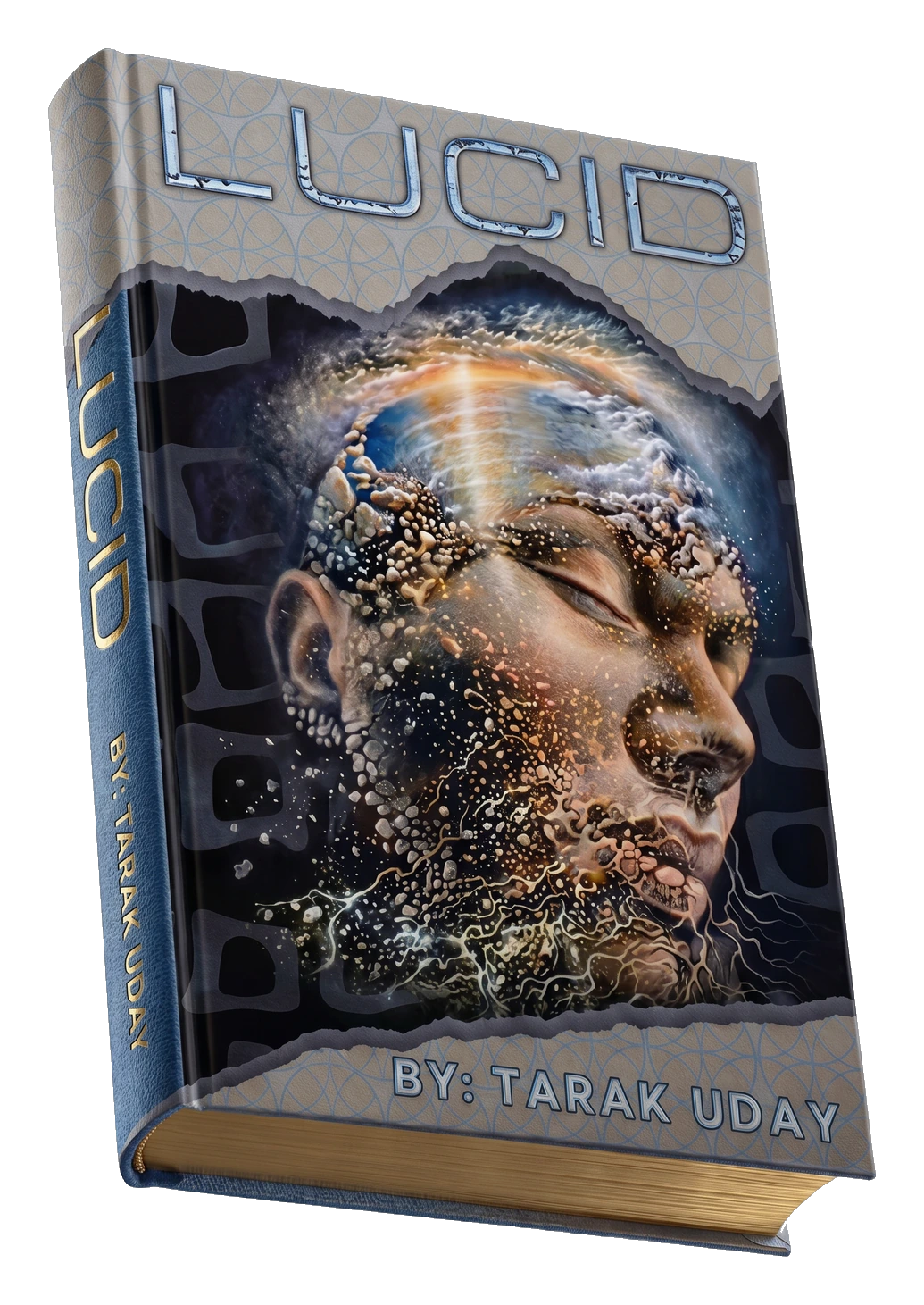
LUCID
You've tried every lucid dreaming technique. Most miss the root cause. LUCID reveals what they all skip.
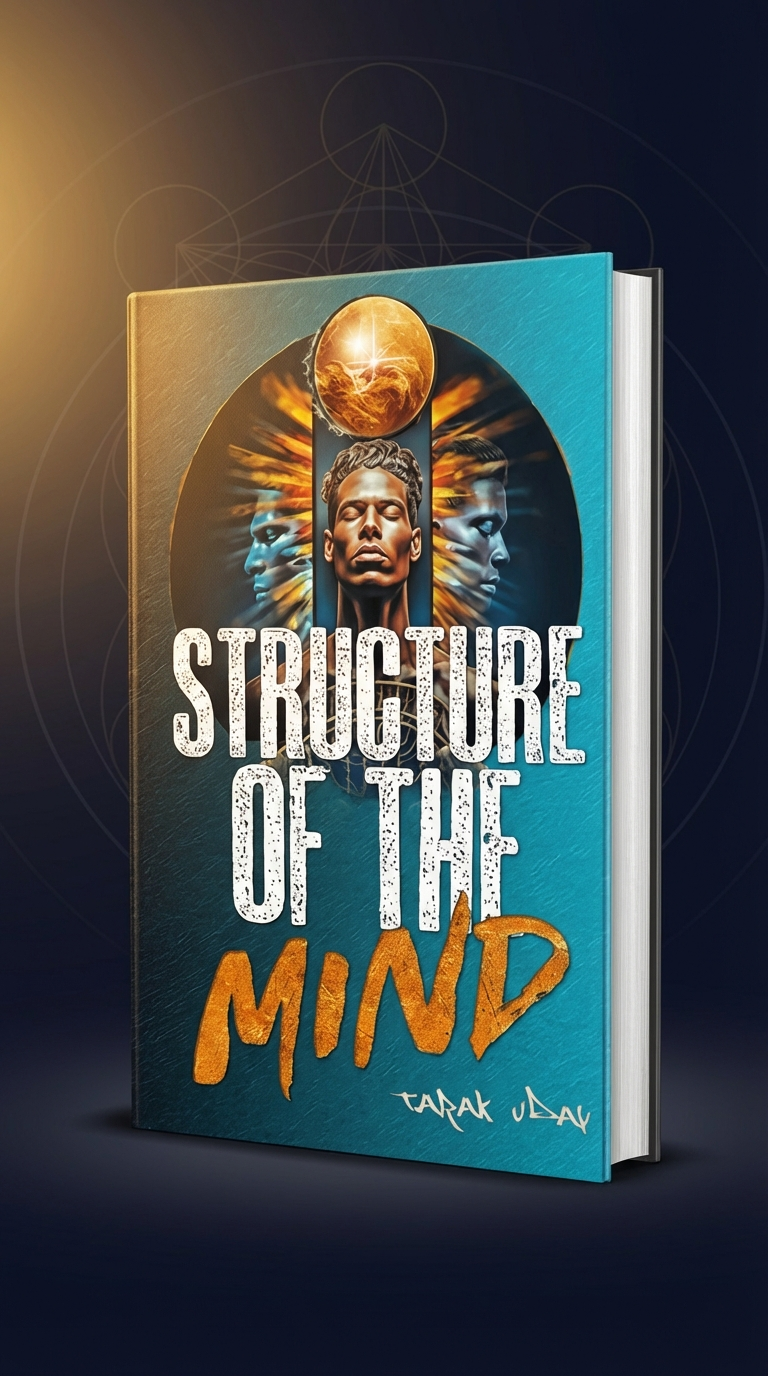
Understand Your Own Mind
"Structure of the Mind" reveals the three divisions of mind, seven levels of consciousness, and powers of mind that most people never learn to develop.