
Gold in Dreams: What Your Subconscious Is Really Telling You


There's a particular disappointment that comes with a gold dream. You found it — coins under a floorboard, a bar in a drawer, a room of the stuff glowing like it was lit from inside — and then you woke up in a bed that costs money you don't have, and the whole thing curdled into a joke about your bank balance.
That reading is the one to abandon first. Your subconscious mind does not comment on your finances. It has no interest in your account and no ability to predict a windfall. What it does have is a precise image for something you own that you have never counted.
In the Universal Language of the Mind, gold means the value contained within the subconscious mind.
Read that twice, because it inverts the dream completely. The gold was never out there waiting to be found. It's already yours. It's been yours the entire time, sitting in the part of your mind you don't consciously inventory, and the dream is an accounting statement for an asset you forgot you held.
Gold is the image of value already inside you. A dream about finding it is not a prediction of money — it's a report that something valuable in your subconscious has just become visible.
Why does gold mean inner value in the Universal Language of the Mind?
The reasoning is functional, the way everything in this language is.
Gold has one job across every culture that has ever handled it: it stores value. It doesn't feed you, shelter you, or do work. Its entire purpose is to hold worth over time without corroding, so that value put into it stays there. That's what makes gold gold rather than just another heavy yellow metal.
Your subconscious mind does the identical thing with everything you have ever learned, understood, or become. Every experience you've digested, every capacity you've earned the hard way, every piece of real understanding — none of it sits in your conscious attention. It's stored below, permanently, not corroding. So when the mind needs an image for stored, incorruptible worth, gold is the only accurate choice available.
Tarak Uday makes a point about this that changes how people read the whole category: the value is already there before the dream shows it to you. A gold dream does not create anything. It reveals inventory. That's why these dreams so often arrive right after you've done something you didn't know you could do — handled a crisis well, said the difficult thing, held steady when you expected yourself to fold. Your subconscious registered the deposit and sent you the statement.
The form the gold takes narrows the reading further. Coins are value in usable, divisible units — something you can actually spend, a capacity ready for circulation. A solid bar or ingot is value that's real but not yet convertible, worth you hold without a way to put it to work. Jewellery is value you wear, which is to say worth that's become part of how you present yourself. And raw gold still in the rock is value that exists in you unrefined, requiring work before it can be used at all.
So the emotional signature of a gold dream is usually recognition rather than surprise. People describe it as though they'd remembered something rather than discovered it. That feeling is accurate reporting, not sentiment.
What does finding gold in a dream actually report?
Where you find it tells you where in your own mind the value has been sitting.
Gold buried in the ground is value stored deep in the subconscious, below your everyday awareness, usually formed long ago. Gold in the walls or under the floor of a house is value built into the structure of your mind itself — it came with the building, so to speak, and it's been load-bearing without your knowledge. Gold found in water relates to value held within your emotional experience, since water in this language is conscious life experience and everything that flows through it.
You didn't find gold. You were shown the balance of an account you've been paying into your whole life without checking.
Digging for it is a different report from stumbling on it. Digging says you're actively working to reach something valuable in yourself, and the effort in the dream measures the effort you're currently expending in waking life. Stumbling on it says the value surfaced without being sought, which typically follows a period where you stopped forcing something and it resolved on its own.
Gold given to you by another figure deserves close attention. Every figure is an aspect of your own mind, so someone handing you gold is one part of you delivering value to another part. That's integration in progress. Notice who the giver was and what quality they carry for you personally, because that quality is the source of the worth being transferred.
And gold that's simply everywhere — a room, a field, a whole landscape of it — is not exaggeration. That's a dream reporting abundance of inner value, and it tends to show up at moments when a person has been telling themselves they have nothing to offer. So the dream isn't flattering you. It's correcting the ledger.
Why does the gold turn out to be fake or worthless?
This variant unsettles people more than any other, and it's one of the most useful dreams in the set.
Gold that turns to paper, gold that's painted, gold that everyone around you insists is worthless — each of these describes something specific and correctable. You're placing value in the wrong location. Something you've been treating as your worth doesn't have the substance you've assigned to it, and your subconscious is telling you before the world does.
Look closely at what the fake gold was. If it was a title, a role, a possession, a reputation — that's your mind pointing out that you've located your value outside yourself, in something that can be taken. Real gold in this language is internal by definition. Value that lives in an external object can't be the gold the symbol refers to, so the dream renders it as counterfeit.
Then there's the reverse case, which is quietly more common: gold you find and dismiss. You pick it up, decide it's probably nothing, and put it down. That's a dream about a genuine capacity you're refusing to credit. People do this constantly with skills that came easily to them, on the theory that anything easy must not count. Your subconscious disagrees, in gold.
Most people never learn what their own dreams have been valuing in them. CHITTA reads your dreams in the Universal Language of the Mind and tracks what your subconscious keeps flagging as worth, night after night, until the pattern is impossible to miss.
Gold that tarnishes or rusts carries its own correction, since real gold does neither. When your dream shows gold behaving like a lesser metal, it's reporting that what you've been calling your value is not as durable as you assumed. That's not a verdict on you. It's an early warning, delivered while there's still time to move the deposit.
What are you doing with the gold in the dream?
The action matters as much as the object, and this is the part most dreamers skip when they retell it.
Tarak Uday takes this further in Life Is But a Dream, his guide to reading every dream in the Universal Language of the Mind.
Hoarding gold — hiding it, guarding it, refusing to let anyone see it — is the image of inner value you're withholding. Not from greed, usually, but from fear that spending it would use it up. People who are gifted at something and won't do it publicly get this dream repeatedly. The subconscious keeps showing them a vault because that's exactly what they've built.
Giving gold away reports the opposite and is almost always a healthy sign. You're circulating inner value, and the dream will often pair it with a feeling of relief that seems disproportionate to the act. That relief is the message: nothing was lost in the giving.
Losing gold, dropping it, watching it slip into water or sand — this is where people wake up genuinely distressed. Read it carefully rather than fearfully. Lost gold reports value you believe you've forfeited, and the belief is usually about something you gave up when you took a practical path. The dream is not telling you the value is gone. Value stored in the subconscious mind doesn't leave. It's telling you that you've stopped counting it, which is a different problem with a much easier fix.
Someone stealing your gold is worth separating from losing it. A thief in a dream is an aspect of your own mind taking value out of circulation without your consent, which in waking terms is usually a habit of thought — comparison, self-criticism, a role you perform — that quietly drains what you've built. Identify the thief by what they were like, not by who they looked like, and you'll generally recognize the habit within a day.
Being unable to carry the gold is the last common variant. Too heavy, too much, spilling from your arms. That's inner value you've developed faster than you've built the capacity to use. It's a good problem drawn as a frustrating image, and it usually arrives during periods of rapid growth when a person has learned more than they've yet applied.
How do you spend a gold dream in waking life?
Start by refusing the money reading entirely, because it will cost you the actual message. Write down where the gold was, how you got it, what you did with it, and what you felt. Those four answers are the whole interpretation.
Then name the value. This is the hard part and the point of the exercise. What have you developed, survived, or understood that you have not been counting as an asset? Ask it plainly. The answer often arrives immediately and then gets talked down within seconds, which is itself the behaviour the dream was reporting on.
Now bridge to the last few days. Gold dreams follow events — a moment where you demonstrated something, or a moment where you dismissed yourself. Look for both. If you handled something well and shrugged it off, that's your deposit and your dismissal in the same week, and the dream showed up to settle the account.
These are metaphysical mechanics, not prophecy and not encouragement. The Universal Language of the Mind is describing what is already true in you at the moment of the dream, using an image chosen for accuracy rather than comfort. So the practical move is not to hope for money. It's to spend what you've been sitting on: use the capacity, say the thing, take the work you've been calling yourself unqualified for.
The gold in the dream was never a promise about your future. It was an inventory of your present, and the only real waste would be to keep it buried after you've been shown exactly where it is.
Frequently Asked Questions



Books by Tarak Uday

Learn The Language Your Dreams Speak
"Life Is But a Dream" teaches the Universal Language of the Mind — how to read any dream symbol by what it is and what it does, so every dream becomes a message you can act on.

LUCID
You've tried every lucid dreaming technique. Most miss the root cause. LUCID reveals what they all skip.
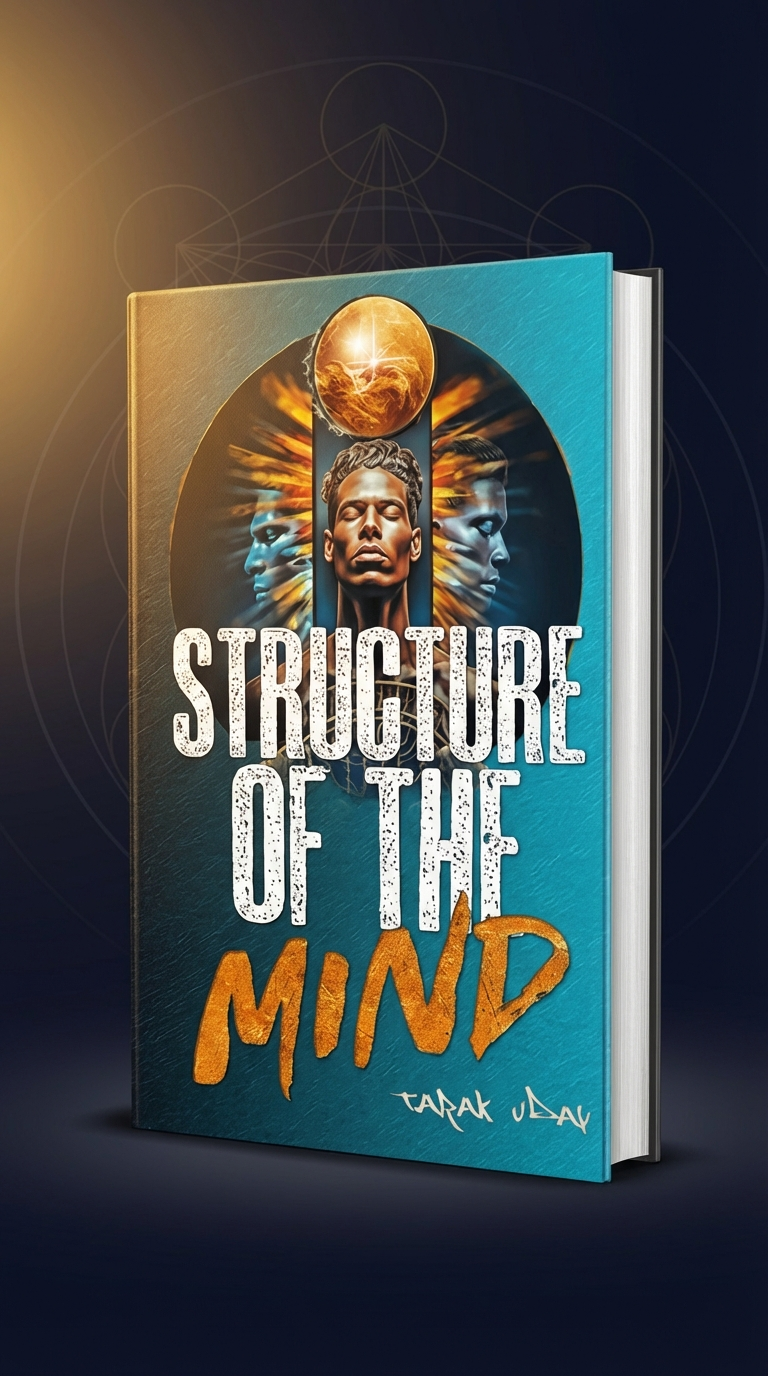
Understand Your Own Mind
"Structure of the Mind" reveals the three divisions of mind, seven levels of consciousness, and powers of mind that most people never learn to develop.