
Key in Dreams: The One Idea That Unlocks the Room


You were looking for the key. That was the whole dream. Pockets, drawers, a bag you emptied twice, a jacket you don't own. And you never found it, and you woke up with that specific low-grade dread that follows you into the shower.
Or the opposite happened. Someone handed you one. Heavy, ornate, obviously important, and you woke up before you found out what it opened.
Both dreams are about the same thing, and it isn't your car keys, your house, or your anxiety about losing things. Your subconscious wasn't dramatising a bad habit. It was reporting the exact status of one idea.
In the Universal Language of the Mind, a key is an idea or belief that allows you to access a new state of mind. It's the specific thought that unlocks a new way of thinking. So a key dream is never about the object. It's about which idea you currently hold, and whether it still opens anything.
What job is a key doing inside a dream?
The method is function. An image in a dream is defined by the job it performs, not by the thing it resembles. A gate lets some things through and stops others, so a gate is a point of access or restriction. A mirror shows you back to yourself, so a mirror is self reflection through objective observation. Name the job and the meaning is already sitting there. That's the Universal Language of the Mind, and it works the same way for every dreamer on earth because it's built on how minds operate rather than on what any one culture decided a symbol should mean.
So what does a key do? It grants access to a space you couldn't otherwise enter. It's small, it's specific, and it's the difference between standing outside a room and standing inside it. Nothing else in the dream does that job.
And the inner counterpart is exact. Tarak Uday defines the key as an idea or belief that allows the dreamer to access a new state of mind — the ability to unlock a new way of thinking. One idea. Not effort, not willpower, not time. A single correct thought that changes what you have access to.
Anyone who has had a genuine realisation knows this is how it actually works. You didn't grind your way into the new state. You saw one thing differently and the door was simply open, and the years of effort before it turned out to be the search, not the entry.
Why is losing the key the most common version of this dream?
Because misplacing an idea is the most common thing a mind does.
A lost key means you once held a belief that granted you access to a particular state of mind, and you no longer have it in hand. That's not the same as never having had it, and the difference matters enormously. Your subconscious specifically staged a search, which means it's telling you the thing exists and is recoverable. Nobody searches for something they never owned.
You didn't grind your way into the new state. You saw one thing differently and the door was simply open.
So the question isn't why am I so scattered. It's which idea did I used to hold that made this easy. People almost always know the answer within a minute of being asked properly. There was a period when you believed something about yourself, or about the work, or about what was allowed, and that belief made a whole room of your life accessible. Then it got put down somewhere — usually during a hard stretch, usually for a reason that made sense at the time.
Where you search in the dream is worth reading too. Searching in an old house means the idea belongs to a state of mind you used to occupy. Searching in the dark means the idea is currently outside your awareness, since light in this language is awareness and what becomes known. Searching frantically while someone waits points to the pressure you've attached to regaining it, which is usually the reason you can't.
What does the door tell you about which state of mind you're accessing?
The key is only half the sentence. The lock is the other half, and most people never read it.
A door is access from one state of mind into another. So the door your key fits tells you which state of mind is at stake, and the detail on that door is the specification. A door in your childhood home points to a state of mind formed early. A door you've never seen points to a state of mind you have not yet occupied. A grand door, a plain one, a locked office, a cellar — each addresses a different region of you, and your subconscious chose it precisely.
Stairs behind the door change the reading again, because stairs are access to different levels of mind. So a key that opens onto a staircase is describing an idea that doesn't just move you sideways into a new room but upward or downward into a different depth of yourself. That's a larger event and the dream usually feels larger.
And a lock without a key deserves its own note. A lock in this language points to the need for inner security, or to shutting things out. So a dream that dwells on the lock rather than the key has shifted the subject. It's no longer about the idea that grants access. It's about why the room was sealed in the first place, and that's a question about what you were protecting yourself from.
What if the key doesn't fit, or there are too many?
These two variations are extremely common and they say almost opposite things.
A key that doesn't fit is an idea you're applying to the wrong state of mind. It worked somewhere. It isn't working here. This is one of the most useful dreams a person can have, because it names a failure mode that is nearly invisible from the inside — you're not failing through weakness, you're failing through transfer. The belief that got you through the last chapter is being jammed into a lock it was never cut for. So the dream isn't telling you to try harder. It's telling you to stop trying that.
Too many keys is the opposite condition. A ring heavy with them, none labelled, and you don't know which to try. That's an abundance of available ideas and no discrimination between them. It shows up in people who have read everything, taken every course, collected every framework, and can't tell you which one is actually theirs. Your subconscious is not congratulating you on the collection. It's showing you the weight.
A broken key, or one that snaps in the lock, points to an idea that has been overloaded. It was sound and you asked it to carry more than it was built for. That's the belief that started as a genuine insight and ended as a slogan you repeat when you're frightened.
One image, three variations, and the difference between them changes what you should do on Monday. CHITTA reads your dream in the Universal Language of the Mind and shows you the mechanics behind the interpretation, not just a verdict. Seven days free. Bring the dream, find the idea, use it before the week turns over.
What does it mean to be given a key, or to give one away?
Direction of transfer is one of the strongest signals in the whole category, and it's easy to read once you know what the figures are.
Tarak Uday takes this further in Life Is But a Dream, his guide to reading every dream in the Universal Language of the Mind.
Being handed a key means an idea is being supplied to you. Look at who handed it over, because that figure identifies the source. A teacher or a parent points to the superconscious mind — the deepest level of you, delivering something you did not reason your way to. A stranger points to an aspect of yourself you don't yet recognise as yours, which is exactly how genuinely new ideas tend to feel. A child points to an undeveloped aspect of self, and that's a real and frequently ignored source: the insight arrives half-formed, from the part of you that hasn't grown up yet, and gets dismissed for exactly that reason.
Giving a key away is the reverse and it splits two ways depending on the feeling in the dream. Given freely, it means an idea you hold is being made available to a part of yourself that needs it, and that's integration doing its job. Given under pressure, or taken from you, it means you've surrendered a belief that granted you access — and the dream is registering the cost before your waking mind has admitted there was one.
A key you refuse to accept is rarer and sharper. It says the idea is right there, presented, and you are declining it. Usually because taking it would require you to have been wrong about something for a long time.
Stealing a key, or being robbed of one, adds a layer worth separating out. When you take a key that isn't offered, you're reaching for an idea before the part of you that holds it is ready to release it. That dream tends to arrive when someone is trying to force a realisation they've read about but not yet earned. When a key is stolen from you, look at who took it. Since every figure in the dream is an aspect of yourself, the thief is a part of you actively working against the access — usually the part with the most invested in the room staying shut.
And a key you already have but never use is the quietest version of all of these, and probably the most common in real life. It sits in the dream, in your pocket, unremarked. Your subconscious is not being subtle. It's telling you the idea is in your possession right now, fully formed, and the door has been available the whole time you've been explaining why it isn't.
How do you use a key dream?
Write down the lock, not just the key. Almost everyone records the key and forgets the door, and the door is where the specificity lives. What room, whose house, what was behind it, could you hear anything through it.
Then name the idea in one sentence. Not a theme — a sentence you could say to another person. The belief that used to make this easy was that I don't need permission. Or that I'm allowed to charge for this. Or that nothing is actually urgent. When you find the real one it will land with a small physical thud, and you'll notice you stopped believing it on a specific occasion.
Then use it once, today, in the smallest available way. Ideas that grant access are not restored by reflection. They're restored by being acted on while you still hold them, which is why the twenty-four hours after this dream matter more than the dream did.
And if the dream gave you a key you didn't recognise, don't wait to understand it fully before you use it. Your subconscious rendered a specific object and put it in your hand because the idea is already available to you. The understanding comes after the door opens, not before, and that ordering is the single thing most people get backwards.
Frequently Asked Questions



Books by Tarak Uday

Learn The Language Your Dreams Speak
"Life Is But a Dream" teaches the Universal Language of the Mind — how to read any dream symbol by what it is and what it does, so every dream becomes a message you can act on.

LUCID
You've tried every lucid dreaming technique. Most miss the root cause. LUCID reveals what they all skip.
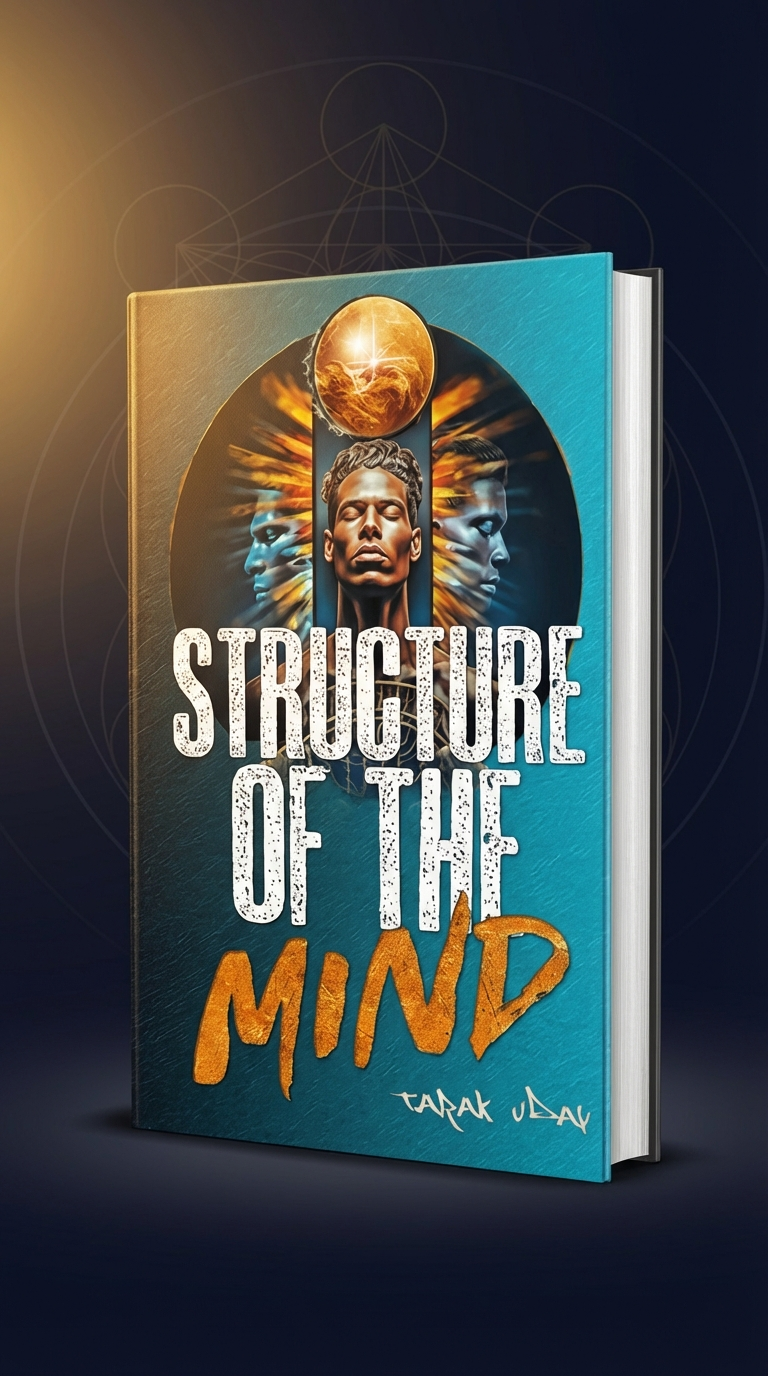
Understand Your Own Mind
"Structure of the Mind" reveals the three divisions of mind, seven levels of consciousness, and powers of mind that most people never learn to develop.