
A Murderer in Your Dream: What It Means
There was a killer in the dream and you couldn't get away. Here's the part of you your subconscious dressed up as the threat.


There was a killer in the dream. Maybe he chased you, maybe he stood in the doorway, maybe you never even saw the face — just the certainty that someone was there to end you. You woke up braced, half-convinced it meant danger was circling your waking life. Let's clear that first: a murderer in a dream is not a threat to your safety. In the Universal Language of the Mind, a murderer represents the feeling that something outside of yourself is forcing a change — and that something is almost always a part of you that you haven't claimed yet.
That's the direct answer. Now let's look at why your own mind would cast a part of you as the villain.
Why Does a Murderer Feel Like an Outside Threat?
Look up this dream and you'll be warned about enemies, danger, or violence headed your way. So you wake up scanning the room and the calendar for whoever's coming. That reading sends you in exactly the wrong direction, and it's worth understanding why before we go on.
A dream like this has no outside. Every person in it is staged from your own material. So when a force shows up wearing a stranger's menace, it isn't reporting on the world — it's showing you a pressure you experience as if it came from elsewhere. The murderer feels external because you haven't owned the part of you it represents. What you won't claim consciously, the mind hands to a figure in the dark. The question isn't "who's after me?" The question is "what change am I treating as something being done TO me?"
This is the same machinery behind a dream of murdering someone and a dream of being murdered — the difference is only your vantage point. Here you're neither the one who acts nor the one who falls; you're the one watching the force that drives the whole transformation, and the dream is asking you to learn its name.
Notice, too, that the menace usually lands as a feeling before it ever takes a shape. People describe the murderer dream less by what they saw and more by the dread that flooded them — the sense of being hunted, cornered, marked. That dread is the real symbol. It's the exact texture of how you've been carrying a change you sense is coming: as something stalking you rather than something you're walking toward. The Universal Language of the Mind is precise here. The emotion isn't a side effect of the image; the emotion is the message, and the figure is just the costume your mind sewed for it.
What Does the Murderer Represent in the Universal Language of the Mind?
Start with the root meaning. In the Universal Language of the Mind, killing is consciously causing an inner transformation, and death is the transformation itself. The murderer, then, is the personified force of that change — the agent your psyche assigns to an ending it senses is coming. When the ending feels chosen, you tend to BE the killer. When it feels imposed, the killer shows up as someone else, hunting you.
According to Tarak Uday, who teaches the Universal Language of the Mind, every figure in a dream is an aspect of you. So the murderer is yours too — usually a disowned aspect: your own ambition you've labeled ruthless, your anger you've called dangerous, your need for change you've been suppressing until it grew teeth. You buried it, and now it stalks you in the dark, because anything you refuse to integrate doesn't leave. It just waits where you can't see it.
This is why these dreams intensify when you're avoiding a transformation you know deep down you need. The pressure to change doesn't vanish because you ignore it. It personifies. And the more you run, the more dangerous the figure looks — not because it's getting stronger, but because your fear of it is.
There's a strange mercy in that, once you see it. A part of you that the mind has to render as a killer is, by definition, a part with enormous force — enough to end a whole version of you. That force was never the enemy. Ambition labeled ruthless is still the engine that builds a life. Anger called dangerous is still the boundary that protects one. The murderer is what happens to your own power when you exile it: it doesn't weaken, it just goes feral, and it comes back at night to remind you it's still on the payroll. The dream isn't punishing you. It's trying to give you your strength back in the only language the disowned can still speak.
What's the Difference Between Being Chased, Witnessing, and Being the Murderer?
Where you stand in relation to the killer changes the whole reading, so let's separate the common versions.
When a murderer is chasing you, you're running from a transformation already in motion. The pursuer is the disowned force, and like the figure in any being-chased dream, it only holds power while your back is turned. These loops repeat until you stop and face what's actually closing in.
When you're witnessing a murder — watching someone else get killed — you're observing a transformation happening at a slight remove, often to a quality you recognize but feel detached from. Ask who the victim is; that's the aspect being changed, and your distance from the scene mirrors how disowned the whole process still feels.
And when you are the murderer, the meaning flips toward power. You've become the conscious agent of the change, deliberately ending an old pattern. It can horrify the waking you, but it's the most empowered position in the symbol — you're authoring the transformation instead of being subjected to it. The fear you feel on waking is usually just the old self protesting its own retirement.
Want to know which part of you the murderer represents?
CHITTA reads your dream through the Universal Language of the Mind and names the disowned aspect your subconscious dressed up as the threat.
Decode Your Dream Now →Who Is the Murderer Really?
Name the figure and you name the force. A faceless or hooded killer points to an aspect of you with very low self-awareness — a part so disowned you can't even picture its face yet. A stranger is an unfamiliar aspect powerful enough to end an old you. Someone you know personifies the quality you associate with them: if your relentless friend is the killer, your own relentlessness is the force pushing the change. And a shadowy intruder who feels ancient or inhuman usually marks a deep, long-suppressed drive finally surfacing.
So sit with the killer instead of fleeing the memory. What in your life is demanding a change you keep treating as an attack? The honest answer is the murderer's real identity — and it's never out there. It's the part of you strong enough to end who you've been.
Tarak Uday takes this further in Life Is But a Dream, his guide to reading every dream in the Universal Language of the Mind.
One detail people often overlook is the setting. A murderer in your childhood home points the transformation at an old state of mind you formed early and never updated. A killer in your workplace aims it at the identity you wear to earn and achieve. A faceless figure in an unknown house signals a change brewing in a part of yourself you haven't even mapped yet — the dream is doing reconnaissance on territory your waking mind hasn't visited. Read the room as carefully as you read the killer, because the Universal Language of the Mind never wastes a frame; the where is telling you which house of the self the change is coming to.
How Do You Work With a Murderer Dream When You Wake Up?
Don't just shake off the dread. Sit up and do three things. First, describe the murderer as precisely as you can — faceless, known, monstrous, calm — because that description is a portrait of the disowned force. Second, ask what quality the figure carries that you've refused in yourself: drive, rage, independence, the will to end something. Third, find the change in your waking life you've been framing as something happening TO you rather than through you. Write it plainly — "the part of me that's ready to walk away has been scaring me" — and feel how your body answers.
That reaction is the dream landing. From here, the move is the hardest and the most freeing one: turn and face the killer. In dream after dream, the people who stop running and ask the pursuer what it wants report the figure transforming — shrinking, speaking, sometimes dissolving into a part of themselves they'd exiled. In the Universal Language of the Mind, a shadow you face gets reintegrated, while a shadow you flee just sharpens its knife for next time. You don't defeat the murderer. You reclaim it.
If the dream recurs, try rehearsing the turn while you're awake. Sit quietly, bring the figure to mind, and instead of bracing, ask it one question: "What are you trying to make me do?" Then listen for the honest answer — leave, speak up, end it, begin. You're not inviting harm; you're inviting a conversation with a part of yourself that only learned to get loud because you stopped listening when it was quiet. Most people find the next dream softens once the waking mind finally agrees to hear what the figure has been chasing them to say. That's not you conquering a threat. That's you collecting a part of yourself that's been waiting in the dark to be let back in.

Bindu says: "You keep calling it a murderer. It keeps calling itself the part of you that's finally ready to change. One of you is wrong, and it isn't the one in the mask."
So the next time a killer corners you in a dream, don't wake up looking for enemies. Ask what part of you has grown strong enough to end an old life — and frightening enough that you've been pretending it belongs to someone else. That isn't a predator. That's the Universal Language of the Mind handing you back a piece of your own power.
The murderer is a part of you. CHITTA tells you which one — and what it's here to end.
Decode tonight's dream and meet the force your subconscious has been casting as the threat.
Decode Your Dream Now →Frequently Asked Questions



Books by Tarak Uday

Learn The Language Your Dreams Speak
"Life Is But a Dream" teaches the Universal Language of the Mind — how to read any dream symbol by what it is and what it does, so every dream becomes a message you can act on.

LUCID
You've tried every lucid dreaming technique. Most miss the root cause. LUCID reveals what they all skip.
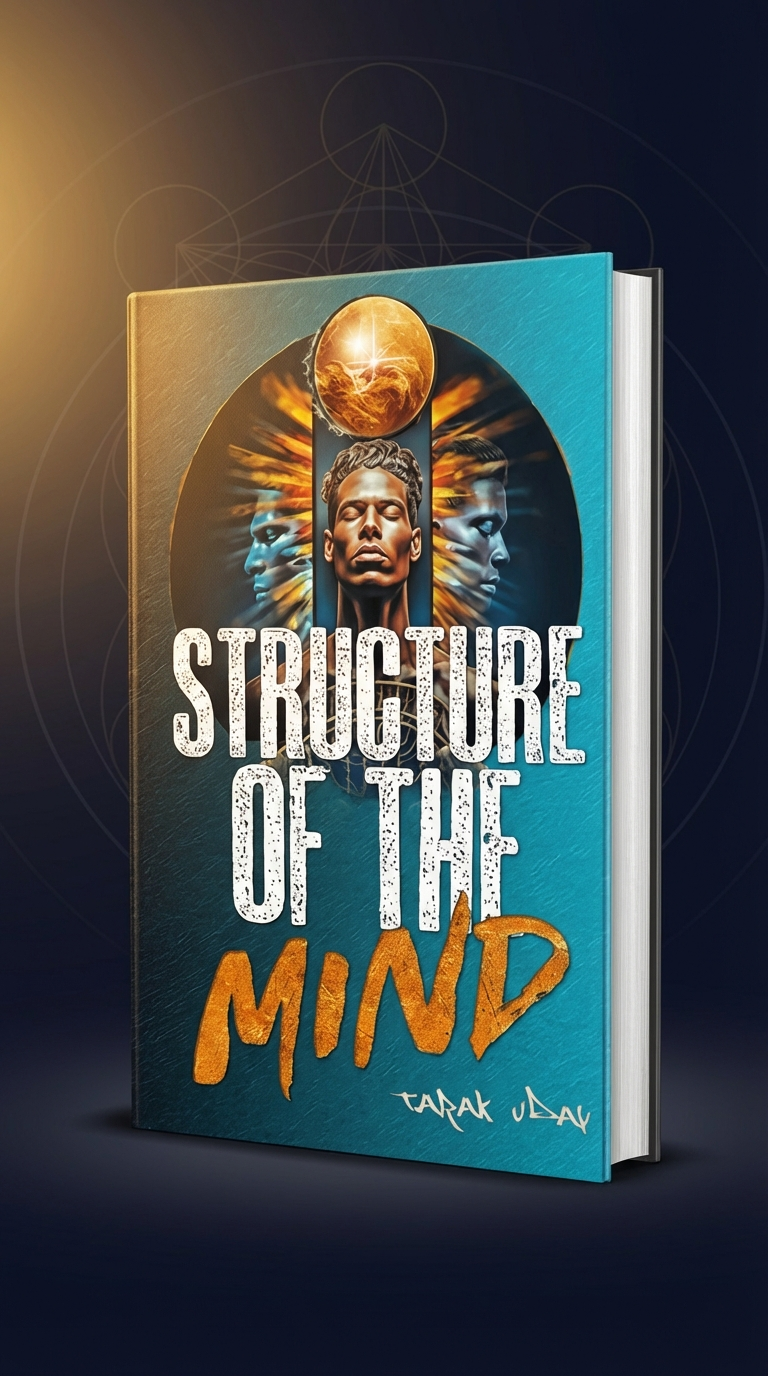
Understand Your Own Mind
"Structure of the Mind" reveals the three divisions of mind, seven levels of consciousness, and powers of mind that most people never learn to develop.