
Road in Dreams: The Path You Are Driving and Who Laid It
Engine off. Hazard lights ticking. You are on the shoulder of a road you were driving a minute ago, and now you are not driving it. The car is still pointed the right way. The keys are in your hand. Outside the glass, everything else is still going — trucks, sedans, somebody's dog with its head out of a back window — all of it moving past you at speed while you sit in a stopped vehicle a few feet from the white line.
Nobody told you to pull over. There was no siren, no smoke from under the hood, no flat tyre. You simply stopped, and now that you have stopped, starting again feels like it needs a decision you do not have on you. That is the part that survives waking up. Not fear. Something quieter and more irritating than fear: the sensation of having taken yourself out of the flow on purpose and not knowing how to rejoin it.
That is a road dream, and the shoulder is its sharpest picture. In the Universal Language of Mind — the symbolic language your subconscious mind uses every night, identically across every culture and every century — a road is your life path. It is the route you are taking toward what you say you want.
Your car in this language is your physical body, the vehicle consciousness drives around inside this reality in order to reach anything at all. One sentence, and we leave it there, because the dream did not put its weight on the car. It put the weight on the road, and the road is the only thing in the picture that is not you and does not move.
A road in a dream is the path you are taking in life toward your goals. Movement along it is progress you are making. The shoulder is where you have stopped making it. Off the edge means you are no longer on the route you chose. The road reports your position — it does not forecast your future.
What is a road, really, and who decided where the one you were driving goes?
A symbol in this language is read off two facts: what the thing physically is, and what job it performs. Form and function. Get those right and the meaning is already sitting in front of you, no interpretation required.
So: a road is a prepared surface. Somebody graded it, laid it and sealed it deliberately, to carry a vehicle between two points that were already known before the first load of gravel went down. It has a direction. It has a width, which sets a hard limit on how far you can swerve before you are no longer on it. It carries painted markings that tell you which lane belongs to you and where passing is allowed. It has a shoulder, built for stopping and never for travelling. It has junctions and exits, which are decision points with a location and a moment attached. And it has a surface condition that quietly decides how fast you are permitted to go.
Then comes the fact that does all the interpretive work. A road does not move. You do. Asphalt is inert. It has no plan for you, no intention toward you, and no opinion about whether you arrive. Every inch of progress along it comes out of your engine and your own right foot.
And somebody chose where it goes. A road can only carry you somewhere a person once decided to connect to somewhere else. Those are the metaphysical mechanics of this symbol: you are travelling a route that was selected before you got on it. Sometimes you selected it. Far more often you inherited it — from a parent, a profession, a city, a choice you made at twenty-two and never reopened. A dream that shows you a road is showing you a path that already has a shape, and asking whether you know whose hands gave it that shape.
Does a road in a dream predict travel, or a destiny already laid out for you?
The popular reading says a road means a journey ahead: a trip coming, a move, a big change on the horizon. The grander version says the road is your destiny, already paved and already routed, and your only job is to follow it and trust. Then there is the folk line that a long straight road promises a long life.
Every one of those collapses at the same point. They make the road the active party and you the cargo.
Look at the image again. In your dream the road did nothing. It lay there. You held the engine, the steering, the speed, the lane and the power to stop. A symbol that is completely passive cannot be a forecast, because forecasting requires something to happen on its own, and pavement does not act.
Destiny readings are seductive for exactly that reason — they hand the wheel to the road. If the path is already laid out, then being stopped on it is not your doing and getting moving again is not your responsibility. Your subconscious mind does not comfort you that way. It is an internal reporting system, and what it reports is your current position on a route you are covering under your own power. A long straight road does not promise a long life. It says the coming stretch contains no turns and no decisions, which is information about the stretch, not about your lifespan.
The road has no plan for you. It is the one thing in the dream that cannot move. Everything that happens on it happens because of the driver.
What is your subconscious mind reporting when you are stopped on the shoulder?
A shoulder exists for one purpose: temporary stopping. It is deliberately not a lane. It is narrower, its surface is rougher, it collects the grit and debris swept off the live lanes, and every driver alive knows you do not travel on it. It is where you go when you cannot continue and you need to be out of the way.
So a dream that parks you there is reporting a stop. Not a crash, not a failure — a stop. You are pointed the right way, your vehicle works, and you are not currently making progress toward the goal this road serves. That is what the shoulder says, and it is far more precise than the loose way people use the word stuck.
Now look at what your dream did with the traffic around you. If everything else streamed past, the stall is being registered comparatively, against other people who are moving. If the road was empty and you were the only thing on it, the stall is private, something you carry alone. Engine running means the readiness is intact and only the decision is missing. Engine off means you have withdrawn energy from that goal altogether.
Which leads to a question you can actually answer while awake. Which goal is this? Not your life in general. One goal. Something you named to yourself inside the last year and have not moved toward in weeks. There will be exactly one, and it will arrive faster than you expect. The dream chose a road because you hold a route in your head for that thing and you already know your foot is off the throttle.
Was the road marked or bare, climbing or falling away, empty or jammed? Was your car moving, idling or dead? Put those details into CHITTA's dream journal exactly as you remember them, unpolished, and Read your road dream against every other symbol standing in it.
What does it mean to drive off the road, or to watch an exit go past?
Driving off the road is the most alarming version and the most easily read. You have gone off course. The route you chose is over there and you are over here, on grass or gravel or heading down an embankment, usually still moving — that detail matters, you are almost always still moving — but no longer on the prepared surface that leads where you said you were going.
Off course and lost are not the same report, and your subconscious mind separates them cleanly. Off the road means there was a route and you left it: an action, or a run of small ones, carried you away from a goal you still hold. Not knowing where to go or how to get there is a different dream entirely. That one says you are unsure how to reach something you want, and it tends to arrive as an unfamiliar junction, a map you cannot read, or a road that simply ends.
The passed exit is the cruellest picture this symbol owns, and it deserves better than a shrug. An exit is a decision point that exists at one place and one instant. It is available, then it is not, and the architecture of the road prevents you reversing back to it. When your dream slides that sign past your peripheral vision, it is reporting a decision you registered and did not take. Notice what it does not report. It never says you have ruined anything. It says the next exit sits further down the road and you will be driving to it.
Driving off the edge on purpose, which plenty of people dream, is a departure you are considering: leaving a route knowingly, with no prepared surface waiting on the other side of the line.
Why do the markings, the width and the surface carry so much of the meaning?
Everything specific in a road dream lives in its condition. Each feature does a particular job out in the physical world, so each one files a particular report about your path.
Markings govern which lane is yours and whether overtaking is allowed. A road with the paint worn away is telling you the rules you were using to steer this part of your life have faded. You no longer know what is your lane and what is not, where you are permitted to pass, whether you are drifting. That is not a moral failing. It is maintenance. Somebody stopped repainting, and the somebody is you.
A road under construction reports a path being rebuilt while you are on it. Traffic still flows, slower, rerouted, with people working the surface. That is precisely what deliberate change feels like from inside it, and the image is encouraging rather than ominous. A road that narrows to a track says the options along this route are closing down: the prepared surface is running out, and what remains asks for a different kind of vehicle. A surface full of holes says progress is available but slow and expensive.
Then the familiar road that suddenly arrives somewhere else — the commute you have driven a thousand times, delivering you to a place it has never delivered you to. A habitual route producing an unfamiliar outcome. Something you do automatically is generating a result you never planned, and that image is worth more than any other detail you can recover.
Tarak Uday teaches the Universal Language of Mind as one working language rather than a lookup table, and the road is the strongest argument for reading it that way. The same road in five conditions files five different reports, and the entire difference sits in the details you would be tempted to leave out while telling somebody about the dream.
What do you actually do with a road dream tomorrow morning?
An interpretation that changes no behaviour is entertainment. So here is the practice, and it costs you under a minute.
Tonight, before you sleep, write the goal you suspect this dream was about. One line, and not a category like career or health. An actual outcome with an edge on it, the kind of thing you would know for certain you had reached. Underneath it, write where you are on that road right now, using the dream's own vocabulary: moving, idling, shoulder, off the edge, lost at a junction. Use the dream's word. It chose that word for a reason, and your waking mind will start softening it within seconds, so get it down before the softening starts.
Then tomorrow morning you are in the driver's seat. Coffee in the holder, belt across your chest, key not yet turned. Before the engine starts, say the goal out loud inside the car, one sentence, to nobody. This is what this week's driving is for. Then turn the key and pull out.
It will feel faintly ridiculous the first time. Do it anyway. Saying a goal aloud in the exact vehicle your dream used as its symbol puts the goal and the machinery in the same place at the same moment, which is the join your shoulder dream reported had come apart. You do not have to repair the whole route this week. You have to be on it, in a lane, with the destination named, for one specific stretch — and tomorrow, before the key turns, you say it again.

Frequently Asked Questions


LUCID
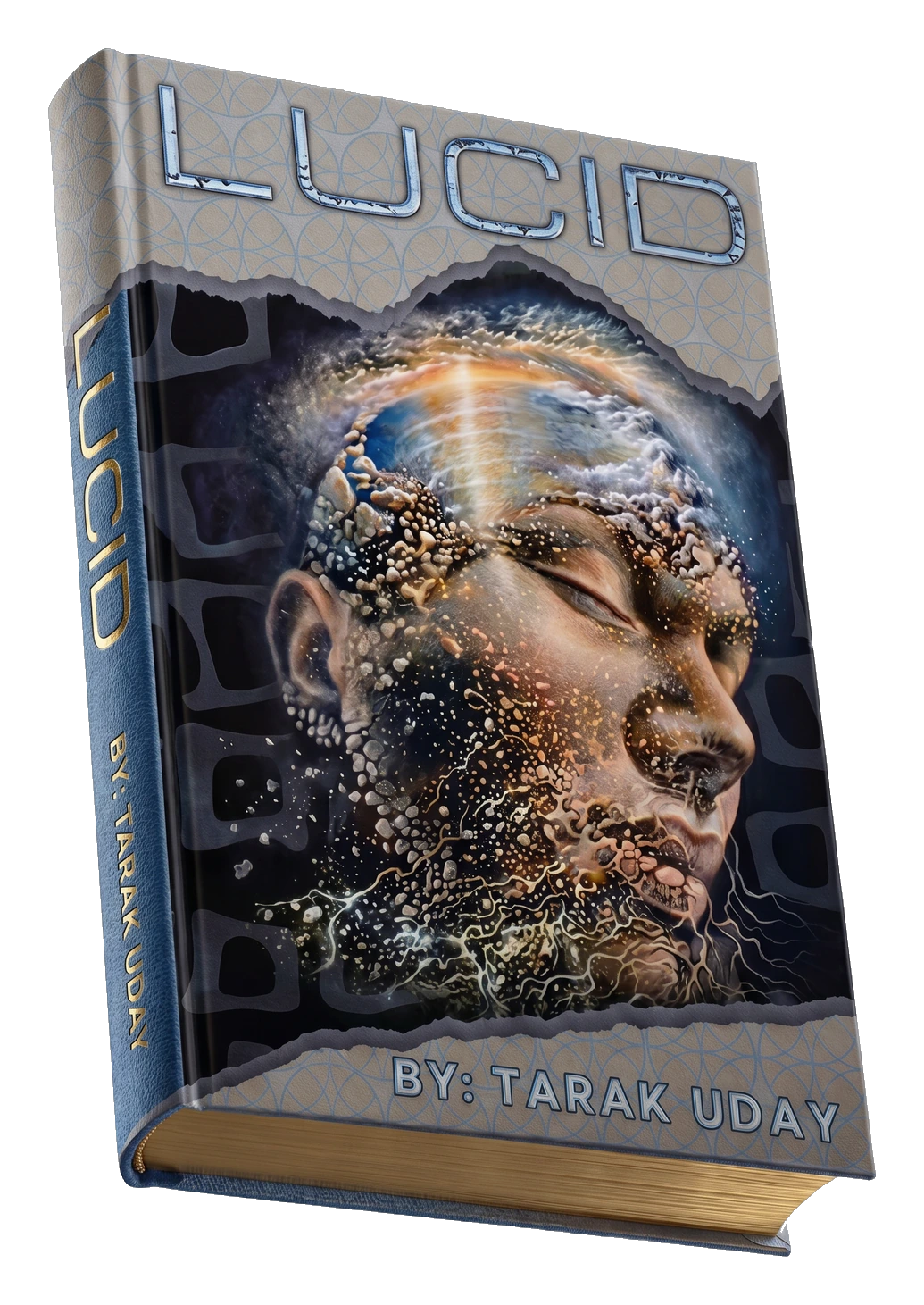
You've tried every lucid dreaming technique. Most miss the root cause. LUCID reveals what they all skip.
Understand Your Own Mind
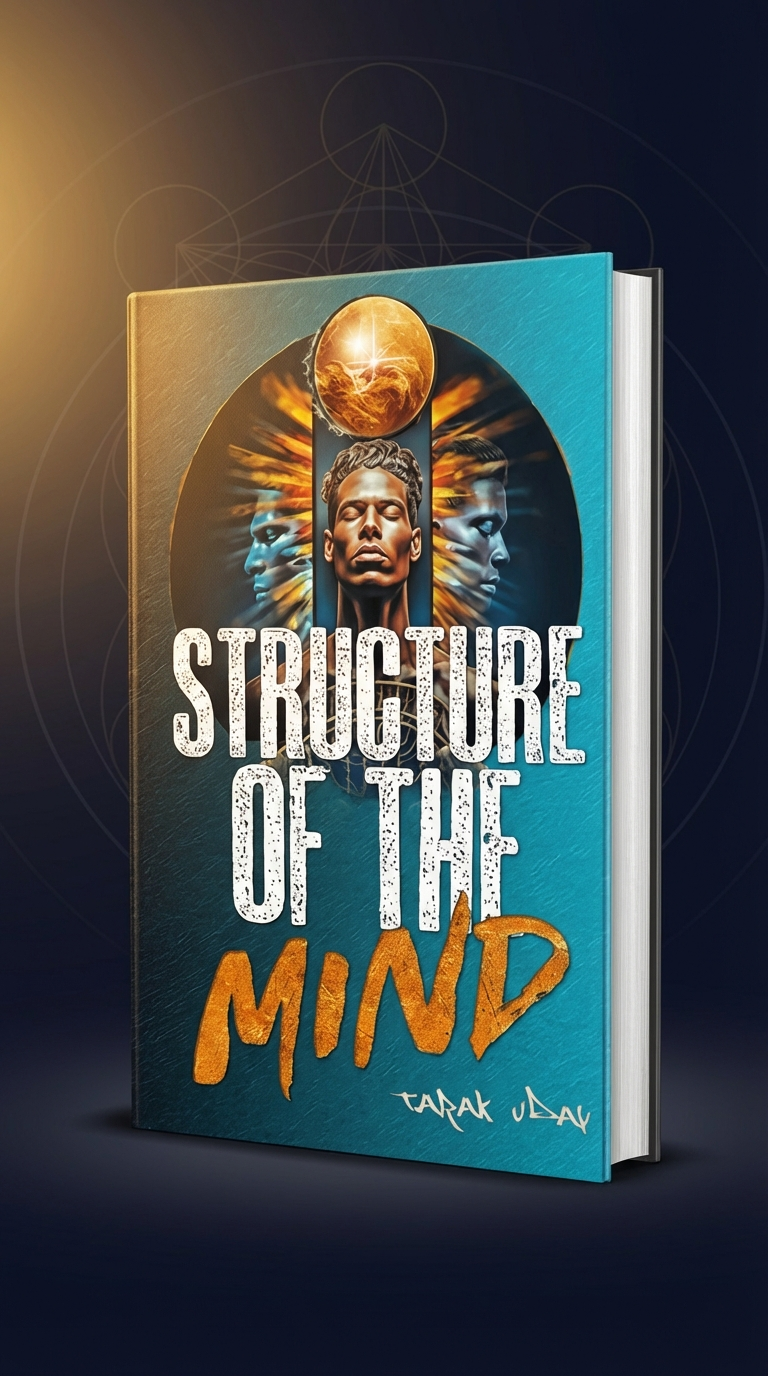
"Structure of the Mind" reveals the three divisions of mind, seven levels of consciousness, and powers of mind that most people never learn to develop.