
Sleep Paralysis Is a Checkpoint, Not a Threat
You woke up, couldn't move, and something was in the room. Here's what was actually happening, why the fear painted the picture, and how the same stillness becomes the doorway into lucid dreaming.
Sleep paralysis isn't dangerous. It's the natural stillness your body enters every night so you don't act out your dreams, and it only feels like a threat when you happen to be awake for it. You know the moment I mean, if you've had it. Your eyes open, the room is there, and your body won't answer. There's a weight on your chest, maybe a shape in the corner, and you can't even call out. Then it lets go, and you lie there with your heart pounding, wondering what just happened to you. Here's what nobody told you: you weren't trapped. You were standing at a door most people sleep straight through. And whatever you saw in that corner wasn't a visitor. It came from the same place as the dream you'd just left, and that dream is still worth remembering.
Is Sleep Paralysis Dangerous, or Just Misunderstood?
So let's start with the belief that does the damage. The internet and the movies have taught you that sleep paralysis is something being done to you: a demon on your chest, a presence in the room. Carry that picture and of course you panic.
Now flip it. In LUCID, Tarak Uday explains the biology this way: as you sleep, the brain releases GABA and glycine, two neurochemicals that work together to still your voluntary muscles, so you don't get up and walk around your house acting out your dreams. It isn't an attack. It's a safety feature, and your body goes through it every single night. The only unusual thing about your night was that you were awake for it.
That's the reframe this whole article rests on. A checkpoint is a place you pass through on the way somewhere. Sleep paralysis is the point where your body has finished falling asleep and your consciousness hasn't. For a lucid dreamer, that's confirmation, not danger.
One plain line, because it matters: this isn't medical advice; if you have physical symptoms, see a doctor. What follows is about the mind.
Why Does Sleep Paralysis Feel So Terrifying?
So if the paralysis is harmless, where do the shadow figures come from? LUCID describes what happens when someone becomes aware of the paralysis and tries to move. They feel they can't, they panic, and the panic doesn't stay a feeling. It turns into pictures. The hypnagogic images that show up at the edge of sleep take on the shape of whatever emotion is running in that moment. Tarak puts the whole mechanism in five words: "The fear creates the imagery."
Read that again with your own night in mind. The figure at the foot of the bed, the pressure on your chest: every one of those images arrived after the fear, not before it. You didn't panic because you saw something. You saw something because you panicked.
That fits the way your mind works every night. In the Universal Language of Mind, as Tarak Uday teaches it, every image in a dream is an aspect of the dreamer. The subconscious mind communicates in pictures, and the picture it builds in that moment is a portrait of the state you're in. In Life is But a Dream, he writes about the nightmares and night terrors he used to have, and what he understood once he began writing his dreams down and decoding them: "A NIGHTMARE IS A DREAM IN WHICH YOU ARE NOT IN CONTROL." Control there doesn't mean steering the dream. It means command of your own reactions, and that is exactly what the shadow was portraying.
And here's what no article about the biology can tell you. The specific shape your fear took that night, a man, a weight, a voice, a pair of eyes, was chosen by your mind out of everything it could have shown you. One episode is a single image. The same figure returning for months is a pattern, and a pattern says something no single night can.
Can You Lucid Dream Without Sleep Paralysis?
The honest answer: you don't avoid sleep paralysis. You stop noticing it.
Think about what the paralysis does. It holds the body still. Now think about what you're doing when you try to fall asleep consciously. You're lying still. In LUCID, Tarak writes: "Ideally, you never even know you are in sleep paralysis because you are not supposed to be trying to move anyway." The paralysis sets in and nothing about your experience changes, because you were already doing what it does. It only becomes a frightening event when you're aware of it and fighting it at the same time.
So the way around a frightening paralysis isn't a trick for skipping the stage. It's a body that has learned to stay still and a mind that knows what's happening. LUCID lays out a progression: first the foundation (recording dreams, the Long Breath, concentration, visualization), then the Wake Back to Bed method, where you wake briefly late in the night and go back in with awareness. Only after that comes WILD, wake-induced lucid dreaming, where you stay conscious through the whole transition, paralysis included. Most early lucid dreams come from the middle step, often without any awareness of the paralysis at all.
Body position matters too. LUCID credits Robert Bruce with the observation, confirmed in Tarak's own practice, that lying on your side tends to produce lucid dreams rather than full conscious exits, while lying flat on your back favours the exit. If the paralysis stage unsettles you, your side is the gentler door.
And there's a quieter reason some nights work and others don't. The state you fall asleep in decides the state you dream in, and undisciplined attention fidgets. The candle concentration exercise is where you learn to hold still while an itch begs you to move.
What Should You Do the Next Time Sleep Paralysis Happens?
So you've woken into it, and the old fear is reaching for you. Here's the practice.
First, stop trying to move. The struggle is what turns a quiet checkpoint into a horror scene. Let the body be asleep. It's doing its job.
Second, breathe. LUCID's advice to anyone frightened by the paralysis is to practise the Long Breath right there inside it: "Breathe longer, slower, deeper." Breath is the one lever that reaches your state directly, and a slow breath tells the whole system there's nothing to fight. The full method is in the Long Breath technique.
Third, observe instead of reacting. You may hear sounds: a buzzing, a crackle, footsteps, whispers. You may see shapes. In LUCID, Tarak describes them plainly: "These are transitions, not threats." Watch them with curiosity. If a figure shows up, remember where it came from. It's an image of your own state, not an intruder, and it loses its grip the moment you stop feeding it fear. If fear is the wall you keep hitting, how to overcome fear in lucid dreams goes further.
Fourth, when it passes, write it down. What you saw, heard and felt, whether the room was light or dark, what you'd been dreaming just before. The episode is a message, and dreams fade fast after waking. Unless you catch it on paper, it goes with them.
How Does CHITTA Accelerate Your Way Through Sleep Paralysis?
So now you know what to do inside it. Here's the gap: none of it helps if the episode is gone by breakfast. From memory alone you can't see which nights it comes, what you'd dreamt before it, or whether the figure is the same one every time.
Tarak Uday takes this further in LUCID, his book on becoming aware inside the dream.
That's what the dream journal in CHITTA holds. You record the episode the morning it happens, dated, with everything you saw and felt. The interpretation engine reads each entry in the Universal Language of Mind, so the shadow in the corner gets decoded as what it is, an image of your own state, instead of being left as a monster. And because every entry sits on a timeline, a figure that keeps returning shows up as a pattern instead of a coincidence. Alongside it, the Long Breath log keeps a dated record of the breath work that steadies you, and the candle exercise records your tic-mark count, so your growing stillness becomes a number you can watch.
Here's the acceleration. What was a terrifying memory becomes a dated record. What was a single bad night becomes a trend line you can read. You stop asking whether something is wrong with you and start reading what your subconscious mind has been showing you. The Structure of the Mind lessons are being turned on shortly, the next step for understanding the levels of mind your consciousness passes through on its way into a dream.
None of this does the stillness for you. It makes sure the experience isn't wasted. Tonight's act: if it happens tonight, breathe slowly, stay still, and write down what you saw afterwards.
That's what sleep paralysis is. It doesn't tell you why your mind chose that particular shape to show you, on that particular night. What you write down afterwards will start to.
What Else Do People Ask About Sleep Paralysis?
Is sleep paralysis dangerous?
No. In LUCID, Tarak Uday describes it as the natural mechanism that keeps your muscles still so you don't act out your dreams. It only feels frightening when you're awake for it and fighting it.
Can you lucid dream without sleep paralysis?
You don't skip it; you stop noticing it. If you're already lying still, it sets in without changing anything you feel.
Why do I see a figure during sleep paralysis?
Because fear creates imagery. In the Universal Language of Mind, every image is an aspect of you, so the figure portrays your state, not an outside presence.
Tarak Uday teaches the Universal Language of Mind and the Structure of the Mind, the framework behind CHITTA's practices. His books, including LUCID and Life is But a Dream, are on the CHITTA books page.

Frequently Asked Questions


Books by Tarak Uday

LUCID
You've tried every lucid dreaming technique. Most miss the root cause. LUCID reveals what they all skip.

Learn The Language Your Dreams Speak
"Life Is But a Dream" teaches the Universal Language of Mind — how to read any dream symbol by what it is and what it does, so every dream becomes a message you can act on.
Understand Your Own Mind
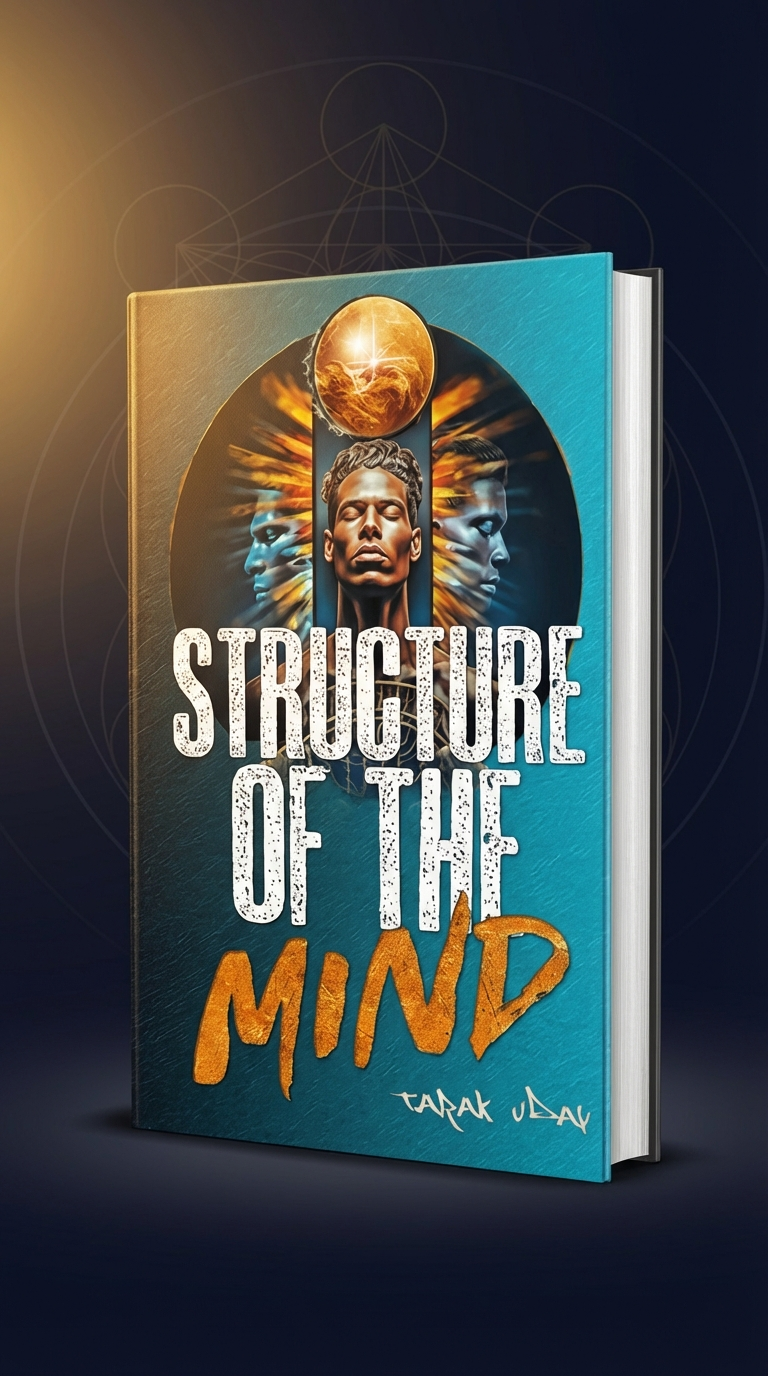
"Structure of the Mind" reveals the three divisions of mind, seven levels of consciousness, and powers of mind that most people never learn to develop.