
The WILD Technique: Five Checkpoints From Awake to Lucid
You didn't fail at WILD. You reached a checkpoint you didn't know was there, and reacted to it. Here is the whole map, gate by gate, from the moment you lie down to the moment you step out.
The WILD technique, wake-induced lucid dreaming, means you put your body to sleep while your mind stays awake, and you pass through five checkpoints on the way: the body test signals, sleep paralysis, the hypnagogic sounds and visions, the vibrations, and the exit. Maybe you've tried it. You lay still, an itch started on your cheek, you scratched it, and twenty minutes of stillness went with it. Or you heard a crash in the next room, opened your eyes, and the whole thing was over. That wasn't failure. That was a checkpoint you didn't know you'd reached. And the place you were trying to reach isn't somewhere new. You go there every night. It's where last night's dream happened, the one you may still half remember right now.
What Is the WILD Technique, Really?
So most of what you've read treats WILD like a clever way of falling asleep. Then it doesn't work, and you decide you're not one of the people it works for.
That conclusion starts from the wrong picture. In LUCID, Tarak Uday describes three people on the same car ride home. A child falls asleep at one house and wakes up at the other with no memory of the trip. That's ordinary sleep. A second child wakes up halfway and looks out the window. That's remembering a dream. The third person walks out to the car, starts it, and drives the whole way. That's WILD. Same road, same night. The only difference is how much awareness made the trip.
So WILD isn't about falling asleep differently. It's about never letting go of the wheel. There's no break in awareness at all.
It's the most advanced method there is, which is exactly why beginners go straight for it. In LUCID, Tarak compares that to walking into a gym for the first time and attempting a 500-pound deadlift. The order he teaches is a foundation of memory, concentration and visualization practice, then the Wake Back to Bed method for at least two weeks, and only then WILD. You attempt it inside that wake-back-to-bed window, when the body is rested and the mind is quiet.
Hold onto that sentence. Every checkpoint below is a test of it.
What Are the Five Checkpoints From Awake to Lucid?
Tarak calls them checkpoints rather than obstacles for a reason. They aren't there to keep you out. They're safeguards, and each one tests whether you have the concentration and the will to stay in control on the other side. Here they are in the order you meet them.
Checkpoint 1: the body test signals. As your body starts to fall asleep, your mind checks whether you're really asleep. It sends urges: roll over, swallow, scratch the itch on your neck, shift an inch to get comfortable. The rule is simple. If you move, it resets, and you're back at the start. This is where willpower comes in. The strength of your desire for the experience is what keeps you still. Early on this can take twenty to forty minutes. It gets faster as the body learns you mean it.
Checkpoint 2: sleep paralysis. Once you're past the test signals, your voluntary muscles switch off. The American Academy of Sleep Medicine classifies sleep paralysis among the REM parasomnias: the muscle atonia of dreaming sleep, still present while you're aware. It happens every night; ideally you don't notice it, because you weren't trying to move anyway. It only becomes frightening when someone is aware of it and fights it. In LUCID it's treated as confirmation, not threat. The paralysis means you're on the right path.
Checkpoint 3: the hypnagogic phase. This is where it gets strange. Sounds arrive: bells, buzzing, footsteps, whispers, something like electronics shorting out. Images appear behind your closed eyes. Tarak's first WILD attempt ended right here. He heard what sounded like his computer catching fire, jumped up to check, and reset the whole process. He'd been right there. The same classification lists sudden loud noises at sleep onset as exploding head syndrome. That's the research description. The Universal Language of Mind reading is different: the sound marks your consciousness shifting from the physical level into the subconscious levels of mind. Either way, the instruction is the same. Don't react. Observe.
Checkpoint 4: the vibrational stage. Hold through the sounds and the vibrations come. They start as a buzz in the chest or stomach and build until they feel like they're roaring through every cell. Many people feel what seems like their heart racing impossibly fast. In LUCID, Tarak describes this as the heart center, the energy center in the middle of the chest, activating as part of the exit, not the physical heart. This is where most people abort. They open their eyes, and it resets. If you're feeling this, you're moments from the exit. Hold your attention steady the way you'd hold it on a candle flame.
This isn't medical advice; if you have physical symptoms, see a doctor.
Checkpoint 5: the exit. The vibrations peak, and you still have to get out. That's the last gate, and it works differently from the other four.
Why Do Most WILD Attempts Stall at the Exit?
Here's the part almost nobody explains. You made it through the test signals, the paralysis, the noise and the vibrations, and then you're lying there, buzzing, unable to get out. The answer is a single shift.
For four checkpoints, everything was about not moving. Everything tried to make you react, and you didn't. Now you have to flip that completely. At the exit, you use your will to pull yourself out. The stillness that got you here is exactly what keeps you stuck if you hold onto it.
The energy-body methods in this part of LUCID come from Robert Bruce, and Tarak credits him openly: the bounce technique, which charges the energy body before an attempt by moving awareness up and down each limb, and the rope technique for the exit. With the rope, you reach up with your awareness hands, not your physical ones, feel a rope hanging above you, and climb hand over hand by touch rather than by picturing it. Rocking is the exit Tarak found most consistently successful in his own practice: you rock your energy body gently back and forth, a little wider each time, until it rolls out like someone rolling out of a hammock.
Two details decide a lot. First, position. Lying flat on your back or reclining tends to produce a full exit; lying on your side tends to produce a lucid dream instead. Second, if only part of your body is vibrating, the rest is still holding tension, and that's the part that feels glued down. Deep relaxation is the fix, and breath is the most direct lever you have on it. The state you lie down in decides the state you cross over in.
When you do get out, come straight back, then go a little further next time. Small wins build the next exit.
How Does CHITTA Accelerate Your WILD Practice?
So now you have the map. Here's the gap: you can't see your own progress across it. One night you reach the sounds, three nights later you don't get past the itch, and it all blurs into "it isn't working." Without a record you can't tell whether you're stuck at checkpoint one because of the technique or because your concentration needs more time.
Tarak Uday takes this further in LUCID, his book on becoming aware inside the dream.
That's what CHITTA holds. The dream journal dates every entry, so "reached the vibrations, aborted at the heart center" becomes a line you can set against last week's. The candle exercise logs your tic-mark count each session, and that number is the most honest read you'll get on how long you can lie still through checkpoint one. The Long Breath log keeps a dated record of the relaxation practice that loosens the tension holding you at the exit. And whatever you meet on the other side, the places, the figures, the symbols, the interpretation engine reads in the Universal Language of Mind. In LUCID, Tarak recommends exactly this: record your WILD experiences in CHITTA and decode them, because everything you encounter there can be interpreted.
Here's the acceleration. A vague sense of "close, but not yet" becomes a sequence. You can see that you reached checkpoint three on four of your last seven attempts, that the nights you did the Long Breath first were the nights you got further, that your tic count dropped the same week the test signals got easier. What was a feeling becomes a trend line, and a trend line tells you what to practise next.
None of this lies still for you. It makes sure no night of lying still is wasted. So here's tonight's act: notice which of the five checkpoints you reach before sleep takes you, and write it down.
That tells you how far you got. It doesn't tell you what was waiting at the checkpoint where you stopped, or why the dream you slipped into afterwards showed you what it did. The record you start tonight will.
What Else Do People Ask About the WILD Technique?
Is the WILD technique safe?
Sleep paralysis is the same muscle shutdown that happens every night; it only frightens you when you fight it. The racing in the chest is described in LUCID as the heart center activating.
When is the best time to try WILD?
During the Wake Back to Bed window, after several hours of sleep. An afternoon nap can also work.
Why do I get stuck in my body after the vibrations?
Because the exit asks for the opposite of the first four checkpoints. Until now you held still; now you use your will to pull out, with the rope or rocking technique.
Tarak Uday teaches the Universal Language of Mind and the Structure of the Mind, the framework behind CHITTA's practices. The full WILD chapter, with every checkpoint and exit technique, is in his book LUCID.

Frequently Asked Questions


Books by Tarak Uday
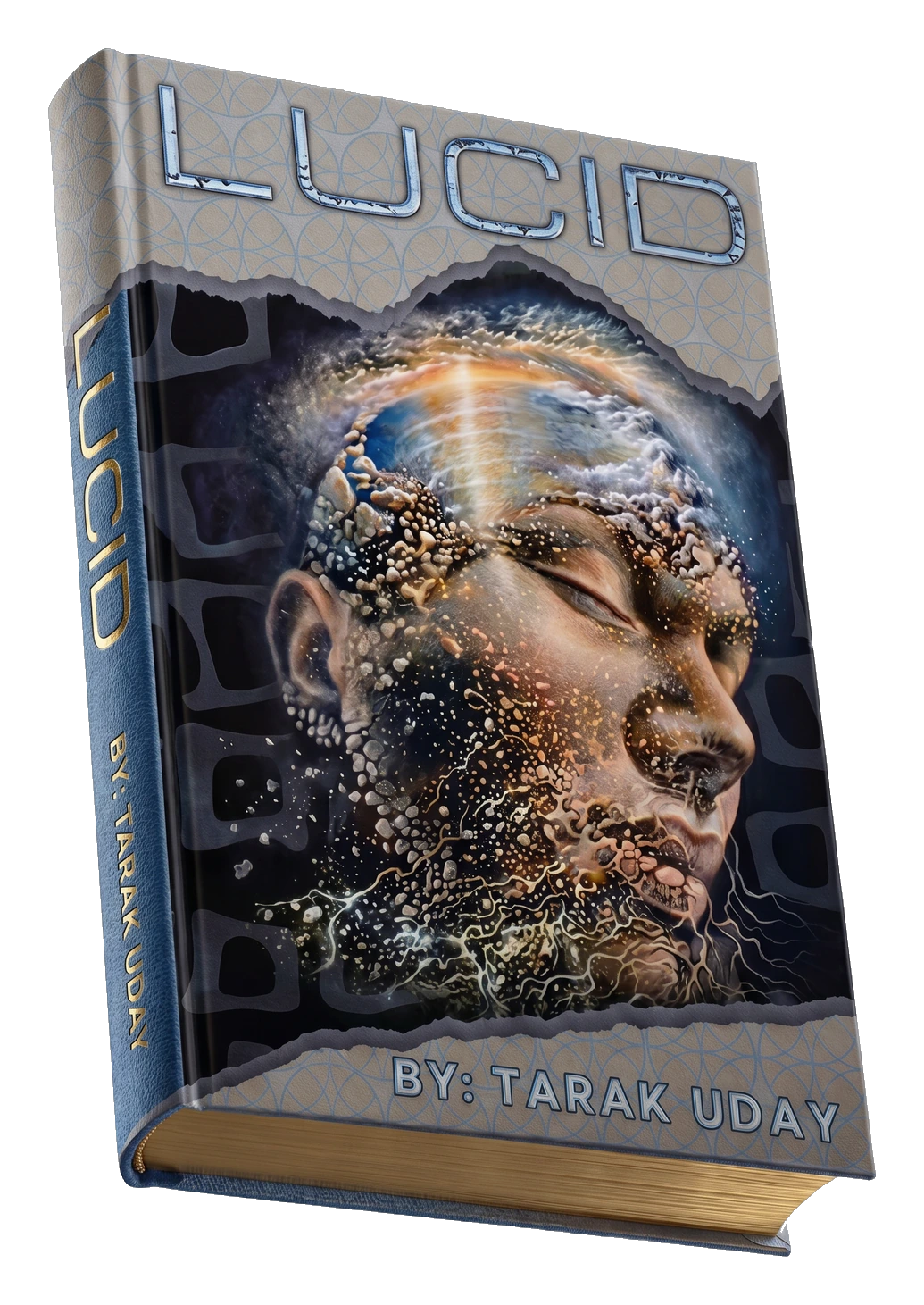
LUCID
You've tried every lucid dreaming technique. Most miss the root cause. LUCID reveals what they all skip.
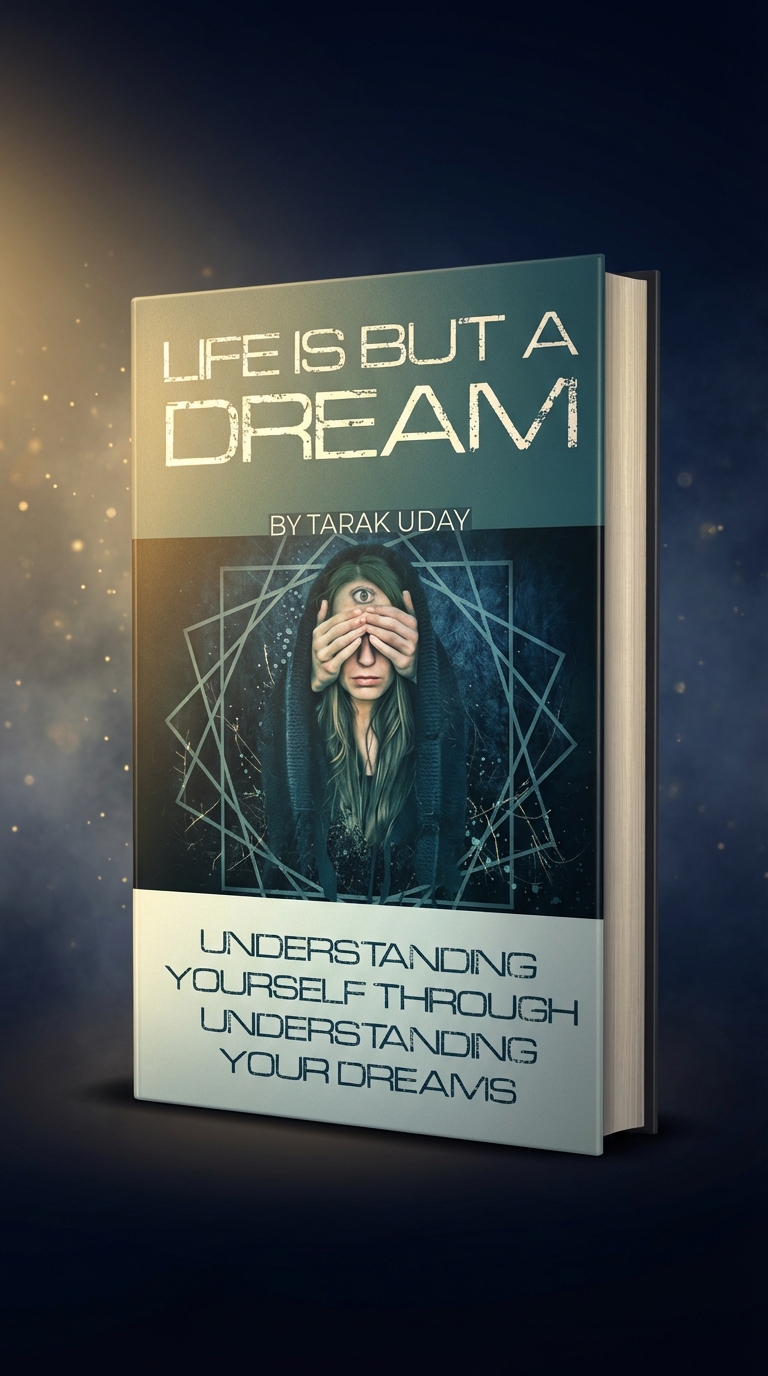
Learn The Language Your Dreams Speak
"Life Is But a Dream" teaches the Universal Language of Mind — how to read any dream symbol by what it is and what it does, so every dream becomes a message you can act on.
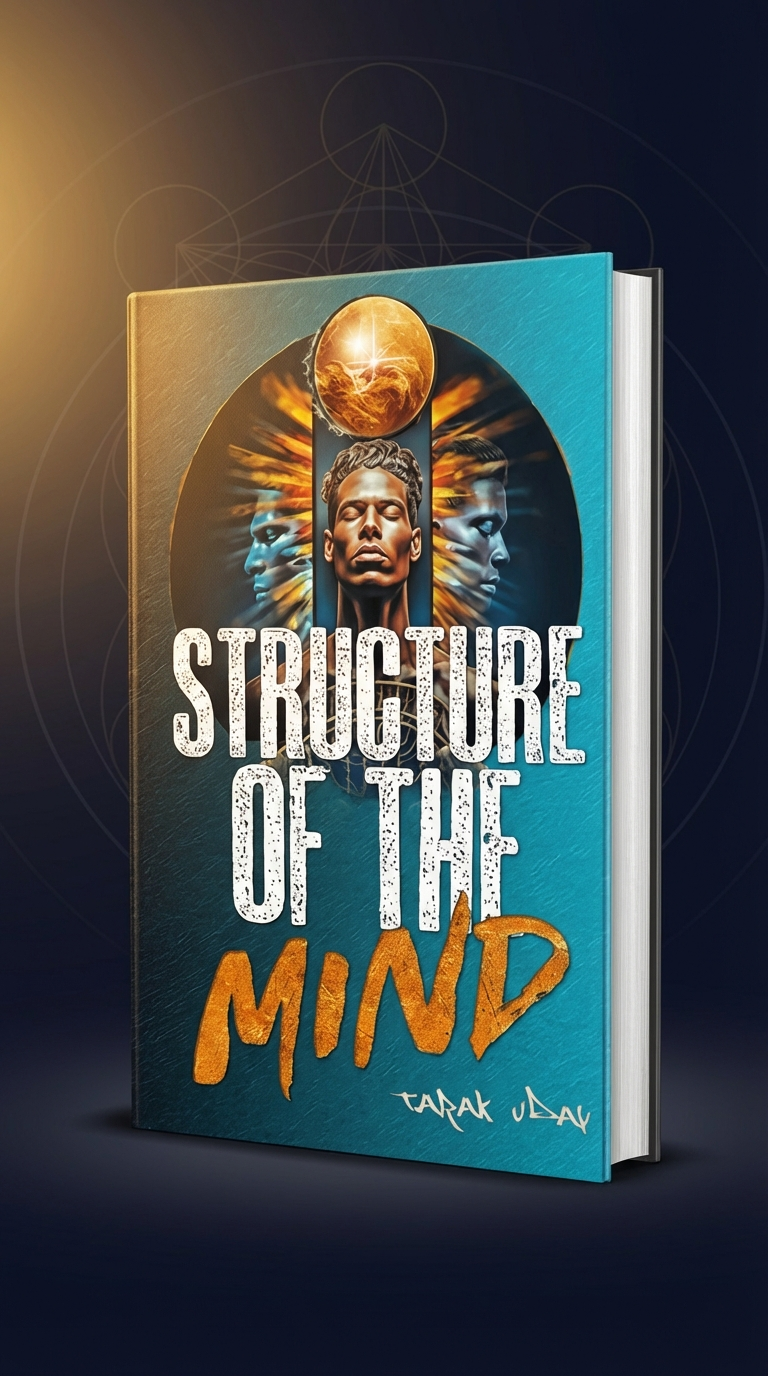
Understand Your Own Mind
"Structure of the Mind" reveals the three divisions of mind, seven levels of consciousness, and powers of mind that most people never learn to develop.