
Lion Dream Meaning: The Thought That's Running Your Mind
So you dreamed about a lion. Here's the part nobody told you — the lion isn't your courage. It's the habitual thought that's been ruling your mind on autopilot.
So you woke up at 3 AM with the image of a lion still standing in your mind, and you can't shake it. Maybe the lion was watching you from across an open field. Maybe it was crouched at the foot of your bed. Maybe it roared and you snapped awake before it touched you. Doesn't matter which version showed up — the question is the same. What was the lion actually doing there?
Every dream-dictionary site gives you the same answer. The lion means strength. Courage. Leadership. Your inner king. Time to step up. Pick the cliché, they all use it. That answer puts you in a flattering position — the dream is congratulating you on something, the lion is the heroic version of you, your job is to receive the compliment. That framing is backwards.
The lion in your dream isn't a compliment. It's a status report. It's showing you which thought has been ruling your mind without your conscious permission — and asking whether you actually want it there.
What Mainstream Dream Sites Get Wrong About Lions
Here's the standard interpretation everyone repeats: a lion in a dream is a symbol of your strength, your latent courage, your inner monarch waking up. Think about that for a second. You had a vivid, multi-sensory experience inside your own subconscious mind — sometimes terrifying, sometimes overwhelming — and the best answer anyone could give you was that the dream was complimenting you on your bravery. That doesn't begin to touch what's actually happening.
The dream isn't a flattery loop. It's a diagnostic. Your subconscious is showing you what's currently in charge in there, the same way a CEO walks the factory floor to see who's actually running the operation. The lion is whichever thought has been so loud, so repeated, and so unchallenged that it's started behaving like a king — and the rest of your mental life has started bowing to it.
According to Tarak Uday's Dream Symbol Dictionary, animals in dreams "represent our habitual thoughts" — thoughts we have not consciously chosen but have repeated so often they've become habits. The dictionary calls the lion out by name: "if you dream of a lion, it could represent a powerful, dominant habitual thought that is ruling your mind." That's not poetic flourish. That's the mechanism. The lion is a thought, and you've been letting it eat at the head of the table.
The Form-and-Function Reasoning: Why a Lion Means What It Means
Here's how the Universal Language of Mind actually works. Every dream symbol is the literal form of the thing translated into the function it represents at the level of mind. Water is conscious life experience because water surrounds and moves you. A house is your state of mind because a house is the structure you live inside. A car is your physical body because a car is the vehicle you direct.
So what's the form of a lion? An apex predator. King of the beasts. The animal other animals submit to. Maned, vocal, dominant. Sleeps most of the day and rules anyway. Now translate that into the function at the level of mind. Apex predator = the thought that no other thought is currently strong enough to challenge. King of the beasts = the thought sitting on top of your inner hierarchy. The other animals submit = your quieter, healthier thoughts have stopped pushing back. Sleeps most of the day and rules anyway = you're not even actively thinking it; it's running on pure habit.
That last part is the giveaway. The lion doesn't show up because you've been doing intense thinking. It shows up because a thought has gotten so automatic that it doesn't need your conscious involvement anymore. It's just there, in charge, every day, whether you noticed it or not.
The Most Common Lion Dream Variations and What Each One Means
The lion's behavior in your dream tells you what the dominant habitual thought is doing in your life right now. The form is precise. Here are the variations that come up over and over.
A lion watching you from a distance
You're aware of the lion, but it isn't approaching. This is the early-warning version. A habitual thought has gotten powerful enough to be visible — you've started noticing it — but it isn't actively running you yet. This is the best version to receive. You have time. The thought is still on the edge of your mental field, not yet at the center. Name it now and you can change it before it becomes the king of the pride.
A lion attacking or chasing you
The dominant thought is actively running you and you're trying to outrun it. This is one of the most common variations and it's almost always linked to being chased dreams — both signal you're running from an aspect of self. The lion version specifies that the aspect is a thought you've been letting rule your inner life. Anxiety as a habitual loop. Self-criticism as a default soundtrack. "I'm not enough" as the operating background. You can't outrun it because it's running from inside you.
Taming or befriending a lion
You're sitting next to the lion. It's calm. You can pet it. This is a powerful variation — your conscious mind has caught up with the habitual thought and is starting to direct it rather than be ruled by it. The thought is still there (the lion didn't disappear), but the dynamic has flipped. You've stopped feeding it your unexamined attention and started using it as a tool. This usually shows up after weeks or months of deliberate inner work.
Killing the lion
You hunt, fight, or destroy the lion. In the Universal Language of Mind, death always represents inner transformation — not literal ending. So killing the lion means a fundamental shift in the dominant habitual thought. The old king is dying. A new dominant thought is about to take its place. This dream usually appears right at the inflection point — the old pattern is failing and the new one hasn't fully taken over yet.
Riding the lion
You're on the lion's back, directing it. This is the advanced version. The dominant habitual thought has been integrated and is now serving your conscious direction. The strength of the thought hasn't gone anywhere — but you're using it, not being used by it. This dream tends to appear during periods of unusual personal effectiveness.
A pride of lions
You're not dealing with one dominant thought; you're dealing with a cluster of them, all reinforcing each other. The Dream Symbol Dictionary entry on animals notes that the type of animal appearing in your dream tells you about the specific habitual thought. Multiple lions = multiple aligned habitual thoughts forming a coordinated mental regime. These are harder to dismantle because each one props up the others. Pick one and work it deliberately; the others will weaken.
A cub or young lion
A habitual thought that is still forming. Pay attention — what you decide to feed in the next few weeks will determine whether the cub grows into another king or never matures. This is the cleanest moment to redirect a developing pattern.
Decode Your Specific Lion Dream — Free
Knowing the symbol gets you 50% of the way. The other 50% is decoding your specific dream — the lion's behavior, the setting, the emotional charge, who else was there. CHITTA does that decode for you, using the same Universal Language of Mind framework Tarak teaches.
Decode Your Dream Now →The Mirror Moment: Which Thought Has Been Roaring at You All Week?
Here's the part of this article that actually matters. Stop reading for a second. Bring the lion back into your mind. Specifically, look at what the lion was doing — watching, attacking, calm, being ridden, multiplying.
Now hold that image next to your inner life over the past two or three weeks. What thought has been there every day, in the background, on repeat? The one you don't even argue with anymore because it's been showing up so long it feels like the truth? Some examples of common dominant habitual thoughts: "I'm behind." "I'm not enough." "Nobody actually sees me." "Money is always going to be a struggle." "I always end up alone." "If I stop pushing, everything falls apart."
One of those, or something close to it, is the lion. The dream isn't a separate event. It's the same thought, dressed in fur and teeth so you'd finally sit still and look at it.

Bindu says: "You didn't dream about a lion because you're brave. You dreamed about a lion because something in your head has been roaring at you every day and you've stopped hearing it."
How to Actually Use This: The Practice for Changing a Dominant Habitual Thought
So you've identified the lion. Now what? The Dream Symbol Dictionary is specific. When animals show up in dreams, "it's a sign that you need to become more self-aware of your habitual thoughts. Pay attention to these thoughts and consider whether they are serving you or hindering you. To become more conscious of the thoughts you are choosing to think throughout the day, practice concentration. This can help you to better control your thoughts and to transform any negative habitual thoughts into positive ones."
Tarak Uday takes this further in Structure of the Mind, his map of the three divisions of mind and the powers of attention, memory and imagination.
Concrete practice. Three steps. The Lucid methodology Tarak teaches starts here.
First — catch the thought in waking life. For the next seven days, the moment you notice the dominant habitual thought running, just notice it. Don't argue with it. Don't suppress it. Don't try to replace it yet. Just write down: "It's here again." A note on your phone is enough. By day three, you'll have a list. By day seven, you'll have proof of how often this lion has been roaring inside your head.
Second — interrupt the loop, don't fight it. The thought is a habit. Habits don't lose because you yell at them; they lose because something else takes over the slot. So when you catch it, drop attention to your breath for ten seconds. Not a meditation session. Ten breaths. The conscious mind cannot hold the habitual thought and the present-moment breath in the same place. You don't kill the lion — you starve it of the attention that's been feeding it.
Third — feed a new thought deliberately. Pick the thought you actually want to be dominant. Repeat it on purpose. Not affirmations chanted in front of a mirror — just one sentence, said quietly to yourself, ten times a day, at random moments. After a few weeks, the new thought becomes the easier one to think. The old lion fades. A new pattern takes over the throne.
That's the methodology. That's the move.
Where Lion Sits in the Larger ULM Symbol Map
This article is one node in a larger map. The lion belongs to the animals cluster — all habitual thoughts, but each species means something different. The dictionary lays out the specifics: snakes are creative power and Kundalini; horses are willpower; birds are habitual thoughts within the subconscious; fish are spiritual knowledge. A lion sits at the top of this cluster — the most dominant, the most coercive, the one most likely to be running the whole inner show without you noticing.
The lion also sits next to the symbols of the powers it usurps. When a dominant habitual thought is running you, it's typically blocking your willpower (you can't make new choices), distorting your superconscious knowing (the higher self can't get through), and drowning out the quieter angel-class thoughts from the highest level of mind. The lion isn't dangerous because it's strong. It's dangerous because it crowds everything else out.
Look at the dream. Identify the lion. Identify the thought. Decide whether you actually want it on the throne — or whether you're ready to feed a new pattern long enough for the old king to lose its kingdom. The lion can be tamed. It can be ridden. It can even be killed if you're at that point. None of it happens without first naming what the lion actually is.
Stop Letting a Thought Rule Your Mind on Autopilot
The lion in your dream tonight is the same thought that's been quietly running your inner life this week. CHITTA decodes the specific message — based on the Universal Language of Mind that Tarak Uday teaches, not generic dream-dictionary filler.
Decode Your Dream Now →
Frequently Asked Questions


Books by Tarak Uday
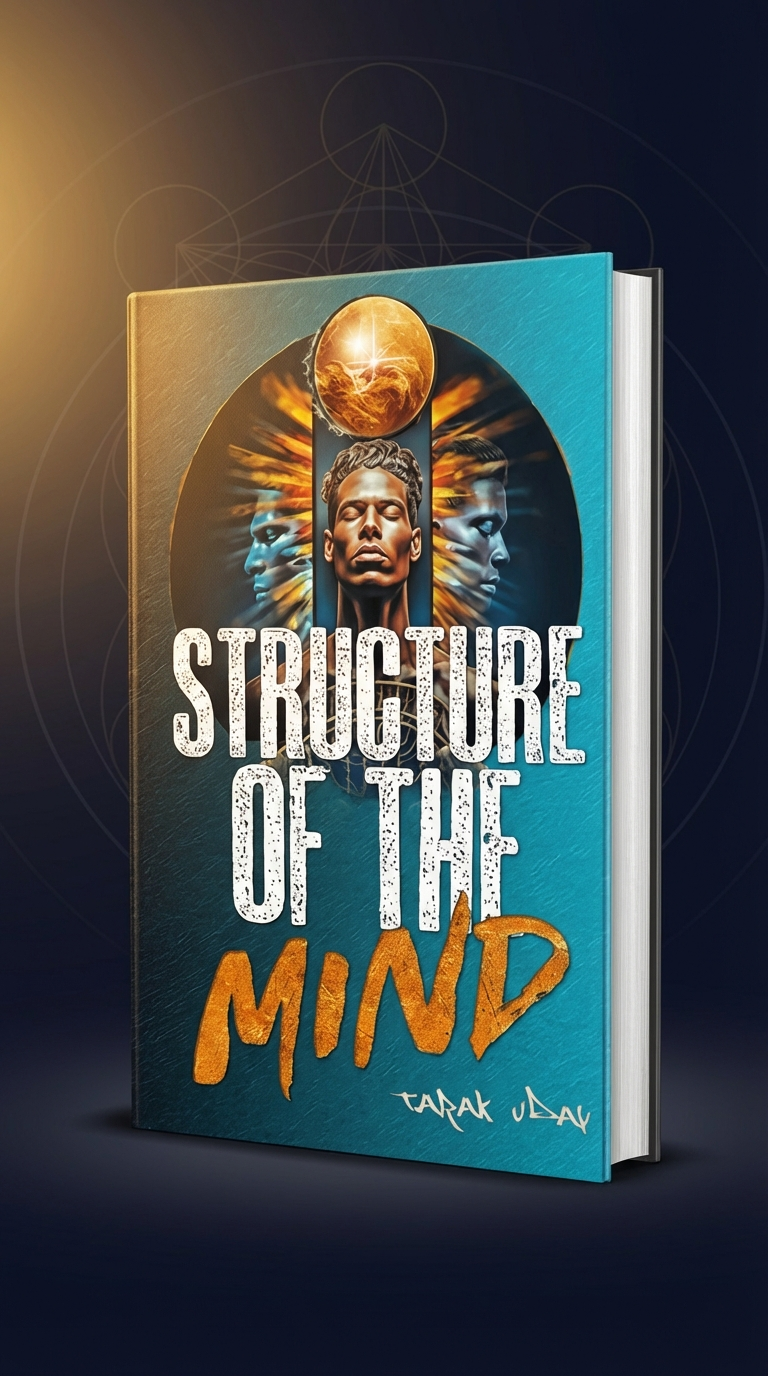
Understand Your Own Mind
"Structure of the Mind" reveals the three divisions of mind, seven levels of consciousness, and powers of mind that most people never learn to develop.
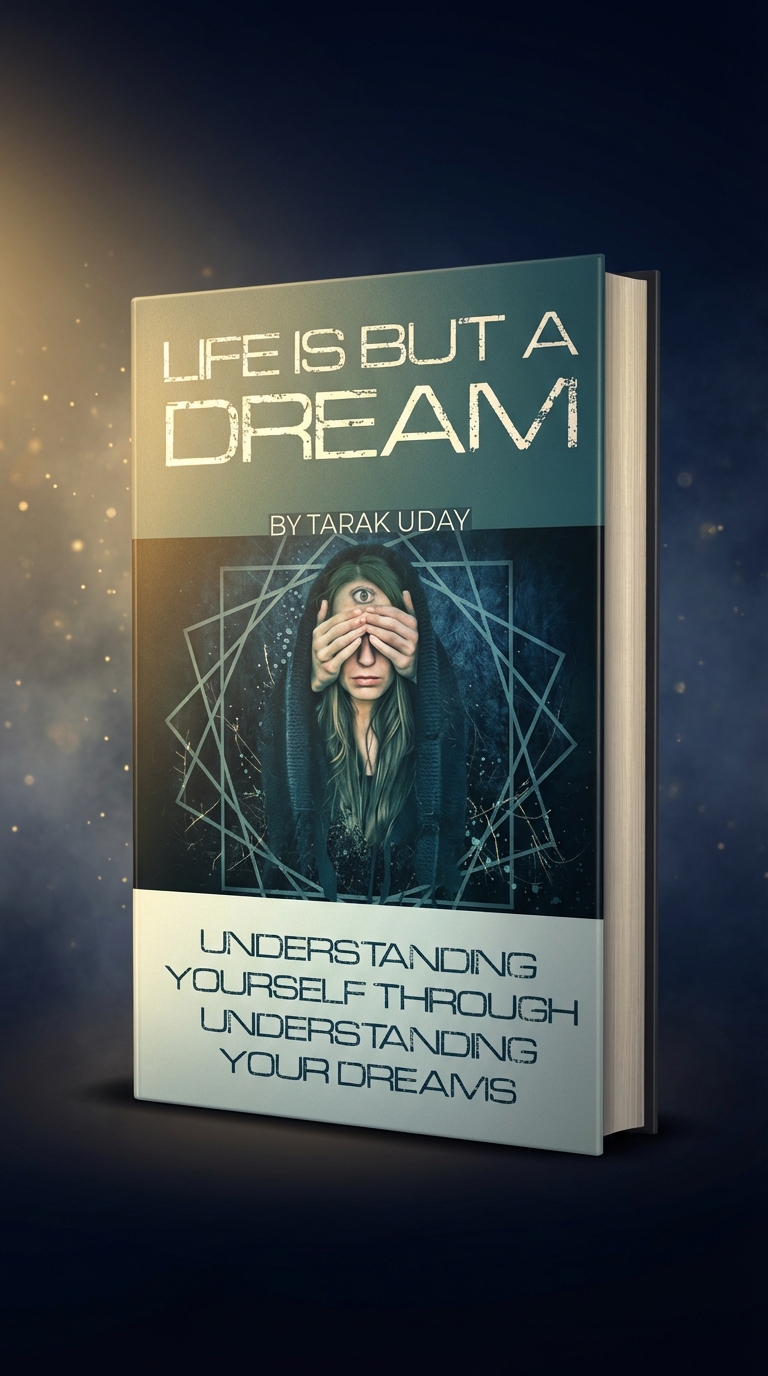
Learn The Language Your Dreams Speak
"Life Is But a Dream" teaches the Universal Language of Mind — how to read any dream symbol by what it is and what it does, so every dream becomes a message you can act on.
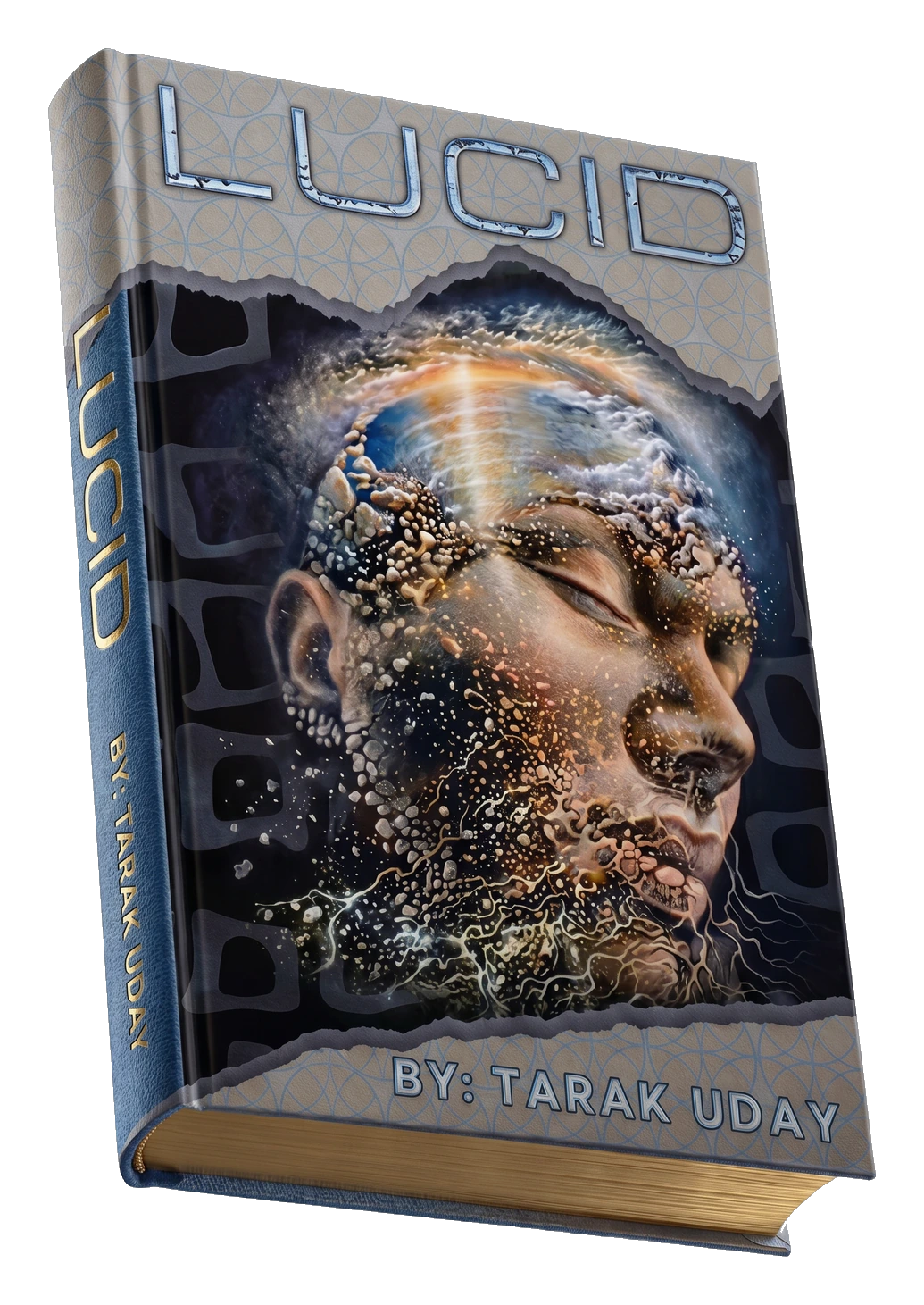
LUCID
You've tried every lucid dreaming technique. Most miss the root cause. LUCID reveals what they all skip.