
Why Do I Keep Attracting the Same Thing? Your Dreams Know
You are not attracting a situation. You are repeating an image — and the dream you keep having is that image, shown to you directly.
You keep attracting the same thing because you keep sending the same image. The subconscious mind's duty is to manifest the dominant desires of the conscious mind, and dominance is decided by how vivid an image is and how often you return to it. A pattern that repeats in your life is a thought image you have been feeding longer than any other. Your recurring dream is that image, shown to you directly.
So you already know the pattern. That's the strange part. You can describe it in one sentence at a dinner table — the job that starts great and sours around month four, the partner who is warm until you need something, the money that arrives and leaves the same week. You've named the shape a dozen times. What you have never been able to name is the thought underneath it, which is the only part that would actually change anything.
Why Does the Same Situation Keep Finding You?
It isn't finding you. That's the first correction, and it stings before it helps.
Thousands of seed thoughts cross from the conscious mind into the subconscious every day. Worries, desires, rehearsed fears, half-noticed expectations. The subconscious doesn't judge them and doesn't sort them by whether they serve you. It has to decide which of thousands of competing images gets energy, and it decides on two things: how clear the image is, and how often you return to it.
Now think about what a long-running pattern does to those two numbers. The thought this will sour around month four is not vague. You have a fully rendered version of it — the specific tightening in the chest, the tone of the email, the exact moment you knew. And you return to it constantly: before it happens as dread, while it happens as recognition, after it happens as evidence. Vivid and frequent. That's not a curse. That's a winning bid.
What Makes a Dream Repeat in the First Place?
Dreams aren't brain static. They're real experiences inside the inner levels of the subconscious mind, and the images you meet there are the thought images currently moving through those levels toward your waking life. When you look around in a dream, you're seeing the contents of the mind that is shaping your tomorrow.
Which makes a repeating dream a very specific kind of message. It means one image has enough density and enough persistence that you keep walking into it. It hasn't moved. It hasn't dissolved. It's still there on the next pass, in the same room, with the same furniture.
And that's exactly why it lines up with the waking pattern. Same image, two outputs. In the dream you meet it as scenery. In your life you meet it as a fourth month. According to Tarak Uday's Universal Language of Mind, these are not two separate phenomena that happen to rhyme — they are one thought image expressing at two different levels of the same mind.
How Do You Read the Recurring Dream for the Name of the Pattern?
You stop asking what it predicts and start asking what it depicts. Three questions do most of the work.
First: what is the setting, and what state is it in? A house is your mind — not a building, not your childhood home. A house with a room you can't enter is a part of your own mind you've closed off. A house mid-renovation is a mind actively rebuilding. The condition of the structure is the condition of you.
Second: what animal is in it, and what does that animal feel like to you? Animals in dreams are habitual thoughts — the mental patterns running underneath deliberate thinking. Not physical habits. The chronic worry underneath the fidgeting. The subconscious picks the animal that matches how you experience the habit's force, which means the dictionary matters less than your own association. A dog that follows you everywhere is a very different habit from a dog that blocks the door.
Third: what did you feel at the moment the dream turned? Emotions are road signs, not weather. They report what is currently manifesting or has just manifested. So the feeling at the turn of the dream tells you which part of the pattern is live right now — the expecting, the confirming, or the aftermath.
Put those three together and you usually get a sentence. Not I attract unavailable people, which is a description of results. Something closer to I rehearse being left, in detail, in advance — which is a description of an image, and images are the only things in this system you can actually change.
The dream you keep having is naming the pattern.
Log it tonight and decode it through the Universal Language of Mind — the setting, the animal, and the turn are the three coordinates.
Decode Your Dream Now →Why Does Naming It Change Anything?
Because energy flows where attention goes, and an unnamed image gets attention without ever being examined.
While the pattern is nameless, every encounter with it is a reinforcement. You feel the dread, you confirm the outcome, you file the evidence. All of that is attention pouring into the image, which is exactly the fuel that keeps it dense enough to keep manifesting. You are not observing the pattern. You are running it.
Naming it breaks that loop mechanically. The moment the image has a name, encountering it becomes an act of recognition rather than participation — there it is, that's the rehearsal — and recognition is a much smaller withdrawal from the account than dread is. The image doesn't disappear. It stops being automatically refunded.
Then the second half becomes possible. A named image can be deliberately replaced with a competing one, built vivid and specific and fed at the same two moments each day until it starts winning the allocation on its own. That is the whole mechanism, and it does not work while the thing you're competing against is still anonymous.

Bindu says: "You have told this story so many times that your subconscious mind assumed it was the order. It has been filling it faithfully ever since."
How CHITTA Accelerates This — What Turns a Repeat Into a Named Pattern?
Here's the gap this article opened. You now know the recurring dream carries the name of the pattern. You almost certainly cannot retrieve it — because a dream is gone within about ninety seconds of standing up, and the whole diagnostic depends on comparing one night against a night eleven weeks ago that you also didn't write down.
A repeat is only visible across a record. One dream about a flooding house is a night. Six of them in a season, clustered around the same three weeks of your life, is the pattern naming itself — and no one can hold that comparison in memory, because memory quietly edits toward the story you already believe.
The dream journal is what makes the repeat detectable at all: dated entries that don't get revised, so the fourth appearance of the same setting is something you can actually see rather than something you vaguely sense. The interpretation engine reads each entry through the Universal Language of Mind rather than an internet symbol list, so the house comes back as your state of mind and the animal comes back as a habitual thought instead of trivia. And the symbol dictionary is where you check the form and function yourself, so over a few months you stop needing the lookup — you're reading your own images.
The acceleration is that a pattern which took you eleven years to notice in your life is legible in your dream record in about eight weeks. Same information. One is written down.
So log tonight's dream before you stand up, and start the record that lets the repeat show itself.
What Else Do People Ask About Recurring Dreams and Repeating Patterns?
Why do I keep attracting the same kind of relationship?
Because the image you rehearse most vividly and most often is the one the subconscious mind allocates energy to. Anticipating a specific outcome in detail is a form of rehearsal, and it usually carries far more repetitions than anything you have deliberately visualized.
What does a recurring dream actually mean?
It means a single thought image has held its density instead of moving through and dissolving. The dream is that image met directly, in the inner levels of the subconscious mind, which is why it maps so precisely onto the pattern repeating in your waking life.
Do recurring dreams stop once you fix the problem?
They typically change before they stop. The setting shifts, the threat loses force, or you act differently inside the dream. Those changes usually show up in a dated record weeks before the waking pattern visibly breaks.
How does the Universal Language of Mind read a repeating dream?
As form and function rather than prediction. The house is your state of mind, animals are habitual thoughts, and the emotion at the turn is a road sign reporting what is currently manifesting. Read together, they name the thought image driving the repeat.
Tarak Uday is the founder of CHITTA and the author of Structure of the Mind and Life is But a Dream, which lay out the Universal Language of Mind used throughout this article. For the related mechanics, see how a belief gets demoted rather than deleted and how to read the signs a manifestation is arriving.

Frequently Asked Questions


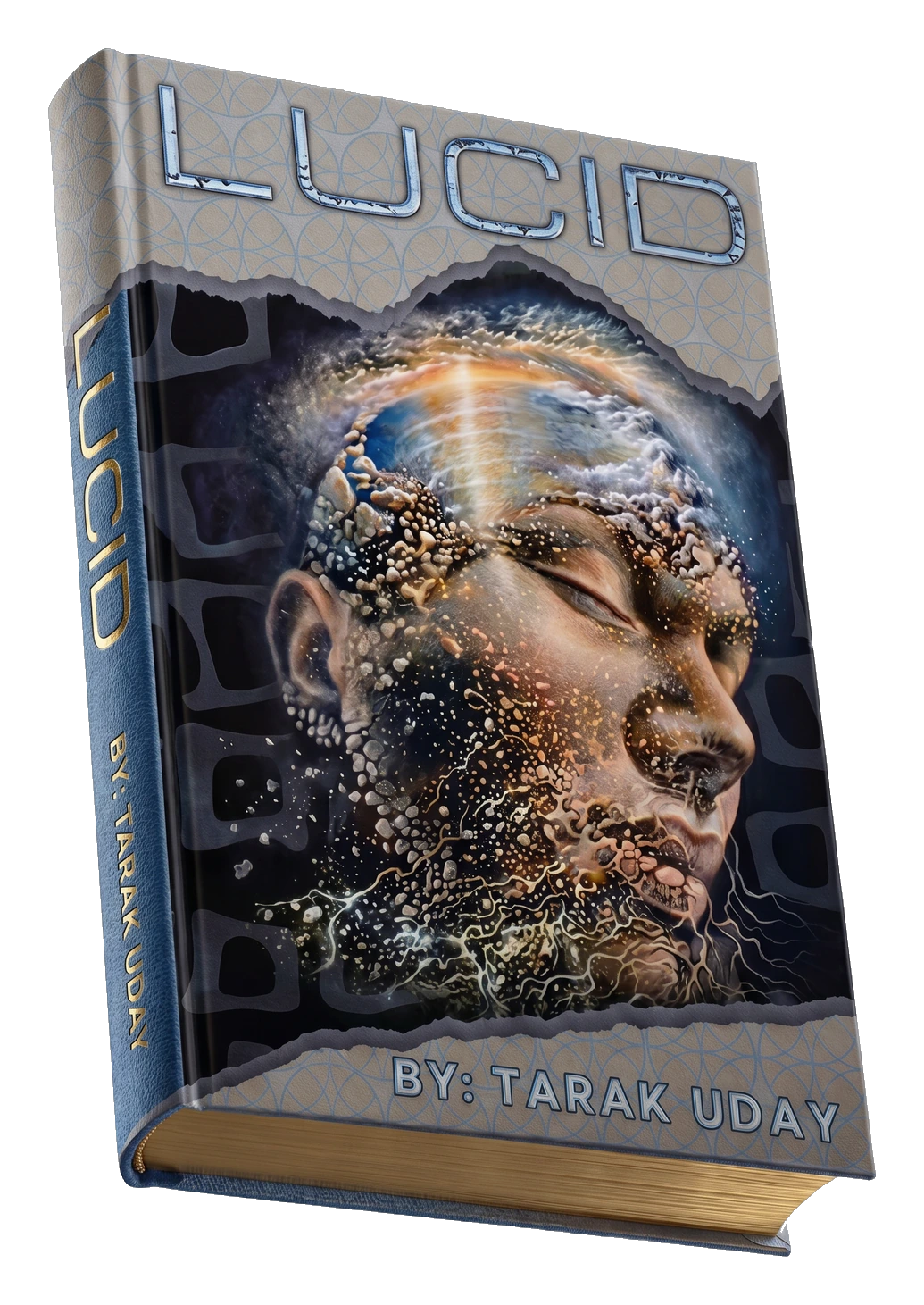
LUCID
You've tried every lucid dreaming technique. Most miss the root cause. LUCID reveals what they all skip.
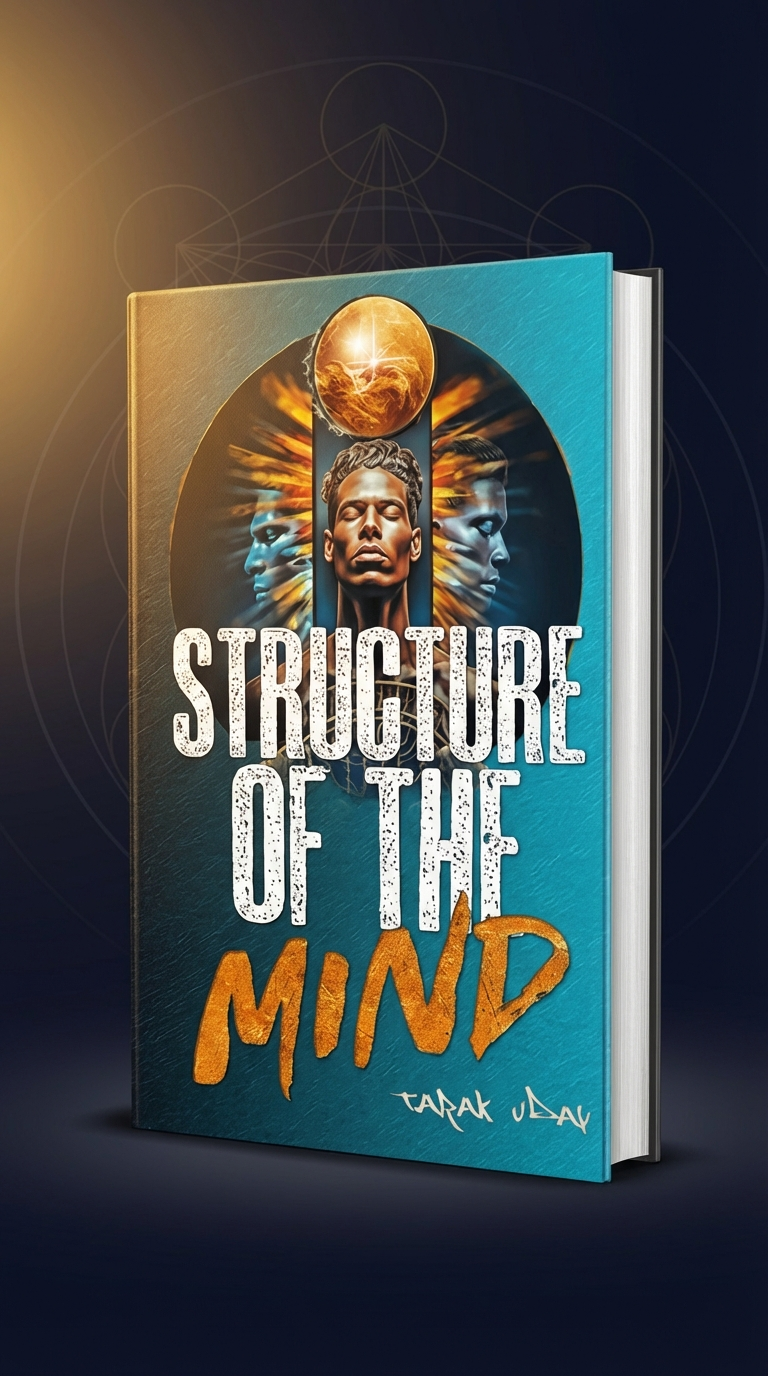
Understand Your Own Mind
"Structure of the Mind" reveals the three divisions of mind, seven levels of consciousness, and powers of mind that most people never learn to develop.