
Circle in Dreams: What Your Subconscious Is Really Telling You
It kept being round. A ring left on a table, a roundabout you drove the whole way around twice, a table with everyone seated at it and no head to it, a plate, a coin, a clock face with no hands. You woke up certain the roundness was the point, which is an unusual thing to be certain about, and then had no idea what to do with the certainty.
So you reached for the obvious reading. Going in circles. Stuck. Repeating yourself. Maybe something about the zodiac, or a mandala, or an old superstition about rings. Every one of those readings takes the shape and turns it into a complaint, and a complaint is the one thing this symbol has never been.
In the Universal Language of Mind a circle represents completion and wholeness. Not stagnation. Not a warning. A closed cycle — something in your development that has finished, and finished properly.
A circle in a dream represents completion and wholeness. It has no beginning and no end, and it returns to where it started, which is why your subconscious mind uses it to report that a cycle of growth has closed. The dream is not telling you that you are trapped in a loop. It is telling you that something you have been working through has finished, and that you have arrived back at the starting point carrying what you did not have when you left it.
What does a circle mean in the Universal Language of Mind?
Every symbol in this language is read through form and function — what a thing is, and what a thing does. That holds no matter which country you fell asleep in, because the mind does not translate. So to read a circle you look at what a circle actually is.
A circle is a line that comes back to its own beginning without breaking. There is no first point and no last point on it. You can travel it forever and never reach an end, and you can also stop anywhere and be exactly where you started. Both of those facts are true at once, and both of them are doing work in the symbol.
Tarak Uday teaches the circle as completion and wholeness, and those two words are not decoration on each other. Completion is the closing of the loop. Wholeness is what you are holding once it closes — the understandings you built along the way, gathered into one piece instead of scattered across the experience that produced them.
So when a circle presents itself with emphasis, your subconscious mind is filing a report on a cycle of your own growth. Something has run its full course. The dream is marking the close.
Why would a completed cycle arrive as a shape rather than an event?
Because a shape can say something an event cannot, and your subconscious mind picks the image that carries the most meaning for the least effort.
An event has a direction. It starts somewhere and ends somewhere else, and if your dream had shown you a finish line you would have read it as an ending and probably felt some loss about it. A circle refuses that reading. It ends where it begins, which means the close of the cycle and the opening of the next one are the same point. That is the whole teaching, and there is no way to state it in a scene that does not take a paragraph.
A circle is your subconscious mind saying finished and beginning in a single stroke, because in your development those have never been two separate moments.
It also explains why circles feel strangely calm in dreams that are otherwise unsettled. The image is not warning you about anything. Most dream symbols arrive because something needs attention, but a circle arrives to mark that something no longer does — and a mind used to being warned finds that quiet hard to place on waking.
And it explains the roundness turning up in ordinary objects rather than as a drawn circle. A ring, a coin, a plate, a wheel: your subconscious mind will use whatever round object belongs in the scene, because the shape is the message and the object is only the carrier.
Is going in circles the same as coming full circle?
No, and the difference between them is the single most useful thing to get right about this symbol.
Going in circles means arriving back at the same point unchanged. The waking phrase is about futility — effort spent for no gain. That state does show up in dreams, but it does not show up as a circle. It shows up as repetition: the same corridor again, the same conversation again, the same room you cannot get out of. Repetition is how your subconscious mind reports a loop that is not going anywhere.
Coming full circle means arriving back at the same point different. The location repeats and you do not. And that is what the shape itself describes, because the circle is not a scene you are stuck inside. It is an object presented to you, whole, seen from the outside — which is a very precise way of saying you can now see the entire shape of something you were previously living one step at a time.
So the test is simple enough to apply the morning you wake up. Were you trapped in something that kept recurring, or were you shown something round? Those are two different symbols with opposite readings, and the shape only carries completion when it appears as a shape.
CHITTA reads your dreams in the Universal Language of Mind — the same symbol system used here — so a shape you cannot stop thinking about becomes a specific reading instead of a hunch you drop by lunchtime. Decode your dream free.
What kind of circle was it, and what does that change?
The shape arrives wearing something, and what it wore names the part of your life that completed. This is where the reading gets specific enough to be worth having.
A ring is the most specific circle in the language. A ring represents a commitment to the self — a circle you have chosen to wear, worn where it can be seen. A ring in a dream reports a cycle completing around something you promised yourself, and whether the ring was on, off, lost or found tells you the standing of that promise.
A circle of people reports completion in your relationships with the parts of yourself. Every figure in a dream stands for some part of you, so a group seated in a ring is your own mind convened with nobody at the head of the table. That image reports integration: aspects that were at odds now arranged as equals.
A wheel, a roundabout or anything round that turns reports a cycle completing in movement — a phase of your life path that has run its course. A clock face reports completion in timing, and a clock with no hands reports a cycle that finished without you noticing when. A plate, a bowl or a cup reports completion in what you have been taking in: learning, influence, the ideas you have been feeding on.
A broken circle changes the reading and does not reverse it. A cracked ring, a circle that will not close, a ring of people with a gap in it — these report a cycle that is nearly complete and missing one piece. That is a far more useful message than a failure, because a gap can be named. Ask what has not been finished, forgiven or admitted, and the dream has usually put the answer in whatever occupied the gap.
And a sphere is a circle that has gained a dimension. Where a flat circle reports a cycle completed in one area of your life, a sphere reports wholeness that has become solid — a completion that now holds from every direction rather than only from the angle you were looking at it. Dreamers often describe these as glowing, or as containing something, and the containing is the point: what the cycle produced is now inside you rather than around you.
How is a circle different from the number nine?
Worth separating, because both symbols carry completion and people run them together.
Nine names completion as a position. It is a stage in a progression of qualities, and it reports that a level of development has reached its end and the next level is loading. Nine is about where you have got to in a sequence.
A circle names completion as a shape, and a shape has no sequence in it. What the circle adds is the returning — the fact that the end of the thing and the start of the thing are the same place. So nine tells you a level is finished. A circle tells you that you are standing where you began, holding what the journey produced, and that the ground under you is the same ground while you are not the same person on it.
That distinction matters practically. Nine invites you to look forward at what comes next. A circle invites you to look at where you are standing, recognise it, and notice what is different about the one doing the standing. Those are two different pieces of work, and a dream will pick the symbol that matches the work you actually need to do.
What should you do when a circle closes?
Collect the cycle before you start the next one, because an unexamined completion has a way of repeating itself.
Start by naming what closed. Sit with the dream and ask what in your life has recently run its full course — a role, a relationship, a project, a version of yourself you no longer have to be. Most people can name it within a minute once they stop looking for something dramatic. Completions are usually quiet, which is exactly why they need a symbol to announce them.
Then extract the understanding, in writing, in one sentence. Not what happened, but what you now know that you did not know at the start. The experience was the cost and the understanding is the return, and an understanding you cannot state in a sentence has not finished becoming one yet.
Then look for the gap, if the circle had one. Whatever was missing from the shape is the piece of the cycle still open, and it is almost always something unspoken rather than something undone.
Then start deliberately. The moment a cycle closes another has already opened, whether or not you have chosen its direction, and choosing it is the difference between a circle and a rut. Name what the next one is for. Circles are the only shape that hand you a beginning and an ending in the same object, and your subconscious mind does not draw one to tell you that you are stuck. It draws one to tell you that you made it back around.

Frequently Asked Questions


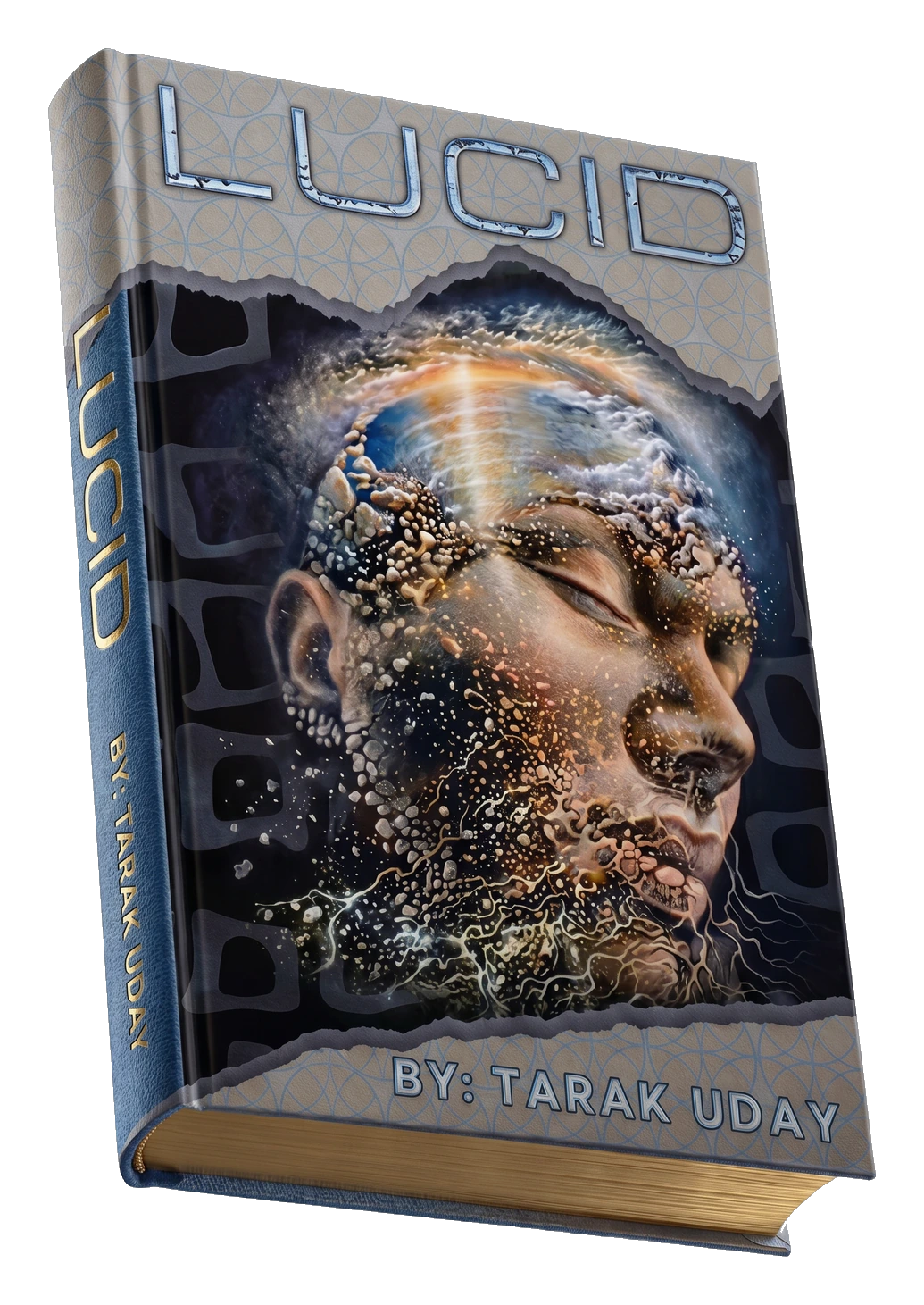
LUCID
You've tried every lucid dreaming technique. Most miss the root cause. LUCID reveals what they all skip.
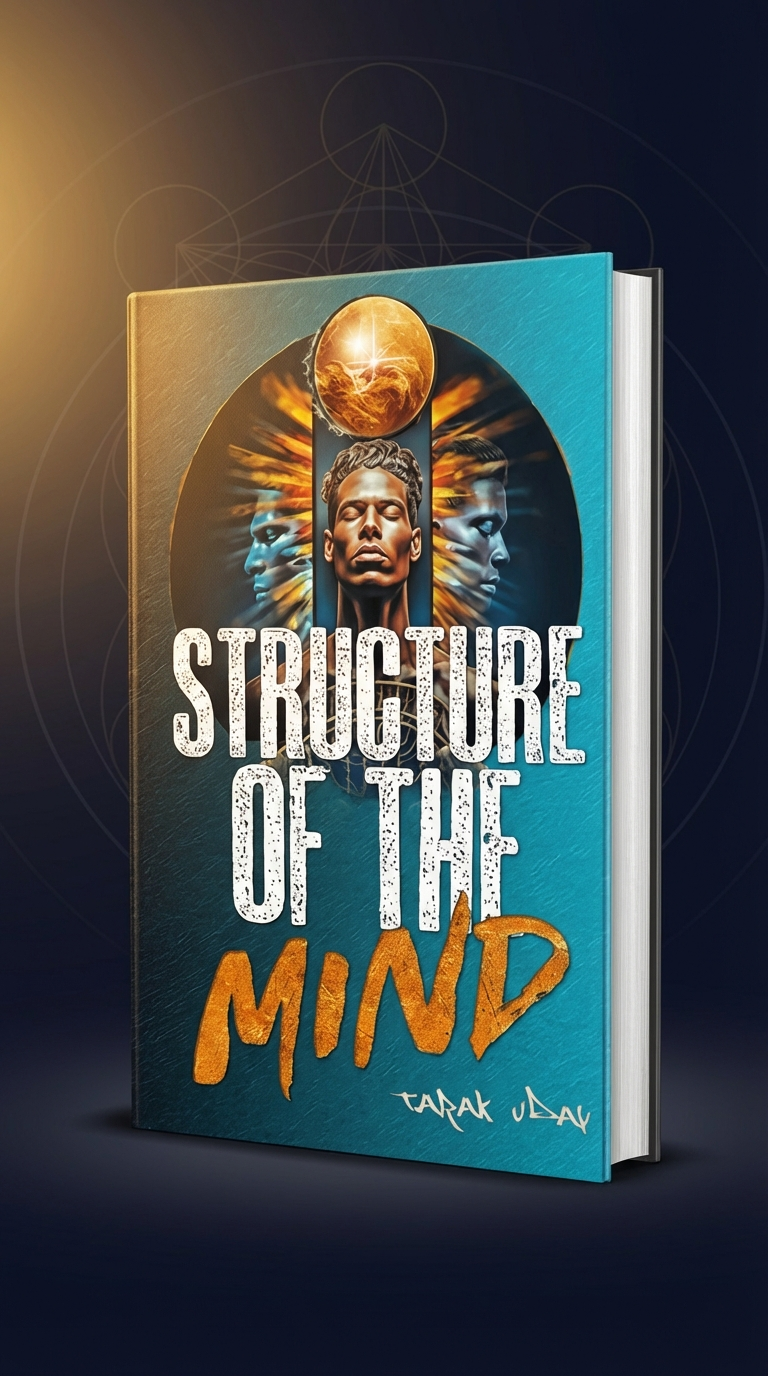
Understand Your Own Mind
"Structure of the Mind" reveals the three divisions of mind, seven levels of consciousness, and powers of mind that most people never learn to develop.