
When a Deceased Person Talks to You in a Dream: Visit or Symbol?
Two very different dreams can look alike from the inside. What was said, and how it was said, tells you which one you had.


You were somewhere ordinary, a kitchen, a hallway, the edge of a bed, and they were there. Your grandmother, your father, a friend you buried. And they spoke. You woke up with the sound of it still in the room, and the first thing you did was reach for the words before they slipped away. So what was that? A visit, or a dream your own mind built? It is one of two things, and the way they spoke tells you which. Hold on to that detail, because it is the one that settles it.
A deceased person talking in a dream is either a visitation, a real shared meeting with someone who now lives in the inner levels of the subconscious mind, or a symbolic dream, where the person is an aspect of you. The two feel different, and they have marks you can check. Visitation: the loved one is the focus, their mouth does not move, the message is love, and they look healthy and happy. Everything else is symbolic.
Is a dead person talking in your dream really them?
Sometimes it is. This is the part most dream sites get wrong, because they push every dream into one box. The Universal Language of the Mind doesn't. It describes two separate kinds of dream, and a person who has passed can appear in either.
The first is the visitation dream. Tarak Uday teaches it from his book Life Is But a Dream this way: after we pass, we no longer exist in the physical body, but we continue in the inner levels of the subconscious mind, using the soul. While you dream, you are also in those levels. So the two of you can be in the same place at the same time. A visitation is a shared experience with another being, and it is very real.
The second is the symbolic dream. Here the rule is different. Every person, place and thing in the dream is an aspect of the dreamer, and the people stand for characteristics of your own personality. When the dead appear in a symbolic dream, the person is a part of you that dream chose to wear their face.
So the question isn't whether to believe in visits. The question is which dream you had. And that is something you can check.
How can you tell a visitation dream from a symbolic one?
By its feel, first. A visitation dream has a different quality from the ordinary dream that crowds you with scenes and side characters. In LUCID, Tarak Uday gives the marks, and they are specific.
Not much else is going on. In a symbolic dream the person is usually one figure among many, inside a plot. In a visitation the loved one is the main focus, and the dream seems to be built around the meeting.
Their mouth does not move. This is the mark most people miss, and it is the one to hold on to. The communication is telepathic. You receive the meaning directly, without a voice, and then in the morning your waking mind translates it into words, which is why you remember being spoken to. If you can clearly see their lips forming sentences, you most likely had the other kind of dream.
The message is love. It is usually appreciation, reassurance, goodbye, or simply the feeling that they are all right. It is rarely a puzzle to solve.
And they look well. They appear as the happy, healthy version of themselves they imagine, younger and strong, even if they died of an illness or after a long decline. They are showing you who they are now, not who they were when they left.
If your dream matches these, you were probably visited. Don't talk yourself out of it. A visitation dream is real, and nobody has the right to tell you otherwise, including your own skepticism at three in the morning.
What does it mean when the dead person speaks out loud, argues, or says something strange?
Now we're in the symbolic dream, and the rule changes completely. The person is an aspect of you, so what they say is what a part of you is saying. The dead person isn't passing on news. They are the voice of something in your own mind that needs your attention.
Start with what the symbol is made of. In the Dream Symbol Dictionary, death carries one meaning: major transformation. A dead person in a symbolic dream is a quality, a habit, or a chapter of your life that has ended or is ending, and has taken the shape of someone you knew. Their face tells you which quality. Ask what that person stood for in your life. Strictness, tenderness, humor, fear, duty. That is the part of you that is talking.
Then read the words as a message from that part. A grandmother who scolds you for not eating is not necessarily your grandmother. It may be the nurturing part of you, pointing out where you aren't looking after yourself. A father who says you made a mistake can be your own conscious mind running an old verdict. If you woke up uneasy, the dream most likely shows a part of you rather than a visit, and it is worth asking what that part of you has been trying to tell you.
Only you can interpret this. Nobody else knows what that person meant in your life, so any list of fixed meanings will miss you. What a book or an article can give you is the method: the person is an aspect of you, the words are that aspect speaking, and the feeling you woke with is the strongest clue to the answer.
What if you can't remember what they said?
Then pay attention to what the dream did to you. In a visitation, forgetting the words is normal. The meaning came without a voice, so there may have been no sentences to store. What stays is the feeling: peace, being known, a weight lifted. That feeling is the message.
In a symbolic dream, a vanished message usually means the part of you that spoke is still being avoided. The words faded because you aren't ready to hold them yet. Write down whatever remains, even a single image or the mood you woke in, and the rest tends to return over the next few nights.
Tarak Uday takes this further in Life Is But a Dream, his guide to reading every dream in the Universal Language of the Mind.
If you keep dreaming of the same person, the dream about dead relatives that keeps recurring has its own explanation, and the article on someone who has already passed away covers the wider picture of what those dreams are made of.
What should you do after a dream where the dead speak?
First, write it down before you move. Whether it was a visit or a symbol, the details fade within minutes, and the details are what decide the reading. Note who spoke, whether their mouth moved, how they looked, what was said, and the feeling you woke with. Then check the marks above, one at a time, and let the answer be honest.
If it was a visitation, receive it. Let the love in the message be what it is. You don't need to analyze a goodbye. And you can invite another one: LUCID teaches that a visitation dream can be incubated, which means you set a clear intention as you fall asleep to meet the person, and hold it gently until you drift off.
If it was symbolic, ask the question the dream is really asking. What part of me did this person stand for, and what was it trying to say? That's the thread worth pulling.
This is where CHITTA earns its place. Your dream journal keeps the dated record of what you dreamed, so you can see whether the same person keeps returning and whether the feeling is the same each time. The interpretation engine reads the dead person against the other symbols in the dream, and the symbol dictionary shows you what death means in the Universal Language of the Mind, so you aren't guessing.
Write down tonight's dream while the details are still sharp, and let the symbol dictionary show you what each image is made of. Start your dream journal.
So before you sleep tonight, write one line in your journal: who spoke, and whether their mouth moved.
Frequently Asked Questions



Books by Tarak Uday

Learn The Language Your Dreams Speak
"Life Is But a Dream" teaches the Universal Language of the Mind — how to read any dream symbol by what it is and what it does, so every dream becomes a message you can act on.
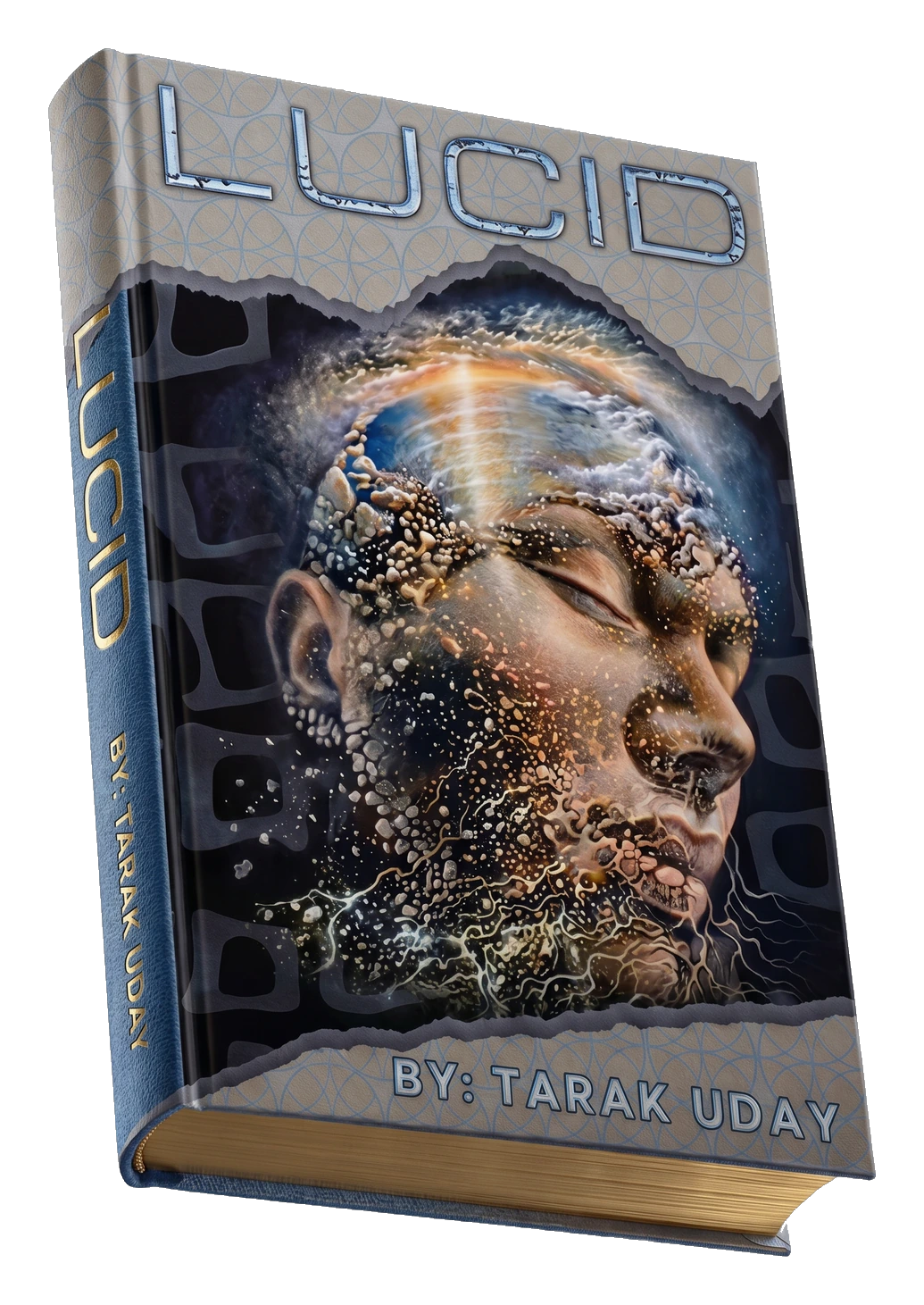
LUCID
You've tried every lucid dreaming technique. Most miss the root cause. LUCID reveals what they all skip.
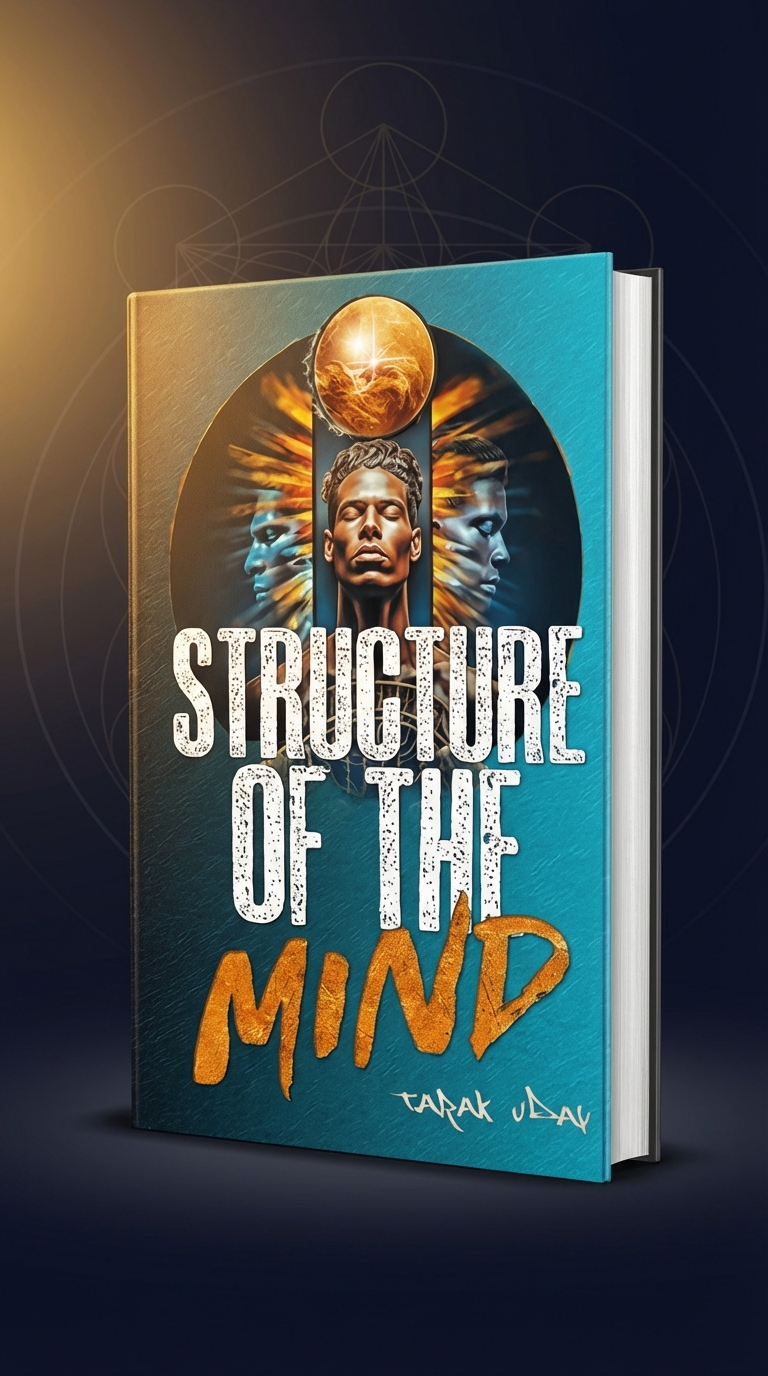
Understand Your Own Mind
"Structure of the Mind" reveals the three divisions of mind, seven levels of consciousness, and powers of mind that most people never learn to develop.