
Ears in Dreams: What Your Subconscious Is Really Telling You
Your subconscious doesn't waste a dream on office gossip. It uses the ear to ask a far better question.
So you dreamed about ears, and you woke up wondering what on earth that's supposed to mean. Maybe it was your own ears, maybe someone whispering into them, maybe an earache, maybe you simply couldn't hear. In the Universal Language of Mind, ears represent your ability to listen to your Inner Self. That's the whole symbol. Not gossip, not eavesdropping, not who's-talking-about-you. Your receptivity to the quiet voice underneath the noise.
What do ears actually mean in a dream?
Here's how this works, and it's simpler than the dream sites make it. The Universal Language of Mind reads every symbol by its form and its function — what a thing is and what it does. So look at an ear. Its whole job is to receive. It doesn't speak, it doesn't act, it doesn't go out and grab anything. It takes sound in. It's the organ of pure reception.
So when your subconscious hands you an ear, it's not talking about physical hearing at all. It's talking about your inner reception — your willingness and capacity to receive guidance from the deeper part of you. That deeper part has a name in the structure of the mind. It's the Real Self, the superconscious, the part of you that already knows the next right move and is forever trying to get a word in. The ear is the channel that voice travels down.
And this is why the popular reading falls flat. Search "ears in dreams" and you'll get told it's about gossip, secrets, somebody talking behind your back. Think about that for a second. You had a vivid experience inside your own mind, and the best anyone could offer was office politics? Your subconscious doesn't waste a dream on whether someone's been talking about you. It uses the ear to ask a far better question: are you listening to yourself?
Why does the form of the ear point to inner listening?
Look, the reason form-and-function reading works is that the subconscious doesn't think in dictionary definitions — it thinks in pictures that ARE their meaning. An ear receives. So it represents reception. There's no leap. The image is the lesson.
So now stack that against the three divisions of mind. You've got the conscious mind that handles waking life, the subconscious that stores and processes, and the superconscious that holds your highest wisdom. According to Tarak Uday's Universal Language of Mind, growth happens when understanding flows cleanly between those levels. Your inner guidance lives up top and has to travel down to reach your waking awareness. The ear is the subconscious picturing that downward channel — the receptive line between who you are and who you really are.
And here's the part the dream sites never reach, because they were never reading the form to begin with. In the structure of the mind, that guidance doesn't arrive as a finished sentence. It moves down through the inner levels of consciousness, getting a little more concrete at each one, until it's close enough to your waking awareness to act on. The ear is your subconscious drawing that pipeline. So a dream that does something to your ears isn't random anatomy — it's a status report on where, in that downward flow, you've stopped letting the signal through.
So a healthy, clear, ordinary ear in a dream is a quiet thumbs-up. The channel's open. You're receptive. But the second the dream does something to the ear — blocks it, hurts it, shrinks it, multiplies it — that's the subconscious flagging exactly where your inner listening has gone sideways. And that's where the real reading lives.
What do the different ear dreams mean?
So this is where it gets useful, because the variations are where your subconscious gets specific. Let's walk the common ones.
You can't hear, or your ears are blocked. This is the big one, and it's almost never about your physical ears. Blocked hearing in a dream is your subconscious telling you you've stopped receiving inner guidance. Something's in the way — usually the noise of other people's opinions, or your own fear drowning out the quieter knowing. You already sense the answer to whatever you're wrestling with. The dream's saying you've turned the volume down on yourself.
Someone whispers in your ear. Pay close attention here. A whisper is guidance arriving at exactly the threshold you can receive it. Your inner wisdom rarely shouts — it whispers, and the dream is showing you it's getting through. The question the dream leaves you with is whether you'll act on what you heard, or pretend you didn't catch it.
An earache or ear pain. Pain in the Universal Language of Mind is resistance — friction between where you are and where you're being guided. An aching ear means inner guidance is coming through, and some part of you is fighting it. You're hearing the truth and you don't like it yet.
Enormous, tiny, or extra ears. Size and number are emphasis. Oversized ears amplify the message: listen, this matters, you've been ignoring something loud. Tiny ears point to shrunken receptivity — you've made yourself small to your own wisdom. Extra ears are your subconscious turning up your capacity to receive on every channel at once.
Stop guessing what your dreams mean
Your ear dream is one piece of a conversation your subconscious has been having with you for years. CHITTA decodes it in the Universal Language of Mind, symbol by symbol, so you finally understand what you're actually telling yourself.
Decode Your Dream Now →How do you know if this dream is about your waking life?
So here's where you stop reading about ears and start seeing yourself, because that's the only reason a dream symbol matters. Ask yourself one plain question: where in my life right now am I refusing to hear something I already know?
Sit with that. Maybe it's a relationship you keep explaining away. Maybe it's work that's quietly draining you while you talk yourself into staying. Maybe it's a small steady nudge toward a change you keep postponing. The ear dream almost always lands on the exact area where your inner knowing has been talking and your waking mind has been too busy, too scared, or too loud to listen. The subconscious gave you an ear because the message is about reception, and reception is the one thing only you can choose to do.
I've decoded thousands of these, and the pattern never changes — the people who dream of blocked ears are almost always the ones who already know the answer and are working overtime not to hear it. So the dream isn't handing you new information. It's pointing at the knowing you've been muting. That's the gift of it. The work isn't finding the answer. It's getting quiet enough to receive the one already speaking.
So let me make this concrete, because this is the moment the dream stops being about a symbol and starts being about you. Think about the last time you said out loud "I just have a feeling about this" and then talked yourself out of it. That feeling wasn't nothing. That was inner guidance reaching the threshold of your waking mind, and the talking-yourself-out-of-it was the volume knob going down. The ear dream catches you in the act. It shows you the exact spot where you receive the knowing and then override it, and it asks you to notice that the overriding is a choice you're making, every single time.
And that's the whole shift the Universal Language of Mind is built to create. Not more information about ears. A different relationship with the part of you that already knows. Because once you've seen that your dream was commenting on your own receptivity, you can't fully un-see it. The next time that quiet knowing shows up in waking life, some part of you will remember the ear, and remember that the dream already told you what happens when you turn it down.
How do ears connect to the other body symbols in your dreams?
So this matters because ears almost never show up alone, and the company they keep changes the reading. In the Universal Language of Mind the body parts are a set of related tools, each one a different way your inner world interfaces with itself. The eyes are inner perception — how you see truth. The mouth is expression and the speaking of your will into your life. The ears are reception. So when a dream pairs blocked ears with, say, clear vision, the message is sharp: you can see exactly what's true, you just won't let yourself take it in. You're not confused. You're declining delivery.
And that pairing is incredibly common, which is the whole reason this symbol earns its own article. Most people who land on an ear dream are not short on insight. They've usually got plenty of vision — they can describe their situation in detail, they know what's off. What they've lost is reception: the willingness to let the inner knowing actually land and change something. So the ear is the subconscious zeroing in on the precise gap between seeing and receiving, between knowing and letting it in. That gap is where almost all stuck feels like it lives, and the ear dream walks you right up to it.
What should you do after an ear dream?
Don't analyze it to death. The Universal Language of Mind isn't a decoder ring you use once and toss — it's a relationship you build with your own mind. So the move after an ear dream is simple. Get quiet, on purpose, for a few minutes a day. Not to think harder. To receive. Inner guidance can't compete with a packed, noisy mind, and the ear dream is your subconscious telling you the channel needs clearing.
Then watch your waking life for the nudge you've been overriding. Write the dream down — date it, note what the ear was doing, note what you felt. Over a few weeks a pattern shows up, and the pattern is always pointing at the same unheard truth. That's the conversation. The ear was just your subconscious asking you to pick up.

Bindu says: "You don't have a hearing problem. You have a listening problem — and you already know exactly what you've been refusing to hear."
If you want to keep going, the eyes carry a parallel lesson about inner perception worth reading next, and the broader body-symbol pattern ties them together. Your subconscious has been speaking this language your whole life. The ear dream is simply the night it asked, plainly, whether you're finally ready to listen.

Frequently Asked Questions



LUCID
You've tried every lucid dreaming technique. Most miss the root cause. LUCID reveals what they all skip.
Understand Your Own Mind
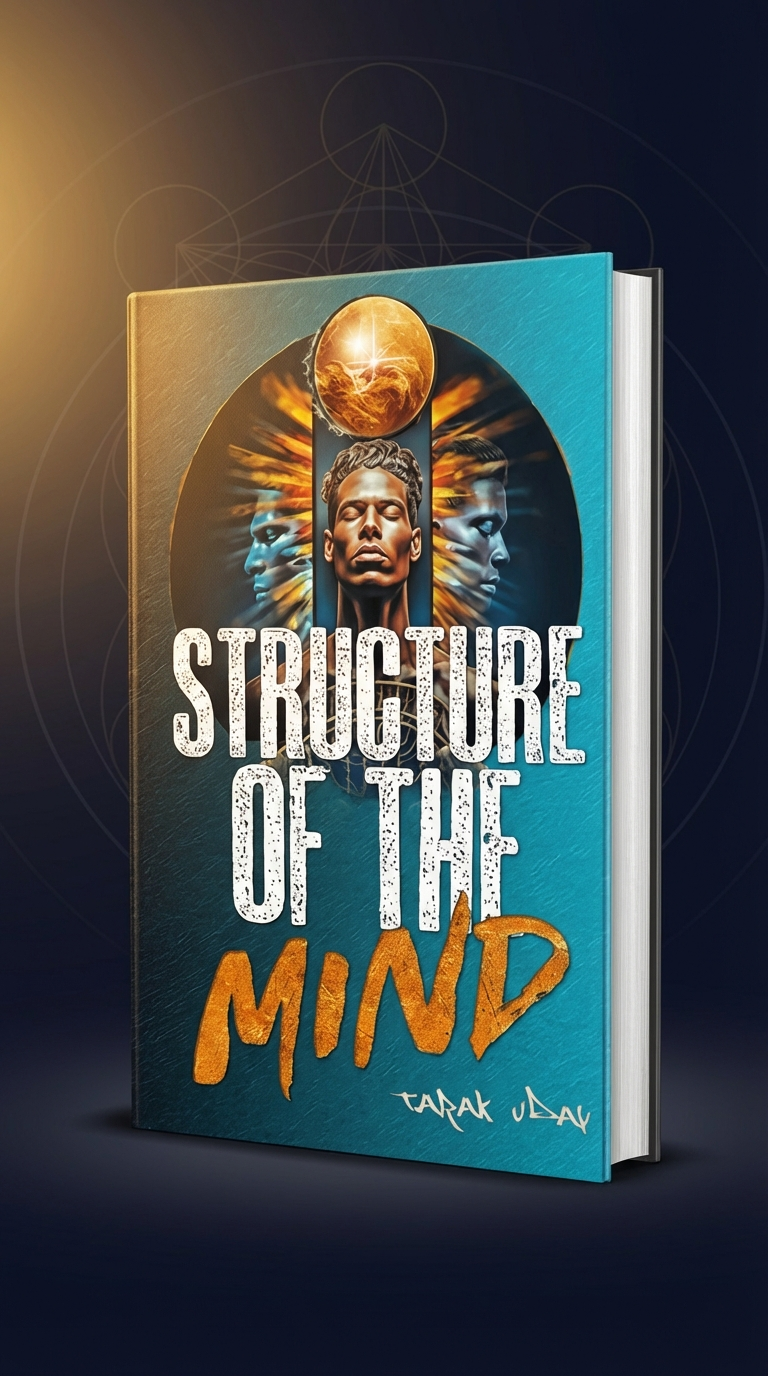
"Structure of the Mind" reveals the three divisions of mind, seven levels of consciousness, and powers of mind that most people never learn to develop.