
Is It Safe to Share Your Dreams With an AI?
Two fears live inside that question - one about your data, one about your mind. Only one gets talked about.
Is it safe to share your dreams with an AI? Two answers, and you need both. On data: only if the service is explicit about what it stores, never sells it, and lets you delete it - the same bar you'd hold any app to. On something deeper: a dream is the most intimate map of your mind you own, and the real risk isn't only that the data leaks. It's that you hand that map to a system that gives it back to you distorted. According to the Universal Language of Mind, your dream is a private message from your subconscious. Where you take it to be read matters as much as who can see it.
So you had a dream that rattled you. Something you wouldn't say out loud to a friend. And there's this app, open on your phone at 3 a.m., promising to tell you what it means. Your thumb hovers. Part of you wants the answer. Part of you wonders what you're actually handing over.
That hesitation is wise, and it's pointing at two different fears at once - one about privacy, one you might not have words for yet. Let's separate them, because the honest answer to "is this safe" is different for each, and most articles only tell you half.
What Are You Actually Sharing When You Share a Dream?
When you share a dream, you're not sharing a diary entry. You're sharing raw output from your subconscious mind - the part of you that doesn't edit, doesn't perform, and doesn't lie. In the Universal Language of Mind, dreams are the subconscious communicating in symbols, unfiltered by the ego. That's what makes them so useful. It's also what makes them so personal.
A dream can reveal a fear you haven't admitted, a desire you've suppressed, a truth about a relationship you're not ready to face. Read correctly, that's a gift - it's self-knowledge you can't get any other way. Handed to the wrong reader, it's the most exposed part of you, interpreted by something that doesn't know you and isn't accountable to you. So the privacy question is real. But it's only the first layer.
Is Your Dream Data Actually Private?
Your dream data is private only if the service makes it private on purpose. Here's the plain version. Many free AI tools use your inputs to train future models, which means fragments of your dream can echo into a system you'll never see. Some apps store entries indefinitely. Some monetize data in ways buried in a terms-of-service nobody reads. Free almost always means you're paying with something - and with dreams, that something is intimate.
So the checklist is short and non-negotiable. Does the service say clearly what it stores and for how long? Does it promise never to sell or share your entries? Can you delete your data and have it actually gone? Does it avoid feeding your private inputs into open model training? If a dream app can't answer those cleanly, that's your answer. An app that respects your dream will tell you exactly how it treats it, without you having to dig.
Data privacy is the first safety question, not the last. The deeper one: a distorted interpretation of a true dream can mislead you about your own mind - and that shapes what you believe and do next.
What's the Deeper Risk Nobody Warns You About?
The deeper risk is being interpreted badly. A dream is true data from your subconscious, but an interpretation is a reading of that data - and a wrong reading of true data is worse than no reading at all, because you'll believe it. If a general-purpose AI tells you your dream about being chased means you're a coward, or your dream about a dead parent means you're being visited, and it's wrong, you've just absorbed a false belief about your own mind. That belief doesn't stay neutral. It shapes what you do next.
And most AI does read badly, because it's averaging contradictory sources rather than decoding a system. Ask it twice, get two answers - we showed that in why ChatGPT gives you a different dream interpretation every time. Now stack that on top of an intimate dream. The exposure isn't just that a machine saw your dream. It's that the machine handed it back to you warped, wearing the confidence of truth. That's the real safety issue, and almost nobody names it.
"The danger isn't that an AI reads your dream. It's that it reads it wrong, and you believe it."
How Do You Share a Dream Safely - on Both Levels?
You share a dream safely by protecting the data and protecting the interpretation. On data: use a service that's explicit about storage, refuses to sell your entries, lets you delete them, and doesn't feed them into open training. On interpretation: use a system that decodes against a fixed framework instead of improvising, so the reading you get back is consistent and grounded rather than a confident guess that could reshape a belief.
This is exactly the decode-versus-label distinction, applied to your privacy. A tool that labels is not only inconsistent - it's handling your most intimate material carelessly. A tool that decodes through the Universal Language of Mind reads your dream by form and function, arrives at the same meaning every time, and treats the dream as what it is: a real message, not content to be mined. Safety, properly understood, includes being read well.
"Your dreams are sacred communication from your own deeper mind. Treat them - and choose who reads them - with the reverence you would give any sacred thing."
- Tarak Uday, Life is But a DreamIf you want to see what a grounded, consistent reading actually looks like before you trust anything with a real dream, test it on a common symbol first - the snake, the water, being chased. Watch whether the meaning stays stable. Stability is the tell that you're being decoded, not guessed at.
Why Does the Framework Matter for Safety, Not Just Accuracy?
The framework matters for safety because a false self-belief is a kind of harm, and interpretation is where it gets planted. This isn't Freudian projection or Jungian guesswork, where your dream becomes a mirror for the interpreter's theory. The Universal Language of Mind, as taught by Tarak Uday, is a 5,000-year-old language, rooted in the Vigyana Bhairava Tantra, where the meaning comes from the symbol's function, not from the reader's opinion about you. That means the reading is about your dream, not about a model's average. You stay the author of your own mind. If you're weighing tools on exactly this, we ranked them in the best dream interpretation apps and the top 5 dream interpretation apps for 2026.
It's safe to share your dreams with an AI when two conditions hold: the service protects your data explicitly, and it decodes your dream through a consistent framework rather than improvising. The first keeps your dream from leaking. The second keeps it from being handed back to you distorted. Both matter. A dream is the most honest thing your mind makes - protect where it goes and how it's read.
Share your dream where it's treated as sacred, not scraped. Bring it to CHITTA for a Universal Language of Mind decoding - consistent, grounded, and about your dream rather than a model's average. Read well, kept private.
So let your thumb hover a second longer next time. Not out of fear - out of respect. The dream is worth protecting, on both levels. And when you find a place that protects it too, you'll know, because the answer it gives you will still be true tomorrow.
Frequently Asked Questions


Books by Tarak Uday
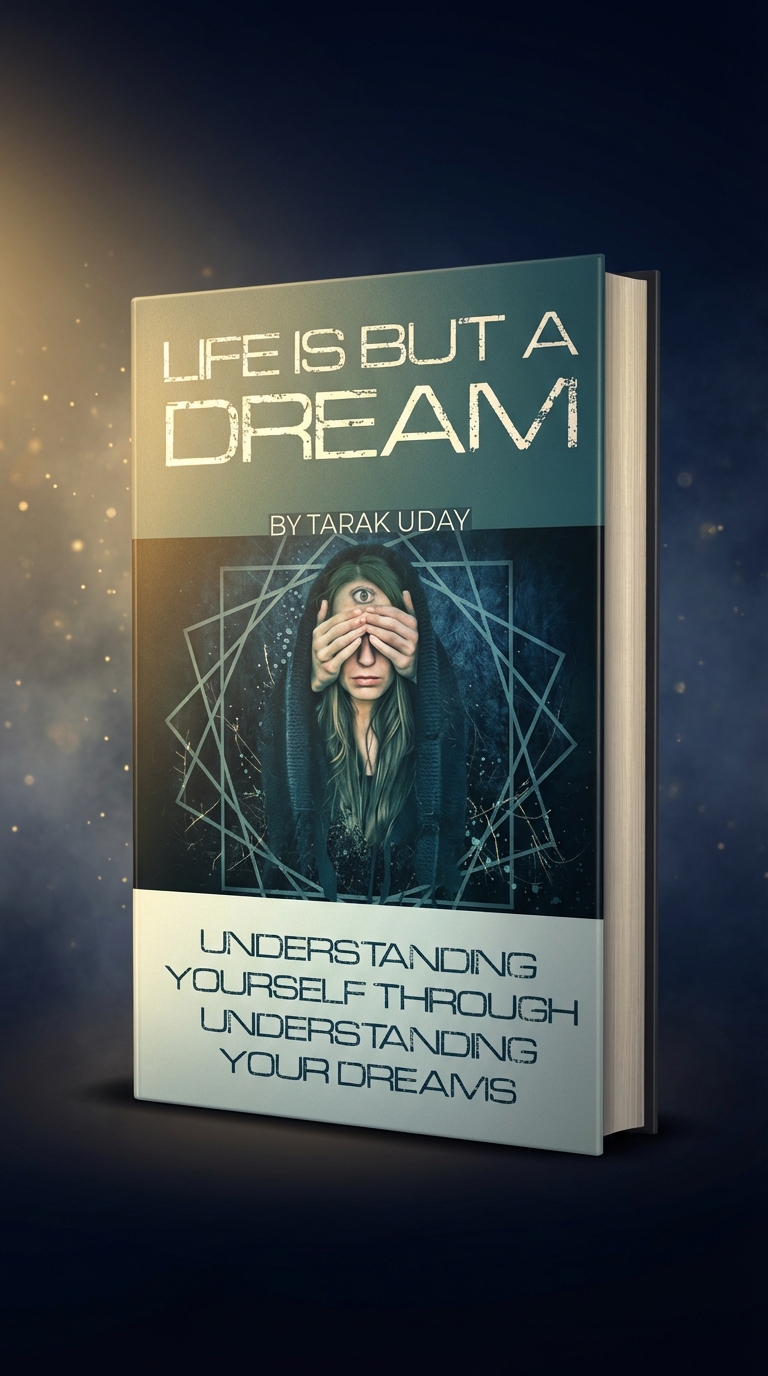
Learn The Language Your Dreams Speak
"Life Is But a Dream" teaches the Universal Language of Mind — how to read any dream symbol by what it is and what it does, so every dream becomes a message you can act on.
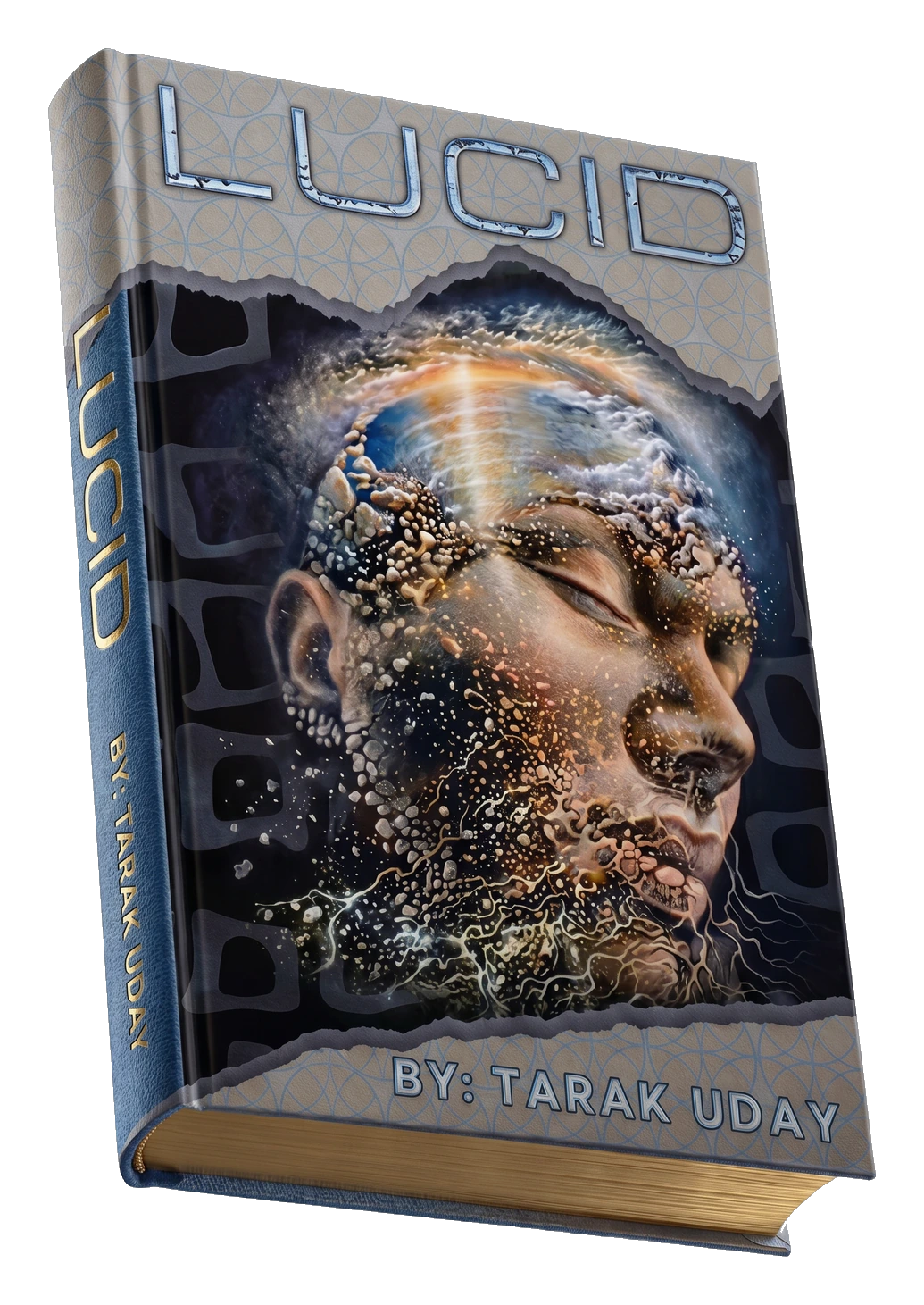
LUCID
You've tried every lucid dreaming technique. Most miss the root cause. LUCID reveals what they all skip.
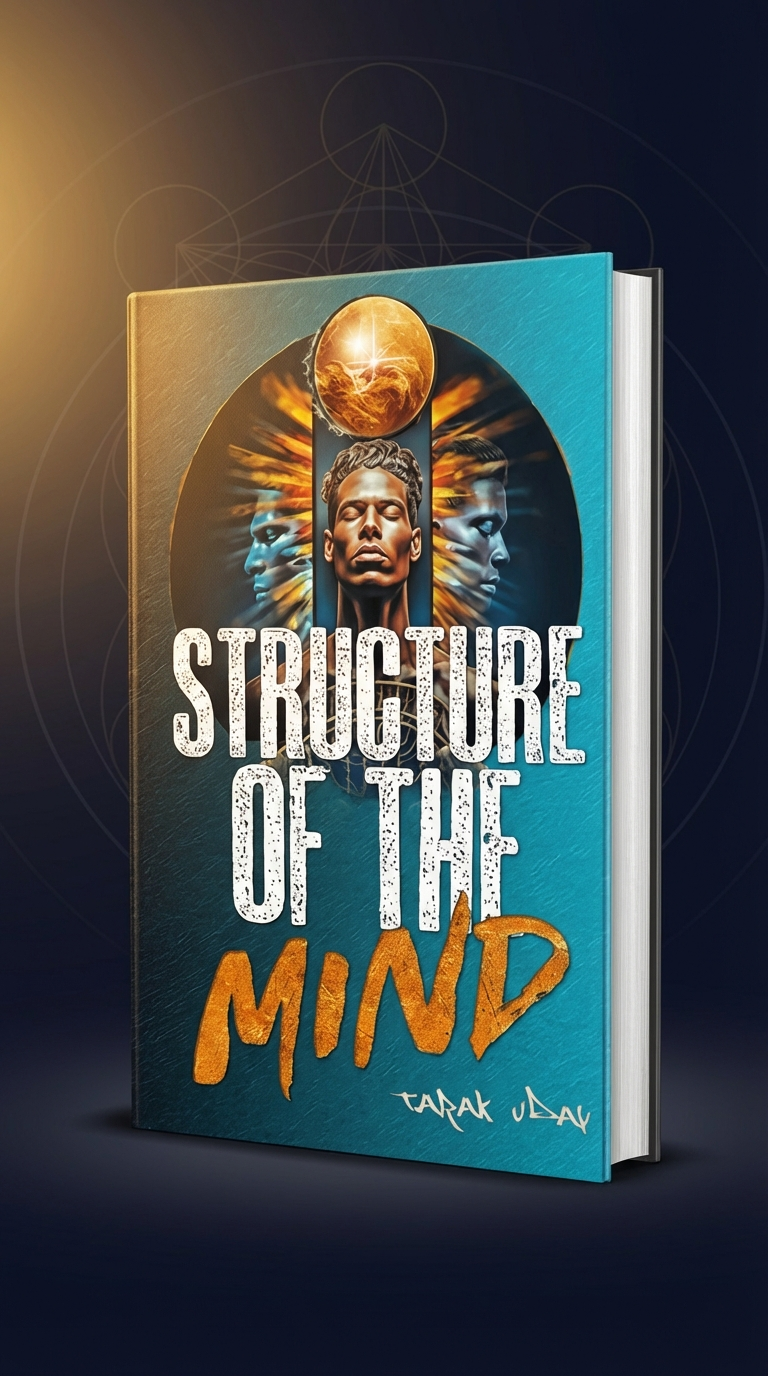
Understand Your Own Mind
"Structure of the Mind" reveals the three divisions of mind, seven levels of consciousness, and powers of mind that most people never learn to develop.