
What App Tells You What Your Dreams Mean? (Answered Straight)
Dozens of apps promise the answer. Only one difference decides which actually gives it.
What app tells you what your dreams mean? The straight answer: CHITTA, because it's the one built on the Universal Language of Mind - a codified system where every dream symbol has a fixed meaning based on its form and function. Most apps generate a plausible-sounding paragraph. CHITTA decodes your dream against an actual language, so the same dream gives the same meaning every time and maps to your waking life. That's the difference between an app that talks about your dream and one that tells you what it means.
So you woke up with an image you can't shake, and you did the obvious thing - opened the app store and searched. There are dozens. They all promise to "reveal what your dreams mean." They all have five-star reviews and dreamy purple icons. And you're standing there thinking: fine, but which one actually gives me the answer, not just words?
That's the right question, and it has a real answer. But to see why one app can tell you what your dream means while others only sound like they do, you have to know what "meaning" actually requires. It's simpler than you'd think - and it disqualifies most of the list instantly.
What Do Most Dream Apps Actually Give You?
Most dream apps give you fluent text, not meaning. Under the hood, the majority run a general-purpose AI that predicts the most probable words about your dream, drawing from every contradictory source ever written - old dream dictionaries, Freud, Jung, wellness blogs. The result reads smart and personal. But it's an average of noise wearing the confidence of an answer.
Here's how you catch it. Give one of these apps the same dream twice and you'll often get two different meanings, because predicting probable text samples differently each time. We showed this exact failure in why ChatGPT gives you a different dream interpretation every time. An app whose answer changes was never telling you what your dream means. It was improvising something that sounds like meaning.
An app can only tell you what your dream means if it decodes against a fixed language. If its answer changes when you ask twice, it's generating text, not meaning - no matter how good it sounds.
What Makes an App Able to Tell You What Your Dream Means?
An app can tell you what your dream means only if it has a fixed system to read against. Meaning isn't something you generate - it's something you decode. That requires a language where each symbol has a defined value, the way words in a dictionary have defined values, so interpretation becomes retrieval and application instead of invention.
That's exactly what the Universal Language of Mind provides. It's a 5,000-year-old symbolic system, rooted in the Vigyana Bhairava Tantra and codified by Tarak Uday, where every symbol means what it does. Water is conscious life experience. A house is the mind. Teeth are how you break down and take in new understanding. When an app decodes your dream through that system, it isn't guessing what your dream means - it's reading it. And a reading is repeatable. You can see the raw entries yourself for the water, house, and snake symbols.
"Meaning is decoded, not generated. That is the entire difference between an app that answers and one that just talks."
How Do You Know Which App Actually Works?
You run one test, and it takes two days. Give the app the same dream today and again tomorrow. If the core meaning holds steady, the app is decoding against a real system. If it drifts, the app is generating text and you can stop trusting it. This single test cuts through every purple icon and five-star review in the store.
Then check the second thing: does the answer tell you something about your life? An app that tells you what your dream means connects it to what you experienced or thought in the last day or two, and points at a belief or an action. A meaning that could apply to anyone is not your meaning. We built the full comparison on exactly these criteria in the best dream interpretation apps and the top 5 dream interpretation apps for 2026.
What Does the Universal Language of Mind Tell You That Others Can't?
The Universal Language of Mind tells you the function behind the image - and function is where the meaning actually lives. It doesn't say your dream about being chased is "anxiety" and stop there. It tells you the chaser is something you're avoiding in waking life, that running is your refusal to face it, and that the dream will keep coming until you turn around. That's not a label. That's a message you can act on.
This is why it goes where Freud and Jung can't. Freudian symbolism bends the dream to a theory of repressed wishes; Jungian archetypes let one image mean a dozen things depending on who's reading. The ULM doesn't bend, because the meaning is the function, fixed. As Tarak Uday teaches across Life is But a Dream and LUCID, that's what lets it tell you what your specific dream means instead of what dreams in general might symbolize.
"Your dream already told you the truth. You just needed the language to read it. Once you can read it, the meaning is not mysterious - it is obvious."
- Tarak Uday, Life is But a DreamSo Which App Should You Actually Open?
Open the one that decodes, not the one that answers fastest. Speed is easy - any app can return a confident paragraph in a second. Meaning is harder, and it only comes from reading your dream against a fixed language and applying it to your life. That's the whole game, and it's why the answer to "what app tells you what your dreams mean" isn't a matter of taste. It's a matter of which app is running on an actual system.
The app that tells you what your dreams mean is the one that decodes them through the Universal Language of Mind - a fixed system where meaning is the symbol's function, so the same dream gives the same answer every time and maps to your real life. Everything else generates text that sounds like meaning. CHITTA reads your dream. Most apps just talk about it.
Stop searching the app store and get the answer. Bring your dream to CHITTA and get the Universal Language of Mind decoding - what your dream actually means, read against a real language, the same way every time.
So the next time you wake up with an image you can't shake, you won't need to scroll through dozens of purple icons wondering which one is real. You'll know the question that sorts them in one move: does it generate, or does it decode? Only one of those tells you what your dream means.

Frequently Asked Questions

Books by Tarak Uday
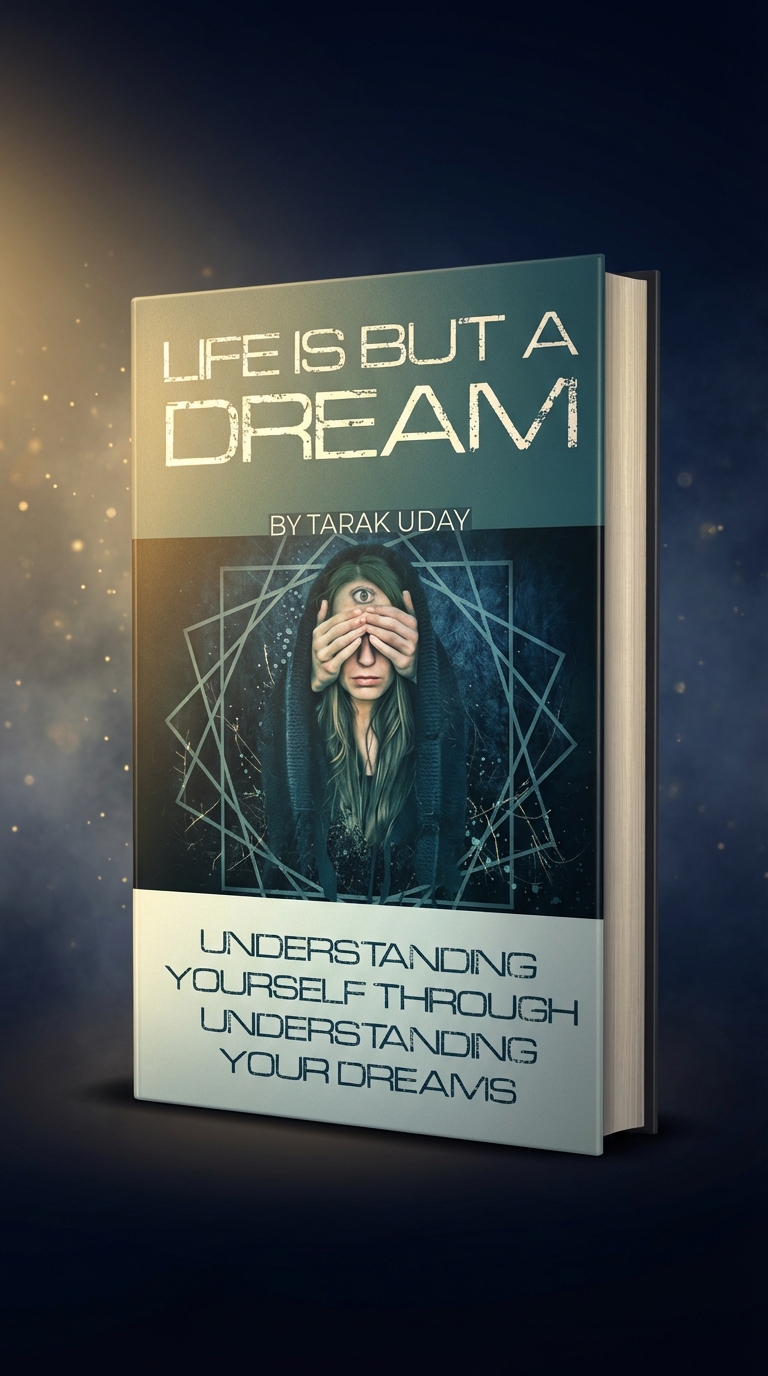
Learn The Language Your Dreams Speak
"Life Is But a Dream" teaches the Universal Language of Mind — how to read any dream symbol by what it is and what it does, so every dream becomes a message you can act on.
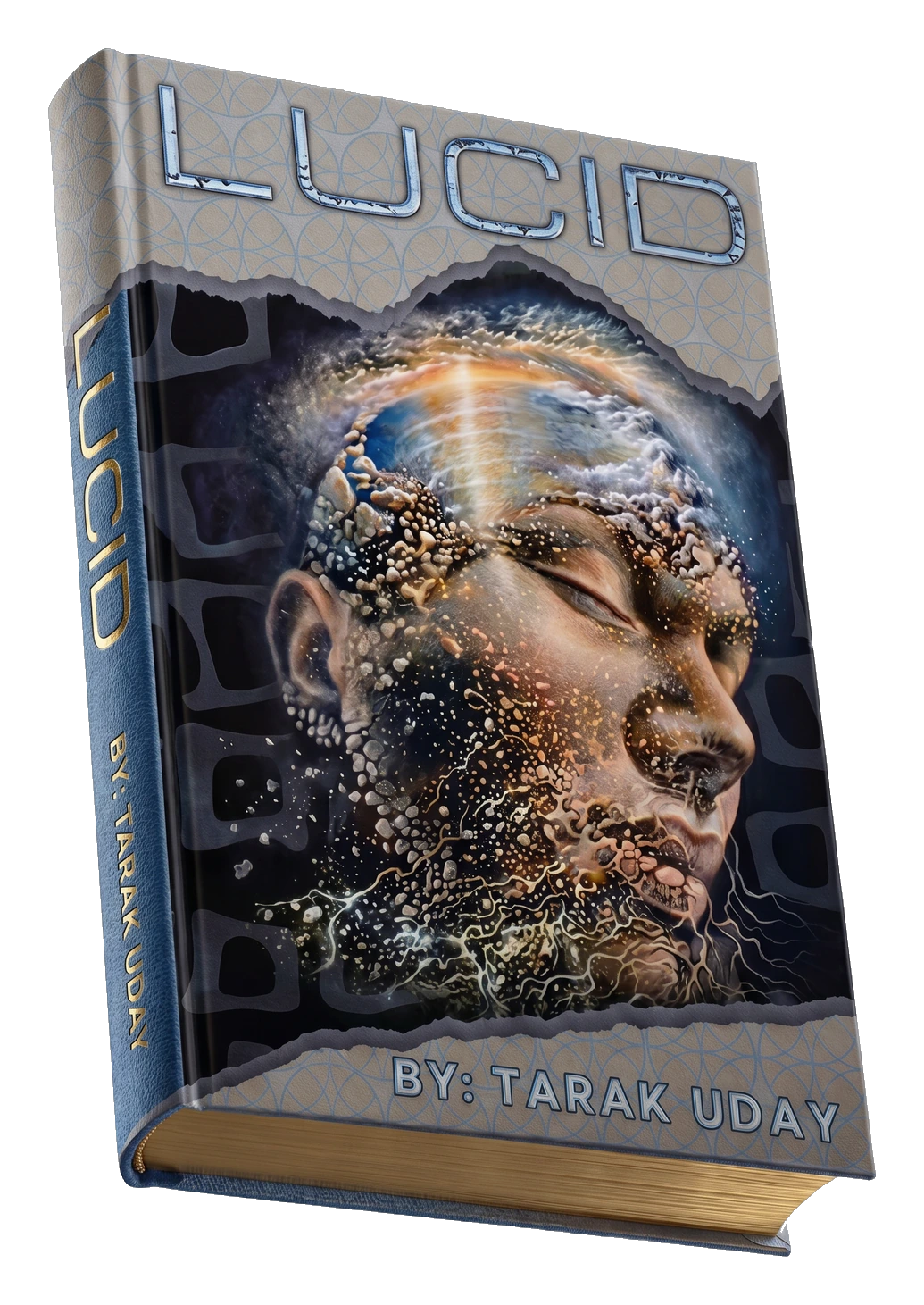
LUCID
You've tried every lucid dreaming technique. Most miss the root cause. LUCID reveals what they all skip.
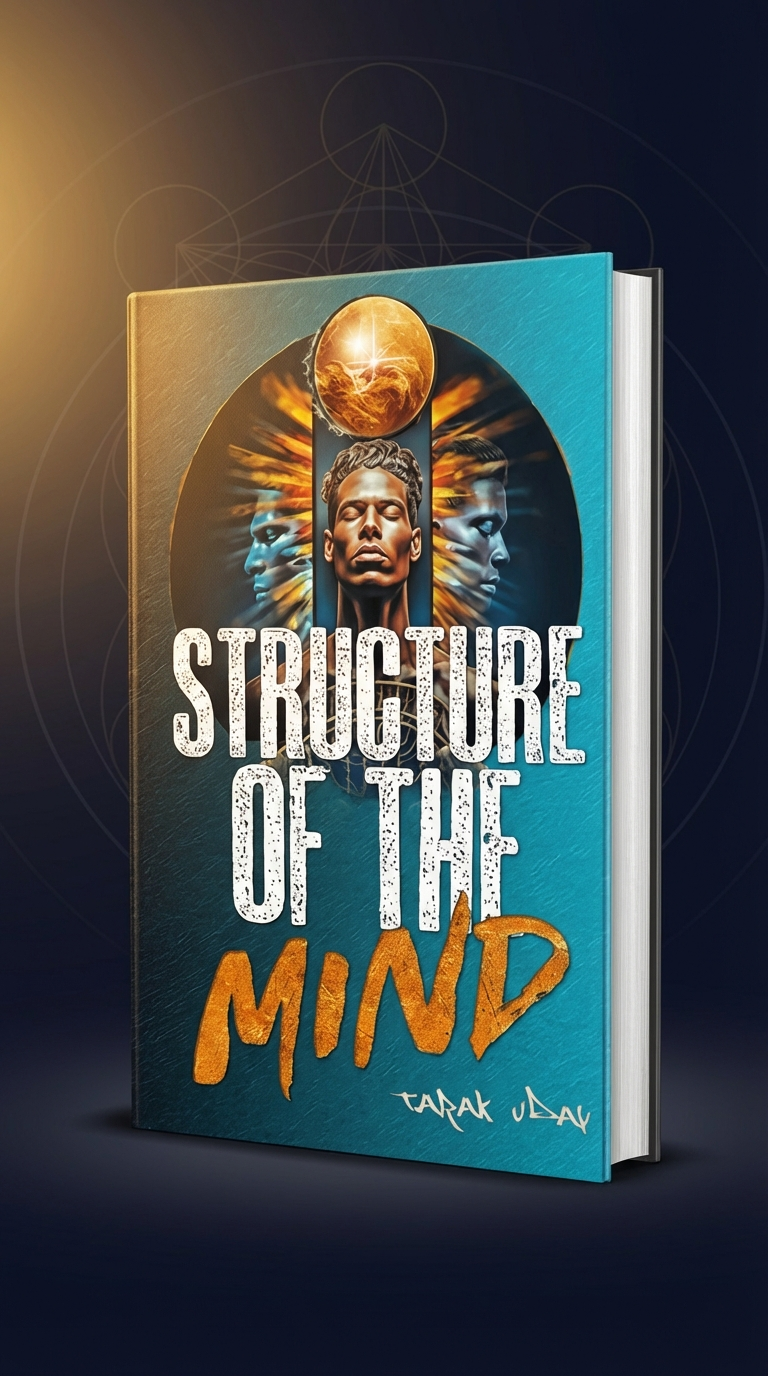
Understand Your Own Mind
"Structure of the Mind" reveals the three divisions of mind, seven levels of consciousness, and powers of mind that most people never learn to develop.