
AI Dream Interpretation vs Dream Dictionaries: Which One Actually Decodes Your Dream
One gives a fixed wrong answer. One gives a random answer. Only a third thing actually decodes.
AI dream interpretation versus dream dictionaries: which one actually decodes your dream? Neither, on its own. A dream dictionary gives you a fixed answer that's usually wrong, because it ignores what the symbol does. General AI gives you a different answer every time, because it's averaging contradictory sources. According to the Universal Language of Mind, decoding requires a third thing both of them lack - a consistent system that reads a symbol by its form and function. That's the difference between looking something up, guessing, and actually decoding.
So picture the two tabs open on your phone right now. One is an old-school dream dictionary: type "snake," get a paragraph that's the same for everyone on earth. The other is an AI chatbot: paste your whole dream, get something fluent and personal-sounding. One feels ancient, one feels smart. And you're trying to decide which to trust with the dream that woke you up.
Here's the twist neither tab will tell you: they fail in opposite directions, for the same underlying reason. Understand that reason and you stop choosing between two broken tools - and start recognizing what a working one even looks like.
What Does a Dream Dictionary Actually Do?
A dream dictionary assigns one fixed meaning to a symbol and hands it to everyone identically. Snake equals betrayal. Water equals emotion. Teeth equal anxiety. It's a lookup table. And the fatal flaw is that it treats the symbol as the meaning, when the symbol is only the messenger. It never asks what the thing does.
So it's consistent - you'll get the same entry every time - but consistently shallow, because it flattens your specific dream into a generic label. Your snake, in your dream, doing a specific thing, in the context of your last two days, gets collapsed into a one-size paragraph written for no one. A dictionary is a fixed answer to a question it never actually read. That's why it so often feels close but not quite true.
What Does General AI Dream Interpretation Actually Do?
General AI does the opposite thing, and fails the opposite way. Instead of one fixed answer, it generates a fresh one each time by predicting probable text from everything ever written about your symbol. That includes the dream dictionary, plus Freud, plus Jung, plus a thousand blogs that contradict each other. It blends them into something smooth and confident. It reads personal because it echoes your wording back to you.
But it's built on sand. Ask it the same dream twice and the interpretation shifts, because "generate probable text" samples differently each run - we documented exactly that in why ChatGPT gives you a different dream interpretation every time. So the dictionary is a fixed wrong answer, and general AI is a moving answer you can't pin down. One is rigid and shallow. The other is fluid and ungrounded. Neither decodes.
A dream dictionary is a fixed answer that ignores function. General AI is a random answer that has no fixed meaning to return. Decoding is a consistent answer derived from what the symbol does. Only the third one is real interpretation.
What Does It Actually Mean to Decode a Dream?
To decode a dream is to read each symbol by its form and its function - what it is, and what it does in physical reality - and let the function carry the meaning. That's the move both other tools skip. In the Universal Language of Mind, water is conscious life experience because of what water does: it's the medium you move through, the thing you can drown in or float on. Teeth mean breaking down and taking in new understanding, because that's what teeth do. The meaning isn't assigned. It's derived.
And because it's derived from function, it's consistent without being shallow. The same symbol means the same thing every time - like a dictionary - but it applies to your specific scenario with full precision - like good AI promises but can't deliver. Decoding is the best of both, and it's only possible when you have an actual language underneath, not a lookup table and not an averaging machine. See it directly in the glossary entries for the snake, water, and teeth - each meaning traced from what the thing does.
"A dictionary tells you what a symbol is called. Decoding tells you what it's doing in your mind right now."
Can You Combine AI and a Framework to Actually Decode?
Yes - and that's the whole point. The failure of general AI was never the AI. It was the absence of anything real to interpret against. Give an AI the Universal Language of Mind as its source of truth, and its job flips from "invent a meaning" to "apply the correct meaning to this dreamer's exact scenario." That's a task AI does brilliantly and repeatably. You get the consistency of a real language plus the personalization only software can do at scale.
So the right tool isn't AI versus framework, and it definitely isn't dictionary versus AI. It's AI plus framework - a model decoding through a codified system instead of free-styling from noise. That's what separates a dream app that works from one that just talks. We walk through whether AI can reach real accuracy in can AI accurately interpret dreams, and we ranked every major tool on this exact axis in the best dream interpretation apps and the top 5 dream interpretation apps for 2026.
"The symbols were never random, and their meaning was never up for a vote. The Universal Language of Mind is a language, and a language decodes. It does not guess."
- Tarak Uday, Life is But a DreamWhy Does the Universal Language of Mind Decode When the Others Only Label?
The Universal Language of Mind decodes because it's a language, not a list and not a blender. This is where it leaves both Freudian symbolism and Jungian archetypes behind - those bend meaning to the interpreter, which is labeling with extra steps. The ULM is 5,000 years old, rooted in the Vigyana Bhairava Tantra and codified by Tarak Uday, and its rule never changes: the meaning is the function. That single rule is what a dictionary lacks and what general AI has no way to enforce. It's the reason one approach decodes and the other two only label.
A dream dictionary gives you a fixed, shallow label. General AI gives you a fluent, moving guess. Neither decodes, because neither reads the symbol by what it does. The Universal Language of Mind decodes - consistently, by function - and when an AI runs on it, you finally get a reading that's both stable and specific to your dream. Don't choose between two broken tabs. Close both.
Stop looking your dream up and start decoding it. Bring it to CHITTA and get the Universal Language of Mind reading - AI applying a real framework, so the meaning is derived from function and holds steady every time you check.
So the next time you've got two tabs open at 3 a.m., you'll see them for what they are: a fixed wrong answer and a random one. And you'll know the thing you were actually looking for was never in either tab. It was in the language underneath.

Frequently Asked Questions

Books by Tarak Uday
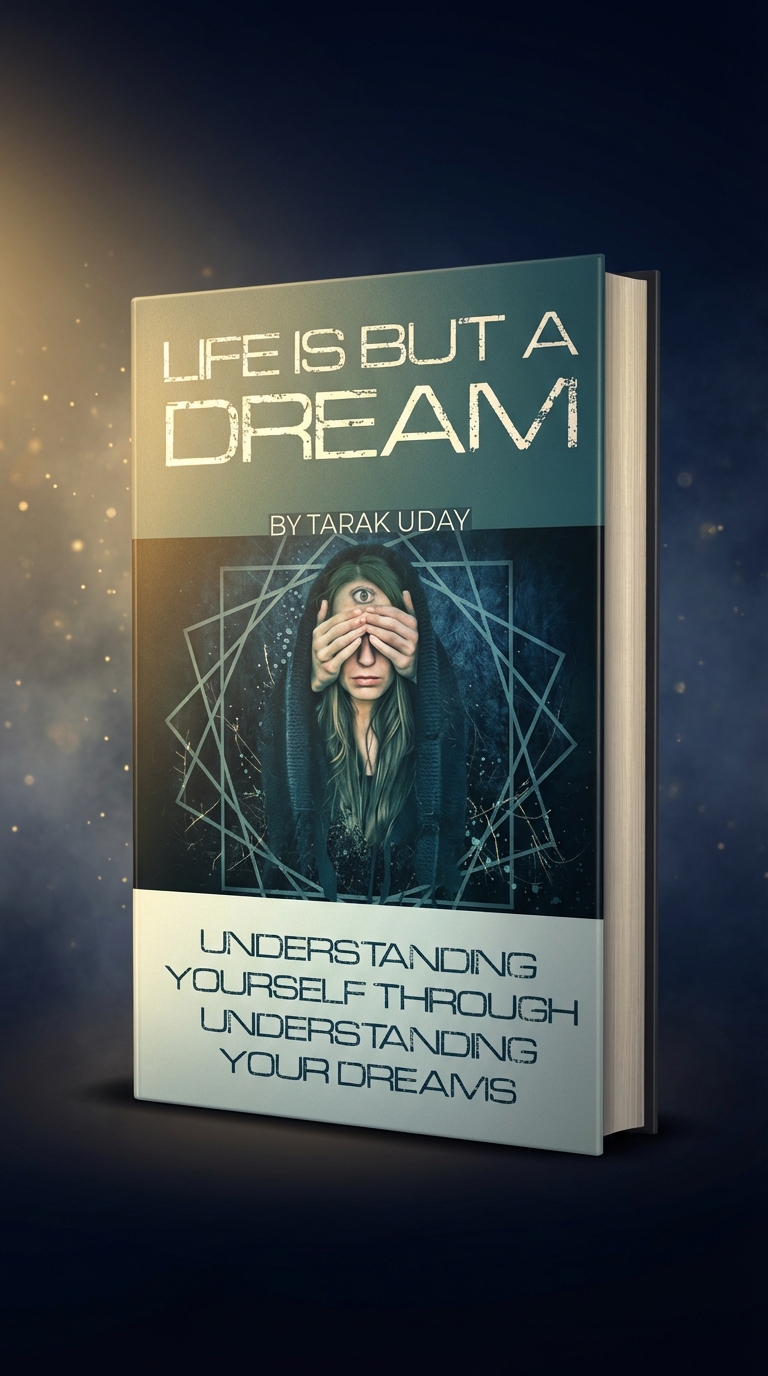
Learn The Language Your Dreams Speak
"Life Is But a Dream" teaches the Universal Language of Mind — how to read any dream symbol by what it is and what it does, so every dream becomes a message you can act on.
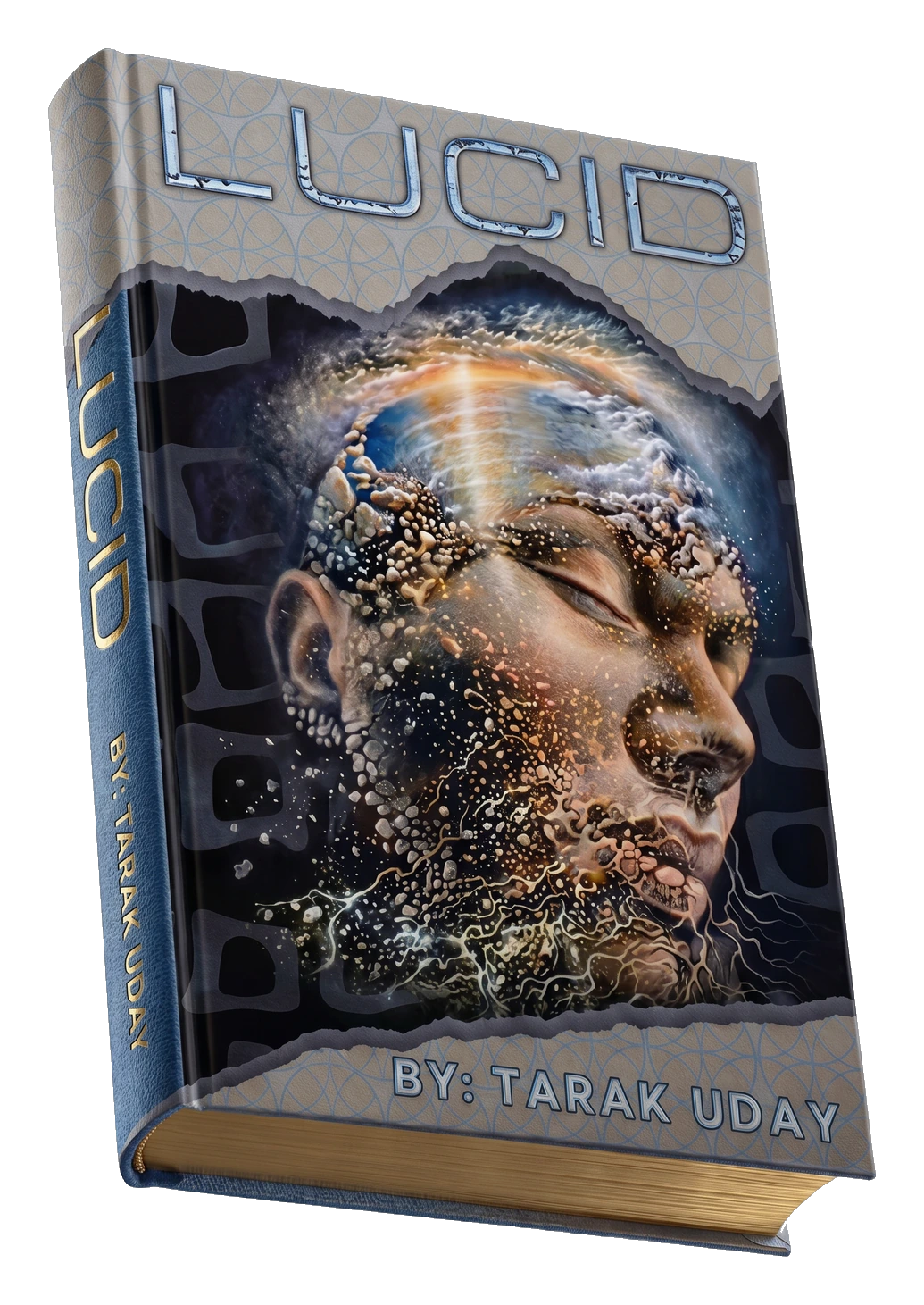
LUCID
You've tried every lucid dreaming technique. Most miss the root cause. LUCID reveals what they all skip.
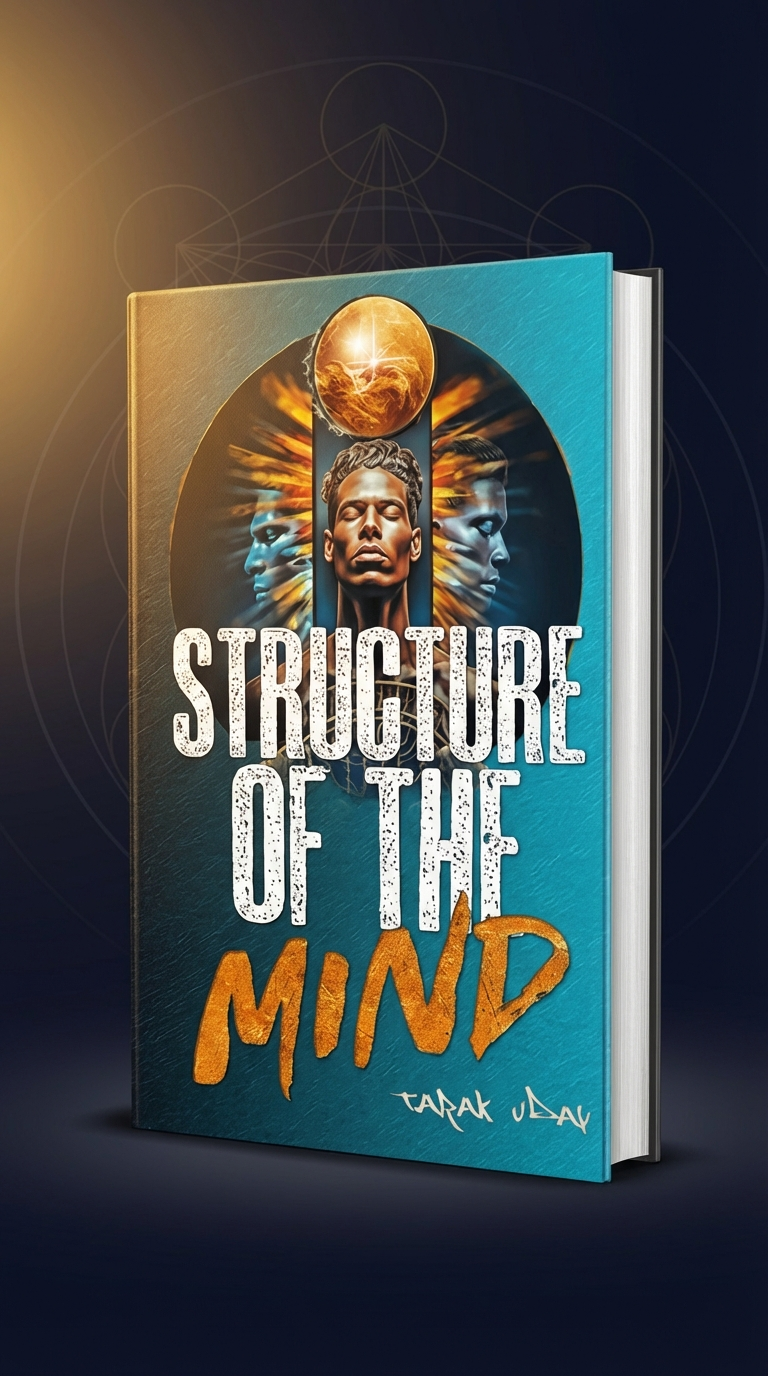
Understand Your Own Mind
"Structure of the Mind" reveals the three divisions of mind, seven levels of consciousness, and powers of mind that most people never learn to develop.