
CHITTA vs Dreamly (2026): Framework-Based Interpretation vs AI-Generated Reflections
Same price. Same AI. Completely different methodology. One decodes your dreams using a 5,000-year-old symbolic language. The other generates psychology-flavored guesses. Here's the full breakdown.
Dreamly costs $9.99 per month. CHITTA costs $15. Both use AI. Both include a dream journal. Both are available on mobile. On the surface, they look like competing products in the same category.
They are not in the same category.
The difference between CHITTA and Dreamly is the difference between a translator who speaks the language and a translator who guesses based on context clues. Both give you something. Only one gives you the actual message.
The Core Difference: Methodology
Everything else — interface, features, gamification — is secondary to this single question: what system is the app using to interpret your dream?
CHITTA uses AI grounded in the Universal Language of the Mind — a symbolic science studied for over 5,000 years. Every dream symbol has a specific, consistent meaning derived from its function in waking reality:
- Teeth = ability to assimilate knowledge and life experiences — ALWAYS
- Water = conscious life experiences — ALWAYS
- House = state of mind — ALWAYS
- Animals = habitual thought patterns — ALWAYS
- Snake = creative energy (Kundalini) — ALWAYS
- Vehicle = physical body — ALWAYS
The result: the same dream logged into CHITTA today and again next month produces the same interpretation. The symbolic decode is consistent because a codified language doesn't change meaning based on when you read it.
Dreamly uses "advanced AI psychology" — a general-purpose language model trained on Freudian, Jungian, and pop-psychology content. It identifies emotions, recurring symbols, and contextual patterns, then generates a narrative interpretation. The AI has no unified symbolic framework. It blends contradictory psychological traditions into whatever sounds most coherent for each session. The same dream interpreted twice can produce different psychological angles. Dreamly's terms classify interpretations as "entertainment purposes."
Consistency — The Dealbreaker
Ask yourself: would you trust a translator who gave you a different translation of the same sentence every time you asked?
CHITTA: Framework-locked. Same dream = same decode. A house is a state of mind — today, tomorrow, next year. Water is life experiences — in every dream, every context, every session. You can build a practice on this because the vocabulary is stable.
Dreamly: Probabilistic. The AI generates a new response each time based on statistical patterns in its training data. A snake might mean "hidden fears" on Monday and "transformation" on Friday. Both sound reasonable. Neither is anchored. You cannot build a reliable practice on shifting interpretations.
Life Application — The Gap Dreamly Cannot Fill
This is CHITTA's most significant differentiator.
Every CHITTA interpretation includes a life connection — a specific identification of how the dream's message connects to your actual waking life and what to change, continue, or pay attention to. The cycle CHITTA facilitates — receive the dream → decode the symbols → apply the message → receive a new dream in response — is how consciousness actually develops through dream work.
Dreamly stops at reflection. "Your dream may reflect feelings about a transition." Interesting. Then what? Without the application step, the interpretation is academic — food for thought that produces no transformation.
Life application is only possible with a consistent framework. If the interpretation changes every session, there's nothing stable enough to apply. This is why Dreamly can't offer it — not because they chose not to, but because their methodology doesn't support it.
Feature Comparison
What CHITTA offers that Dreamly doesn't:
- Framework-based accuracy — same dream = same interpretation, every time
- Life application in every interpretation — what to DO with the message
- Oracle Consultation System — structured guidance from ancient metaphysical sources for life questions beyond dreams
- Concentration Training — the foundational exercise that improves dream recall, lucid dreaming, and all consciousness development. No other dream app addresses WHY you can't remember your dreams
- Complete Symbol Glossary — defined vocabulary, not AI-generated guesses
- 5-Language Support — English, Spanish, Portuguese, French, Hindi — same Universal Language framework across all
- Author-Founded — built by Tarak Uday, author of Life is But a Dream and Structure of the Mind, with 15+ years of teaching
- The CHITTA Lucid Academy — a structured 10-week Foundation of daily practice (dream work, the mirror exercise, candle concentration, memory, visualization and long breath). Masterclasses on the Universal Language of Mind and on concentration are in production and open with the Academy. Entry is earned through practice before it can be purchased
What Dreamly offers that CHITTA doesn't:
- Gamification — streaks, badges, experience points, levels. Well-designed habit-building mechanics
- AI-Generated Dream Images — visual representations of your dreams
- Sleep Sounds & Guided Meditations — bedtime audio for relaxation
- Personalized Bedtime Stories — AI-generated stories before sleep
- 3,000 character dream limit — Dreamly restricts dream entry length
The features Dreamly offers are entertainment and habit-building oriented. The features CHITTA offers are consciousness development oriented. Both are valid — the question is what you're looking for from a dream app.
Dream Journal
Dreamly: Quick entry, mood tracking, theme tagging, searchable archive. The gamification motivates daily use. Clean interface.
CHITTA: Full dream journal with searchable history, pattern tracking over time, and the ability to revisit past dreams as understanding deepens. No gamification — but the journal tracks your consciousness development, not just your entries. Three months of CHITTA entries show which states of mind shifted, which patterns transformed, which lessons your subconscious kept teaching.
Dreamly can tell you that you dream about water frequently. CHITTA can tell you that your dreams consistently show you creating new conscious life experiences but struggling to assimilate them — and what to do about it.
Pricing
Dreamly: $9.99/month, or $44.99/year ($3.75/month). CHITTA: $15/month, or $99/year with a 7-day trial on the annual plan (a card is required). On CHITTA, one full dream reading is free every month, and you can earn another by practising 7 days in a row.
Tarak Uday takes this further in Life Is But a Dream, his guide to reading every dream in the Universal Language of Mind.
CHITTA costs more, and it is worth being direct about why. Dreamly buys AI reflections, gamification, dream images, and sleep sounds. CHITTA buys framework-based interpretations with life application, Oracle consultations, concentration training, full symbol glossary, 5-language support, and an educational pathway.
Who Should Choose Which
Choose Dreamly if: Your primary goal is building a dream journaling habit with a polished, gamified experience. You enjoy AI-generated reflections as food for thought. Dream interpretation is a casual interest. You value sleep sounds, bedtime stories, and dream images.
Choose CHITTA if: You want to actually understand what your dreams communicate — not receive varying AI guesses about what they might mean. You want interpretation that's consistent enough to build a practice on. You want to know what to DO with the message. You want concentration training, Oracle guidance, and a consciousness development pathway. You've tried Dreamly (or similar apps) and felt the interpretations were vague, generic, or contradictory.
The Bottom Line
Dreamly is a well-built dream journaling app. It deserves its 100,000+ downloads. The interface is clean, the gamification works, and the experience is polished.
CHITTA is not trying to be the most polished journaling app. It's trying to give you access to a system of knowledge that makes your dreams readable, your consciousness navigable, and your inner world intelligible in ways that AI-generated reflections cannot achieve.
Different prices, and different products. One generates reflections about your dreams that change every session. The other decodes them using a 5,000-year-old language and tells you what to change in your life based on what it says.
The question isn't which app is better. The question is whether you want a dream journal with AI commentary — or a tool that actually teaches you to read the language your subconscious speaks.
"The Universal Language of Mind might be able to tell you what a symbol represents, but it cannot tell you what each representation displays in you, or how it pertains to you and how you have been using your mind. Only you can make such an identification."
— Tarak Uday, Life is But a Dream

Frequently Asked Questions

Books by Tarak Uday
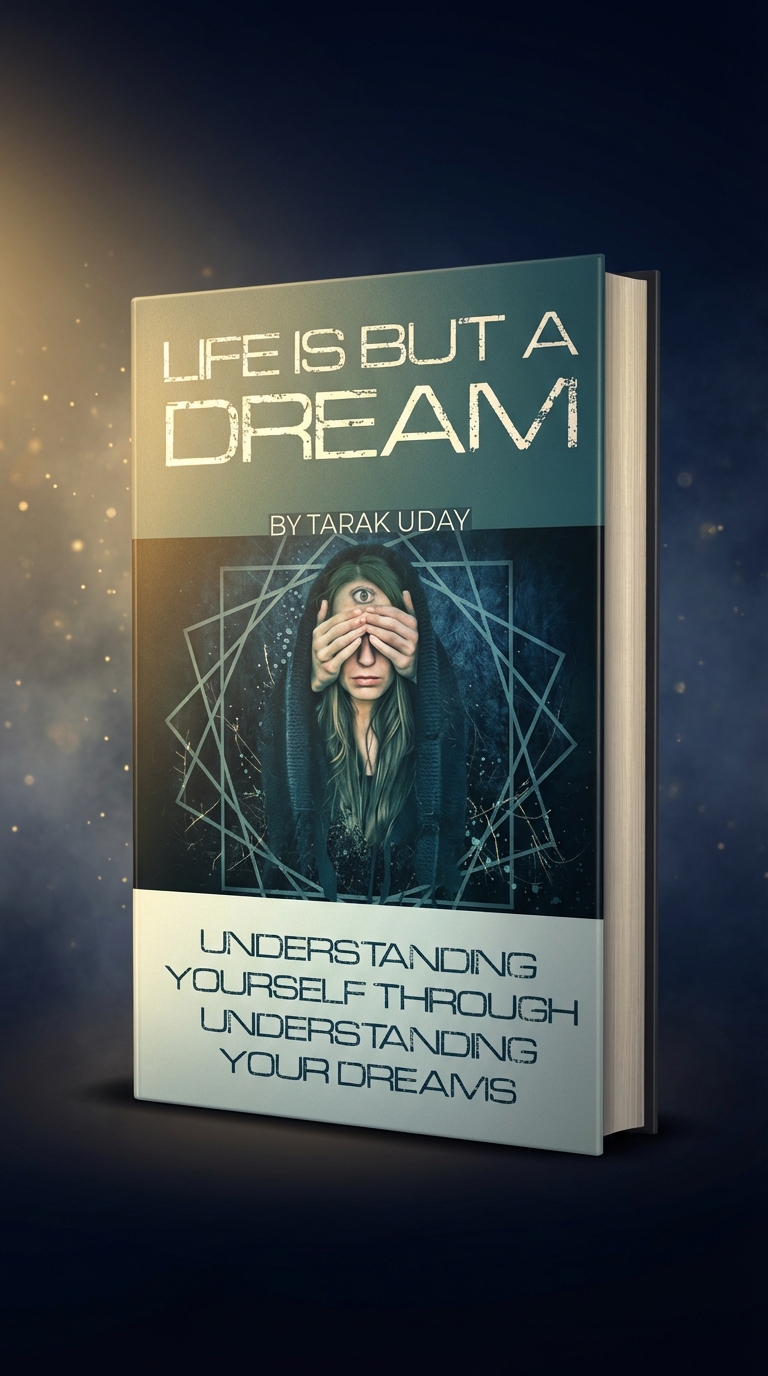
Learn The Language Your Dreams Speak
"Life Is But a Dream" teaches the Universal Language of Mind — how to read any dream symbol by what it is and what it does, so every dream becomes a message you can act on.
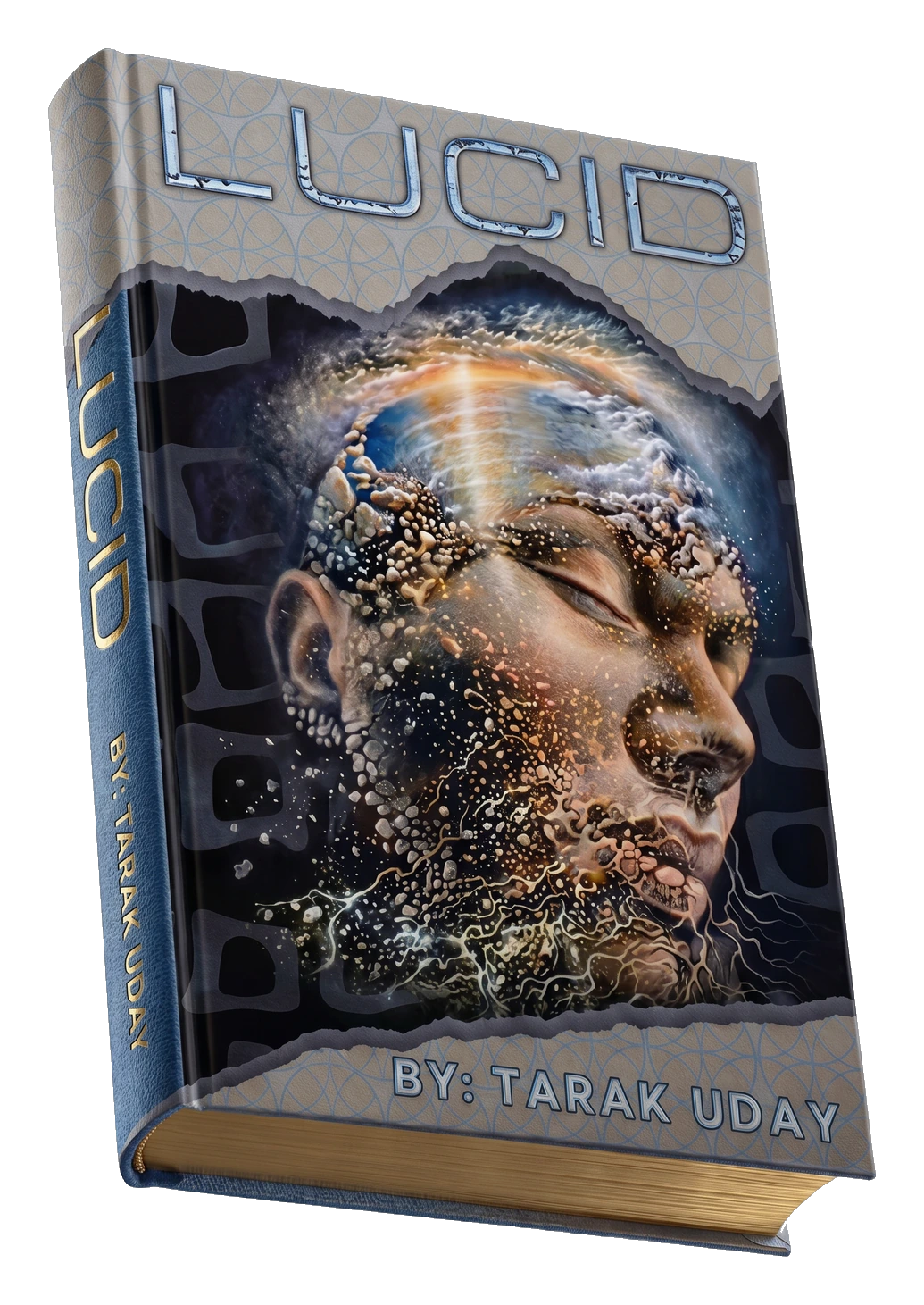
LUCID
You've tried every lucid dreaming technique. Most miss the root cause. LUCID reveals what they all skip.
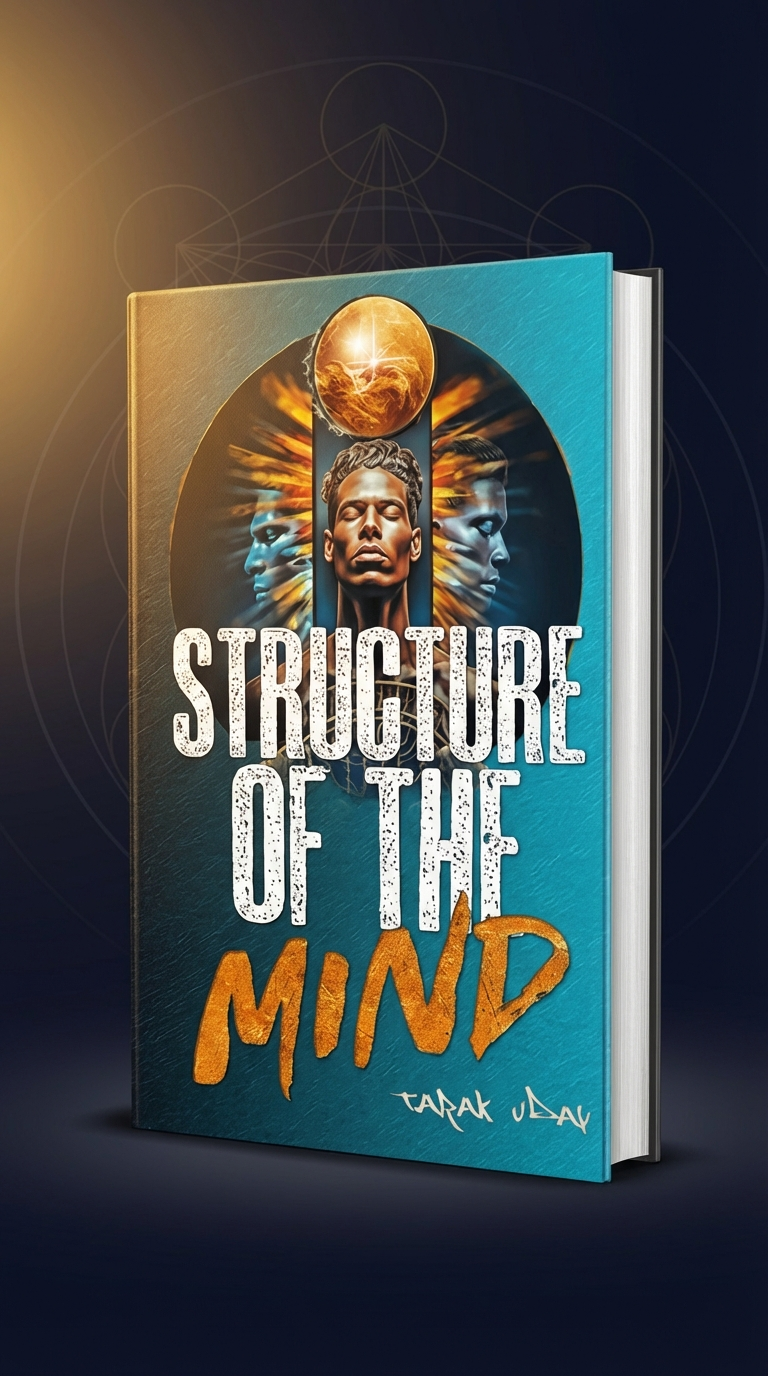
Understand Your Own Mind
"Structure of the Mind" reveals the three divisions of mind, seven levels of consciousness, and powers of mind that most people never learn to develop.