
Dreamly vs. Chitta: Which Dream App Actually Understands Your Dreams?
Both use AI. Completely different results. One is a polished dream journal with AI reflections. The other decodes your dreams using an ancient symbolic language. Here's the honest comparison.

Dreamly interprets your dreams with AI. So does Chitta, which costs $15 a month. Both include a dream journal. On the surface, they look like competing products.
They are not competing. They are fundamentally different tools built on fundamentally different foundations.
Dreamly is a dream journaling app with AI-generated interpretations — in its own words, a starting point for reflection. Chitta is a consciousness development platform that decodes dreams using the Universal Language of the Mind — an ancient symbolic science where every symbol has a defined, consistent meaning. One generates readings that can vary between sessions. The other produces interpretations that are consistent, specific, and directly actionable in your waking life.
This comparison examines both apps honestly across every dimension that matters. The goal is to help you understand what you're actually getting from each — because the difference in what's delivered is far larger than it looks on the surface.
Interpretation Methodology — The Deciding Factor
This is where the comparison effectively ends for anyone who cares about interpretation quality. Everything else — interface, journal features, pricing — is secondary to one question: what system is the app using to interpret your dream?
Dreamly says its text interpretation backend uses the OpenAI API — a general-purpose language model. It tracks emotions, recurring symbols, and themes across your journal, then generates an interpretation. It presents the result as a starting point for reflection, not an absolute truth.
The structural difference: Dreamly does not give a symbol one fixed meaning. Its own site says it does not treat a symbol as having one universal meaning, and that the same dream entered again is not guaranteed to come back word for word. When a symbol has no fixed meaning, a snake can be read as "hidden fears" on Monday and "transformation" on Friday. Both sound reasonable. Neither is anchored in a defined system. Dreamly's own terms say its interpretations are for "informational and entertainment purposes only" — and its site calls a reading a starting point for reflection, not an absolute truth.
Chitta uses AI grounded in the Universal Language of the Mind — a symbolic science where every dream symbol has a specific, consistent meaning derived from its function in waking reality. A snake ALWAYS represents creative energy (Kundalini). Teeth ALWAYS represent the mental tool for assimilation — your ability to assimilate life experiences. A house ALWAYS represents a state of mind. Water ALWAYS represents conscious life experiences. Animals ALWAYS represent habitual thought patterns.
The result: the same dream logged into Chitta today and again next month produces the same interpretation. Not a different psychological angle. Not a new guess. The same decode — because a codified language doesn't change meaning depending on when you read it.
But Chitta doesn't stop at decoding the symbols. Every interpretation includes a life connection — a specific identification of how the dream's message connects to your actual waking life and what to change, continue, or pay attention to. This is the step that transforms dream interpretation from interesting reflection into genuine self-mastery. No other dream app on the market takes this step.
Dream Journal Features
Dreamly describes its journal as built for quick dream entry right after waking — with emotion tracking, symbol and theme tagging, a searchable archive, AI-generated dream images, and sleep sounds. It also includes guides, breathing exercises, and reality checks. For getting your dreams written down while they are fresh, those are the tools it gives you.
Chitta provides a comprehensive dream journal with full searchable history, pattern tracking over time, and the ability to revisit past dreams as your understanding deepens. The journal feeds directly into the interpretation system — you log the dream and receive the decode in the same flow. No gamification. No AI images. No sleep sounds.
Here's the difference that matters: Dreamly's journal tracks what REPEATS — your recurring symbols, themes, and emotions. Chitta's journal tracks your CONSCIOUSNESS DEVELOPMENT. When you look back at three months of Chitta entries, you don't just see a list of dreams — you see which states of mind have shifted, which habitual patterns have transformed, which life experiences you've navigated, and which lessons your subconscious keeps teaching. The journal becomes a map of your inner evolution — because every entry is decoded through a consistent framework that reveals meaningful change over time.
Dreamly can tell you that you dream about water frequently. Chitta can tell you that your dreams consistently show you creating new conscious life experiences but struggling to assimilate them — and what to do about it. The difference is the framework underneath the data.
Interpretation Accuracy and Consistency
This deserves its own section because it is the single most important factor in whether a dream app delivers real value over time.
Dreamly: Interpretations can vary between sessions. Dreamly says the same text is not guaranteed to produce word-for-word identical output, and that it does not treat a symbol as having one universal meaning. So there is no guarantee that the same symbol will be interpreted the same way twice. A practice needs a vocabulary that holds still — because if the meanings shift, you can never be sure what your dream actually said.
Chitta: Interpretations are framework-locked. The Universal Language of the Mind provides defined meanings for every symbol. A house is a state of mind — always. A vehicle is the physical body — always. Death is major transformation — always. The personal APPLICATION varies based on your life context, but the symbolic DECODE is consistent every time. This consistency is what allows practitioners to build genuine fluency in reading their own dreams — because the vocabulary doesn't change.
Ask yourself: would you trust a translator who gave you a different translation of the same sentence every time you asked? That is what inconsistent interpretation produces. Chitta's framework eliminates this problem entirely.
Life Application — The Gap Nobody Else Fills
A reflection is only a starting point. "Your dream may reflect feelings about a transition in your life." Interesting. Then what?
Chitta includes life application in every single interpretation. Not a vague reflection. A specific connection between the decoded symbols and your actual waking life, with guidance on what to do about it. The dream cycle Chitta is built around — receive the dream → decode the symbols → apply the message → receive a new dream in response — is how consciousness actually develops through dream work. Application is the step that produces transformation. Without it, dream interpretation is academic — interesting but inert.
That step cannot be built on a reading that shifts. Life application requires a consistent framework. If the interpretation changes every session, there is nothing stable enough to apply. The application step is only possible because Chitta's framework is codified and consistent.
What You Get Beyond Dreams
Dreamly is a private dream journal and AI-assisted dream interpretation app. Sleep sounds, breathing exercises, lucid dreaming guides and reality checks. Tools for the sleep-and-dream cycle.
Chitta treats dream interpretation as one tool within a complete consciousness development system:
- Oracle Consultation System — structured guidance from ancient metaphysical sources for life questions beyond dreams
- Concentration Training — the only dream app that includes the foundational exercise required for dream recall, lucid dreaming, and all consciousness development. This is the missing piece that other apps never address: if you can't remember your dreams, no interpretation app matters. Chitta gives you the tool to fix it
- Complete Symbol Glossary — every symbol decoded with defined meanings. Not AI-generated guesses — documented vocabulary from an ancient symbolic science
- 5-Language Support — full interpretation in English, Spanish, Portuguese, French, and Hindi, all using the same Universal Language framework
- The CHITTA Lucid Academy — a structured 10-week Foundation of daily practice (dream work, the mirror exercise, candle concentration, memory, visualization and long breath). Masterclasses on the Universal Language of the Mind and on concentration are in production and open with the Academy. Entry is earned through practice before it can be purchased
- Author-Founded — built by Tarak Uday, author of Life is But a Dream and Structure of the Mind, a modern metaphysician and consciousness development teacher
Dreamly helps you journal your dreams and reflect on them. Chitta helps you develop your consciousness — with dream interpretation as the entry point into a practice that transforms how you understand yourself and navigate your life.
Tarak Uday takes this further in Life Is But a Dream, his guide to reading every dream in the Universal Language of the Mind.
What Chitta's Free Tier Includes
Chitta Free: One complete dream reading is free every month, in the Universal Language of the Mind, and you can earn another by practising 7 days in a row. Beyond that, the full symbol glossary, a dream journal that decodes the symbols in every dream you log, the Sanctum community and one Oracle consultation stay free. It renews every month, and it is enough to see the methodology difference on a dream of your own before you decide anything — and one framework-based reading delivers more actionable insight than unlimited generic AI reflections.
Pricing
Chitta: $15/month, or $99/year with a 7-day trial on the annual plan (a card is required).
It is worth being direct about what the subscription pays for. $15 for Chitta buys unlimited framework-based interpretations with life application, Oracle consultations, concentration training, full symbol glossary, and community access.
Different price, different product. One product journals your dreams with AI commentary. The other decodes them using an ancient language and tells you what to do about it.
Who Should Use Each App
Choose Dreamly if: You want a dream journal with quick entry and AI-assisted interpretation. You are looking for a starting point for reflection, not a fixed answer. You enjoy AI-generated reflections as food for thought. Getting your dreams written down right after waking is your primary goal. You value sleep sounds, breathing exercises, and AI-generated images of your dream scenes.
Choose Chitta if: You've tried other dream apps and the interpretations felt vague, generic, or contradictory. You suspect your dreams are trying to tell you something specific and want a system that can actually decode the message. You want interpretation that's consistent enough to build a real practice on. You want to know what to DO with the interpretation — not just what it might mean. You want concentration training, Oracle guidance, and a consciousness development pathway alongside your dream work. You're ready for genuine self-mastery, not just self-reflection.
The Bottom Line
Dreamly is a private dream journal and AI-assisted dream interpretation app. It says plainly what its readings are: a starting point for reflection, not an absolute truth.
Chitta is not trying to be the most polished journaling app. It is trying to give you access to a system of knowledge that most people don't know exists — a symbolic science where your dreams become readable, your consciousness becomes navigable, and your inner world becomes intelligible in ways that generic AI reflection cannot achieve. And it includes a comprehensive journal, life application in every interpretation, concentration training, Oracle guidance, a complete symbol glossary, 5-language support, and an educational pathway from free user to deep practitioner.
These are two different kinds of tool. One offers you AI reflections about your dreams. The other teaches you to read the language your subconscious speaks — and tells you what to change in your life based on what it says.
The question isn't which app is "better." The question is what you want from your dream practice. If a journal and a starting point for reflection are the goal, Dreamly offers both. If understanding is the goal — and transformation through that understanding — Chitta is the only tool built for it.
"Information is not transformation. Users must implement practices rather than consume content. Dreams reflect how consciousness was used in previous days, serving as diagnostic tools for self-mastery."
— Tarak Uday
Frequently Asked Questions

Books by Tarak Uday
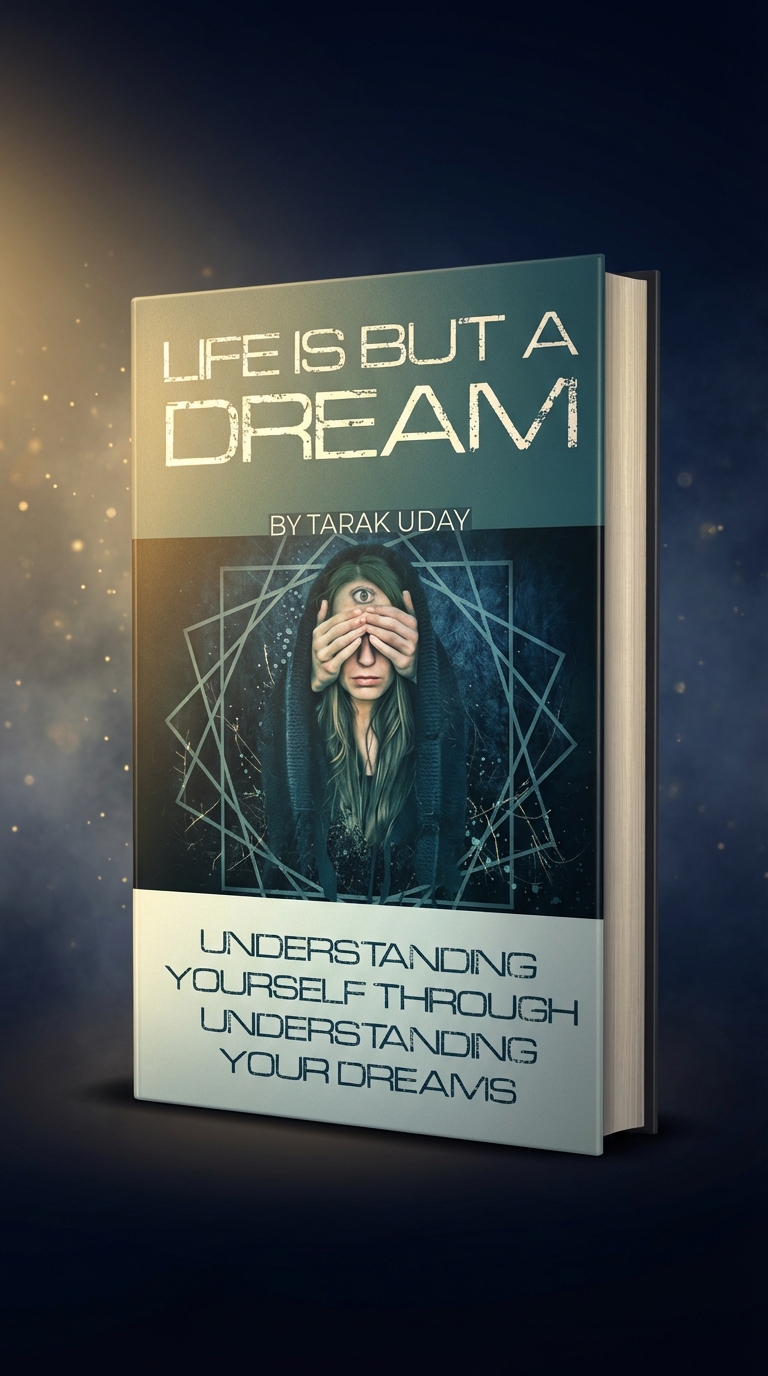
Learn The Language Your Dreams Speak
"Life Is But a Dream" teaches the Universal Language of the Mind — how to read any dream symbol by what it is and what it does, so every dream becomes a message you can act on.
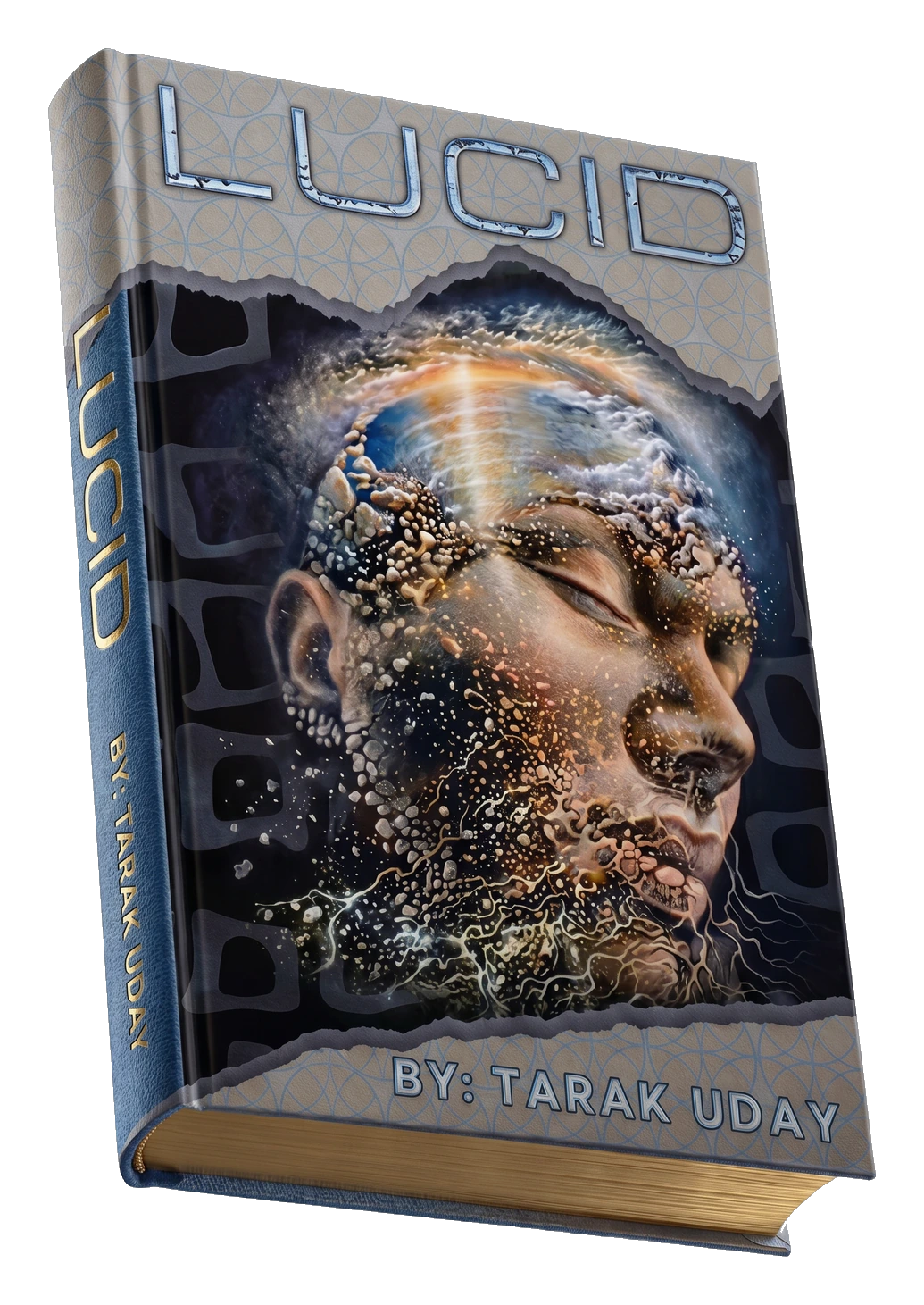
LUCID
You've tried every lucid dreaming technique. Most miss the root cause. LUCID reveals what they all skip.
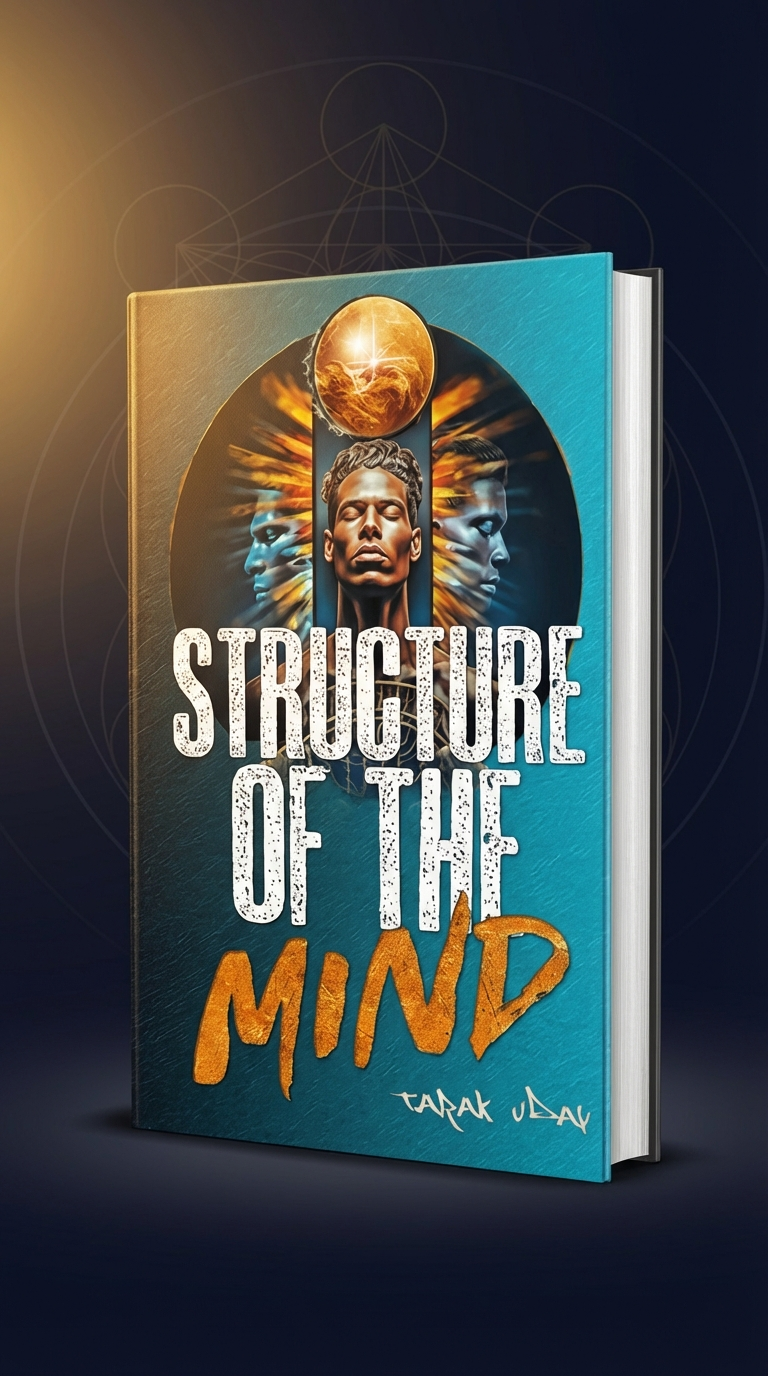
Understand Your Own Mind
"Structure of the Mind" reveals the three divisions of mind, seven levels of consciousness, and powers of mind that most people never learn to develop.