
Is Lucid Dreaming Safe? The Question Nobody Answers Straight
One camp says it's fine, one whispers about demons. Neither has the framework that makes the answer simple.
Is lucid dreaming safe? Yes - lucid dreaming itself is safe. It's a natural state of consciousness, not a drug and not a hack, and becoming aware inside your own dream harms nothing. According to the Universal Language of Mind, the only real risk isn't the lucidity - it's doing it without understanding, so you wander your own subconscious as a startled tourist instead of a navigator who knows the terrain. That's the straight answer the internet keeps dancing around, and the rest of this explains exactly where the line actually is.
So you searched "is lucid dreaming safe" and got two useless piles. One says it's perfectly fine, no caveats, go wild. The other whispers about sleep paralysis and getting "trapped" and demons, like you're about to open a cursed door. Neither tells you what's actually true, and you're left more anxious than when you started.
Here's why nobody answers straight: they're all missing the framework that makes the answer simple. Once you understand what a dream actually is and who you actually are inside it, the fear collapses and the real precaution becomes obvious. Let's do that.
Is Lucid Dreaming Actually Dangerous?
Lucid dreaming is not dangerous. Becoming conscious inside a dream is a natural capacity of the mind - you're simply awake to an experience you were already having. Nothing about awareness itself damages your sleep, your brain, or your grip on reality. The horror stories that circulate are almost always fear dressed up as caution, and fear, in the Universal Language of Mind, is just the volume knob the subconscious uses to get your attention - not evidence of actual threat.
What people point to as "dangers" are usually two ordinary things. One is sleep paralysis - a normal, harmless state where the mind wakes before the body's sleep-lock releases, briefly. It feels strange, sometimes frightening, but it does no harm and passes in moments. The other is intense or scary dream content once you're lucid. And that isn't a danger either - it's a message, often a loud one, which is a very different thing from a hazard.
Lucid dreaming is safe. Sleep paralysis is harmless and brief. Scary lucid content is a message, not a threat. The one real risk is doing it with no framework - meeting your subconscious with no way to read it.
Where Does the Fear of Lucid Dreaming Actually Come From?
The fear comes from meeting your own subconscious without a map. When you go lucid, you're standing consciously inside the realm where your deepest beliefs, fears, and unresolved material take symbolic form. If you don't understand that everything in that space is you - your own mind's content - then a menacing figure feels like an external attacker instead of what it is: a part of yourself, shown to you in a form you can finally address.
That's the whole engine of lucid-dream fear. Not the state - the misreading. A shadow chasing you isn't a monster that followed you in; it's something you're avoiding in waking life, given shape. We decode that exact pattern in what it means to dream about being chased, and you can see the raw symbol in the glossary entries for being chased and the monster. Once you know the figure is a message, the terror drains out of it. You can't be attacked by your own reflection.
"Nothing in a lucid dream can hurt you, because nothing in it is other than you. Fear is just a symbol you haven't read yet."
What Actually Makes Lucid Dreaming Safe - and Useful?
What makes lucid dreaming safe and useful is a framework - a way to read where you are and what you're meeting. In the Universal Language of Mind, a lucid dream isn't a playground for wish fulfillment; it's the one place you can consciously engage your subconscious in its native language and do real work. When you know that the water is conscious life experience, that the house is your own mind, that a threatening figure is a disowned part of you, you stop being a tourist and become a navigator.
And that's the turn. A navigator can face the shadow instead of fleeing it, can ask a dream figure what it represents, can move through fear toward the message underneath it. That's not just safe - it's transformative. As Tarak Uday teaches in LUCID, lucidity handled with understanding becomes a direct instrument for self-mastery, not a thrill and not a risk. The framework is the seatbelt and the steering wheel at once.
"To be lucid is to stop being a passenger in your own mind. But a driver still needs to know the roads. Understanding is what turns a dream from a place things happen to you into a place you choose."
- Tarak Uday, LUCIDAre There Any Real Precautions Worth Taking?
Yes - two, and they're sane rather than scary. First, don't chase lucidity at the cost of sleep. Some aggressive induction methods have you interrupting your sleep cycle repeatedly, and the risk there isn't the lucidity - it's the sleep deprivation, which is worth avoiding for ordinary health reasons. Gentle, consistent practice beats extreme techniques. We make that case in why meditation alone won't produce lucid dreams.
Second, build the framework before you build the skill. Learning to go lucid without learning to read the dream is like learning to drive without learning what the road signs mean - you'll get there, but you'll panic at the first thing you don't understand. Start with how to meet fear consciously, which we walk through in how to overcome fear in lucid dreams. That's the whole safety plan: understand first, then explore. For a realistic sense of the timeline, see how long until your first lucid dream.
Why Does the Universal Language of Mind Answer This When Others Can't?
The Universal Language of Mind answers the safety question straight because it actually knows what a dream is. The two camps online can't: the "totally fine" crowd has no framework, so they can only reassure, and the "beware" crowd has no framework either, so they can only spook. Neither can tell you why a scary figure appears or what to do with it, because neither reads the dream as a language.
The ULM does. This isn't Freudian dream-as-disguised-wish or Jungian archetype-as-mystery. It's a 5,000-year-old system, rooted in the Vigyana Bhairava Tantra, where every dream element means what it does - and that precision is exactly what dissolves the fear. When you can name what you're looking at, you can't be ambushed by it. Understanding is the safety mechanism. That's why the people with the framework are the only ones who can answer the question without flinching.
Lucid dreaming is safe. Sleep paralysis is harmless, scary content is a message, and nothing in a dream can harm you because nothing in it is other than you. The only real risk is doing it without a framework - meeting your subconscious with no way to read it. Learn the Universal Language of Mind first, and lucidity stops being a question of safety and becomes an instrument of self-mastery.
Go lucid as a navigator, not a tourist. Learn to read your dreams with CHITTA and the Universal Language of Mind - so when you wake up inside one, you know exactly where you are and what everything means.
So the next time someone answers "is lucid dreaming safe" with a shrug or a ghost story, you'll know why they can't say it straight: they never had the framework. You do now. The dream was always yours. Lucidity just hands you the keys - and understanding tells you how to drive.

Frequently Asked Questions


Books by Tarak Uday
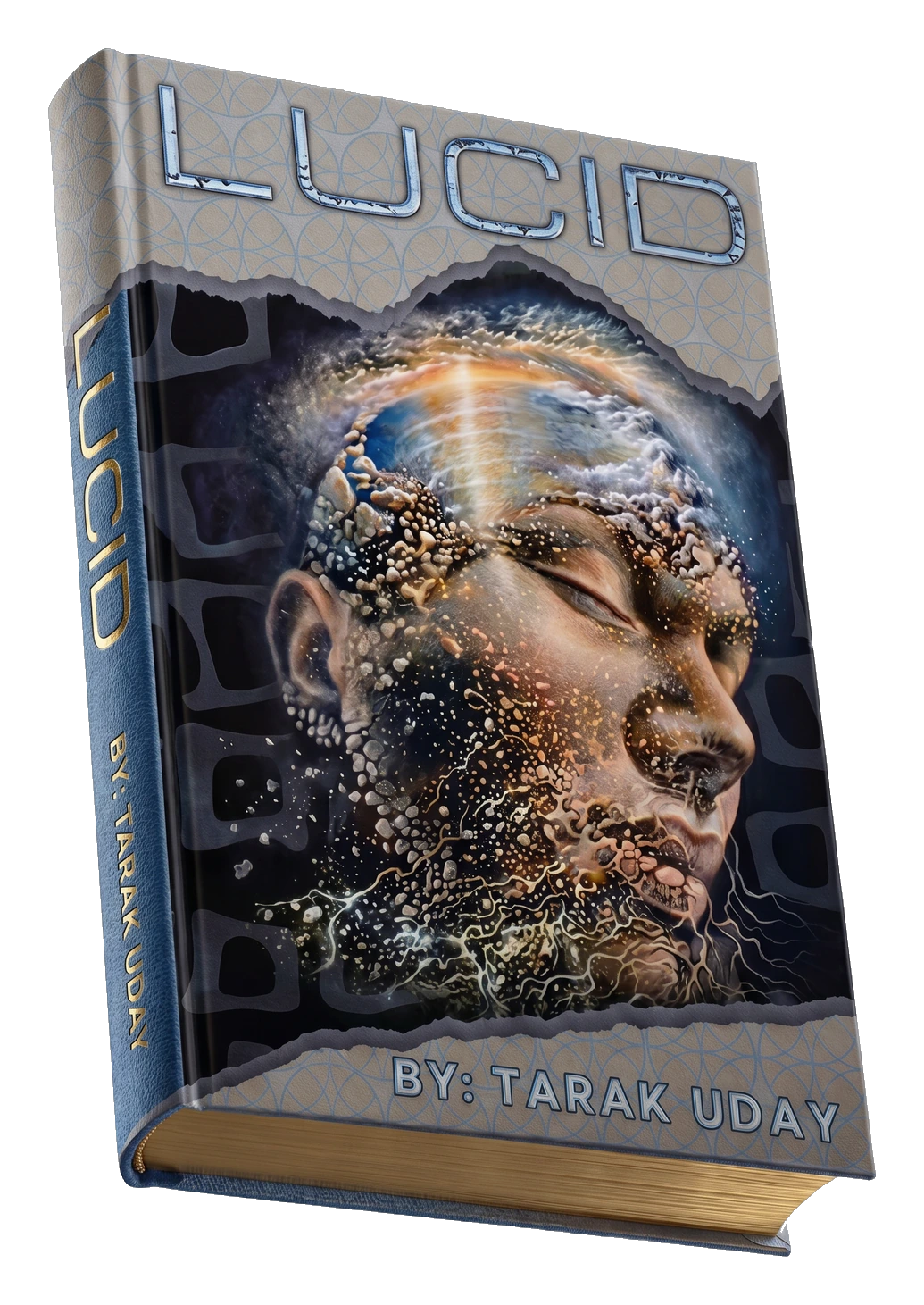
LUCID
You've tried every lucid dreaming technique. Most miss the root cause. LUCID reveals what they all skip.

Learn The Language Your Dreams Speak
"Life Is But a Dream" teaches the Universal Language of Mind — how to read any dream symbol by what it is and what it does, so every dream becomes a message you can act on.
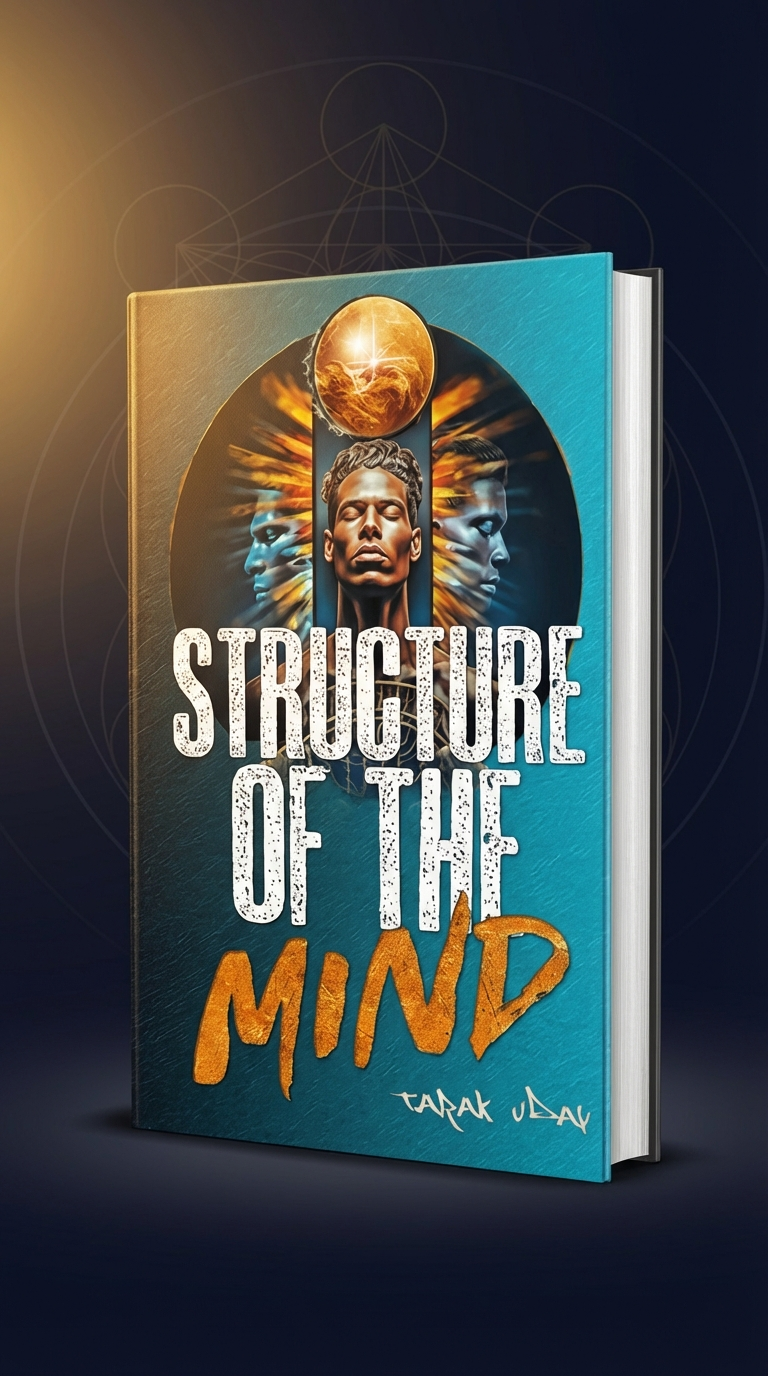
Understand Your Own Mind
"Structure of the Mind" reveals the three divisions of mind, seven levels of consciousness, and powers of mind that most people never learn to develop.