
Kundalini in the Bible? What the Serpent in Scripture Points To
The word never appears. The picture does, from the garden to the brass serpent on the pole, and it reads exactly the way a snake in your dream does.


The word kundalini never appears in the Bible. The serpent does, again and again, and read the way you read a dream, it is the same creative life force the yogis named kundalini. If you grew up being told the serpent was simply the enemy, you know the feeling of waking from a dream with a snake in it and lying there uneasy, half-wondering whether you'd been visited by something dark. You hadn't. You'd met the oldest picture there is of the power you create with. So hold on to the snake from your own dream, or the last image your dream left you with: where it was, what it did, and what you did when you saw it.
Is Kundalini Really in the Bible?
Kundalini is a Sanskrit word. You won't find it in the Hebrew or the Greek, and nobody here is claiming the writers of Genesis used it. What you will find is a picture. A serpent in a garden. A rod that becomes a serpent on the ground. A serpent of brass raised on a pole. Pictures are the native language of the mind, and in the Universal Language of the Mind the snake carries one consistent meaning: creative energy.
In LUCID, Tarak Uday says it without hedging. The snake represents the creative life force energy itself, what yogis call kundalini. Then he draws the line straight through scripture:
That's a claim about reading, not about history. Kundalini is one tradition's name for the force; the serpent is the picture of it. For the energy itself, what kundalini is lays out the mechanics. Here we stay with the picture, and with respect: decoding a verse as symbol takes nothing away from what it means to anyone who prays with it.
One plain line, because this subject draws people who are feeling things in their bodies. This article is about decoding a symbol, not about producing any sensation. This isn't medical advice; if you have physical symptoms, see a doctor.
How Do You Read Scripture the Way You Read a Dream?
The same way you read anything written in pictures: form and function. What a thing is and what it does tells you what it stands for in the mind. A snake sheds its old skin and strikes with sudden force, so it's the energy that transforms.
Tarak Uday doesn't claim to have invented this lens. In The Structure of the Mind, he opens his chapter on scripture by calling it "ancient knowledge passed down for thousands of years," and says you just have to have "eyes to see and ears to hear." You don't have to settle any history to use the method. Decode the images, then see whether the passage starts describing something happening inside you.
He shows the method on the opening of Genesis, and one line from that reading matters here. On Genesis 1:2, where the Spirit of God moves upon the face of the waters, he writes: "The word spirit means breath." And: "Our breath is the carrier of our lifeforce energy." Before a serpent ever appears, the text has already put lifeforce on the page. The full reading is in Genesis 1 decoded.
Here are the questions you'd ask any dream, and they work on a verse unchanged. What is the symbol? What does it do by nature? Where is it? Who acts on it, and how? What changes because of it? One honest limit: this is the symbol in general. What a serpent means in your dream depends on everything around it, and no verse can tell you that.
What Do the Serpent Passages Mean When You Decode Them?
Genesis 3, the serpent in the garden. The King James Version opens the chapter with "Now the serpent was more subtil than any beast of the field". Run the questions. The serpent is creative energy. A garden, in the dream dictionary, is the ability to use the subconscious mind in a productive way. What the serpent leads to is fruit, and fruit in the Universal Language of the Mind is knowledge. Read that way, creative energy moves through a productive mind and brings it to knowledge. Most of us were taught to see the serpent only as the villain. Decoded, it's the force that makes knowing possible.
Exodus 4, the rod that becomes a serpent. Moses casts his rod on the ground, and in the KJV "it became a serpent; and Moses fled from before it." Then the instruction: "Put forth thine hand, and take it by the tail." He does, and it's a rod again. In the dream dictionary a staff is universal truth, and the ground is the substance of the subconscious mind. Put truth down into the subconscious mind and it comes alive as creative power, and the first human reaction is to run. The passage doesn't let Moses keep running. He takes hold of it, and it becomes the rod he carries into every sign that follows (Exodus 4:17; 7:10-12).
Numbers 21, the serpent on the pole. In the wilderness, serpents are biting the people. The remedy is strange: "And Moses made a serpent of brass, and put it upon a pole". Whoever had been bitten looked at it and lived (Numbers 21:8-9). In LUCID, a snake biting you represents forced transformation, the life force biting you awake when you've resisted necessary change. The answer in Numbers isn't to kill the serpent. It's to raise it and look at it. Lift the force where you can see it, face it directly, and it stops being the thing that wounds you.
John 3:14, the lifting. The Gospel reaches back to that same pole: "And as Moses lifted up the serpent in the wilderness, even so must the Son of man be lifted up". Read in the language of the mind, the verb carries the teaching. The force doesn't stay on the ground; it rises, the same picture the yogis drew as energy coiled at the base of the spine.
Matthew 10:16, wise as serpents. The disciples are told to "be ye therefore wise as serpents, and harmless as doves." Creative power held with wisdom, beside innocence.
What Does It Mean When a Serpent Shows Up in Your Own Dream?
When a snake appears in your dream, the same reading holds. LUCID says it indicates that creative transformation energy is active within you, "whether you are conscious of it or not." Then the book gives the variations, and you can lay them right over the passages above.
A snake biting you is forced transformation, the change you've been resisting getting your attention. That's the wilderness in Numbers. A snake shedding its skin is active renewal, letting go of an outdated part of yourself on purpose. A coiled snake is kundalini at rest at the base of the spine, creative power not yet activated. That's the serpent before anyone lifts it.
And running from the snake? That's Moses at the bush. Being chased in a dream is running from an aspect of yourself. A snake chasing you is your own creative power, and you're the one keeping your distance.
Tarak Uday's instruction on this is direct:
The full range of what a snake does in a dream is in the snake entry of the symbol glossary and in snakes in dreams. If you're wondering whether that stirring has a waking side, the signs of kundalini awakening go there.
Tarak Uday takes this further in Structure of the Mind, his map of the three divisions of mind and the powers of attention, memory and imagination.
What neither a verse nor a glossary can show you is this. One snake dream is a sentence. The same snake coming back for months, coiled in the same room of the same house, is a paragraph, and it's saying something about where your creative energy is stuck that you only see when the dreams sit side by side.
How Does CHITTA Help You Decode the Serpent in Your Own Dream?
Scripture has been read and reread for centuries. The text your own mind wrote last night hasn't been decoded once. That's the gap.
The symbol dictionary in CHITTA holds the serpent and every other image in the Universal Language of the Mind as Tarak Uday teaches it, so the snake, the rod, the garden and the ground in your dream are read by form and function instead of guesswork. The interpretation engine reads them together, in the order they appeared, because a snake in a garden and a snake in a basement don't say the same thing. The dream journal dates every entry, so tonight's snake lands next to last spring's.
That's where the time comes out of it. Without a record, a recurring serpent is a vague sense that you keep dreaming about snakes. With one, it's a dated sequence: where it was, what it did, what you did. You can watch yourself move from running, to standing still, to taking it by the tail.
There's a second lever. Genesis puts lifeforce on the page as breath before it shows a serpent. The state you fall asleep in shapes the state you dream in, and breath reaches it directly. That's why the Long Breath practice sits beside the journal.
Which Serpent Passage Will You Read Tonight?
Tonight's act is small. Pick one serpent passage: Genesis 3:1-6, Exodus 4:2-4, Numbers 21:6-9 or John 3:14-15. Read it slowly, once, in the King James Version or in whichever Bible you keep.
Then ask it the questions you'd ask a dream. What is the symbol, and what does it do by nature? Where is it? Who acts on it, and do they run, strike or lift? What changes afterward? Write two or three lines. Don't argue with anyone's reading, including the one you grew up with. Just decode.
This article can tell you what the serpent means in scripture. It can't tell you why it came to you, or whether you were the one running. That part is written in your own night, and you're the only one who can read it.
Frequently Asked Questions



Books by Tarak Uday
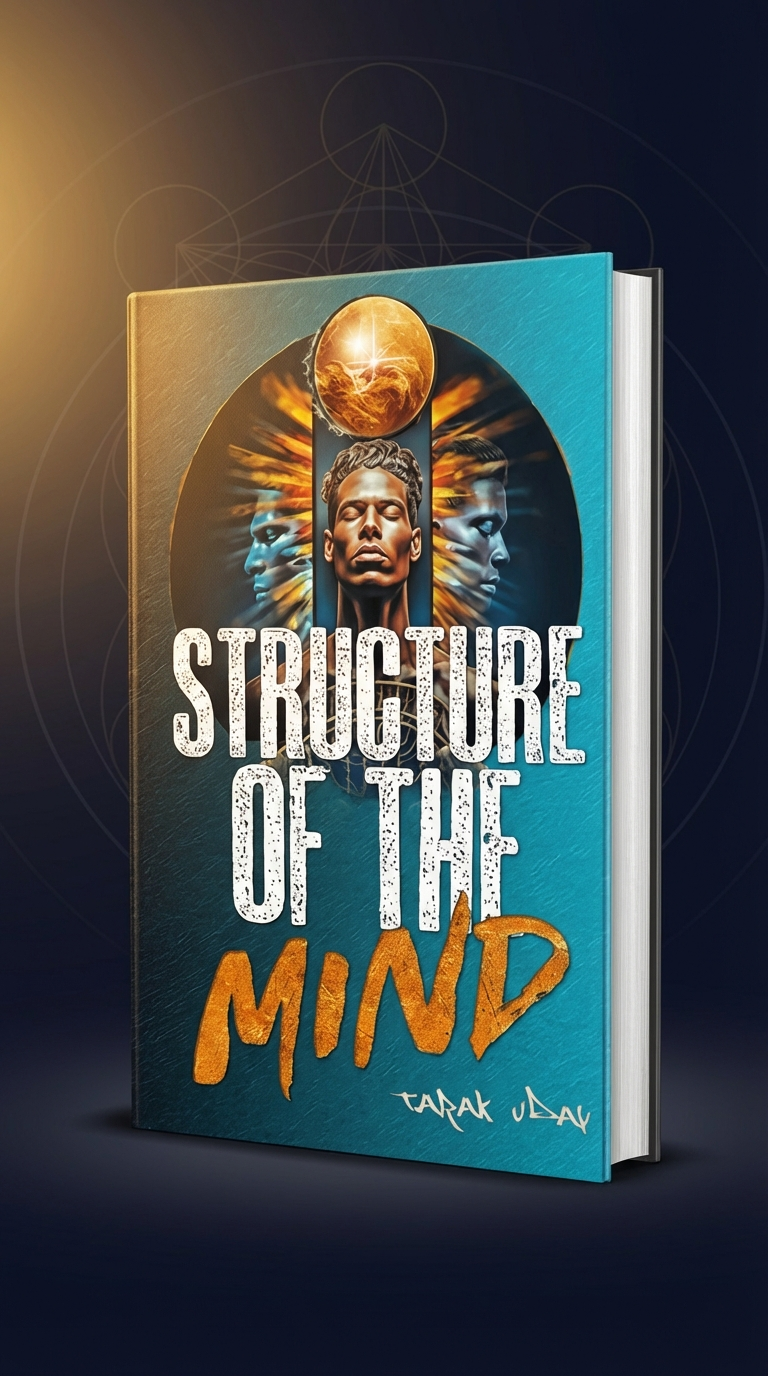
Understand Your Own Mind
"Structure of the Mind" reveals the three divisions of mind, seven levels of consciousness, and powers of mind that most people never learn to develop.

Learn The Language Your Dreams Speak
"Life Is But a Dream" teaches the Universal Language of the Mind — how to read any dream symbol by what it is and what it does, so every dream becomes a message you can act on.
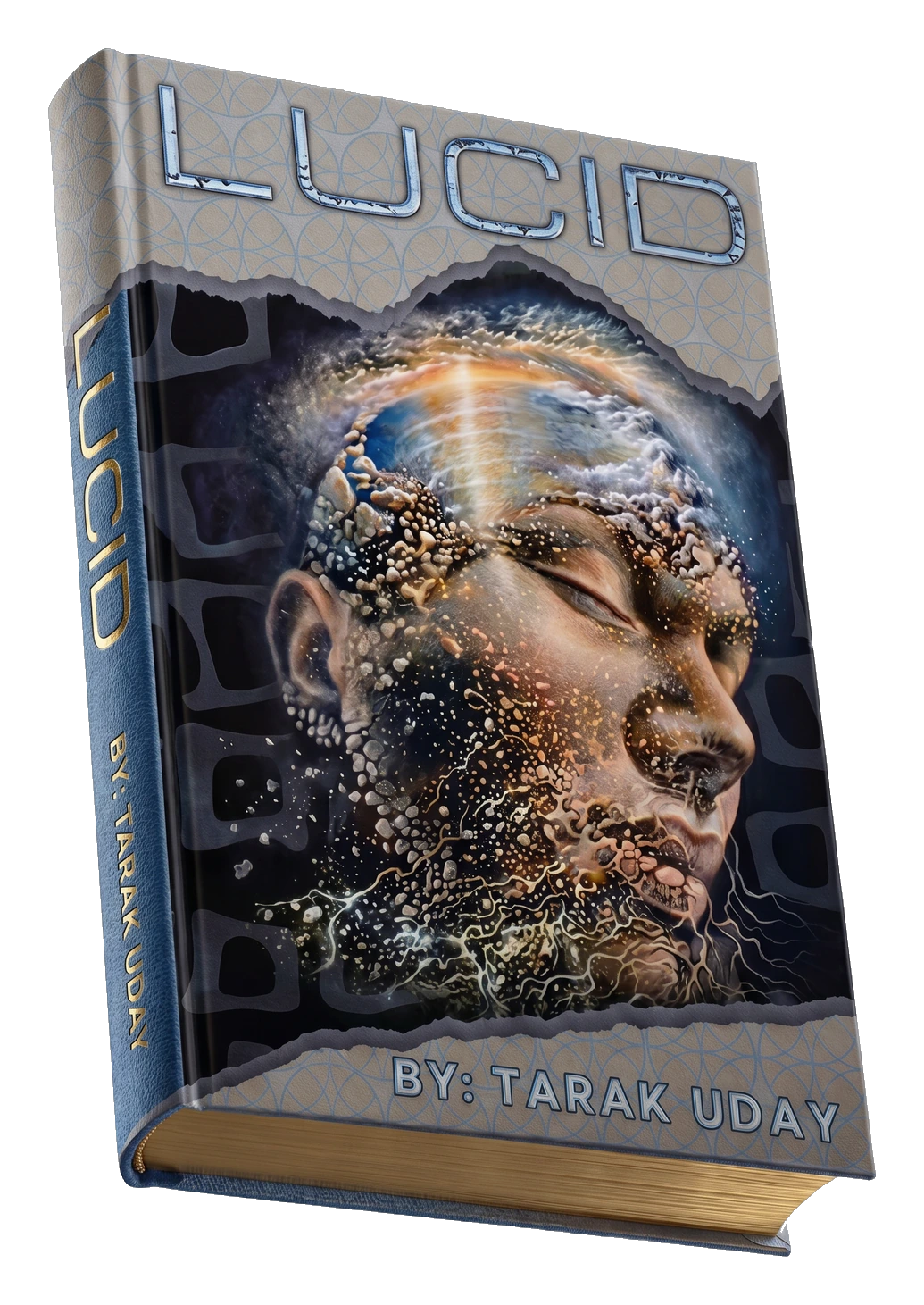
LUCID
You've tried every lucid dreaming technique. Most miss the root cause. LUCID reveals what they all skip.