
The Long Breath: A 5-Minute Practice That Connects You to Your Spirit
Inhale as long as you can. Exhale longer. Note the two numbers.
The Long Breath is five minutes of deliberately lengthened breathing: sit with the spine tall, inhale slowly through the nose for as long as you can without strain, then exhale slowly through the mouth for even longer. Repeat for at least five minutes and note your longest single inhale and exhale. Those two numbers climb over weeks, and that climb is the practice working.
You have noticed that your breath goes shallow when the day gets loud, and that you never decided for it to. It just happens, up in the chest, fast and small, and you only catch it hours later. That is the whole situation in one observation: the one process in your body that runs automatically and can also be taken over by hand is running entirely without you.
Breath is the only function that is both automatic and voluntary. That makes it the one lever your conscious mind can reach that also reaches everything underneath it.
What is the Long Breath?
A simple practice with an exact shape, and the shape is what makes it work.
Sit down somewhere you will not be interrupted. Spine tall, not rigid. Take a slow inhale through the nose and make it as long as you can without strain, which is the operative phrase; straining turns the practice into effort and effort is the opposite of what you are training. Then release a slow exhale through the mouth, and make it longer than the inhale if you can. Then do it again, for at least five minutes.
When you finish, note two numbers: your longest single inhale in seconds, and your longest single exhale. That is the entire measurement. Not how peaceful it felt, not whether your mind wandered. Two numbers.
Five minutes is a real floor, not a beginner's concession. Long enough for the breath to lengthen past its habitual range, short enough that you will actually do it tonight rather than intend to do it properly on Sunday.
Why breathe out longer than you breathe in?
Because the exhale is the half of the cycle where the body's brake engages.
Standard cardiac physiology describes this as respiratory sinus arrhythmia: heart rate rises during inhalation and falls during exhalation, because vagal output to the heart is suppressed as you breathe in and restored as you breathe out. It is described in the standard reference texts, including Guyton and Hall's Textbook of Medical Physiology. Lengthening the exhale means spending more of each cycle on the parasympathetic side of that swing.
The inhale gathers. The exhale settles. Which one you make longer decides which direction the whole system drifts.
So the answer to why you exhale longer is not mystical at all. It is that the ratio decides the tilt, and you are the one setting the ratio. This is not medical advice and the Long Breath is not a treatment for any condition. If you have physical symptoms, see a doctor.
What the mechanism does not explain is the part people actually report — that the state they fall asleep in changes, and so does what happens after they fall asleep. That belongs to the next section, and it is a different kind of claim.
What does breath actually have to do with spirit?
The word carries the answer. Spirit comes from the Latin spirare and a Greek root that both translate directly to breath, and the same root is sitting inside the word inspiration.
In the Universal Language of Mind, as Tarak Uday teaches it, that etymology is not a curiosity. It is a description of function. The breath ties the soul to the body, and it is what allows the conscious mind to unite with the superconscious mind. Connecting with your breath is how you connect with your spirit, which is the reason nearly every contemplative tradition on earth opens at the breath rather than at belief.
Inspiration is the same mechanism running in the other direction. Think of the night an idea landed on you at one in the morning and you were suddenly not tired at all. That surge is lifeforce energy being fed into you from the superconscious mind, which holds the blueprint of what you are here to do and supplies the energy to fulfil it. You have felt that. You probably called it a burst of motivation.
Which is also why every meditative tradition starts at the breath, across cultures that never met. They were not copying each other. They were all finding the same doorway.
What should the first five minutes feel like?
Awkward. That is the correct answer and nobody says it.
Your first long inhale will probably feel short, and you will want to force it. Do not. The instruction is as long as you can without strain, and the ceiling rises on its own over weeks; forcing it just recruits the muscles you are trying to release. Expect the exhale to run out before you meant it to. Expect the count to be unimpressive.
Your attention will also leave, repeatedly, and you will notice you have been gone for several breaths. That is not a failure of the practice. Noticing you left and coming back is the repetition, exactly as it is in concentration work, and what actually changes when concentration improves is precisely this: the gap between leaving and noticing gets shorter.
The best moment to run it is before sleep. The state you fall asleep in decides the state you dream in, and breath is the one lever that reaches that threshold directly. Do the five minutes, then go to bed. Notice what the night is like.
How does CHITTA accelerate this?
The Long Breath has a specific failure mode, and it is not difficulty. It is that a single session tells you nothing.
Tonight's longest exhale means almost nothing in isolation. The evidence is in the trend: your longest inhale and exhale in week six against week one, and nobody remembers week one. So the practice that is actually working feels identical to the practice that is going nowhere, and people stop for want of a number.
The Long Breath practice inside CHITTA logs the session for exactly this reason. You record your longest inhale and longest exhale, and the app holds them with a date on each session. What was a vague sense that breathing feels easier becomes a line you can look at. That climb is your nervous system learning to obey you, and seeing it is what makes the sixth week happen.
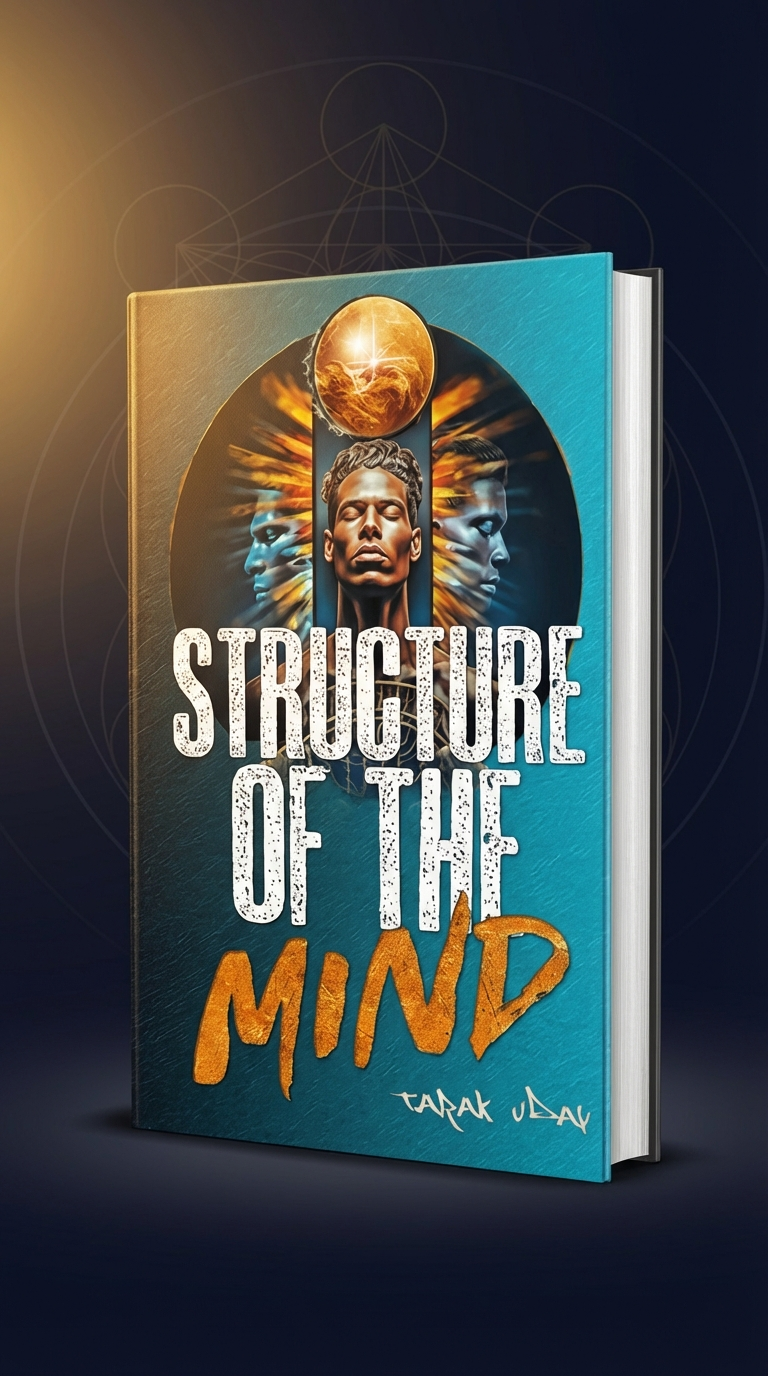
Tarak Uday takes this further in Structure of the Mind, his map of the three divisions of mind and the powers of attention, memory and imagination.
Then the second thing shows up, and it is the one people do not expect. Breath changes the state you enter sleep in, and the dream journal is where that becomes visible: you log the dream, the interpretation engine decodes it in the Universal Language of Mind, and after a few weeks you can set the nights you practised against the nights you did not. That comparison is not something a book can hand you. It is your own data, about your own mind.
Sit for five minutes of the Long Breath tonight and note how long each breath ran. Start the practice log so week six has a week one to stand against.
The practice also sits inside a stack rather than alone. Breath reaches the state, concentration holds the attention, memory catches what the night hands back. One of them trained by itself always underperforms the three of them trained together, which is the quiet reason single-technique approaches keep stalling.
What else do people ask about the Long Breath?
How long should the Long Breath take?
At least five minutes per session. Longer is fine once the breath has lengthened comfortably, but five minutes done nightly beats twenty minutes done occasionally. Note your longest single inhale and exhale at the end of each session, since the trend in those numbers is the actual progress marker.
Should I breathe through the nose or the mouth?
Inhale slowly through the nose, exhale slowly through the mouth. The nose slows and conditions the incoming breath, and the mouth lets the exhale extend past where a nasal exhale would naturally end, which is what gives you the longer outbreath.
Why exhale longer than you inhale?
Heart rate rises on inhalation and falls on exhalation, a standard physiological pattern known as respiratory sinus arrhythmia. A longer exhale spends more of each cycle on the settling side of that swing. This is a description of ordinary physiology, not a treatment claim.
When is the best time to practise?
Before sleep, for most people. The state you fall asleep in shapes the state you dream in, and the breath is the most direct lever on that threshold. Any other time of day still builds the capacity.
So sit tonight, lengthen the out-breath, and write down the two numbers. The practice will tell you how long your breath ran. What it will not tell you is what changes in the hours after it, once the state you carried into sleep was one you chose.

Frequently Asked Questions



Books by Tarak Uday
Understand Your Own Mind
"Structure of the Mind" reveals the three divisions of mind, seven levels of consciousness, and powers of mind that most people never learn to develop.

Learn The Language Your Dreams Speak
"Life Is But a Dream" teaches the Universal Language of Mind — how to read any dream symbol by what it is and what it does, so every dream becomes a message you can act on.
LUCID
You've tried every lucid dreaming technique. Most miss the root cause. LUCID reveals what they all skip.