
The Power of the Subconscious Mind: Its Purpose Is to Store, Its Duty Is to Manifest
It isn't a servant waiting for your orders. It's already building your clearest, most repeated thoughts, and every night it shows you the work in progress.
The power of the subconscious mind is twofold: its purpose is to store every understanding you've earned, and its duty is to manifest the thoughts of the conscious mind. The power it works through is intuition. You've already felt the second half without naming it. You told yourself the new thing was coming, said it twenty times on the drive in, and by lunch you'd run the old worry another forty times without noticing. Your subconscious mind heard both. It's building whichever one you pictured more clearly and more often, and the dream you woke up with this morning already showed you which one is winning.
What Is the Power of the Subconscious Mind, Really?
In the Universal Language of Mind, as Tarak Uday teaches it, the mind has three divisions. The conscious mind works through the physical body in this three-dimensional reality, and its power is reasoning. The subconscious mind is the mind your soul uses in the fourth dimension, and its power is intuition. The superconscious mind belongs to the spirit and holds the blueprint of your life. The full map lives in the three divisions of mind explained.
The conscious and subconscious minds are two halves of one whole. The conscious mind is the aggressive half: its thoughts push in whether you invite them or not. The subconscious mind is the receptive half. It's subtle, and you have to make space in your mind to receive what it sends. One half plants. The other half grows.
So the subconscious mind has two jobs, and they face in opposite directions. Its receptive purpose is to store. Every experience you live through, pleasant or painful, offers an understanding, and the conscious mind's job is to feed those understandings inward, where they become permanent. In Structure of the Mind, Tarak writes: "This storehouse of wisdom is the source of our intuitive knowledge." That's why some people seem born patient, or responsible, or kind without effort. They aren't luckier. They built it before.
Its aggressive duty is to manifest. Tarak states it plainly: "The duty of the subconscious mind is to manifest the desires of the conscious mind." Every thought you plant, it grows. Every one.
Why Doesn't Repeating an Affirmation Reprogram Your Subconscious Mind?
Here's the belief most people carry in. The subconscious mind is a powerful servant that sits idle until you give it an order. Say the right sentence enough times, with enough feeling, and it'll go to work on your behalf. When nothing changes, they decide they didn't believe hard enough.
That belief gets the job description backwards. The subconscious mind isn't idle, and it isn't waiting for your order. It's already working, all day, on every thought you send it. Tarak describes thousands of seed thoughts cast into the fertile soil of the subconscious mind every single day. It doesn't pick the one you said out loud. It ranks them.
The ranking runs on two measures: quality and quantity. A thought is an image. How clear that image is, compounded by how often you think it, decides where it stands in line among all the others trying to manifest. Every thought seeks to manifest. And that's just as true for the thoughts and beliefs you're unaware of as for the ones at the surface of your attention.
So the affirmation isn't failing because the subconscious mind is weak. It's working perfectly. It's growing the thought you held most clearly and most often, and for most people that's the worry, not the sentence. The sentence got thirty seconds of vague words. The worry got a vivid picture, rehearsed all afternoon. Words aren't images, and the subconscious mind builds from images.
This is why one planted thought loses to a thousand, and why concentration sits at the center of this teaching. Concentration is your ability to control your attention, and energy flows where the attention goes. Until you can hold one image steady, you can't even see which images you've been feeding by default. And no article can tell you which ones those are.
How Does a Thought Travel Through the Subconscious Mind Into Your Life?
Now the metaphysical mechanics. The subconscious mind has four levels: the mental level, the upper astral level, the lower astral level and the emotional level. A thought from the conscious mind is imprinted first into the mental level, the innermost of the four. As you keep giving it attention, it gains density and moves outward through the upper and lower astral levels until it's pushed out from the emotional level into your physical life. See the seven levels of mind for the whole ladder.
Tarak uses two pictures for this. The first is a seed in the earth. In the Universal Language of Mind, the Earth symbolizes the subconscious mind substance, Akasha, the mind substance which forms all things. You plant the seed thought, water it with attention, and it grows into the blueprint the seed already carried. The second picture is gestation. The conscious mind implants the seed thought, and the subconscious mind holds it while it gains form and density until it's birthed into this physical reality.
Both pictures carry the same correction. A seed doesn't sprout because you named it. It sprouts because it was planted and fed.
Try this on your own life. Think back to something you actually manifested: the job, the move, the relationship. Follow it back to the first time you pictured it. You'll find the same path, a clear image held often until it crossed into your life. Now run the same audit on something you didn't want that showed up anyway. You'll usually find the same path there, too.
What Does Your Dream Have to Do With What You're Manifesting?
Here's the part most teaching on the subconscious mind leaves out entirely. You don't have to guess what's in line to manifest. You visit it every night.
When you dream, your consciousness moves from the physical body, which uses the conscious mind, into the astral body, the soul, which uses the subconscious mind. Nearly all dreaming happens within those four levels. So what you're looking at in a dream isn't random. In Life is But a Dream, Tarak writes: "So the images that we see within our dreams are merely the thought images within our subconscious mind that are moving to manifest out into our physical reality."
Read that again with your own last dream in mind. The house you were walking through, the water you were standing in, the person who kept showing up: those were thought images on their way out. In the Universal Language of Mind a house is your mind, water is your conscious experience of life, and every other symbol is a thought wearing a form that matches its function. The dream is a report from the factory floor, written in pictures because pictures are what the subconscious mind builds with.
That's also why the bridge between dreaming and waking runs both ways. The worry you rehearsed all week tends to appear in a dream as a scene, and later the scene arrives in your day as an event. It's the same thought at different stages. Tarak teaches that lucid dreaming lets him identify what he's creating and what stage of creation that thought has reached, by recognizing which level of mind it's in. Even a dream's color is a clue. Black and white belongs to the emotional level, the last level a thought passes through before it manifests.
So the power of the subconscious mind isn't hidden from you. It's displayed to you nightly, in a language most people were never taught to read. And one dream is only one frame. Which thought is gaining density across a month of dreams is a pattern no single night can show you.
Is a dream from last night still sitting with you? Write it down and have it decoded in the Universal Language of Mind. It's the subconscious mind's own report on what it's building.
How Does CHITTA Accelerate the Power of Your Subconscious Mind?
By now the gap is plain. You know the subconscious mind is growing your clearest, most repeated thoughts, and you know your dreams show those thoughts on their way out. But a dream you don't write down usually slips away soon after waking, and a dream you record but can't read is just a strange story. Without an instrument, the report arrives every night and goes unread.
Tarak Uday takes this further in Structure of the Mind, his map of the three divisions of mind and the powers of attention, memory and imagination.
CHITTA is that instrument. The dream journal holds the report itself: the morning's dream, dated, before it fades. The decoding reads it in the Universal Language of Mind, symbol by symbol and in sequence, so the house, the water and the stranger become statements about your own thinking instead of a puzzle. The symbol dictionary gives you the form-and-function meaning of each image.
Here's what that compresses. Logged and decoded, your dreams stop being separate stories and become a record. You can see which thought image keeps returning, which one is moving from black and white into vivid color, and which worry you've been feeding without knowing it. What was a feeling becomes a dated trend line. That's how you catch a thought while it's still forming, early enough to stop feeding it or to feed it on purpose. The Structure of the Mind lessons are being turned on shortly, and they're the natural next step once the journal habit holds.
What Do You Do Tonight?
So here's tonight's act. Before you sleep, put a pen and paper, or your phone, where your hand will find it first. In the morning, before you check anything else, write down tonight's dream as the subconscious mind's report on what it is manifesting. Write the fragments too. Then ask it one question: which of my thoughts is this? If you'd like that first report decoded, start here.
That's the power of the subconscious mind. It won't tell you in words which of your thoughts it chose to build this week. Tomorrow morning's dream will.
Tarak Uday teaches the Universal Language of Mind and the Structure of the Mind, the framework behind CHITTA's practices. His books, including LUCID and Life is But a Dream, are on the CHITTA books page.

Frequently Asked Questions



Books by Tarak Uday
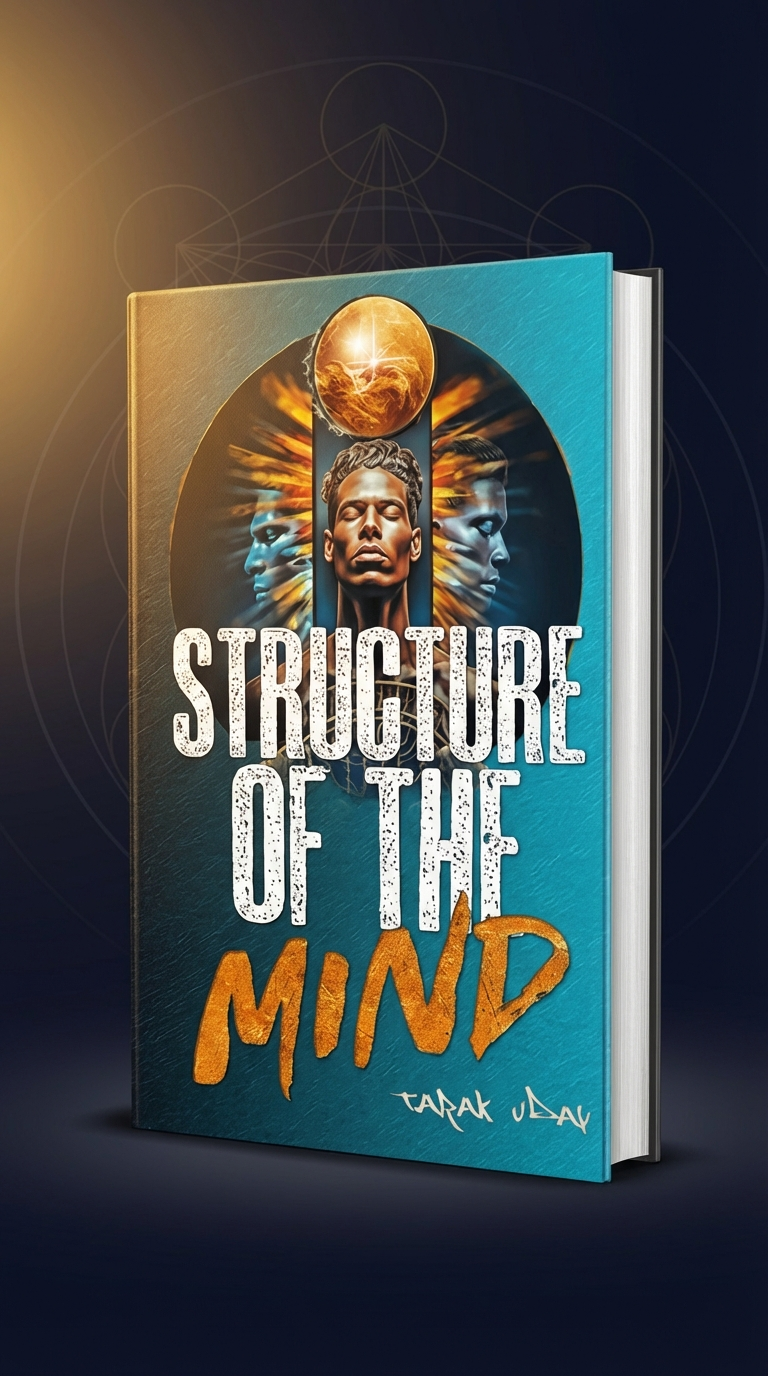
Understand Your Own Mind
"Structure of the Mind" reveals the three divisions of mind, seven levels of consciousness, and powers of mind that most people never learn to develop.

Learn The Language Your Dreams Speak
"Life Is But a Dream" teaches the Universal Language of Mind — how to read any dream symbol by what it is and what it does, so every dream becomes a message you can act on.

LUCID
You've tried every lucid dreaming technique. Most miss the root cause. LUCID reveals what they all skip.