
Sleep in Dreams: Why Your Mind Needs Time to Digest What You Live
Your body was lying still in the dark, fully asleep. And somewhere inside that sleep you watched yourself lie down, close your eyes and drift off all over again. Maybe you curled up on a couch in a house you did not recognise. Maybe you nodded off at a desk, or at a wheel, or halfway through someone talking to you. You woke with a strange double feeling, as though you had rested twice and still not quite arrived.
That doubling is worth stopping on. A sleeping mind has no reason to invent sleep unless the image is carrying something it cannot carry by itself. The picture was chosen, and the choice points somewhere specific.
Most people hear this dream as a warning that they are tired, checked out or hiding from life. The Universal Language of Mind hears something far more useful, and far more demanding, in it. By the end of this article you will know what your own mind was asking you to do with the days you have been living.
Sleep in a dream represents assimilation — the digesting and integrating of what you have lived through. While the conscious mind rests, the subconscious mind sorts experience and turns it into lasting understanding. So when you dream of sleeping, your subconscious mind is pointing at that process: either it is underway, or you have been piling up experiences faster than you let them become part of you.
What does sleep mean in the Universal Language of Mind?
Start with what sleep actually does. Every night your body stops moving toward the world. Your senses dim, your attention lets go of the day and your conscious mind steps back from its post. From the outside it looks like nothing is happening at all.
From the inside, a great deal is happening. The subconscious mind uses those hours to take everything the conscious mind gathered while awake — the conversations, the mistakes, the small victories, the moments that stung — and work through it. It sorts what matters from what does not. It connects today to what you already understood. It keeps what can serve you and releases the rest.
Tarak Uday calls this assimilation, and it is the reason sleep appears as a symbol. Having an experience and learning from an experience are two different events. The first happens in the moment. The second happens later, quietly, when you are no longer busy having the next one.
Think about eating. Chewing breaks food apart, but the meal is not yet yours when you swallow. Digestion takes hours, and only at the end of that slow work do the nutrients become muscle, blood and bone. In the Universal Language of Mind, food is knowledge available to learn from, and sleep is the stage where that knowledge stops being something you took in and becomes something you are.
So the symbol is not about rest for its own sake. It is about the conversion of lived moments into permanent understanding, and it asks whether that conversion is getting the room it needs.
Doesn't sleeping in a dream mean you are shutting down?
This is the belief most people carry, and it deserves a straight answer. Sleep gets lumped together with night, darkness and unconsciousness, so a dream of sleeping reads like a report that you have gone numb, given up or stopped paying attention.
That reading confuses two very different conditions. Night, in dream language, stands for unawareness — a stretch of life where you are not seeing clearly. Sleep is something else. During sleep the conscious mind is resting, yes, but the subconscious mind is doing some of its most important work. Nothing has been switched off. The labour has simply changed hands.
You do not become wise at the moment something happens to you. You become wise in the quiet hours afterward, when the mind is finally allowed to digest what it swallowed.
So a dream of sleeping is rarely an accusation of laziness. More often it is a pointer toward integration itself, and it tends to show up in one of two seasons. The first is after a period of heavy input — a move, a loss, a promotion, a new relationship, a hard lesson — when your subconscious mind is signalling that the material is being processed and you would do well to let it finish. The second is when you have been sprinting from one thing to the next without pause, and the dream shows you the step you keep skipping.
How can you tell which season you are in? Notice the tone of the sleep in the dream. Deep, peaceful sleep reports assimilation working as it should. Restless, interrupted or forbidden sleep reports a process that is being crowded out.
The honest question underneath the symbol is simple: are you rushing from experience to experience without stopping to take in what the last one taught you? If the answer stings, the dream has done its job.
What does falling asleep where you should stay awake tell you?
This is the version people remember most vividly, because it tends to come with dread. You fall asleep at the wheel. You drift off during an important meeting. Your eyes close while someone you love is talking to you, and you cannot keep them open no matter how hard you try.
Read the setting first, because places in dreams are states of mind. The situation where sleep overtakes you names the area of life where assimilation is trying to happen and your waking attention will not allow it.
Falling asleep while driving reports a need to digest experience while you are pushing hard toward some destination. The car is your vehicle through life, and the dream shows your mind demanding time to integrate even as you keep your foot on the accelerator. The danger in the image is proportional to how long you have refused.
Falling asleep at work reports that your productive, purposeful activity has outrun your understanding of it. You are doing a great deal and learning less from it than you could. Falling asleep mid-conversation points at a relationship — remember that the other person is an aspect of you — where exchanges keep happening and none of them are being absorbed.
CHITTA reads your dreams in the Universal Language of Mind, so the exact place you fell asleep becomes a specific reading about the part of your life asking to slow down. Decode your dream free.
Oversleeping or sleeping through an event carries a slightly different emphasis. If you slept through an alarm, a flight or an appointment, the dream is weighing integration against activity. Sometimes it reports that you have withdrawn into processing for so long that opportunities are passing. More often it reports the opposite pressure: your mind is so starved of assimilation that it will take the time by force, whatever it costs your schedule. Your feeling when you woke inside the dream tells you which. Panic points to overload. Calm points to a process that was allowed to finish.
What if you could not sleep, or someone else was sleeping?
Lying awake inside a dream, desperate for sleep that never arrives, is one of the clearest images your subconscious mind can produce. It reports that experiences are entering faster than they can be processed. The conscious mind will not stand down. It keeps replaying, planning and rehearsing, and the integration that would bring relief cannot begin while it does.
Pay attention to what kept you awake in the dream. A noise, a person in the room, a thought you could not put down — whatever it was names the thing your waking attention keeps clutching instead of letting it settle into understanding.
Watching someone else sleep shifts the reading. Everyone in your dream is an aspect of you, so a sleeping person reports a particular part of you that is currently assimilating. If you know the person, ask what quality you associate with them. A sleeping child reports a newer, still-developing aspect digesting its first lessons. A sleeping parent reports an older, more established aspect taking in something it had not faced before.
If you tried to wake that person, notice it. Shaking someone awake shows impatience with your own learning — wanting the result of an experience before the work of understanding it is done. If you guarded their sleep, the dream is showing you a healthier relationship with your own process.
And waking up inside the dream deserves its own note. When you dream that you wake from sleep, the assimilation has completed a cycle. Something that was being digested has become available to your conscious mind. The morning after that dream is a good time to ask what you suddenly understand that you did not understand a week ago.
How is sleep different from a bed, or from a dream inside the dream?
These three images sit close together, and your subconscious mind chooses between them with precision. Knowing the difference keeps you from reading one as another.
A bed is a mental tool. It is the thing you use to support assimilation — the conditions, habits and structures that make integration possible. A dream focused on the bed itself, its comfort, its state or who is in it, is asking about your support for processing experience. A dream focused on sleep is asking about the process.
Dreaming inside a dream belongs to yet another category. There, the emphasis falls on awareness of the Inner Self — on noticing that there is more to you than the waking personality. Sleep is the digestion; the dream within the dream is a glimpse of who is doing the digesting.
So sort your dream by its centre of gravity. If the emphasis was on the place you lay down, read the bed. If it was on the act of drifting off, the depth of rest or the struggle to find it, read sleep. If you became aware that you were dreaming, read the Inner Self.
One plain word about bodies, too. This article is about the language of dreams, not medicine. A dream about sleep is not a diagnosis of insomnia or any sleep disorder, and it does not predict one. If you struggle to sleep in waking life, or feel exhausted however long you rest, that deserves a conversation with a doctor.
How do you give your experiences time to become understanding?
The dream gave you a diagnosis of pace. The practice is to build a small, deliberate pause into your days so that assimilation stops depending on whatever scraps of time are left over.
Begin each evening with ten minutes and a notebook. Before you reach for your phone or the next task, write down the three moments of the day that carried the most charge. Not the busiest moments — the ones that moved you, irritated you or surprised you. Under each, write one sentence answering a single question: what did this show me about how I think?
That sentence is the chewing. You are breaking the experience into a form your subconscious mind can work with overnight. Most evenings the answer will feel thin. Write it anyway, because the value is in handing the material over consciously rather than dropping it and moving on.
Then, once a week, read back through the pages. You will find the same lesson arriving in different clothes, and noticing that pattern is how a lived moment becomes a permanent understanding rather than a memory that fades. This is the metaphysical mechanics of learning, done on purpose instead of by accident.
Finally, slow the transitions. Between one meeting and the next, one errand and the next, take a single minute to let the last thing land before you begin the next. It sounds too small to matter. It is exactly the space your dream was pointing at.
Keep watching how sleep appears in your dreams while you do this. When the dream sleep grows deep and untroubled, or you begin to dream of waking rested, your subconscious mind is telling you that the days you live are finally becoming the person you are.

Frequently Asked Questions



LUCID
You've tried every lucid dreaming technique. Most miss the root cause. LUCID reveals what they all skip.
Understand Your Own Mind
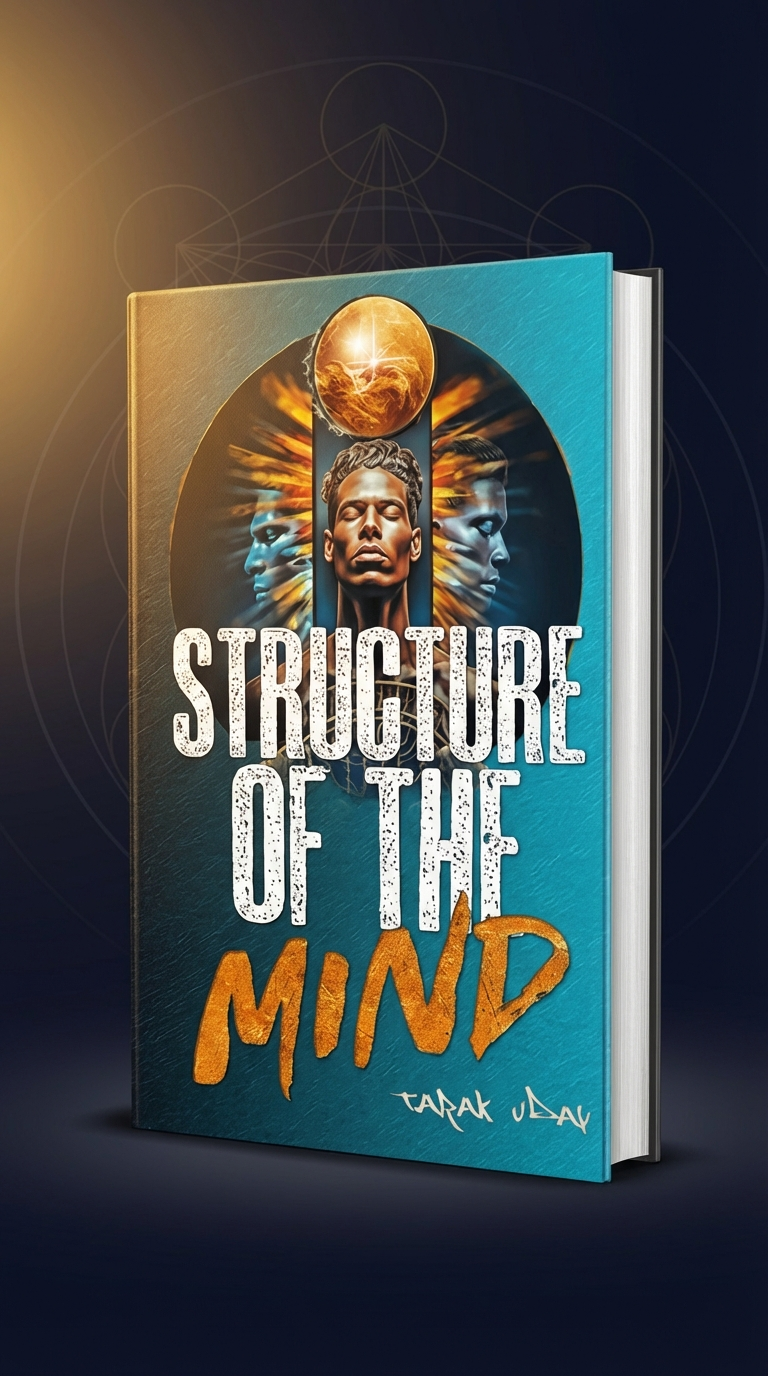
"Structure of the Mind" reveals the three divisions of mind, seven levels of consciousness, and powers of mind that most people never learn to develop.