
Why Every Meditation Tradition Starts With the Breath
Cultures that never met arrived at the identical first instruction. That is not style. It is a description of where the physical body touches the deepest level of mind.
Every meditation tradition starts with the breath because the breath is the structural contact point between the physical body and the superconscious mind. It is not a calming technique that traditions happened to converge on. The word "spirit" traces to the Greek spiritus and the Latin spirare, both meaning breath. Traditions all begin there because they were all describing the same mechanism.
So this is the part that should be strange to you and usually isn't. Traditions that had no contact with each other — separated by oceans, by millennia, by languages with no shared root — independently arrived at the identical first instruction. Sit down. Notice the breath. When cultures that never met agree on step one, step one is not a stylistic preference. It's a description of how the instrument works.
Why Does Every Tradition Land on the Same Instruction?
Because they were all observing the same structure from different angles, and the structure has only one door that is open to everyone at all times.
The mind has three divisions. The conscious mind, which operates in the physical world through the body. The subconscious mind, which the soul uses in the fourth dimension. And the superconscious mind, the deepest division, which the spirit uses in the fifth dimension — the one holding the blueprint for your existence and continuously feeding lifeforce energy to the rest of the mind.
Now ask the practical question every tradition had to answer. If the superconscious is the level that carries the blueprint, how does a person standing in a physical body, in a physical room, reach it? Not conceptually — mechanically. What is the physical thing you can do right now, without equipment, without a teacher present, without special circumstances?
What Does the Word "Spirit" Actually Mean?
It means breath. Not metaphorically — etymologically, in the languages that gave us the word.
Greek spiritus. Latin spirare. Both translate to breath, and both are the root of a word you use casually all the time: inspiration. To be inspired is literally to be in-spirited — to receive lifeforce energy from the superconscious mind, flowing in through the breath.
Sit with how ordinary that word has become. You say you're inspired when an idea arrives with unreasonable force behind it. And you've had the version of that experience nobody can explain in physical terms: late at night, exhausted, done — and then an idea lands and the tiredness simply stops applying. The fatigue was real. The idea came with energy attached, and the energy overrode the physical state.
That's the aggressive quality of the superconscious — supplying the drive and vitality needed to take the next step toward what you're actually here to do. According to Tarak Uday's Universal Language of Mind, this is the same channel every tradition was pointing at, described in whichever vocabulary that culture had available.
What Is the Breath Structurally Connected To?
The breath ties the soul to the body. Every inhalation connects the physical level to the superconscious level, which is why bringing full attention to the breath puts you, quite literally, at a threshold between dimensions.
And there's a second mechanism running at the same time, which is the part most people actually feel first. The conscious mind is aggressive — it generates thoughts whether you invite them or not. The subconscious operates on opposite laws entirely: it's receptive, it waits, it does not push. To receive anything from the deeper divisions, you must first create space in the conscious mind.
Directing attention to the breath is how you slow the aggressive generation without fighting it. You're not suppressing thought. You're giving the conscious mind one simple task that occupies it, and in the quiet that opens behind that task, the deeper levels become perceptible.
Which is why this is the same mechanic behind every insight that arrives in the shower, in the car, in the moment just before sleep. The insight wasn't created there. It was already present, waiting, and the transitional state was the reception — not the invention.
The breath opens the channel. The dream shows what came through.
Run the session tonight, then log the dream that follows and decode it through the Universal Language of Mind.
Decode Your Dream Now →What Changes When You Breathe Deliberately?
Three things, in a fairly reliable order.
The first is noise reduction, and it arrives fastest. Within a few minutes the conscious mind's thought generation slows — not because you defeated it, but because it has been given something to hold. Most people mistake this stage for the whole practice, and then judge the practice by whether the noise reduction felt pleasant that day.
The second is energy, and it doesn't behave like rest. It arrives as something closer to lift than to relaxation — the in-spirited quality, lifeforce moving into a system that had been running on the physical body's supply alone. This is the stage that convinces people the traditions were describing something real, because you cannot easily explain it as a nap.
The third is guidance, and it's the slowest. In the space that opens, the receptive divisions become audible. What arrives is rarely a voice and almost never dramatic — it's a clarity about direction, a sense of the elevated perspective the blueprint carries. Meditation is not an abstract spiritual practice. It's the practical act of consulting that blueprint and drawing renewed energy while you're there.

Bindu says: "You have taken about half a billion breaths without noticing one of them. The traditions are not asking you to add anything. They are asking you to attend to what is already happening."
How CHITTA Accelerates This — Where Does the Breath Session Show Its Result?
Here's the gap this article opened. You now know the breath is a channel rather than a relaxation technique. You have no way to tell whether the channel is opening — because the sit itself gives you almost no usable signal, and the felt quality of a session is one of the least reliable measures in the whole practice.
The evidence shows up at night. Sleep is the deepest reduction of conscious-mind noise a person gets, every night, for free. Whatever capacity you built at six in the morning gets expressed at two in the morning, when consciousness has shifted fully into the subconscious levels. So the dream is where the breathwork reports.
The dream journal is what makes that report readable — dated entries that don't get quietly revised toward the story you already believe about your progress. The interpretation engine reads each entry through the Universal Language of Mind, so the imagery comes back as mechanism rather than trivia: rising light quality signalling movement toward the inner levels, an authority figure read as the superconscious rather than as a person. And the Long Breath session log holds the other half of the pair, so eight weeks of sits sit beside eight weeks of dreams.
The acceleration is that two dated records turn an unanswerable question into an answerable one. You stop asking whether the channel is opening and start reading whether it is.
So take the session tonight, and write down the dream that follows it.
What Else Do People Ask About the Breath in Meditation?
Why do all meditation traditions focus on breathing?
Because the breath is the point of contact between the physical body and the superconscious mind, and it is the only such access point available to anyone at any moment without equipment or preparation. Traditions converged on it because they were describing the same structure.
What does the word inspiration have to do with breath?
Everything. Spirit traces to the Greek spiritus and the Latin spirare, both meaning breath. To be inspired is to be in-spirited — receiving lifeforce energy from the superconscious mind through the breath. The everyday word preserves the original mechanism.
Do I have to breathe in a special pattern for it to work?
No. Attention is the active ingredient, not technique. Bringing full awareness to an ordinary breath opens the channel; an elaborate pattern practised absent-mindedly does not. Start with attention and let any pattern follow from it.
What does the Universal Language of Mind say the breath is?
It is the bridge between the conscious mind and the superconscious, the channel through which lifeforce energy enters and the point where the physical level touches the deepest level of mind. That is why every tradition begins there.
Tarak Uday is the founder of CHITTA and the author of Structure of the Mind and Life is But a Dream, which lay out the Universal Language of Mind used throughout this article. For the related mechanics, see how to tell whether your meditation is working and why vivid dreams follow a new practice.

Frequently Asked Questions



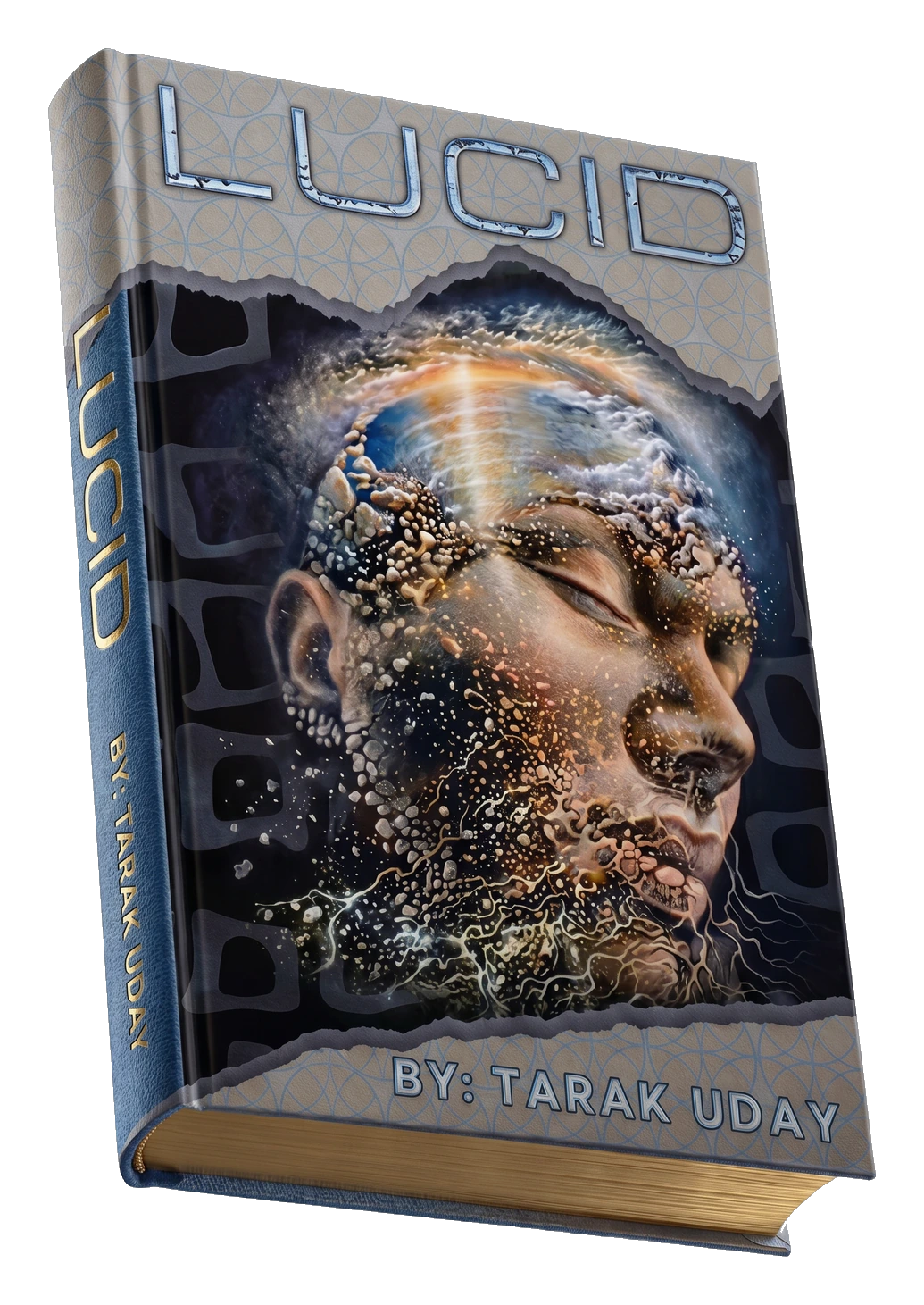
LUCID
You've tried every lucid dreaming technique. Most miss the root cause. LUCID reveals what they all skip.
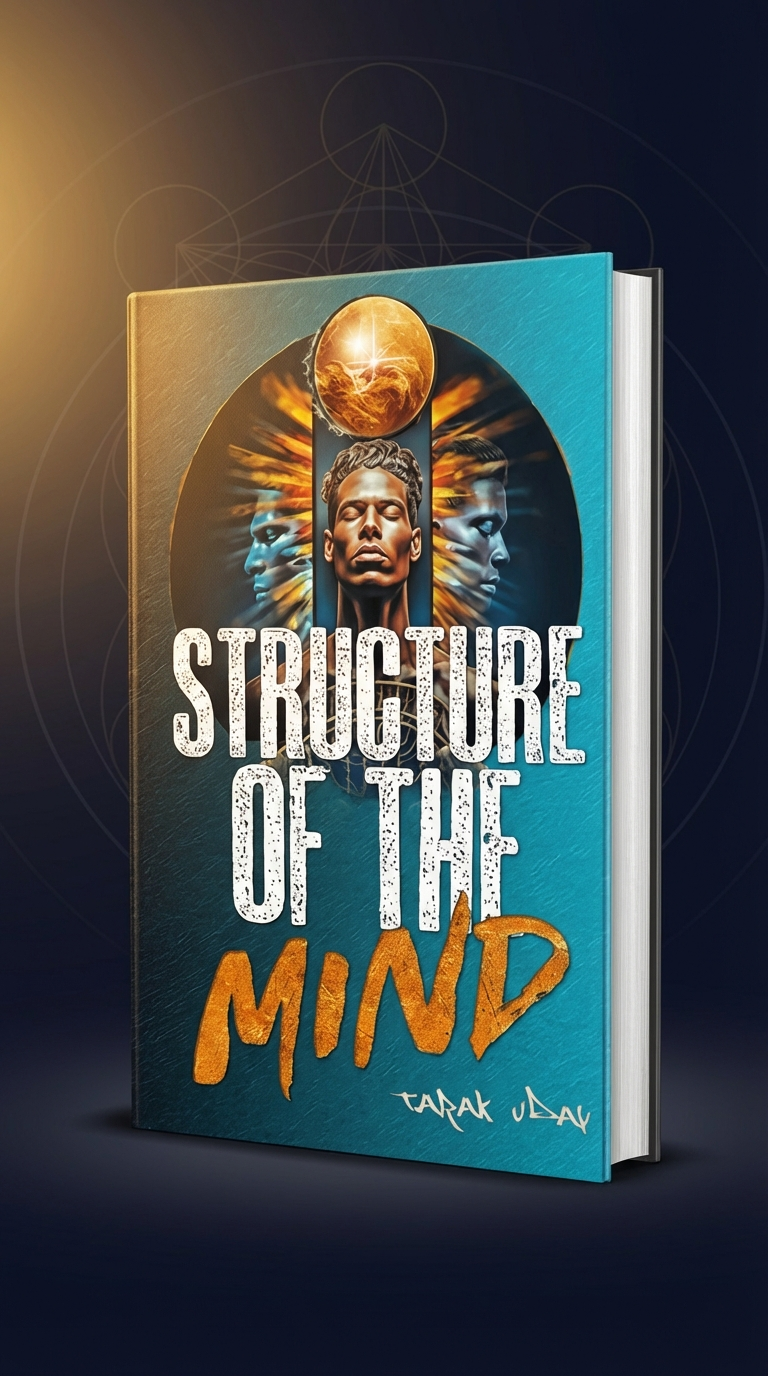
Understand Your Own Mind
"Structure of the Mind" reveals the three divisions of mind, seven levels of consciousness, and powers of mind that most people never learn to develop.