
The Akashic Records: The Fourth-Dimensional Library Your Dreams Can Visit
Maybe you once woke from a dream that felt less like a story and more like a memory of somewhere you have never been. That dream did not come from nowhere.


The akashic records are the library of every vibration that has ever reverberated, and in the Universal Language of Mind they are not kept in some distant temple or cloud. They sit inside your own subconscious mind, between the lower and upper astral levels, and you reach them the way you reach everything there: through your dreams. Maybe you have woken once from a dream that didn't feel like yours. A street you have never walked, clothes from another century, a grief that belonged to someone you somehow were, and an odd certainty all morning that you had not made it up. That certainty deserves a closer look. So before anything else, bring back the strangest dream you still remember, the one that felt less like a story and more like a memory.
What Are the Akashic Records in the Universal Language of Mind?
Most people picture the akashic records as a cosmic archive that only a gifted few can open. You book a session, someone closes their eyes and reads your file to you, and you pay for the privilege. The picture is tidy, and it puts the library outside of you.
The Universal Language of Mind puts it somewhere far closer. Tarak Uday teaches the akashic records as a level of your own mind, a place you already pass through, most often while you sleep. In LUCID he defines the word before anything else:
Sit with the word vibration for a second. A thought is a vibration. An experience is a vibration. Everything that has ever moved, felt, spoken or been understood set something reverberating, and the record is where that reverberation is kept. In Life Is But a Dream, Tarak describes akasha as ether, "the essence of all things that are, were, and are yet to be." That is why the word means the all. Nothing is left out of it.
So the akashic records are not a book with your name on the spine. They are closer to the medium every book is written in. And the medium is mind.
Where Are the Akashic Records Located in Your Mind?
To answer that, you need the map. In the Structure of the Mind there are seven levels of mind across three divisions. The physical level belongs to the conscious mind. The subconscious mind holds four levels: the emotional level, the lower astral, the upper astral and the mental level. If the full map is new to you, the seven levels of mind lays it out level by level.
Tarak describes each of those four levels by the color of the dreams that happen there. Dreams in the emotional level are black and white. Dreams in the lower astral are in regular technicolor. Dreams in the upper astral come in vibrant, striking colors. Dreams in the mental level have almost no color at all, more of a heavenly feel.
The akashic records sit between the upper and lower astral levels. Right in the middle of the band where most people do most of their dreaming. So the library is not a rare destination. It is next door to where you already spend your nights.
And here is why that matters. The subconscious mind operates in the fourth dimension, and the fourth dimension is not bound by time the way waking life is. Tarak puts the consequence plainly:
"With the fourth dimension being free of the limitation of time, one could experience every past life they ever lived, the history of the world or universe, or any conceivable question their mind could generate."
Any conceivable question. That is the part most people skip past. The records are not only a vault of the past. They answer. If the fourth dimension itself is unfamiliar territory, what the 4th dimension is, spiritually covers the time-free nature of the soul and why your dreams live there.
There is a quieter detail hidden in that color map. The color of a dream tells you which level you were dreaming in, and almost nobody writes the color down. A dream that felt like history and came in vivid, striking color is a different piece of evidence than the same plot in grey.
Why Do Past-Life Moments Show Up in Your Dreams?
This is where the books get specific. In Life Is But a Dream, Tarak explains what that astral band is actually for. Between the lower and upper astral levels is where we store the understandings we extract from our life experiences, the experiences the conscious mind feeds to the subconscious mind. Then he names it: "This storehouse of wisdom is often referred to as the Akashic Records."
And he goes one step further:
"All the information of our past lives is stored here as well, so when people re-experience past life moments within their dream it is coming from these Akashic records."
He tells of a close friend who replayed one past-life moment, a Roman warrior walking into his last battle, nearly every night as the opening of his dreaming. It played out the exact same way every time.
Notice what kind of dream that was. Not a mood. Not a jumble. A precise scene, repeating without variation. That is a very different signature from an ordinary dream, which shifts and morphs and borrows faces from last Tuesday.
Which brings up the honest caution. Not every dream set in an old century is a past-life record. Most dreams are the subconscious mind speaking in its picture language about your present life, and form and function still applies: a castle, a sword, a long road are symbols before they are anything else. The way to tell the two apart is not to decide in the shower which one you would prefer. It is to watch them over time. One dream is a sentence. The same scene returning, unchanged, month after month, is a paragraph, and no single interpretation can read it.
The storehouse also tells you what the records value. They hold understanding, the wisdom extracted from experience, not trivia about who you used to be. So when something surfaces from there, the useful question is never only "who was I?" It is "what did I learn, and what am I still learning?"
How Do You Access the Akashic Records?
Honestly, the same way you access any part of your subconscious mind. There are three doors in the books, and none of them requires anyone else to hold the key.
The first door is the dream itself. Your consciousness shifts into the astral body every night, and the band where the records sit is where most dreaming happens. The trouble is not access. The trouble is recall. Most people believe they barely dream. They dream every night and lose it within moments of waking. Recall is a trainable skill, not a gift (why you forget your dreams covers the reason and the fix), and a library you visit nightly but cannot remember is a library you have never read.
The second door is intuition. In LUCID, Tarak defines it this way: "Your intuition is your direct grasp of truth — your ability to perceive the truth without having any reason to be able to know." He names the reasons the subconscious mind can do this, and one of them is our connection to the akashic records. That knowing you cannot explain, the answer that arrives whole, is the record speaking in the daytime.
The third door is a question asked on purpose. This is dream incubation, and it is the most direct answer to "how to access the akashic records" that the books give. LUCID describes it like this:
The method is stream of consciousness writing just before you lie down. Pen on paper, and the pen does not stop until there is absolutely nothing left in your mind to write. That empties the conscious mind of its chatter and makes room for the deeper response. Then you give the subconscious one clear direction: the question. The full method is in how to program your dreams before you fall asleep.
Tarak Uday takes this further in Structure of the Mind, his map of the three divisions of mind and the powers of attention, memory and imagination.
Tarak compares it to asking a DJ for a song. The DJ might play it next. Might play it three songs later. Might wait ten. The closer your relationship with the DJ, the sooner your request comes on. Your relationship with your subconscious mind is built the same way: you write down your dreams, interpret them, and apply the message. Each time, you are telling your inner teacher that the last message was received.
And lucid dreaming opens the door wider still. Become aware inside the dream and you can ask your question from within the fourth dimension, rather than only before you enter it. That is a longer road, and it starts with the same habit as the other three: the record of last night.
How Does CHITTA Accelerate Your Access to the Akashic Records?
Here is the gap the teaching leaves you with. You can ask the record a question tonight, and the answer can come tonight, or three songs later. It arrives as images, not sentences. Without a dated record, a reply that lands on Thursday never gets connected to a question you asked on Monday, and you conclude nothing came.
The dream journal closes that gap. Every dream you log carries its date, so the question and its answer sit on the same timeline where you can see them. The interpretation engine decodes each dream in the Universal Language of Mind, reading every symbol beside the others it appeared with rather than one dictionary entry at a time. That is how you begin to tell a symbolic dream dressed in old clothes from a scene that keeps returning exactly the same. Memory Lane trains the recall the first door depends on, and the candle exercise with its tic-mark count measures how steady your attention is when you sit down to write the question.
What Will You Ask the Record Tonight?
Not a belief to adopt. An experiment to run.
Before sleep tonight, take a pen and paper and write until there is nothing left to write. Don't edit. Don't stop. When the page is empty of you, write one question at the bottom. Only one. Make it something you genuinely want to understand, not something you want to hear.
When you wake, before you reach for your phone and before you move much at all, write down whatever dream answers. A fragment counts. A color counts. A dream that seems to have nothing to do with the question counts most of all, because the subconscious mind answers in pictures, and its reply rarely looks like the question you sent.
If nothing comes, write that down too, and ask again the next night. The relationship is the access.
This article can tell you where the library is and how to knock. It cannot tell you which shelf your answer will come from, or in what image it will arrive. Only tomorrow morning's entry can.
Frequently Asked Questions



Books by Tarak Uday
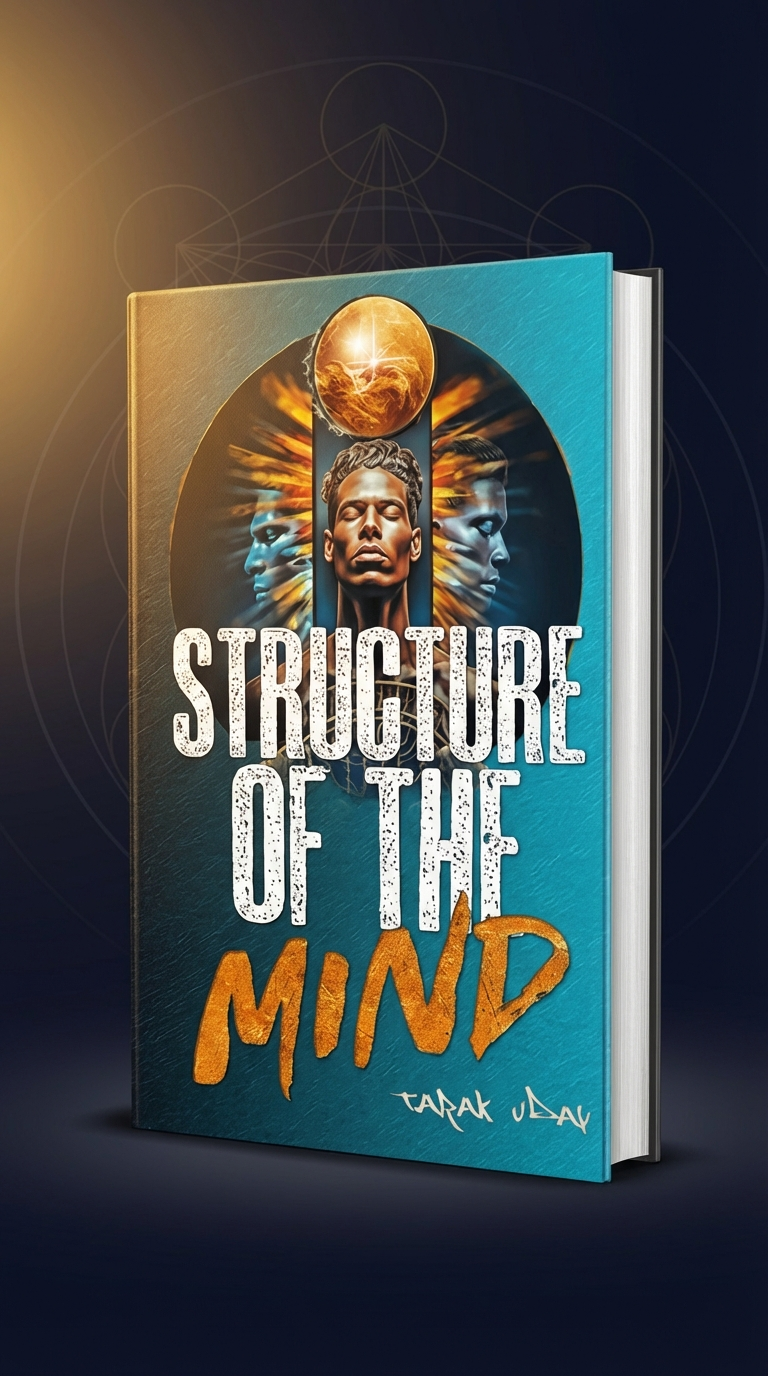
Understand Your Own Mind
"Structure of the Mind" reveals the three divisions of mind, seven levels of consciousness, and powers of mind that most people never learn to develop.
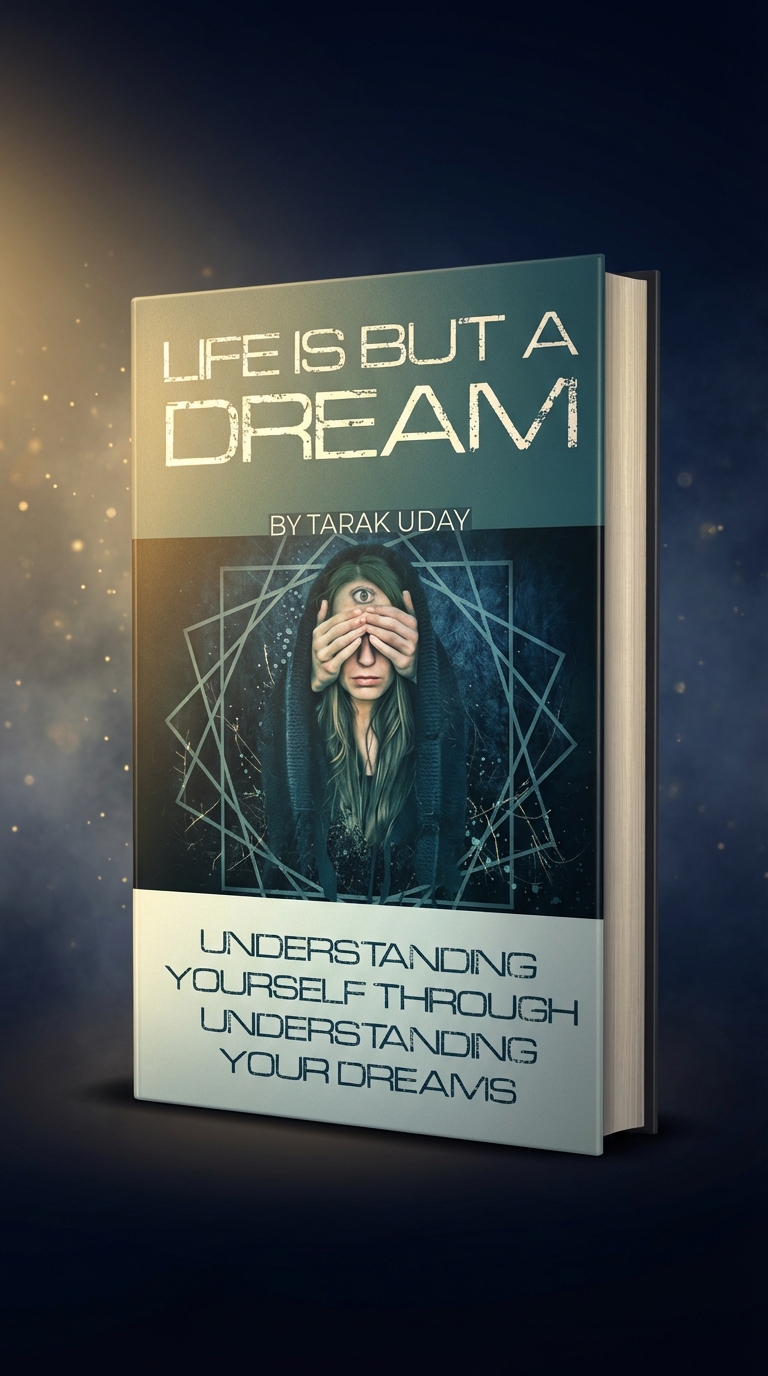
Learn The Language Your Dreams Speak
"Life Is But a Dream" teaches the Universal Language of Mind — how to read any dream symbol by what it is and what it does, so every dream becomes a message you can act on.
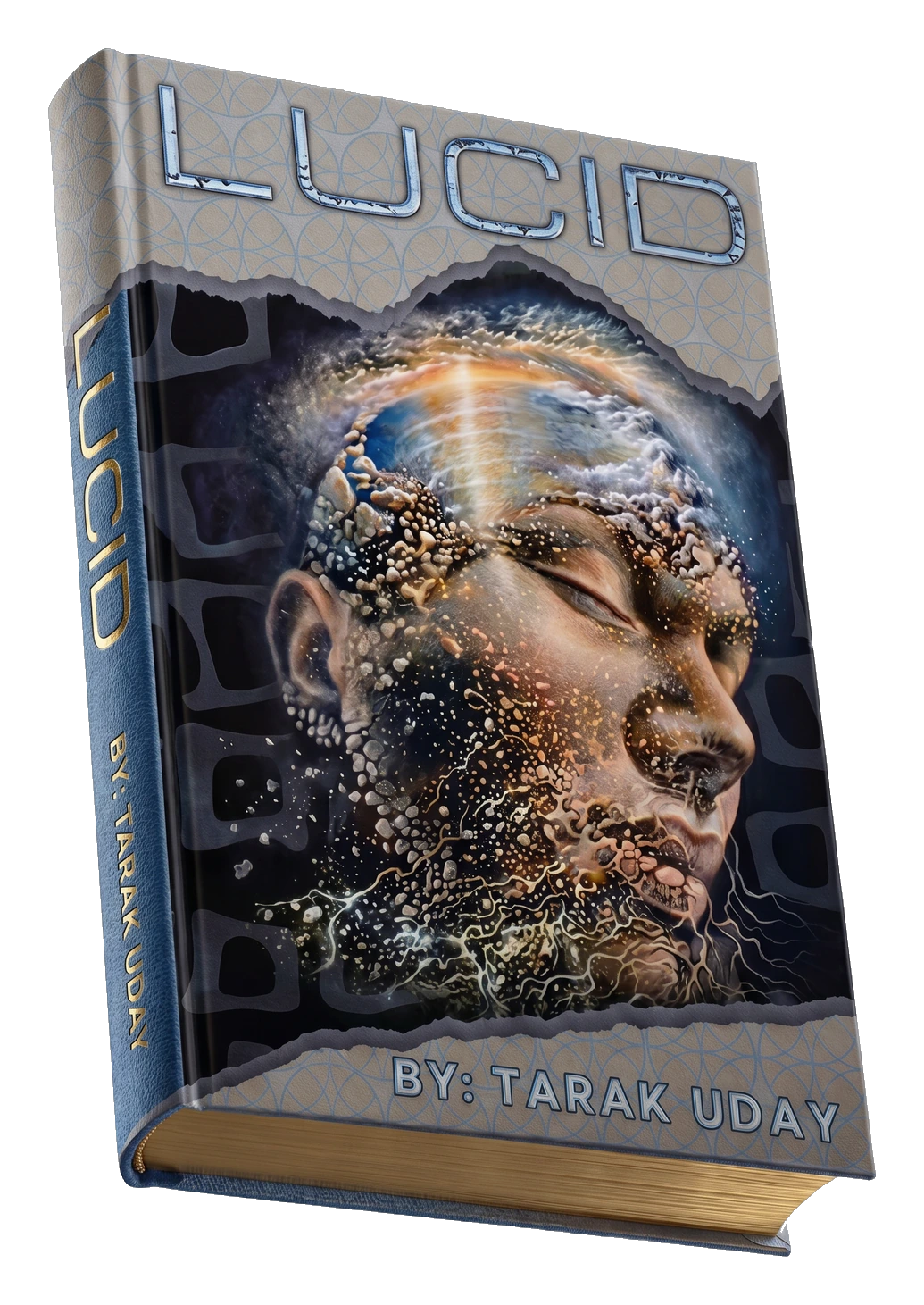
LUCID
You've tried every lucid dreaming technique. Most miss the root cause. LUCID reveals what they all skip.