
God vs Lord in the Bible: The Difference Nobody Explains
You have read both words so many times they blurred into one name. The text never treated them as one, and the switch between them is pointing at you.


The difference between God and Lord in the Bible is the difference between the source and you. In the Universal Language of the Mind, as Tarak Uday teaches it, "God" refers to the light of the creator, and "the Lord" refers to your I AM, your Real Self. You've probably read both words a thousand times and let them blur into one name. Maybe you even noticed, somewhere early in Genesis, that the text quietly switches from one to the other, wondered about it for half a second, and kept reading. That half second was the right instinct. A text written in pictures doesn't change a word by accident, and neither does a dream. So keep the question beside the last dream you remember, the one where a single odd detail kept pulling at you after you woke.
What Is the Difference Between God and Lord in the Bible?
Most of us were handed these as two titles for one being. And nobody corrected it, because on the surface nothing breaks when you swap them.
In Structure of the Mind, Tarak Uday names exactly that habit: "Many people pay no mind to when one is used versus the other and only perceive them as interchangeable." Then he flips it. There is, he writes, "a purpose and intent behind when one is used rather than the other." And he gives the two definitions straight:
So one word points at the source. The Most High. The light everything comes out of. The other word points at you. Not your personality, not your name, not the story you tell about yourself, but the consciousness underneath all of that. The book puts the relationship between the two in a single image: "Our consciousness is our own individual ray of light of the creator."
The light, and one ray of it. That's the whole difference.
It's common knowledge that the two English words stand in for different Hebrew names in the original text. That's the history of the words. What we're reading here is a different layer: what the two words are doing as symbols, in the picture language the mind itself uses.
One note before we go further. This is a way of reading symbolic language, not religious instruction. It doesn't ask you to give up how your tradition reads these verses.
Why Does Genesis Say "God" First and "the LORD God" Later?
Open the first page. In the King James Version, Genesis 1:1 reads: "In the beginning God created the heaven and the earth." Through the entire first chapter, every act of creation belongs to "God." The word "Lord" doesn't appear once.
Then, at Genesis 2:4, the name changes. The KJV speaks of "the day that the LORD God made the earth and the heavens." From there on, the story of the garden is told with both names joined.
Why start with only one? Structure of the Mind answers it directly: "the creation story and the bible begin with God because OUR creation and existence begins and originates with the essence of the Most High." The source comes first because the source is first.
And what's being created in that first chapter isn't what most people assume. Tarak writes: "The creation story is not an origin story of mankind, it is the depiction of the creation of the tools and vehicles for our consciousness to experience." The heavens are the superconscious mind. The earth is the subconscious mind. The first thing created was the mind. If you want that walked through verse by verse, Genesis 1 decoded does exactly that.
Now hold the two definitions and look again at where the name shifts. For a full chapter the light of the creator builds the field of experience. Then the story turns toward the one who will live inside that field, and right there the text starts saying "the LORD God." The Real Self and its source, named together.
The book decodes the opening verses of Genesis line by line, not that one, so don't take the shift as doctrine. Take the two definitions and test them yourself. Which name a verse uses tells you where it's pointing: at the source, at you, or at the place where the two meet.
What Does "the Lord" Mean When the Bible Says I AM?
There's one verse where the text all but hands you the key. At the burning bush, in Exodus 3:14, the name that is given is, in the KJV, "I AM THAT I AM."
Tarak points at the same line in Structure of the Mind: "There is a reason that the phrase I AM is used." And he says what the reason is: "Your I AM is your own individual ray of the Creators light. This is your consciousness."
Think about how you actually use those two words. Nobody else can say "I am" and mean you. Your name can be shared, and most of your opinions were borrowed from somebody. But the plain sense of being here, aware, before you add anything after the words "I am"? That one never changed. It was there when you were a child, and it's there right now, reading this sentence.
That is what "the Lord" refers to. Not a ruler somewhere above you. The one in you who is aware.
The Psalms say it without flinching. Psalm 82:6 in the KJV: "I have said, Ye are gods; and all of you are children of the most High." Children of the source. Rays of the light.
And this is where most people get stuck, because they hear "Real Self" and reach for the nearest thing they know: the body, the soul, the spirit, the mind. The Real Self is none of those. Those are the vehicles and tools it uses. What the Real Self actually is takes that apart one piece at a time.
How Do You Read a Verse the Way You Read a Dream?
Here's the part nobody explains. You don't need one skill for scripture and another for your dreams. It's one language.
Structure of the Mind says it flatly: "The bible was written with deep symbolism within the Universal Language of the Mind." The language is ancient, it belongs to no one, and it's the same picture language your subconscious mind speaks to you in every night. Which means the method for reading it is the same too. In Life Is But a Dream, Tarak gives the method: "In order to understand the images within the language you must look at the form and function of that image."
Three questions. What is the form of the image? What is the function of that form? And how does that relate to the mind, to the self? If you've never worked a dream that way, the three questions for interpreting a dream shows them in use.
Run the opening of Genesis through them and you get the key the book lays out. Light is awareness. Darkness is unawareness. A face is identity, because a face is how we identify someone. Water is life experience. Heaven is the superconscious mind and earth is the subconscious mind. None of that is arbitrary. Each one comes from asking what the thing does.
Now the uncomfortable bit. Those same images turned up in your dreams this month. A light coming on in a room. Dark water. A face you couldn't quite see. The sky opening overhead. A verse is public. Your dream used the same vocabulary, but it was written for one reader, about one life, on one particular night.
Tarak Uday takes this further in Structure of the Mind, his map of the three divisions of mind and the powers of attention, memory and imagination.
And the meaning shifts with what the symbol sat next to. Light in an empty room and light in a crowded one aren't the same sentence. Darkness you walk into and darkness you're running from aren't either. A dictionary can give you the word. Only the sequence gives you the message.
How Does CHITTA Accelerate Decoding Symbols Like These?
So here's the gap this leaves you with. You now have two definitions and three questions. But the verse will still be there tomorrow. The dream won't. It's gone within minutes of waking, and with it goes the only text ever written specifically to you.
That's the gap CHITTA is built for. The symbol dictionary holds the form and function reading for each symbol, the same way the book's key holds light, darkness, face and water, so you aren't guessing. The dream journal keeps each dream with its date, so a symbol that keeps coming back becomes a visible pattern instead of a vague feeling. And the interpretation engine decodes the dream in the Universal Language of the Mind, reading each symbol next to the others it appeared with rather than one entry at a time.
Why does that speed things up? Because it's the same skill. Every dream you decode makes the next verse easier to read, and every verse you decode sharpens the questions you bring to the next dream. What was a hunch becomes a dated record you can check.
Which Verse Will You Decode Tonight?
Don't take any of this on belief. Information doesn't transform anybody. Experience does. So run it.
Tonight, read one verse that names both. Psalm 100:3 is a good one. In the KJV it begins: "Know ye that the LORD he is God." Write the verse out by hand.
Then ask it the same questions you'd ask a dream: the form, the function, and how it relates to your mind, to your self. Where the verse says "God," write "the light of the creator." Where it says "the LORD," write "my I AM, my Real Self." Read it back slowly.
Then leave the pen and paper by the bed. If a dream comes, give it the same three questions in the morning, before you do anything else.
This article can tell you what the two words mean. It can't tell you what the verse will say to you once you read it that way, or why one particular image came to you last night instead of any other. That part was only ever addressed to one person.
Frequently Asked Questions


Books by Tarak Uday
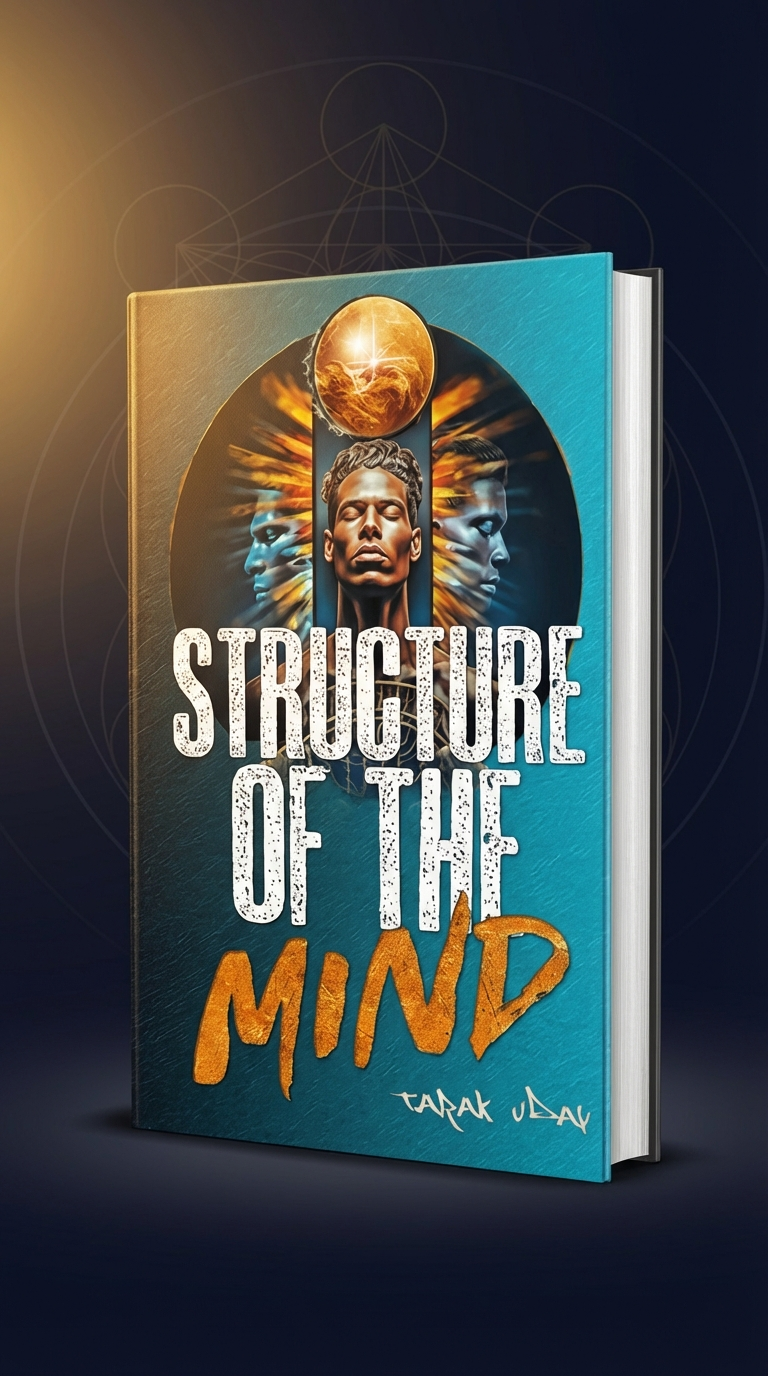
Understand Your Own Mind
"Structure of the Mind" reveals the three divisions of mind, seven levels of consciousness, and powers of mind that most people never learn to develop.
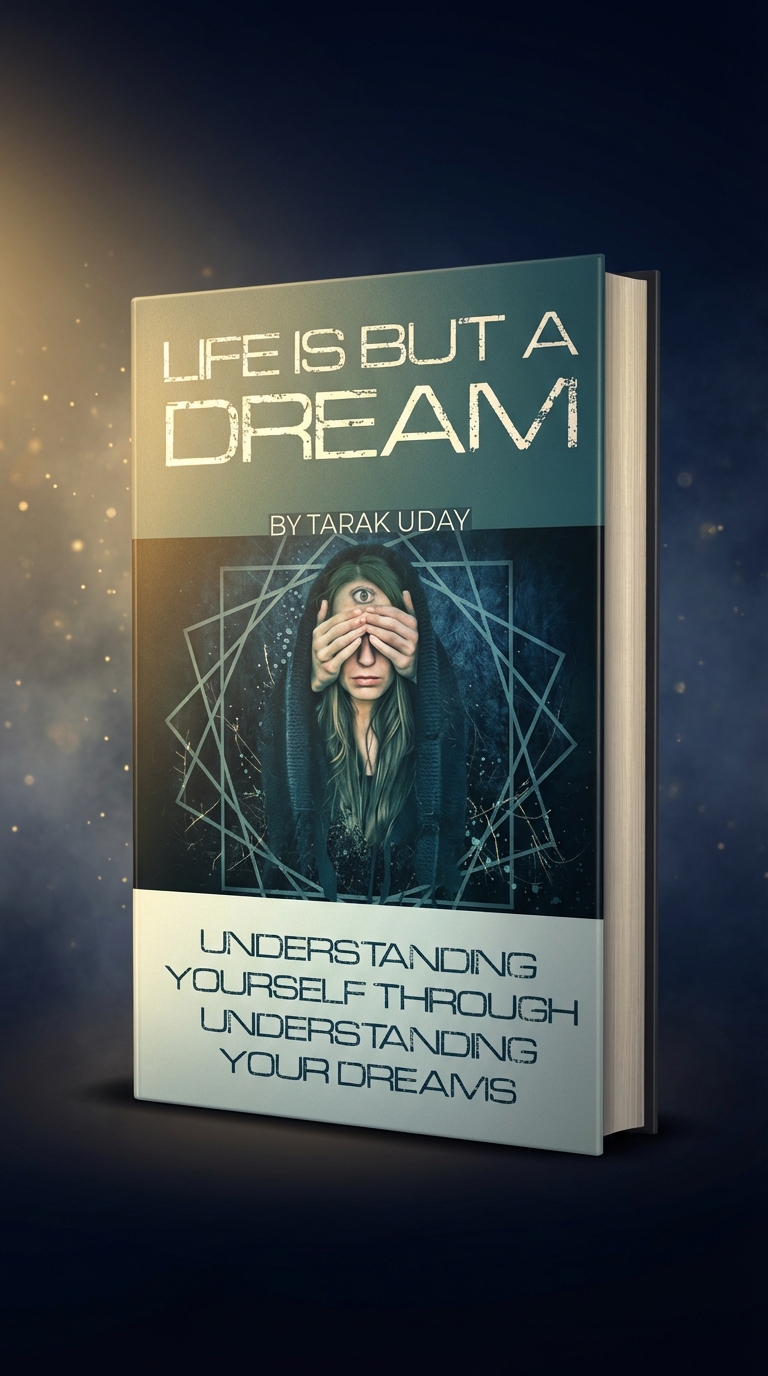
Learn The Language Your Dreams Speak
"Life Is But a Dream" teaches the Universal Language of the Mind — how to read any dream symbol by what it is and what it does, so every dream becomes a message you can act on.
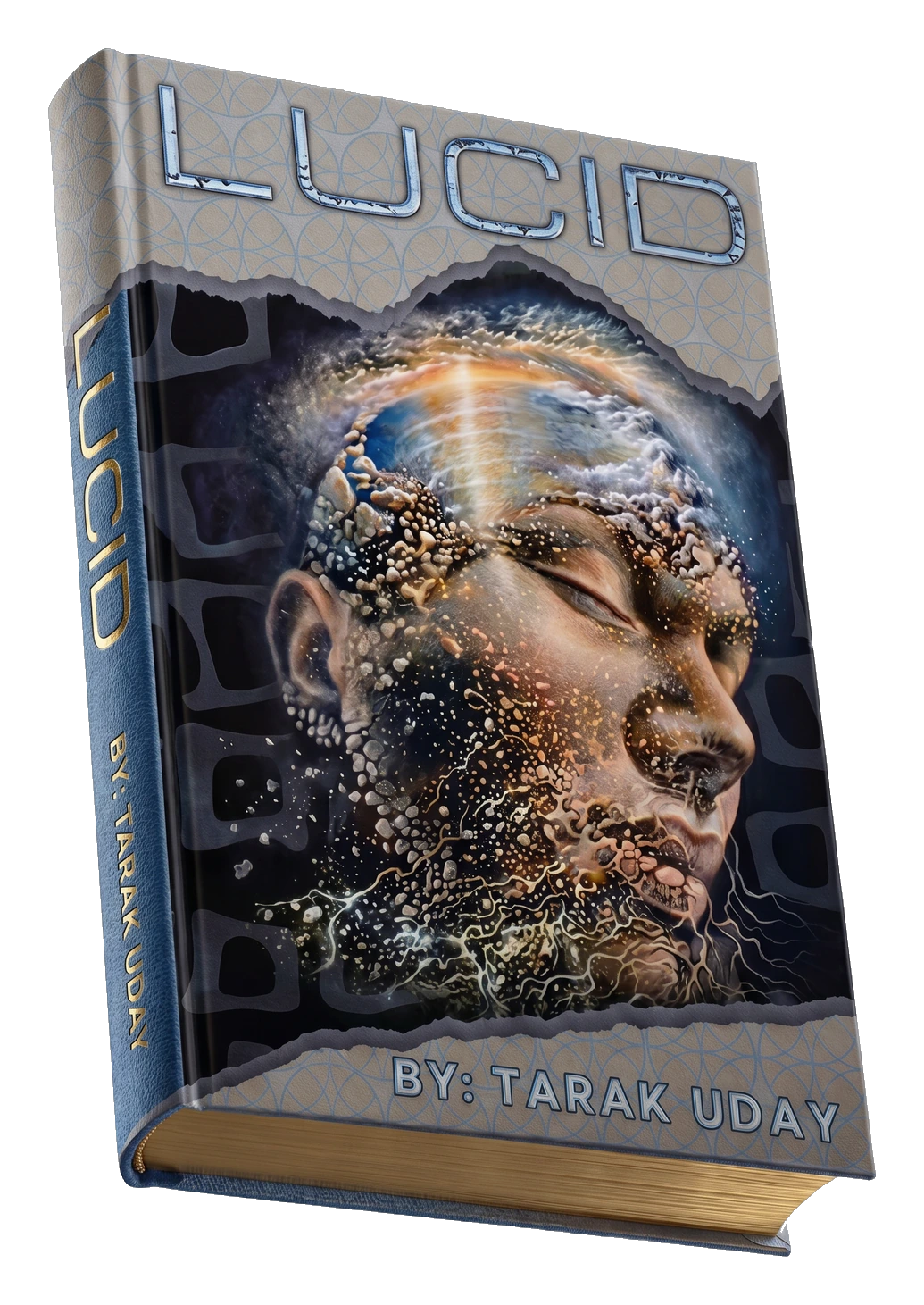
LUCID
You've tried every lucid dreaming technique. Most miss the root cause. LUCID reveals what they all skip.